
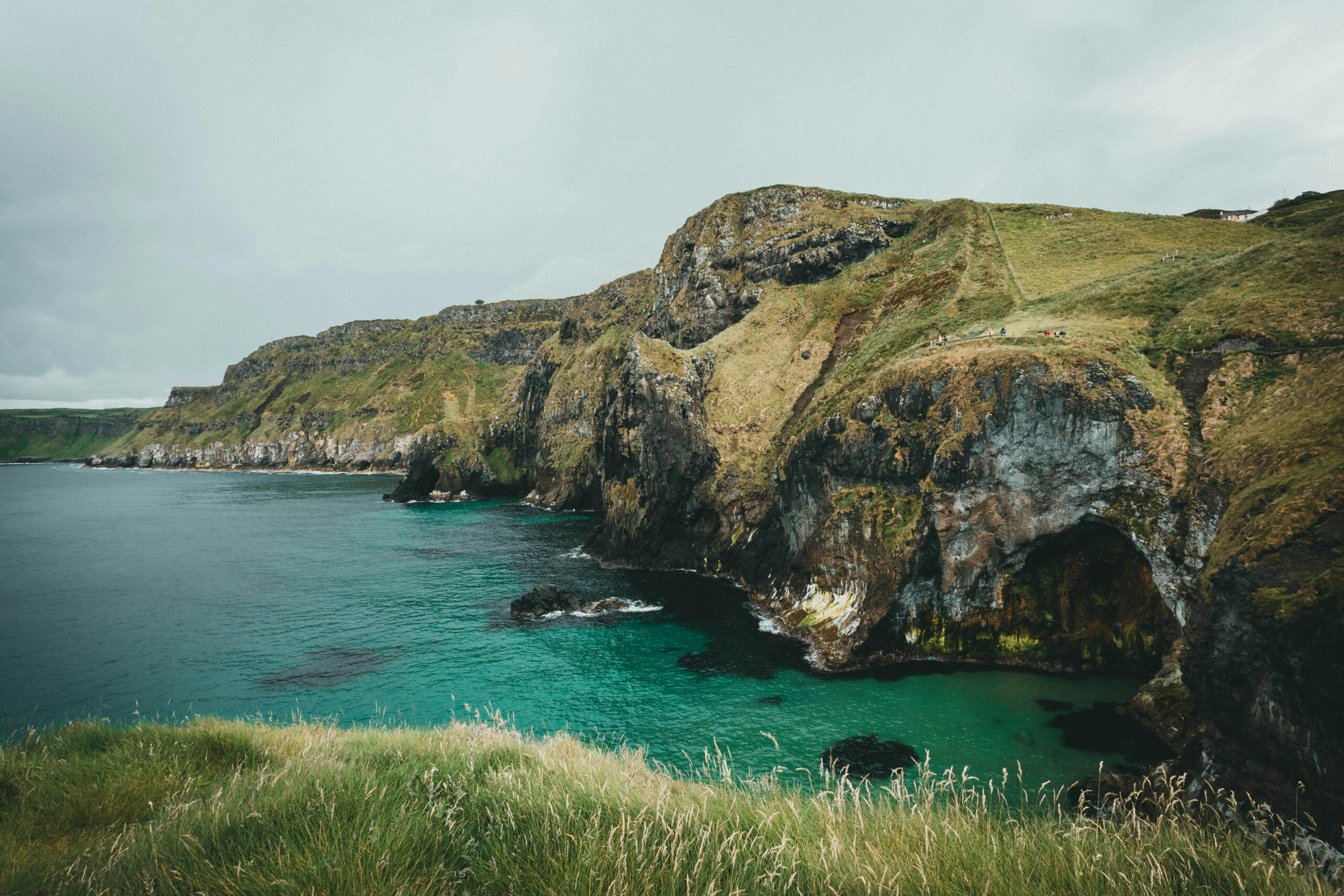
Northern Ireland’s tourism sector is undergoing a quiet but meaningful shift.
One of the strongest drivers of recent growth is not long-haul international travel, but visitors coming from just across the border in the Republic of Ireland.
Overnight trips from the Republic have risen from about 1.1 million to 1.3 million, while visitor spending has increased from £243 million to £317 million. This reflects more than simple growth — it signals a deeper change in how people move, travel, and experience the island.
This isn’t just about numbers. It’s about a new travel reality forming across Ireland.
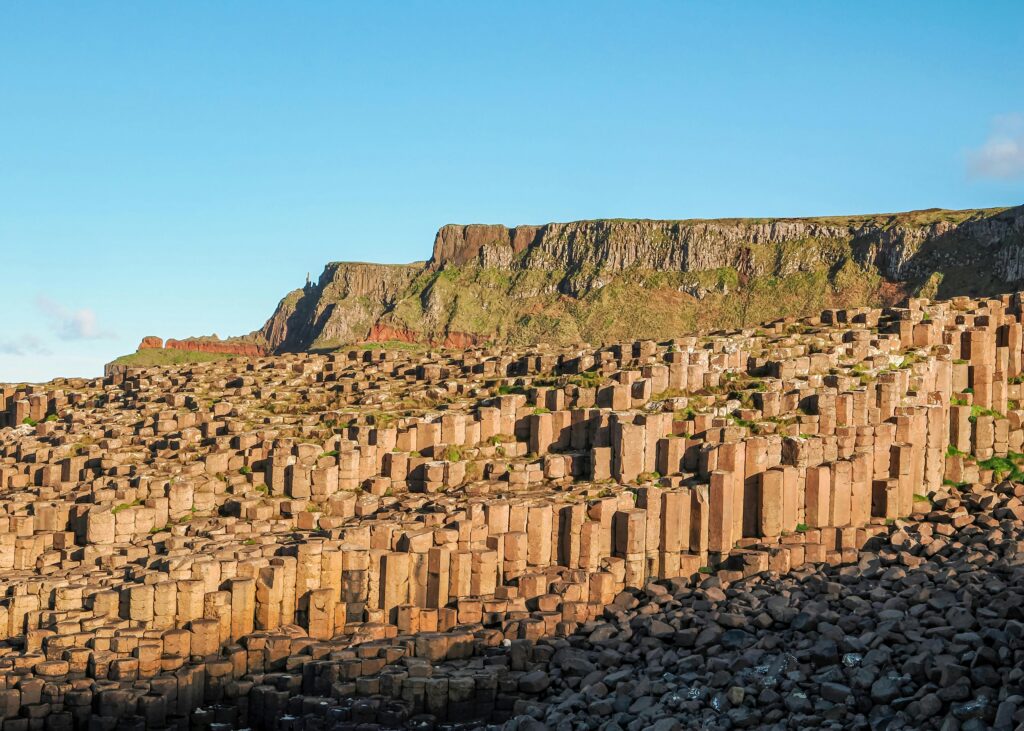
🧭 Why cross-border visitors matter so much
Northern Ireland has always relied on a mix of domestic UK tourism and international arrivals, but visitors from the Republic have become especially important because they offer something uniquely stable.
They are:
- close enough for weekend trips
- likely to return multiple times a year
- less dependent on flights or seasonal planning
- comfortable traveling across the border
This creates a consistent flow of tourism that doesn’t rely heavily on global travel trends or airline capacity.
In practical terms, it is one of the most reliable segments in the entire tourism ecosystem.
💰 The economic ripple effect
The increase in spending from £243 million to £317 million represents a significant boost for the regional economy.
But the real impact goes beyond headline figures.
That money flows into:
- hotels and guesthouses
- restaurants and cafés
- pubs and nightlife
- local transport services
- attractions and heritage sites
- small independent retailers
In many towns, tourism spending supports seasonal and permanent employment alike. It also helps sustain rural and coastal economies where alternative industries are limited.
Tourism here is not abstract — it is payroll, rent, and local survival.
🚗 Why this trend is accelerating now
Several structural forces are driving the rise in visitors from the Republic:
1. Ease of movement
Travel across the border remains simple, with no major physical barriers. This encourages spontaneous and repeat travel.
2. Short-trip culture
Modern travel behavior favors short, frequent breaks instead of long annual holidays. Northern Ireland fits this perfectly.
3. Improved tourism identity
Northern Ireland is increasingly seen as a destination for:
- scenic landscapes
- coastal routes
- cultural experiences
- food and hospitality tourism
4. Strong regional connectivity
Road networks and proximity make it easy for visitors from Dublin, Galway, and other cities to plan short stays.
🏞️ Northern Ireland’s evolving tourism identity
A major shift behind this trend is how Northern Ireland is perceived.
Once associated internationally with political history, it is now increasingly recognized for:
- dramatic coastal scenery
- outdoor adventure tourism
- cultural festivals and events
- modern food and drink experiences
- film and television-inspired travel
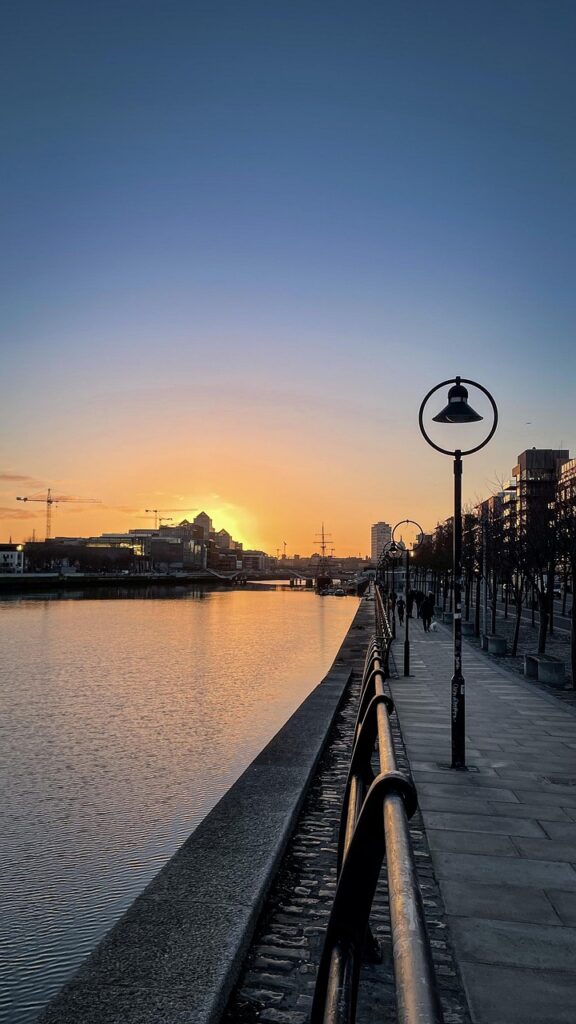
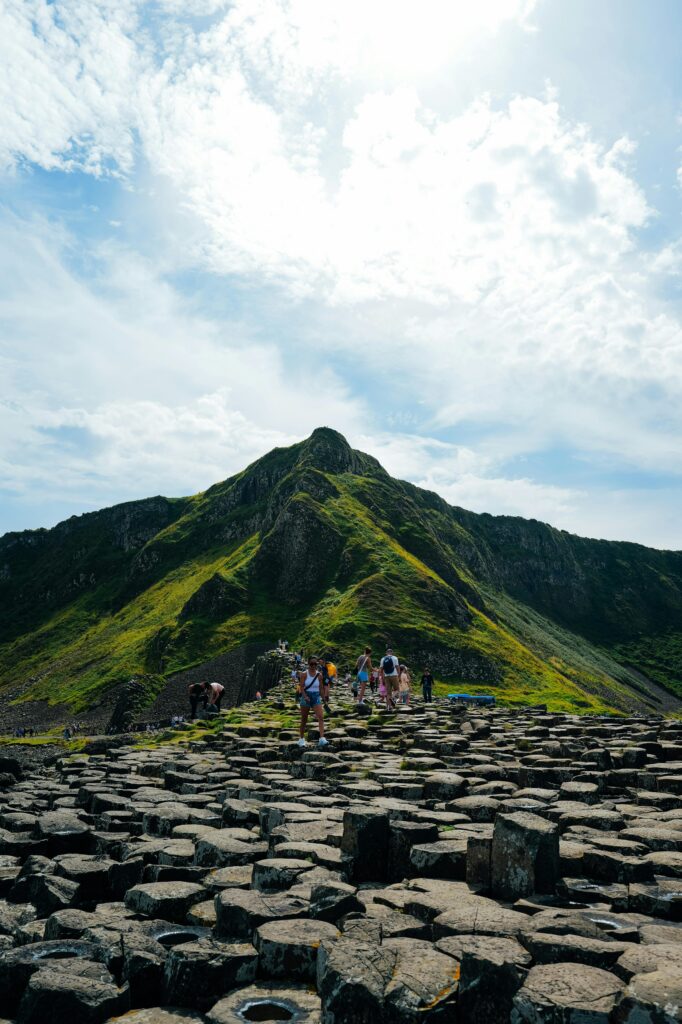
Key destinations include Belfast, the Causeway Coast, and the Mourne Mountains, all of which have become central to tourism branding.
This transformation has helped the region attract both international visitors and stronger domestic interest from the Republic.
🎬 The influence of media and storytelling
Film and television exposure has played a major role in reshaping tourism demand.
Scenic filming locations have introduced global audiences to Northern Ireland’s landscapes, while also encouraging nearby travelers to explore places they previously overlooked.
This has created a ripple effect:
- international awareness grows
- regional curiosity increases
- short-break tourism rises
In many cases, visitors from the Republic are now rediscovering destinations they can reach within hours.
🍽️ Food, culture, and experience-driven travel
Modern tourism is increasingly experience-focused rather than location-focused.
Visitors now seek:
- local food culture
- live music scenes
- heritage storytelling
- immersive outdoor activities
Northern Ireland has responded by strengthening its reputation in artisan food, whiskey tourism, and cultural hospitality experiences.
This shift has helped move the region away from purely sightseeing-based tourism toward a more layered, experiential model.
🧠 The subtle political and cultural dimension
Cross-border tourism carries more than economic weight.
It reflects a broader normalization of movement across the island, where travel decisions are increasingly shaped by:
- convenience
- affordability
- experience quality
rather than historical boundaries.
Tourism, in this sense, becomes a quiet indicator of social integration — not political debate, but lived behavior.
📱 Social media’s growing influence
Platforms like Instagram and TikTok have significantly amplified Northern Ireland’s visibility.
Coastal cliffs, scenic drives, and hidden natural landmarks now circulate widely online, often reaching audiences far beyond traditional tourism marketing channels.
This has created a new reality:
destination popularity is increasingly shaped by algorithms, not brochures.
⚠️ Challenges alongside growth
Tourism growth also brings pressure.
Key concerns include:
- overcrowding at popular natural sites
- strain on accommodation in peak seasons
- environmental wear in sensitive landscapes
- rising costs in tourist-heavy areas
- infrastructure limitations in rural regions
Managing growth sustainably has become a central policy challenge.
🔮 What happens next
Several trends are likely to shape the future:
- stronger all-island tourism cooperation
- more focus on sustainable visitor management
- continued growth in short-break travel
- expansion of cultural and event-based tourism
- deeper development of rural and coastal tourism routes
The direction is clear: growth will continue, but with increasing emphasis on balance.
❓ FAQ: Northern Ireland tourism and visitors from the Republic
1. Why are visitors from the Republic increasing?
Because of proximity, ease of travel, growing tourism appeal, and a shift toward short regional trips.
2. How important is this group economically?
Very important. They contribute hundreds of millions in spending and support thousands of tourism-related jobs.
3. What attracts them to Northern Ireland?
Scenery, coastal routes, cultural experiences, food tourism, and short travel distance.
4. Is tourism growing only from the Republic?
No. International tourism is also important, but cross-border visitors are one of the most stable growth segments.
5. Are there any downsides to this growth?
Yes — including overcrowding at popular sites and pressure on infrastructure and local environments.
6. Is this trend likely to continue?
Yes. Short-distance and repeat travel patterns suggest continued growth in cross-border tourism.
🧭 Final thought
Northern Ireland’s tourism story is increasingly shaped not by distance, but by proximity.
The strongest growth is coming from people who are not far away at all — just across a border that matters less to travelers than it once did.
And in that quiet shift, a larger truth emerges:
Sometimes the most powerful tourism market is not global.
It is local, repeated, and just close enough to become routine.
Sources BBC

