
New York City is preparing for something much bigger than a tourism campaign.
With Mayor Zohran Mamdani, NYC Tourism, and the New York/New Jersey Host Committee launching a major new program tied to upcoming international sporting events, the city is positioning itself at the center of one of the largest tourism and economic mobilizations in recent history.
At first glance, it looks like a celebration initiative.
In reality, it is a sophisticated strategy involving:
- tourism expansion
- global branding
- infrastructure coordination
- small business activation
- event-driven economic scaling
- international image management
And underneath it all is a simple realization:
modern cities no longer compete only through skylines — they compete through global attention.
⚽ Why this program matters beyond tourism
New York is preparing for a wave of global visitors tied to major international sporting events hosted across the New York/New Jersey region.
These events are expected to generate:
- millions of visitors
- international media exposure
- billions in tourism spending
- major transportation demand
- large-scale hospitality activity
But the city’s goal is larger than filling hotel rooms.
It wants to transform event visibility into:
- long-term tourism growth
- international reputation enhancement
- neighborhood-level economic participation
- future investment attractiveness
In short:
the event is temporary, but the branding impact is meant to last for years.
🌍 Sports tourism is now one of the most powerful industries on Earth
Many people still think tourism means beaches and landmarks.
But sports tourism has quietly become a massive economic force.
Major global sporting events now influence:
- airline traffic
- hotel development
- city infrastructure
- retail sales
- digital media visibility
- international business perception
Cities increasingly pursue events not just for ticket revenue, but because:
attention itself has become economic capital.
New York understands this extremely well.
🧠 The rise of “event urbanism”
The new NYC tourism program reflects a growing global phenomenon sometimes described as:
event urbanism.
Cities now redesign economic activity around:
- mega-events
- festivals
- sporting competitions
- entertainment spectacles
The goal is to create:
- concentrated visitor spending
- global social media exposure
- long-term destination marketing momentum
This model has already reshaped:
- Paris
- London
- Doha
- Los Angeles
- Dubai
New York is now expanding its role within that ecosystem.
🏙️ The real objective: distribute tourism beyond Manhattan
One of the most important elements of the program is its likely focus on spreading tourism benefits across multiple boroughs and communities.
Historically, NYC tourism concentrated heavily around:
- Midtown Manhattan
- Times Square
- Lower Manhattan landmarks
But modern tourism planning increasingly emphasizes:
- neighborhood tourism
- cultural district activation
- local business participation
- borough-wide visitor experiences
This creates broader economic distribution instead of funneling spending into only a few core zones.
🍽️ Small businesses are central to the strategy
Programs tied to major events increasingly prioritize:
- restaurants
- independent retailers
- cultural venues
- community organizations
- minority-owned businesses
Why?
Because tourists today increasingly seek:
- local authenticity
- neighborhood experiences
- food culture
- “hidden gem” exploration
Large cities have realized something critical:
local identity is now part of tourism infrastructure.
New York’s diversity becomes a competitive advantage here.
🚇 Infrastructure pressure will be enormous
Mega-event tourism creates serious logistical challenges.
New York will likely face pressure around:
- public transportation capacity
- airport congestion
- hotel availability
- traffic management
- crowd control
- public safety coordination
The city’s success will depend not just on attractions, but operational efficiency.
Modern tourism economies are deeply tied to infrastructure resilience.
📱 Social media will shape the global perception of the event
In previous decades, cities relied on television coverage.
Today, cities are judged through:
- TikTok clips
- Instagram posts
- livestreams
- influencer content
- real-time traveler experiences
That means:
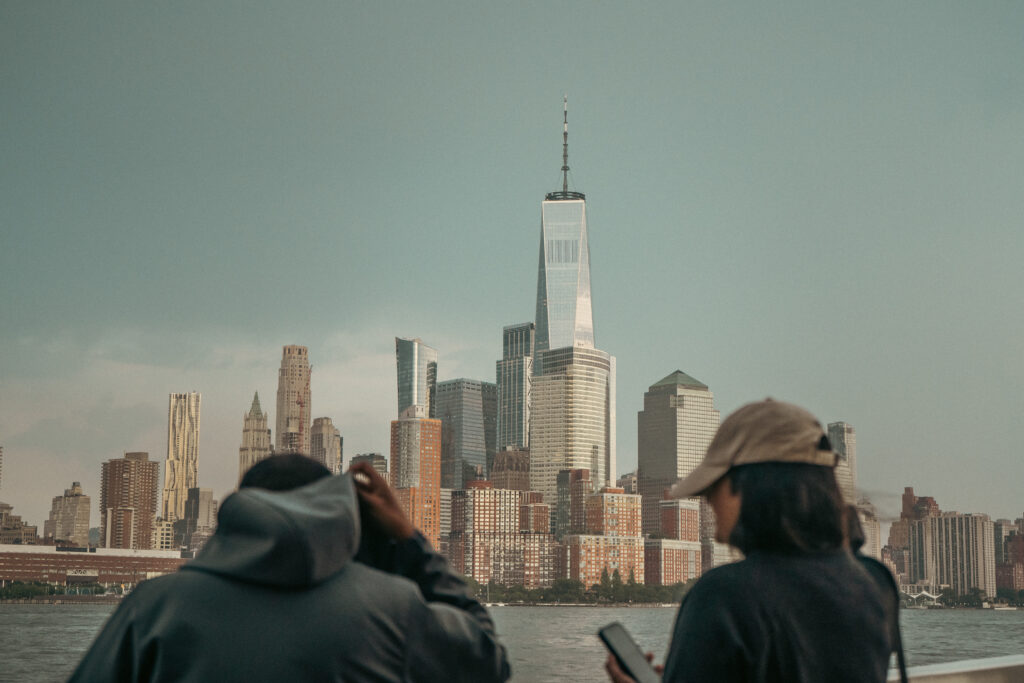
every visitor becomes a broadcaster.
One viral subway failure can spread globally in minutes.
One spectacular skyline moment can generate millions in destination marketing value overnight.
The tourism battlefield now exists largely on smartphones.
🌎 New York is competing globally, not nationally
This is a key point often overlooked.
New York’s tourism competition is not just:
- Las Vegas
- Orlando
- Los Angeles
It is also competing against:
- London
- Paris
- Tokyo
- Singapore
- Dubai
Global travelers increasingly compare cities internationally based on:
- safety
- transportation
- event quality
- hospitality experience
- digital convenience
So these programs are partially about defending New York’s position as a premier global city.
💰 The economics behind mega-event tourism
Major sporting events can generate:
- hotel taxes
- restaurant spending
- transportation revenue
- retail purchases
- sponsorship deals
- employment spikes
But cities have become more cautious.
There is growing skepticism globally around:
- public spending on mega-events
- infrastructure cost overruns
- unequal economic distribution
So modern host cities increasingly emphasize:
measurable community benefit.
That is why local business integration is now politically important.
⚖️ The challenge: balancing spectacle and livability
Large-scale tourism growth can create friction for residents.
Potential concerns include:
- overcrowding
- transit strain
- rising prices
- security restrictions
- neighborhood disruption
New York’s challenge is maintaining:
- tourist excitement
while preserving - everyday city functionality.
That balancing act is harder than most tourism campaigns admit.
🔮 What this signals for the future of tourism
The NYC program reflects a much larger global trend:
Tourism is evolving from:
passive sightseeing
into:
coordinated economic experience engineering.
Cities increasingly operate like brands:
- designing visitor narratives
- activating local culture strategically
- integrating events into long-term economic planning
The modern tourism economy is becoming deeply interconnected with:
- media systems
- infrastructure policy
- urban identity
- global competition
❓ FAQ: NYC tourism and the new mega-event program
1. What is the purpose of the new NYC tourism program?
The program is designed to prepare New York City and the surrounding region for major international sporting events while boosting tourism and local economic participation.
2. Why are sporting events so important economically?
They generate tourism spending, global media exposure, infrastructure investment, and long-term destination branding opportunities.
3. Will tourism benefits reach beyond Manhattan?
That appears to be a major goal, with broader neighborhood and borough-level participation expected.
4. How does social media affect tourism today?
Travel experiences now spread instantly online, making visitor-generated content a major factor in city branding.
5. What challenges could NYC face?
Transportation strain, overcrowding, security management, and balancing resident needs with tourism demand.
6. Is this just about one event?
No. The broader strategy is to convert temporary global attention into long-term tourism and economic growth.
🧭 Final thought
New York’s new tourism initiative is not really about tourism alone.
It is about visibility, competition, and the economics of global attention.
In the modern world, cities are no longer merely places where people live.
They are:
- media products
- experience platforms
- cultural brands competing for global relevance
And mega-events have become the engines that accelerate all of it.
For New York, the real objective is not simply to host the world for a few weeks.
It is to make the world keep coming back long after the stadium lights go dark.
Sources NYC

