
New Brunswick is trying to rethink tourism before it gets left behind.
The province’s latest tourism strategy is not simply a marketing campaign designed to attract vacationers. It is part of a much larger effort to address:
- economic stagnation
- population challenges
- seasonal business vulnerability
- rural decline
- global competition for travelers
In many ways, tourism has become one of the province’s most realistic growth engines.
And that reality is reshaping how New Brunswick thinks about itself.
🌊 Why tourism matters so much to New Brunswick
Unlike larger provinces with massive industrial or financial sectors, New Brunswick’s economy is more dependent on:
- small business ecosystems
- regional industries
- seasonal employment
- local entrepreneurship
Tourism supports:
- hotels and accommodations
- restaurants and cafés
- tour operators
- transportation services
- artisans and cultural businesses
- outdoor recreation economies
But in Atlantic Canada, tourism is often more than an industry.
It is:
a survival mechanism for smaller communities.
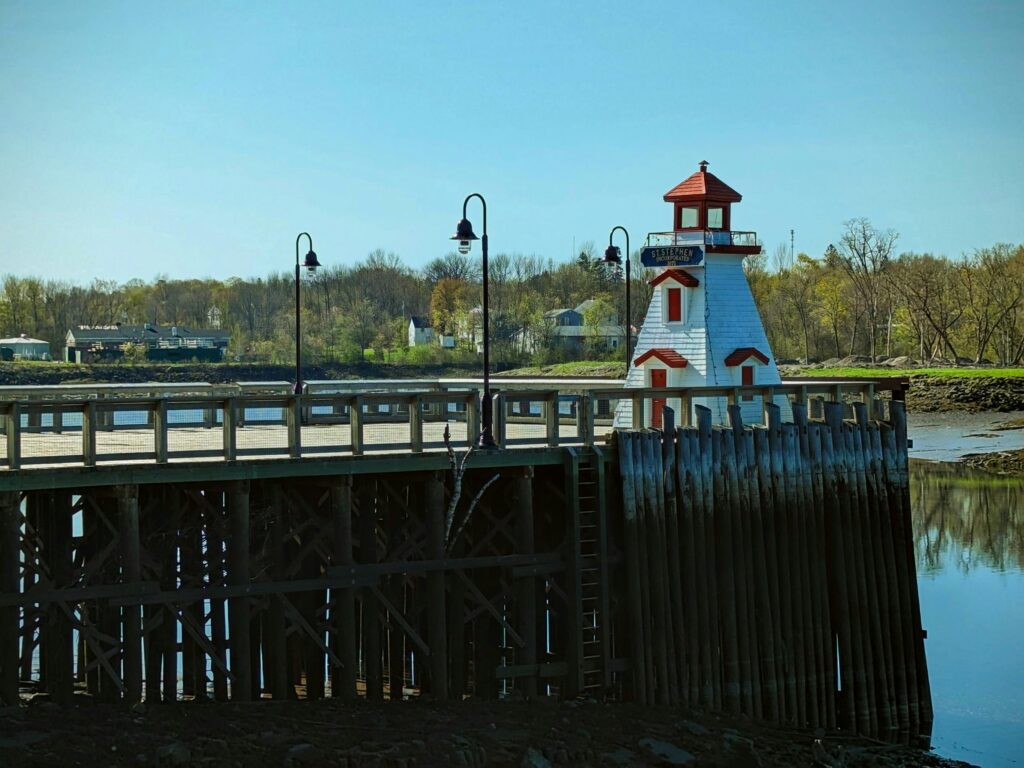
In many rural areas, visitor spending helps keep local economies functioning during critical months of the year.
🧭 The province wants to move beyond “drive-through tourism”
One of the biggest long-term problems facing New Brunswick is that many travelers historically treated it as:
a place you pass through on the way somewhere else.
Tourists driving toward:
- Nova Scotia
- Prince Edward Island
- Quebec
often spent little time staying in New Brunswick itself.
The new tourism strategy appears focused on changing that dynamic by encouraging:
- longer stays
- destination-based travel
- experience tourism
- regional exploration
The goal is not just more visitors.
It is:
deeper economic engagement per visitor.
🌲 Nature tourism is becoming central
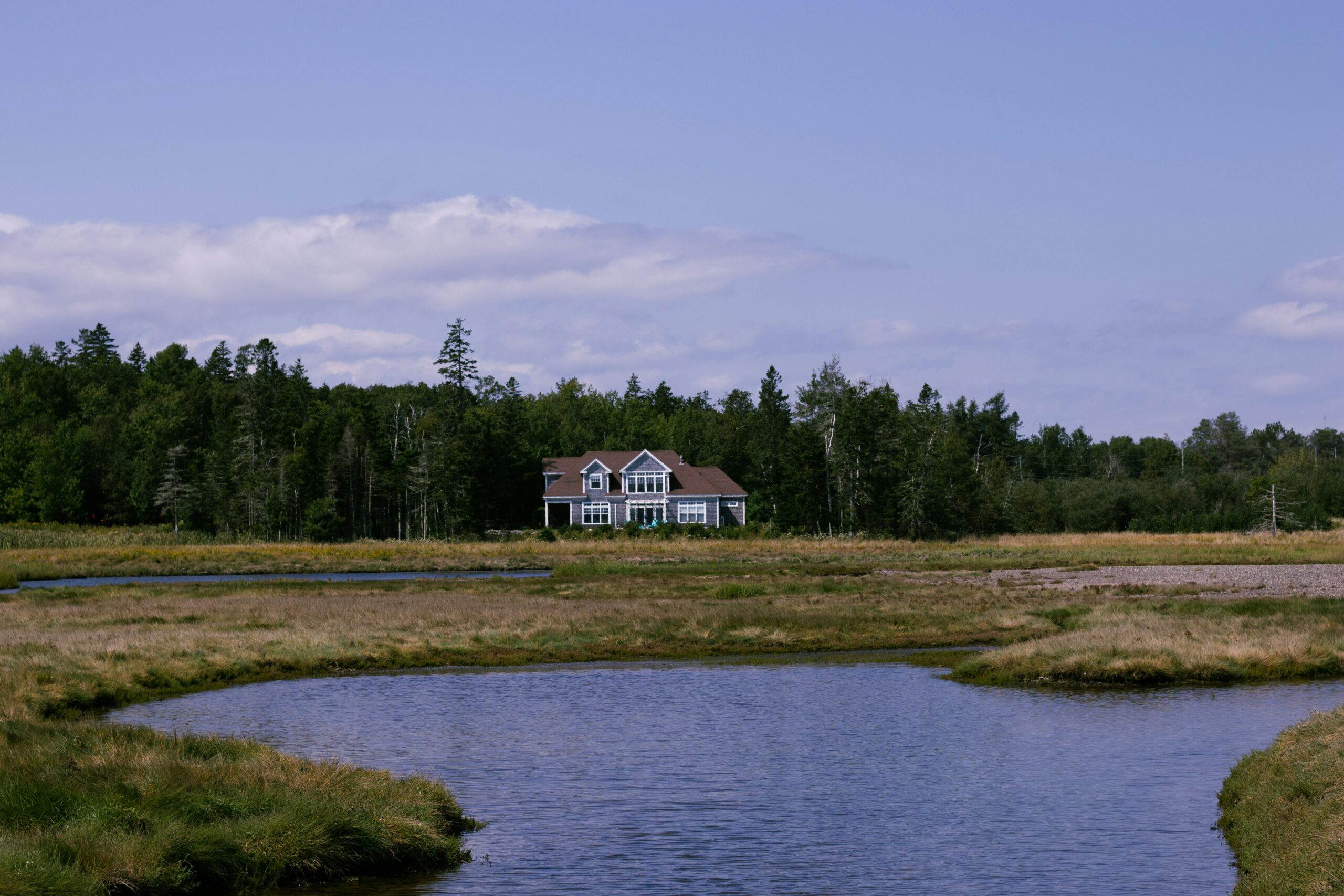
New Brunswick’s greatest tourism advantage may be its natural landscape.
The province offers:
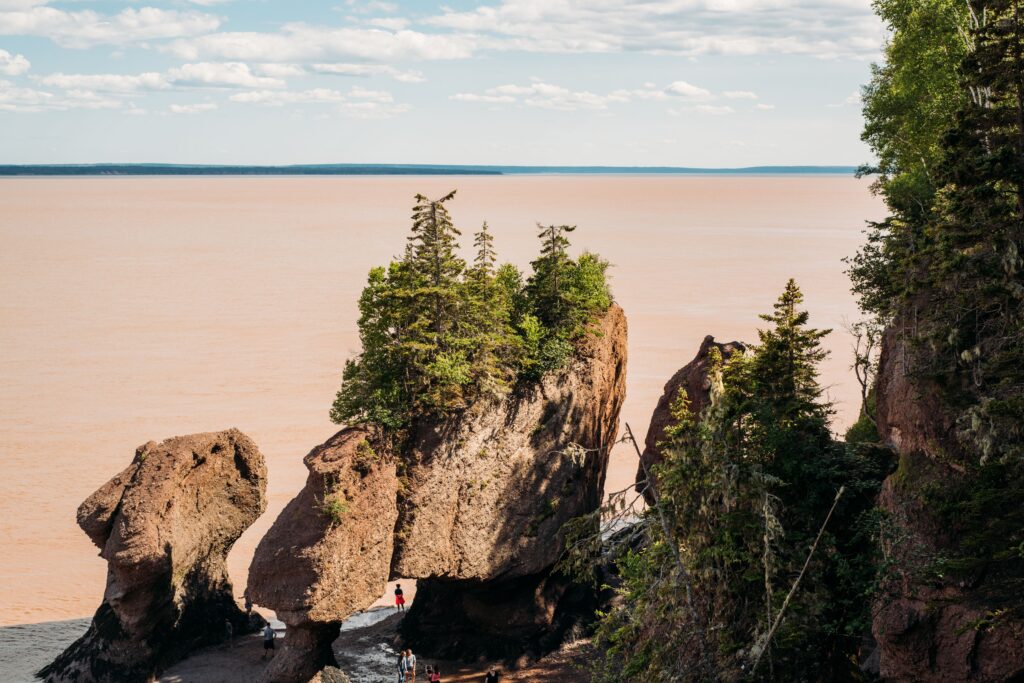
- Bay of Fundy coastal experiences
- forests and hiking routes
- rivers and kayaking tourism
- whale watching
- camping and eco-tourism opportunities
As global travelers increasingly seek:
- outdoor experiences
- wellness travel
- slower tourism
- nature-focused vacations
New Brunswick’s positioning suddenly looks much stronger than it did a decade ago.
Ironically, the province’s relative lack of overdevelopment may now be one of its biggest strengths.
🏘️ Rural tourism is now an economic strategy
Many small towns in New Brunswick face:
- population decline
- aging demographics
- youth migration to larger cities
Tourism is increasingly viewed as a way to:
- support local businesses
- preserve communities
- generate seasonal employment
- attract outside spending
This is why tourism planning in the province often overlaps with:
- rural development policy
- infrastructure investment
- community revitalization
In other words:
tourism is being treated as regional economic policy.
🍽️ Food and cultural tourism are expanding
The province is also trying to diversify beyond scenery alone.
There is growing emphasis on:
- Acadian culture and heritage tourism
- seafood and culinary tourism
- local breweries and distilleries
- festivals and music events
- Indigenous cultural experiences
Modern travelers increasingly want:
- stories
- local identity
- authentic experiences
not just sightseeing.
That shift benefits provinces with strong cultural distinctiveness.
🚗 Accessibility remains one of the biggest challenges
New Brunswick’s tourism ambitions face a practical problem:
geography.
The province is less accessible internationally compared to major tourism hubs.
Challenges include:
- limited direct international flights
- long driving distances
- transportation infrastructure gaps
- seasonal travel fluctuations
This makes marketing alone insufficient.
Tourism growth also depends heavily on:
- transportation connectivity
- digital visibility
- regional travel partnerships
📱 Tourism marketing has completely changed
The old tourism model relied heavily on:
- brochures
- highway signs
- television ads
Today, tourism demand is increasingly shaped by:
- TikTok travel videos
- Instagram photography
- YouTube travel creators
- online reviews and algorithms
That changes everything for smaller provinces.
A single viral coastal clip can suddenly generate international attention that traditional campaigns never achieved.
But it also means:
destinations must constantly compete for digital visibility.
🧠 The real challenge: keeping tourism sustainable
New Brunswick faces a delicate balancing act.
It wants:
- more visitors
- more spending
- more economic activity
But it also wants to avoid:
- overtourism
- environmental damage
- loss of local identity
This is a major lesson learned from larger tourism destinations worldwide.
The province has an opportunity to build tourism growth more carefully before mass-scale pressure emerges.
🌍 Climate change may reshape Atlantic tourism
Climate change creates both risks and opportunities for New Brunswick tourism.
Risks include:
- coastal erosion
- severe weather events
- ecosystem stress
But warming travel patterns may also increase interest in:
- cooler summer destinations
- nature-focused travel
- lower-density tourism regions
Atlantic Canada could become more attractive as travelers increasingly avoid:
- overcrowded cities
- extreme heat destinations
That possibility is beginning to influence long-term tourism planning.
💼 Workforce shortages remain a major issue
Like many tourism economies, New Brunswick struggles with:
- seasonal labor shortages
- hospitality staffing gaps
- youth outmigration
Tourism growth means little if businesses cannot:
- hire workers
- maintain service quality
- operate year-round sustainably
This labor challenge may become one of the province’s biggest long-term tourism constraints.
🔮 What the future strategy likely focuses on
Several trends are likely shaping New Brunswick’s long-term tourism vision:
1. Experience-based tourism
Travelers increasingly seek immersive local experiences instead of generic vacations.
2. Four-season tourism
Reducing dependence on summer-only visitor traffic.
3. Sustainable growth
Protecting environmental and community quality while expanding tourism revenue.
4. Regional partnerships
Working more closely with neighboring Atlantic provinces to strengthen travel flows.
❓ FAQ: New Brunswick tourism strategy
1. Why is tourism important to New Brunswick?
Tourism supports small businesses, rural economies, employment, and regional development across the province.
2. What is the province trying to improve?
Longer visitor stays, higher tourism spending, and stronger destination branding.
3. What are New Brunswick’s biggest tourism strengths?
Natural scenery, outdoor recreation, coastal experiences, Acadian culture, and lower-density travel experiences.
4. What challenges does the province face?
Accessibility, transportation limitations, seasonal tourism dependence, and workforce shortages.
5. Is New Brunswick trying to avoid overtourism?
Yes. Sustainability and community-focused growth are increasingly important parts of tourism planning.
6. Could climate change affect tourism in Atlantic Canada?
Yes. It may both threaten coastal ecosystems and increase demand for cooler, nature-based destinations.
🧭 Final thought
New Brunswick’s tourism strategy is not really about selling vacations.
It is about redefining how a smaller province competes in a world where:
- travelers want authenticity
- rural economies need reinvention
- digital visibility shapes global attention
- and sustainability matters more than scale
For years, places like New Brunswick were seen as quiet corners of Canada.
Now those same qualities —
space, nature, slowness, community —
may become some of the most valuable tourism assets of all.
Sources CBC

