
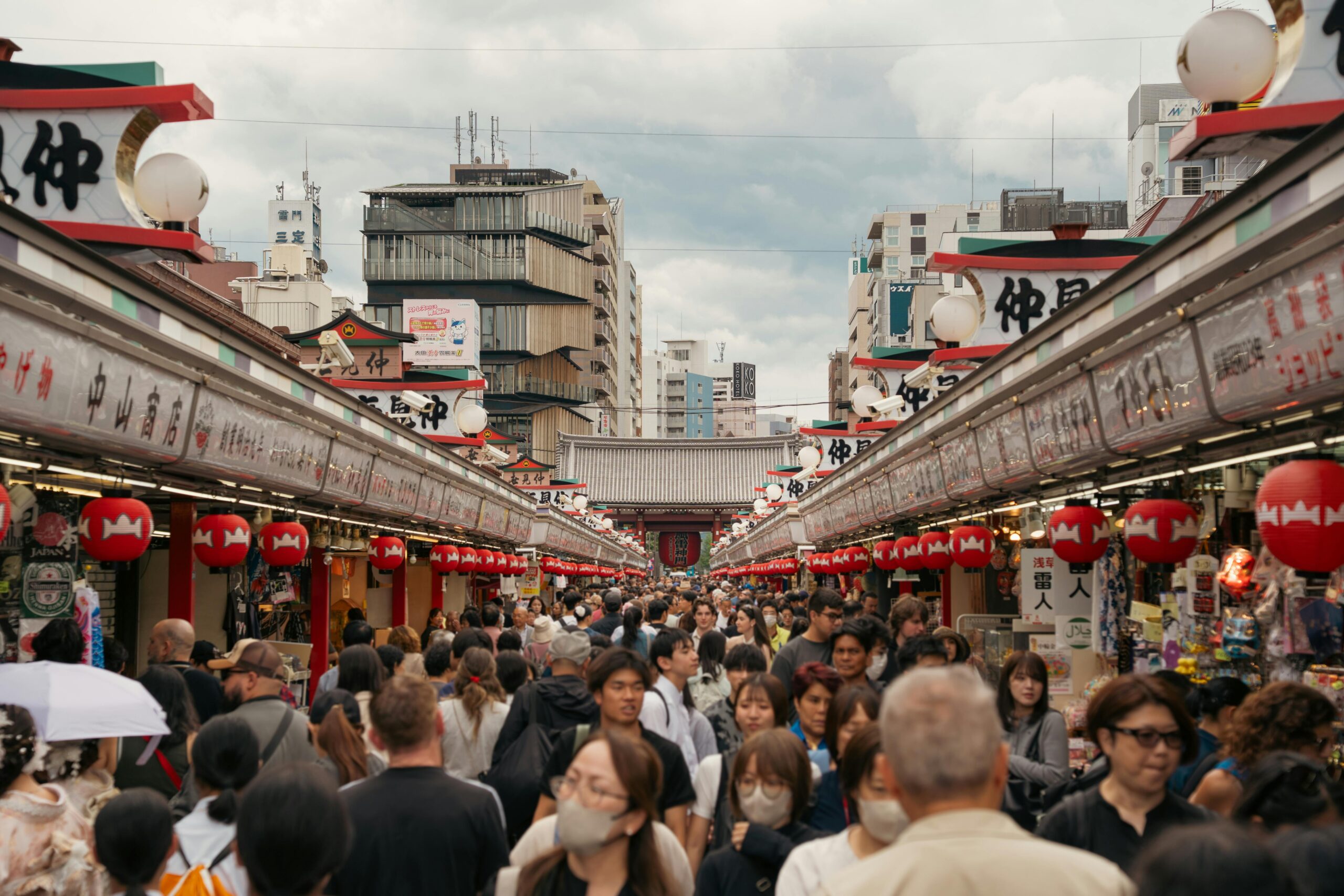
Japan’s tourism industry is experiencing a remarkable transformation.
After years of promoting inbound tourism as a key driver of economic growth, the country has successfully attracted record numbers of international visitors. Historic cities, scenic landscapes, world-famous cuisine, anime culture, and a favorable exchange rate have helped make Japan one of the world’s most sought-after travel destinations.
But as foreign visitor numbers continue to climb, a growing debate has emerged across the country.
Should foreign tourists continue receiving special discounts and incentives designed to attract visitors? Or should residents receive greater priority as local communities grapple with overcrowding, rising costs, and infrastructure pressures?
The discussion reflects a broader challenge facing many popular destinations worldwide: how to balance tourism growth with the interests of local residents.
Recent criticism has focused on programs that offer foreign visitors discounted transportation passes, tax-free shopping benefits, and tourism subsidies that are generally unavailable to Japanese residents. Some local governments and tourism operators have begun reconsidering these policies as public opinion shifts.
Japan’s Tourism Boom Has Exceeded Expectations
Japan’s tourism strategy has been extraordinarily successful.
The country welcomed approximately 42.7 million international visitors in 2025, setting a new record and moving closer to the government’s long-term target of attracting 60 million annual visitors by 2030.
Tourism has become one of Japan’s most important economic sectors.
International visitors contribute billions of dollars annually through spending on:
- Hotels
- Restaurants
- Transportation
- Retail shopping
- Entertainment
- Cultural attractions
In economic terms, inbound tourism is now considered one of Japan’s largest export industries because foreign visitor spending injects money directly into the domestic economy.
Why Foreign Tourists Receive Special Benefits
For many years, Japan actively encouraged international tourism through a variety of incentives.
These benefits included:
- Tax-free shopping programs
- Special regional rail passes
- Discounted transportation packages
- Tourism promotion campaigns
- Multilingual services
- Travel subsidies in selected regions
The goal was simple: make Japan more attractive and competitive compared with other international destinations.
At a time when Japan sought to revive regional economies and offset demographic challenges, attracting foreign visitors was widely viewed as an economic necessity.
The Growing Backlash
As visitor numbers surged, attitudes began changing.
Many residents in heavily visited destinations now argue that some benefits appear unfair because taxpayers help support infrastructure that tourists use while locals sometimes pay higher effective costs for transportation, attractions, or public services.
Critics ask a simple question:
Why should visitors receive discounts that local residents cannot access?
The debate has become particularly visible in destinations experiencing overtourism.
Overtourism Is Changing Public Opinion
The term “overtourism” has become increasingly common in Japan.
Popular destinations such as Kyoto, Mount Fuji, Tokyo’s Shibuya district, and parts of Osaka have experienced significant congestion during peak travel periods. Local governments have introduced measures aimed at managing visitor behavior and reducing pressure on communities.
Examples include:
- Visitor caps on Mount Fuji climbing routes
- Restrictions in overcrowded photography locations
- New rules targeting littering and public behavior
- Enhanced crowd management systems
In June 2026, Tokyo’s Shibuya Ward began issuing on-the-spot fines for littering as authorities responded to growing concerns about waste and public conduct amid rising tourist volumes.
The Dual-Pricing Debate
One of the most controversial proposals involves “dual pricing.”
Under this system, foreign visitors would pay higher admission fees than local residents at selected attractions.
Supporters argue that:
- Tourists place additional pressure on infrastructure.
- Revenue can help fund maintenance and preservation.
- Residents already contribute through taxes.
- Higher prices can help manage overcrowding.
Several Japanese attractions and local governments have discussed or explored versions of this model. Similar systems already exist in various countries around the world.
Opponents argue that dual pricing risks damaging Japan’s reputation for hospitality and could be perceived as discriminatory if implemented poorly.
Why Local Governments Are Reconsidering Tourist Discounts
The recent debate is not solely about fairness.
Local governments face increasing financial pressures.
Maintaining tourism infrastructure requires significant investment in:
- Public transportation
- Waste management
- Security
- Multilingual services
- Historic preservation
- Visitor information systems
As tourism volumes rise, these costs also increase.
Some policymakers believe subsidies designed to attract tourists made sense when visitor numbers were lower, but may no longer be necessary now that demand is exceptionally strong.
The Economic Argument for Maintaining Benefits
The tourism industry generally views the issue differently.
Hotels, airlines, retailers, and tourism operators argue that incentives remain important because international tourism is highly competitive.
Travelers today can choose between:
- Japan
- South Korea
- Thailand
- Taiwan
- Singapore
- Europe
- North America
Even small pricing differences can influence travel decisions.
Industry advocates warn that reducing visitor incentives too aggressively could weaken Japan’s competitive position over time.
The Weak Yen Factor
Another factor driving the debate is Japan’s currency.
The relatively weak yen has made Japan significantly more affordable for many foreign travelers in recent years.
As a result, tourists often enjoy purchasing power that exceeds that of many local residents.
Some Japanese citizens argue that foreign visitors are already receiving a substantial economic advantage through exchange rates and therefore do not require additional subsidies or discounts.
Tourism Benefits Are Not Distributed Equally
An important aspect often overlooked is geography.
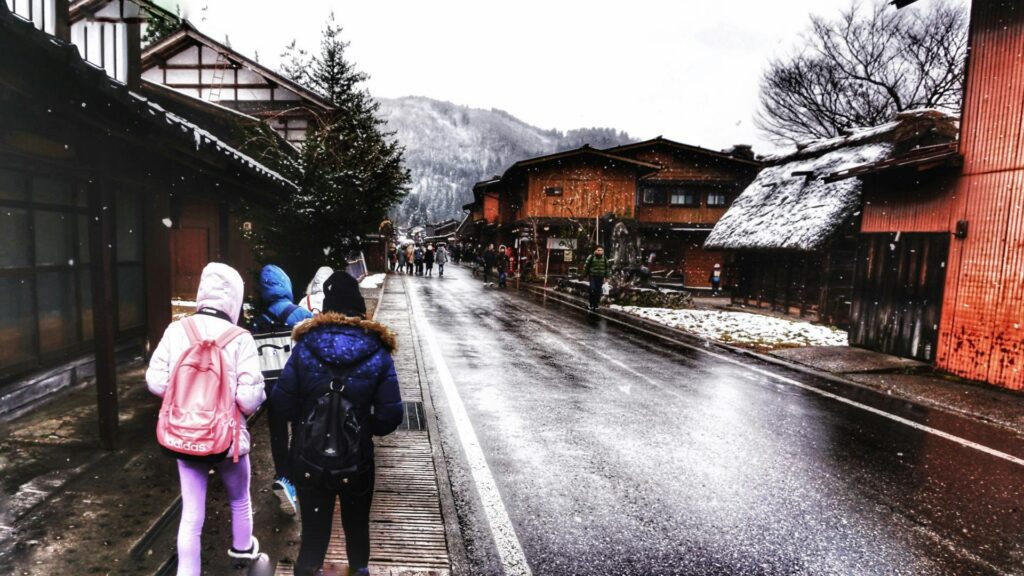
While cities such as Tokyo, Kyoto, and Osaka experience heavy visitor traffic, many rural regions still struggle to attract tourists.
For these communities, visitor incentives may remain highly valuable.
Tourism spending can support:
- Small businesses
- Family-owned inns
- Local restaurants
- Cultural attractions
- Regional transportation services
The challenge for policymakers is creating tourism policies that reflect local conditions rather than applying one national approach everywhere.
Lessons From Other Countries
Japan is not alone in facing these questions.
Popular destinations worldwide have introduced measures such as:
- Tourist taxes
- Higher visitor fees
- Reservation systems
- Daily visitor limits
- Seasonal restrictions
Cities including Venice, Barcelona, Amsterdam, and Dubrovnik have all experimented with policies designed to balance tourism growth with local quality of life.
Japan’s debate reflects a broader global shift toward managing tourism rather than simply maximizing visitor numbers.
The Future of Tourism in Japan
Japan’s long-term tourism strategy appears to be entering a new phase.
The focus is gradually shifting from attracting as many visitors as possible toward questions of:
- Sustainability
- Community impact
- Infrastructure capacity
- Visitor behavior
- Regional distribution
- Economic value per visitor
Rather than asking how many tourists Japan can attract, policymakers increasingly ask what kind of tourism growth best serves both visitors and residents.
Conclusion
The debate over benefits for foreign tourists highlights a broader transformation taking place across Japan.
For years, the challenge was attracting more visitors. Today, the challenge is managing success.
Special discounts, tax-free shopping programs, and visitor incentives helped fuel Japan’s tourism boom. But as record numbers of travelers arrive each year, many communities are reassessing whether those policies still make sense.
The future of Japanese tourism will likely depend on finding a balance—one that continues welcoming international visitors while ensuring local residents also benefit from the industry’s growth.
As Japan moves toward its ambitious tourism goals for 2030, the conversation is no longer simply about increasing visitor numbers. It is about creating a tourism model that remains sustainable, equitable, and beneficial for everyone involved.
Frequently Asked Questions (FAQ)
1. Why are some Japanese people criticizing benefits for foreign tourists?
Many residents believe certain discounts and incentives were created when Japan needed to attract more visitors. With tourism now at record levels, critics argue that locals should not be excluded from benefits funded through public resources.
2. What kinds of benefits do foreign tourists receive in Japan?
Common benefits include tax-free shopping, discounted transportation passes, tourism promotions, multilingual services, and special travel packages designed specifically for international visitors.
3. What is dual pricing in tourism?
Dual pricing is a system where foreign visitors pay different admission fees than local residents. Supporters say it helps fund infrastructure and manage overcrowding, while critics argue it may create fairness concerns.
4. Is overtourism becoming a serious issue in Japan?
Yes. Several destinations, including Kyoto, Mount Fuji, and parts of Tokyo, have introduced measures to address overcrowding, visitor behavior, and pressure on local infrastructure.
5. Will Japan continue encouraging international tourism?
Almost certainly. Tourism remains a major economic driver, and Japan still aims to attract around 60 million annual visitors by 2030. However, future policies are likely to place greater emphasis on sustainability, regional tourism development, and balancing visitor growth with local quality of life.
Sources The Japan Times

