
When people think about tourism in Mexico, images of Cancún’s beaches, Cabo San Lucas resorts, and Puerto Vallarta sunsets often come to mind.
For many travelers—and even some locals—it can feel as though Mexico is already overflowing with tourists.
Yet a growing number of tourism leaders, economists, and policymakers argue the opposite: Mexico does not have too many tourists. In fact, the country may need millions more visitors to unlock its full economic potential.
The real challenge is not the number of tourists arriving in Mexico. The challenge is where they go, how long they stay, how much they spend, and whether tourism growth benefits communities beyond the country’s most famous destinations.
Recent discussions within Mexico’s tourism industry suggest that the nation is entering a new phase of development—one focused on expanding tourism into lesser-known regions while ensuring that growth remains sustainable and economically beneficial. Mexico welcomed nearly 48 million international tourists in 2025, making it one of the world’s most visited countries, yet many regions still receive very few foreign visitors.
Mexico’s Tourism Success Story
Tourism has become one of Mexico’s most important economic sectors.
According to estimates cited by tourism industry leaders, tourism contributes more than 8% directly to Mexico’s GDP, while its total direct and indirect economic impact may approach 15% of national economic output. The industry also supports millions of jobs across hotels, restaurants, transportation, entertainment, retail, and local services.
The country’s appeal is easy to understand.
Mexico offers:
- World-class beaches
- Ancient archaeological sites
- Colonial cities
- Diverse cuisine
- Cultural festivals
- Ecotourism opportunities
- Luxury resorts
- Adventure tourism
- Affordable travel experiences
From the Caribbean coast to the Pacific Ocean and from desert landscapes to mountain villages, Mexico possesses one of the most diverse tourism portfolios in the world.
Why Mexico Still Has Room for More Visitors
The idea that Mexico needs more tourists may sound surprising.
However, tourism experts point to several statistics that tell a different story.
Compared to major tourism powers such as Spain, France, and the United Kingdom, Mexico receives significantly fewer international visitors relative to its population and land area. While some destinations feel crowded during peak seasons, vast portions of the country remain largely undiscovered by international travelers.
In simple terms, tourism in Mexico is highly concentrated.
Millions of visitors travel to a relatively small number of destinations, while dozens of equally attractive regions receive only a fraction of that attention.
This imbalance creates an opportunity.
Rather than simply increasing visitor numbers in already crowded areas, Mexico can expand tourism by encouraging travelers to explore new destinations.
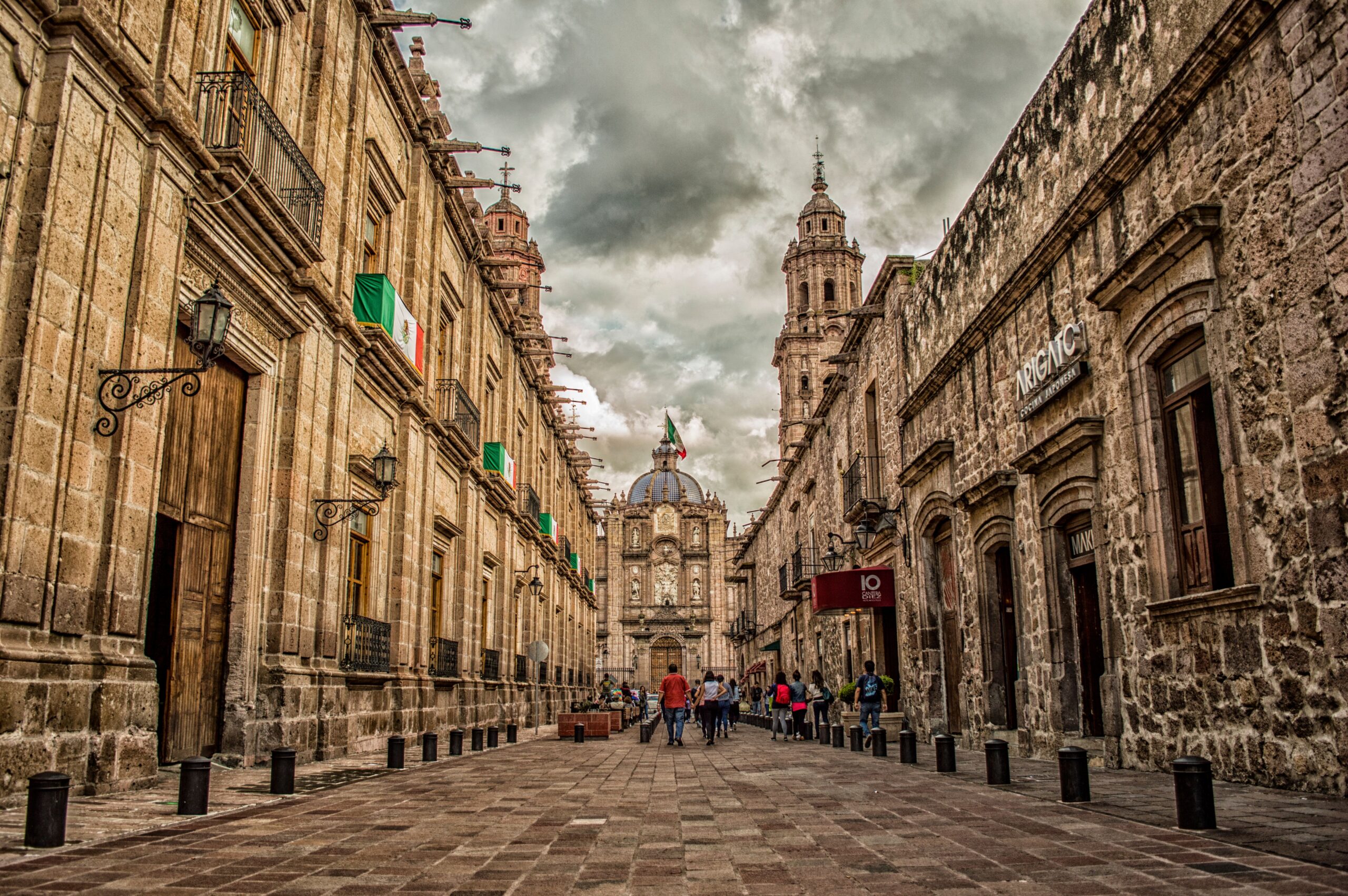
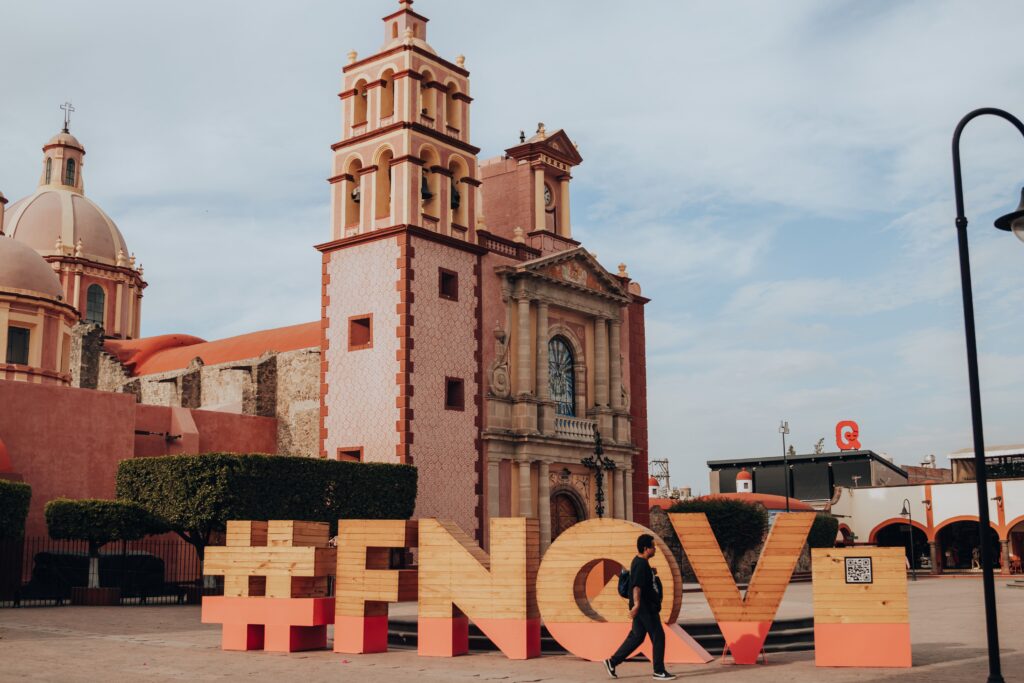
The Hidden Mexico Most Tourists Never See
Many international visitors never venture beyond the country’s best-known resort cities.
Yet some of Mexico’s most remarkable destinations remain relatively unknown internationally.
These include:


Zacatecas
Known for its stunning colonial architecture, mining history, and UNESCO-listed historic center, Zacatecas offers cultural experiences comparable to some of Europe’s most famous heritage cities.
Huasteca Potosina
Located in the state of San Luis Potosí, this region features turquoise rivers, waterfalls, caves, and adventure tourism opportunities that remain largely undiscovered by foreign travelers.
Oaxaca
While gaining popularity, Oaxaca City still has enormous growth potential due to its culinary reputation, Indigenous heritage, and vibrant arts scene.
Guerrero Beyond Acapulco
Although Acapulco remains famous, other destinations in the region offer beaches, ecotourism, and cultural attractions that receive far fewer visitors.
According to Mexico’s tourism leadership, encouraging travel to these regions is becoming a national priority.
Tourism as an Economic Development Tool
One reason policymakers support tourism growth is its ability to create jobs in regions that may lack other economic opportunities.
Unlike manufacturing, tourism often benefits a broad range of local businesses.
Tourism spending supports:
- Family-owned hotels
- Restaurants
- Tour guides
- Transportation providers
- Artisans
- Farmers
- Cultural performers
- Retail businesses
In smaller communities, even modest increases in tourism can significantly improve local incomes and reduce the need for residents to migrate to larger cities in search of work.
Why Tourism Matters in the AI Era
An increasingly important economic argument involves automation.
As artificial intelligence, robotics, and advanced manufacturing technologies continue evolving, some economists believe countries heavily dependent on manufacturing may need to diversify their economies.
Tourism is often viewed as a sector that remains difficult to automate completely.
While AI can assist with reservations and customer service, travelers still seek:
- Human interaction
- Cultural experiences
- Local knowledge
- Hospitality services
- Guided tours
- Authentic experiences
For this reason, some business leaders see tourism as an important pillar of future economic resilience.
The Maya Train and Regional Tourism Development
One of Mexico’s most ambitious tourism projects is the Maya Train.
The railway aims to connect major destinations across southeastern Mexico while encouraging visitors to explore smaller communities and attractions along the route.
The project seeks to:
- Improve accessibility
- Distribute tourism spending
- Support local businesses
- Create new tourism products
- Encourage longer stays
Government agencies are working with communities along the route to help develop tourism experiences that can attract domestic and international visitors.
The World Cup Opportunity
Mexico’s role as a co-host of the 2026 FIFA World Cup presents another major tourism opportunity.
The tournament is expected to attract millions of visitors and generate billions of dollars in economic activity through tourism spending, temporary jobs, and infrastructure improvements.
Beyond the host cities, tourism officials hope World Cup visitors will extend their trips to explore other regions of the country.
This could expose international travelers to destinations they might not otherwise consider.
The Challenge of Sustainable Growth
While tourism growth creates opportunities, it also presents challenges.
Several destinations around the world have struggled with overtourism, including parts of Spain, Italy, and France.
Mexico faces a balancing act.
The goal is not necessarily to pack more tourists into already crowded destinations.
Instead, policymakers increasingly emphasize:
- Geographic diversification
- Environmental protection
- Community participation
- Sustainable development
- Cultural preservation
Recent government decisions to promote ecotourism and protect environmentally sensitive areas demonstrate growing awareness of these concerns.
Infrastructure Will Be Critical
Tourism growth depends heavily on infrastructure.
Key areas include:
- Airports
- Roads
- Rail systems
- Digital connectivity
- Public transportation
- Hospitality facilities
Mexico continues investing in transportation and tourism infrastructure to improve accessibility and visitor experiences.
As visitor numbers grow, maintaining high-quality infrastructure will become increasingly important.
Safety and Perception Remain Important
One factor influencing future tourism growth is international perception.
While many of Mexico’s tourism destinations remain highly popular and safe for millions of visitors each year, security concerns continue to influence travel decisions in some regions. Travelers are increasingly encouraged to research destination-specific conditions rather than making assumptions about the country as a whole.
Improving safety, transparency, and traveler confidence will remain essential components of long-term tourism growth.
The Future of Mexican Tourism
Mexico’s tourism industry appears poised for continued expansion.
Recent data indicates strong growth in international arrivals and tourism-related economic activity during 2026. Tourism employment has also reached record levels, highlighting the sector’s importance to the broader economy.
The country’s long-term success may depend less on attracting more tourists to well-known beach resorts and more on introducing visitors to the extraordinary destinations they have never heard of.
If Mexico succeeds in distributing tourism more evenly across the country, it could generate substantial economic benefits while avoiding some of the overtourism problems experienced elsewhere.
Conclusion
The debate about whether Mexico needs more tourists misses a crucial point.
The country does not necessarily need more visitors in the places already receiving millions each year.
What Mexico needs is broader tourism development that helps travelers discover the nation’s lesser-known regions, supports local communities, and spreads economic opportunity more evenly.
With nearly 48 million international visitors annually and significant room for growth compared with other major tourism destinations, Mexico’s next chapter may not be about attracting tourists—it may be about helping them discover a different side of the country.
Frequently Asked Questions (FAQ)
1. Does Mexico really need more tourists?
Yes, according to many tourism industry leaders. While some destinations experience crowding, large parts of Mexico remain relatively untouched by international tourism. Experts argue that growth should focus on expanding tourism into under-visited regions rather than concentrating more visitors in existing hotspots.
2. How important is tourism to Mexico’s economy?
Tourism is one of Mexico’s largest economic sectors. It contributes more than 8% directly to GDP and may account for nearly 15% of economic activity when indirect impacts are included. Millions of jobs depend on tourism-related industries.
3. What are some underrated destinations in Mexico?
Popular emerging destinations include Zacatecas, the Huasteca Potosina region, Oaxaca, Ixtapa-Zihuatanejo, and various communities along the Maya Train route. These areas offer cultural, historical, natural, and adventure tourism experiences with fewer crowds.
4. How will the 2026 FIFA World Cup affect Mexican tourism?
The World Cup is expected to bring millions of visitors and billions of dollars in economic activity. Officials hope many visitors will explore destinations beyond the host cities, helping distribute tourism spending throughout the country.
5. What is the biggest challenge facing Mexico’s tourism industry?
The primary challenge is balancing growth with sustainability. Mexico must expand tourism while protecting natural resources, preserving local cultures, maintaining infrastructure quality, and ensuring that economic benefits reach local communities.
Sources Mexico News Daily

