

For decades, China built its global reputation as the world’s manufacturing powerhouse. Today, the country is pursuing a new ambition: becoming a leading destination for advanced medical care.
A growing number of international patients are traveling to China for treatments ranging from cancer therapies and orthopedic procedures to regenerative medicine and specialized diagnostics. What distinguishes China’s emerging medical tourism industry is that it is not primarily competing in cosmetic surgery or wellness retreats. Instead, it is increasingly attracting patients seeking access to cutting-edge treatments that may be unavailable, prohibitively expensive, or subject to lengthy waiting lists in their home countries.
The trend reflects China’s broader effort to transform its economy from one centered on manufacturing exports to one that also exports high-value services, including healthcare, biotechnology, and medical innovation.
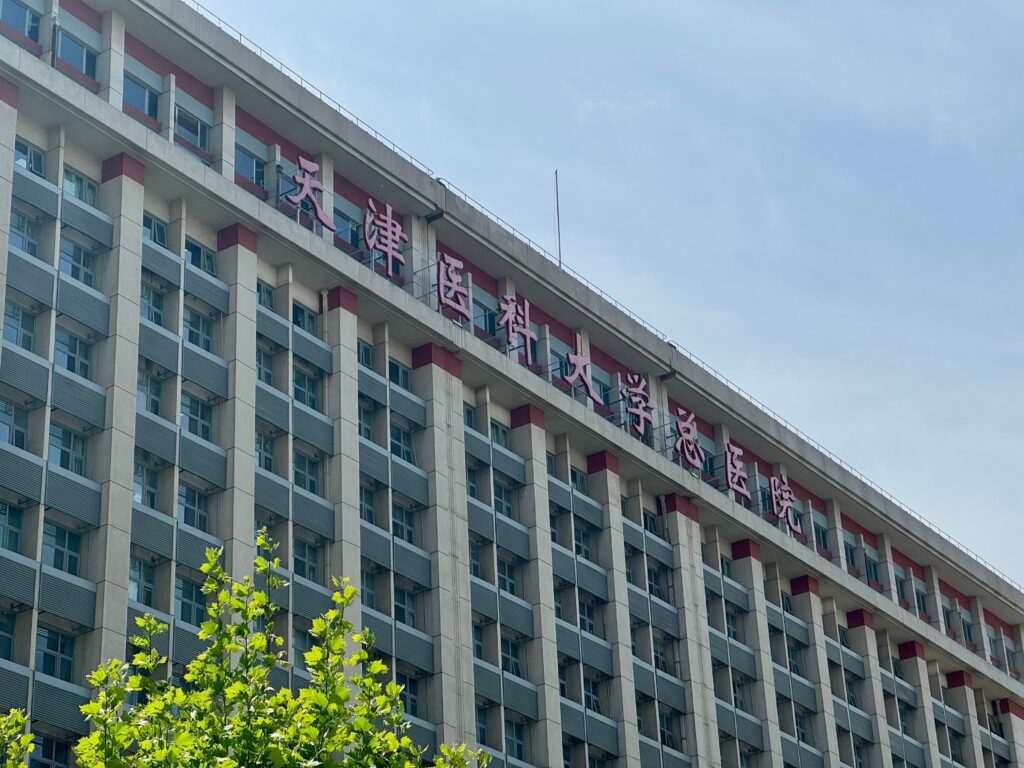
Why Foreign Patients Are Looking to China
Medical tourism is not new. Patients have long traveled to countries such as Thailand, Singapore, South Korea, India, and Turkey for healthcare services.
China’s rise is different because it is being driven largely by advanced treatments rather than traditional medical tourism offerings.
Several factors are attracting overseas patients:
- Faster access to treatment
- Lower treatment costs
- Expanding medical innovation
- Growing biotechnology sector
- Advanced cancer therapies
- Increasing visa accessibility
- Modern international hospitals
Many patients arrive after exhausting treatment options at home or encountering lengthy waiting periods within their national healthcare systems.
The CAR-T Revolution
One of the strongest drivers behind China’s medical tourism growth is CAR-T therapy, a highly advanced form of immunotherapy that modifies a patient’s own immune cells to target cancer.
China has emerged as one of the world’s most active centers for CAR-T research and clinical trials. Some patients travel specifically to access treatments that remain unavailable or difficult to obtain in their home countries.
Cost is another major factor.
In countries such as the United States and Australia, CAR-T treatments can cost hundreds of thousands of dollars. Similar therapies in China are often available at significantly lower prices, making them accessible to a broader range of international patients.
For patients with life-threatening illnesses, the combination of lower costs and faster access can be a compelling reason to seek treatment abroad.
China’s Growing Strength in Medical Innovation
The country’s medical tourism expansion is closely tied to its growing biotechnology sector.
Over the past decade, China has invested heavily in:
- Cell therapies
- Gene therapies
- Cancer research
- Precision medicine
- Artificial intelligence in healthcare
- Pharmaceutical development
- Clinical research infrastructure
China now conducts a large number of global clinical trials and has become an increasingly important source of medical innovation rather than simply adopting treatments developed elsewhere.
This shift has helped create a healthcare ecosystem capable of attracting international patients seeking access to new therapies.
The Role of International Hospitals
China’s healthcare system includes both public hospitals and a growing number of international medical centers designed specifically to serve foreign patients.
Many of these facilities offer:
- English-language services
- International patient departments
- Concierge care
- Dedicated care coordinators
- Overseas insurance support
- Cross-border medical records management
Recent regulatory reforms have also opened the door to greater foreign participation in China’s healthcare sector, including foreign-owned hospitals seeking to attract patients from Southeast Asia, the Middle East, Central Asia, and Eastern Europe.
Competing with Asia’s Medical Tourism Leaders
China is entering a highly competitive market.
Current leaders include:
- Thailand
- Singapore
- South Korea
- India
- Malaysia
- Turkey
Each country has developed specific strengths.
Thailand is known for affordable private healthcare and cosmetic procedures.
South Korea dominates medical aesthetics and plastic surgery.
Singapore specializes in premium healthcare and complex treatments.
India attracts patients seeking lower-cost major surgeries.
China is attempting to differentiate itself through advanced oncology, biotechnology, immunotherapy, and access to innovative treatments.
The Importance of Speed
One of China’s most significant competitive advantages is treatment speed.
In some Western healthcare systems, patients may wait weeks or months for specialist appointments, diagnostic scans, or surgical procedures.
Reports from patients and physicians suggest that Chinese hospitals can often move patients through consultations, imaging, diagnosis, and treatment far more quickly.
For serious illnesses such as cancer, speed can have a direct impact on outcomes, making shorter waiting times particularly attractive.

Government Support and Medical Tourism Zones
Chinese authorities have increasingly recognized medical tourism as a strategic growth sector.
One of the most notable initiatives is the Boao Lecheng International Medical Tourism Pilot Zone in Hainan Province.
The zone allows accelerated access to certain medical products, devices, and therapies that may not yet be widely available elsewhere in China. It has become a focal point for experimental treatments, international partnerships, and healthcare innovation.
Medical tourism aligns with broader government goals of:
- Expanding service exports
- Attracting foreign spending
- Supporting biotech development
- Enhancing China’s international image
Challenges That Could Slow Growth
Despite the momentum, China faces several obstacles before it can become a top-tier global medical tourism destination.
Language Barriers
Many hospitals still lack multilingual staff and international patient support services. Communication challenges can affect treatment experiences.
Insurance Compatibility
Integration with international health insurance systems remains limited compared with established medical tourism destinations.
Administrative Complexity
Foreign patients may face visa requirements, medical documentation issues, and regulatory hurdles when seeking treatment.
Reputation and Trust
Medical tourism depends heavily on international confidence. Some potential patients remain cautious about treatment quality, transparency, and regulatory oversight. Community discussions online reveal both enthusiastic supporters and skeptical critics of China’s healthcare system.
Post-Treatment Continuity
Follow-up care can be complicated when patients return home after receiving treatment abroad.
The Risks of Medical Tourism
Regardless of destination, medical tourism carries risks.
Potential concerns include:
- Limited follow-up care
- Travel-related complications
- Different regulatory standards
- Insurance coverage gaps
- Communication challenges
- Legal recourse limitations
Healthcare experts generally recommend obtaining multiple medical opinions and carefully evaluating both the hospital and treating physicians before traveling internationally for care. Concerns about complications from overseas procedures have been raised in several countries dealing with growing medical tourism flows.
The Future of Cross-Border Healthcare
The growth of medical tourism reflects a broader transformation in global healthcare.
Patients are becoming increasingly willing to cross borders for:
- Faster treatment
- Better outcomes
- Lower costs
- Access to innovation
As biotechnology advances and healthcare becomes more globally connected, competition among countries for international patients is expected to intensify.
China’s combination of medical research, lower costs, expanding healthcare infrastructure, and government support positions it as a potentially major player in the future of global healthcare services.
Conclusion
China’s medical tourism industry is moving beyond traditional wellness travel and into the realm of advanced healthcare. By leveraging strengths in biotechnology, cancer treatment, immunotherapy, and rapid healthcare delivery, the country is attracting patients seeking options that may be inaccessible or unaffordable elsewhere.
While challenges remain—including language barriers, insurance integration, and international trust—the trajectory is clear. China is increasingly positioning itself not only as a manufacturer of medical products but also as a destination for sophisticated medical care.
If current trends continue, the next decade could see China emerge as one of the most influential players in the global medical tourism industry.
Frequently Asked Questions (FAQ)
1. Why are foreign patients traveling to China for medical treatment?
Many patients seek faster access to advanced therapies, lower treatment costs, and innovative treatments that may not yet be available in their home countries.
2. What types of treatments are attracting medical tourists to China?
Advanced cancer treatments, CAR-T cell therapy, precision medicine, specialized diagnostics, orthopedic procedures, and regenerative medicine are among the fastest-growing areas.
3. Is medical treatment in China cheaper than in Western countries?
For certain advanced therapies, especially oncology treatments such as CAR-T, costs can be substantially lower than in countries like the United States or Australia while still offering access to cutting-edge care.
4. What challenges do foreign patients face when seeking treatment in China?
Common challenges include language barriers, insurance coverage limitations, visa requirements, medical documentation issues, and arranging follow-up care after returning home.
5. Can China compete with established medical tourism destinations like Thailand and Singapore?
China is unlikely to replace those destinations entirely, but it is carving out a unique niche in advanced medical treatments, biotechnology, and oncology care. Its future success will depend on improving international patient services while maintaining medical innovation leadership.
Sources Bloomberg

