
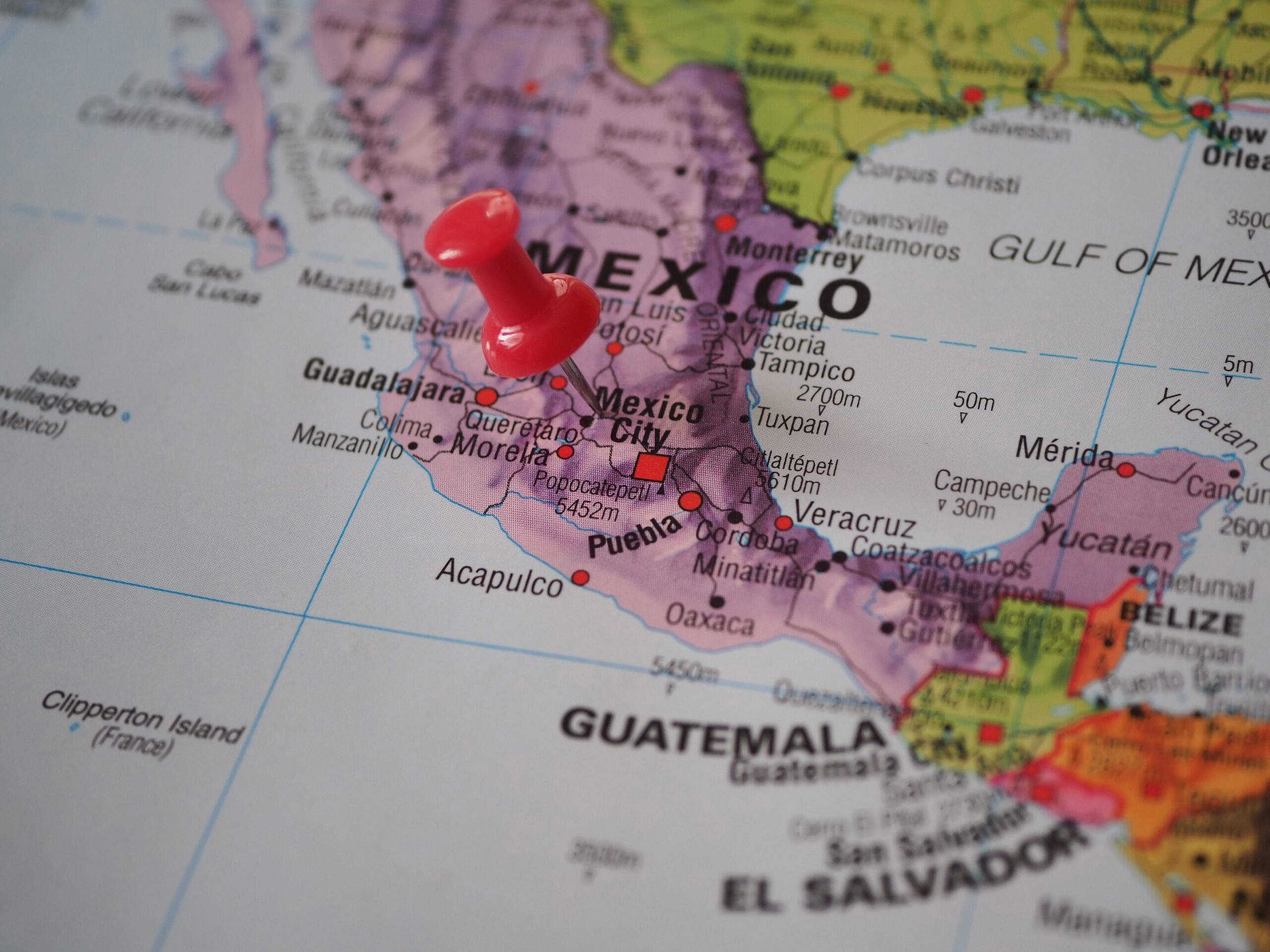
As the 2026 FIFA World Cup unfolds across North America, Mexico finds itself at the center of one of the largest sporting events in history. While football fans focus on matches and star players, Mexican business leaders, tourism operators, airlines, hotel groups, and government officials are looking at something much bigger: a once-in-a-generation opportunity to accelerate economic growth, attract investment, and reshape the country’s global image. Mexico is hosting 13 matches and is expected to welcome millions of international visitors during the tournament. Banxico estimates the World Cup could generate approximately US$1.03 billion in tourism-related revenue for the country.
The tournament is particularly significant because Mexico is making history as the first nation to host or co-host the FIFA World Cup three times, following the 1970 and 1986 editions.
The Largest World Cup Ever Held
The 2026 tournament marks a major evolution for international football.
Key features include:
- 48 national teams instead of 32
- 104 matches instead of 64
- 16 host cities across North America
- An expected audience of billions worldwide
- Millions of traveling supporters
The scale of the event means economic opportunities extend far beyond stadiums. Hotels, restaurants, airlines, retailers, transportation providers, technology firms, advertisers, and local businesses are all positioned to benefit.
Mexico’s Three Host Cities Take Center Stage
The tournament showcases three of Mexico’s most important urban centers:
Mexico City
Mexico’s capital hosts the opening match and remains the country’s primary tourism gateway. The iconic Estadio Azteca has become the first stadium in history to host World Cup opening matches across three different tournaments.
Guadalajara
Known for mariachi music, tequila culture, and a growing technology sector, Guadalajara expects significant tourism and hospitality gains during the tournament.
Monterrey
As one of Mexico’s most important industrial and business hubs, Monterrey is leveraging the World Cup to showcase its manufacturing, logistics, and innovation capabilities to international investors.
Tourism Could Reach New Heights
Tourism has long been one of Mexico’s most important economic sectors. The World Cup offers an opportunity to showcase not only famous destinations but also lesser-known regions.
Visitors arriving for matches may extend their trips to explore:
- Caribbean beaches
- Colonial cities
- Archaeological sites
- Culinary destinations
- Adventure tourism regions
- Luxury resorts
One of the biggest goals is encouraging visitors to return after the tournament ends.
Tourism experts often refer to this as the “legacy effect”—the idea that a successful mega-event can generate visitor growth for years afterward through global exposure and positive traveler experiences.
Airlines Are Expanding Capacity
The World Cup is creating a major boost for aviation across North America.
Airlines have added routes, increased frequencies, and expanded seat capacity to accommodate an estimated five million tournament-related travelers. Several carriers have introduced new connections linking Mexican host cities with major international markets.
This increased connectivity benefits Mexico beyond the tournament itself by strengthening long-term tourism and business travel networks.
Infrastructure Investments Extend Beyond Stadiums
While much attention focuses on football venues, many investments are occurring outside stadium walls.
Projects include:
- Airport upgrades
- Public transportation improvements
- Urban beautification programs
- Digital connectivity enhancements
- Tourism infrastructure
- Security systems
Mexico has invested heavily in modernization efforts aimed at improving the visitor experience while leaving lasting benefits for residents. Government spending linked to World Cup preparations has reached billions of dollars across host cities.
Why Businesses Are Paying Close Attention
The World Cup is not just a sports event; it is a global business platform.
International investors, multinational corporations, and trade delegations often use major sporting events to evaluate markets and build commercial relationships.
For Mexico, the tournament offers opportunities in:
Hospitality
Hotels, resorts, restaurants, and entertainment venues expect increased demand.
Retail
International visitors create significant spending opportunities for local merchants.

Real Estate
Improved infrastructure can increase property values and attract future investment.
Technology
Smart-city solutions, security technologies, telecommunications, and digital payment systems are receiving additional investment.
Logistics
The movement of millions of visitors requires sophisticated transportation and supply-chain management.
The U.S. Department of Commerce previously identified the World Cup as a major business opportunity across multiple sectors tied to Mexico’s infrastructure and tourism development.
Security Remains a Major Focus
Large international events inevitably raise security concerns.
Mexican authorities have implemented one of the country’s largest security operations, deploying tens of thousands of personnel and utilizing advanced surveillance systems across host cities. Guadalajara alone significantly expanded its security presence ahead of the tournament.
Officials emphasize that visitor safety is critical not only for the event itself but also for Mexico’s long-term tourism reputation.
The Challenges Behind the Celebration
While the World Cup presents enormous opportunities, it also highlights existing challenges.
These include:
Rising Costs
Hotels, flights, and accommodations often become more expensive during major events.
Infrastructure Pressure
Transportation networks must accommodate large visitor volumes.
Social Tensions
Some groups have used the World Cup spotlight to draw attention to labor disputes, public spending priorities, and broader social concerns.
Economic Expectations
Mega-events sometimes generate less long-term economic impact than early projections suggest, making effective planning essential.
Economists caution that while the World Cup can deliver significant benefits, maximizing those gains requires careful post-event strategies focused on tourism promotion and investment attraction.
A Global Branding Opportunity
Perhaps the most valuable benefit cannot be measured immediately in dollars.
The World Cup places Mexico in front of a global audience of billions of viewers.
For several weeks, television broadcasts, social media content, travel journalism, and international news coverage will showcase:
- Mexican culture
- Cuisine
- Architecture
- Hospitality
- Tourism destinations
- Business opportunities
This type of exposure would normally require years of marketing expenditure to achieve.
As a result, many policymakers view the tournament as a national branding exercise as much as a sporting event.
Looking Beyond 2026
The real test of success will come after the final whistle.
Countries that benefit most from mega-events typically use them as catalysts for broader economic development.
For Mexico, success could mean:
- Increased foreign investment
- Higher tourism arrivals
- Expanded international air connectivity
- Improved urban infrastructure
- Stronger global brand recognition
If these outcomes materialize, the 2026 FIFA World Cup may be remembered not only as a football tournament but as a milestone in Mexico’s economic and tourism development.
Conclusion
The 2026 FIFA World Cup represents a rare convergence of sports, tourism, business, and national strategy. While football remains at the heart of the event, Mexico’s ambitions extend far beyond the pitch.
From attracting international visitors and boosting tourism revenue to showcasing investment opportunities and modern infrastructure, the tournament offers Mexico an opportunity to strengthen its position as one of the most important destinations and economies in Latin America.
Whether those gains become a lasting legacy will depend on how effectively Mexico converts a month of global attention into years of sustained growth.
Frequently Asked Questions (FAQ)
1. How much economic impact is the 2026 World Cup expected to generate for Mexico?
Mexico’s central bank estimates the tournament could generate approximately US$1.03 billion in tourism-related revenue, along with broader benefits for hospitality, transportation, retail, and infrastructure sectors.
2. Which Mexican cities are hosting World Cup matches?
The three host cities are Mexico City, Guadalajara, and Monterrey. Mexico is hosting 13 matches during the tournament.
3. Why is this World Cup historically significant for Mexico?
Mexico becomes the first country in history to host or co-host the FIFA World Cup three times, having previously hosted the tournament in 1970 and 1986.
4. What industries benefit most from the World Cup?
Hospitality, tourism, airlines, transportation, retail, technology, construction, real estate, and food-service businesses are among the sectors expected to see the greatest gains.
5. Will the World Cup have long-term benefits for Mexico?
Potential long-term benefits include stronger tourism growth, increased foreign investment, improved infrastructure, expanded international flight connectivity, and greater global visibility. However, the size of the long-term impact will depend on post-tournament economic and tourism strategies.
Sources CNN

