
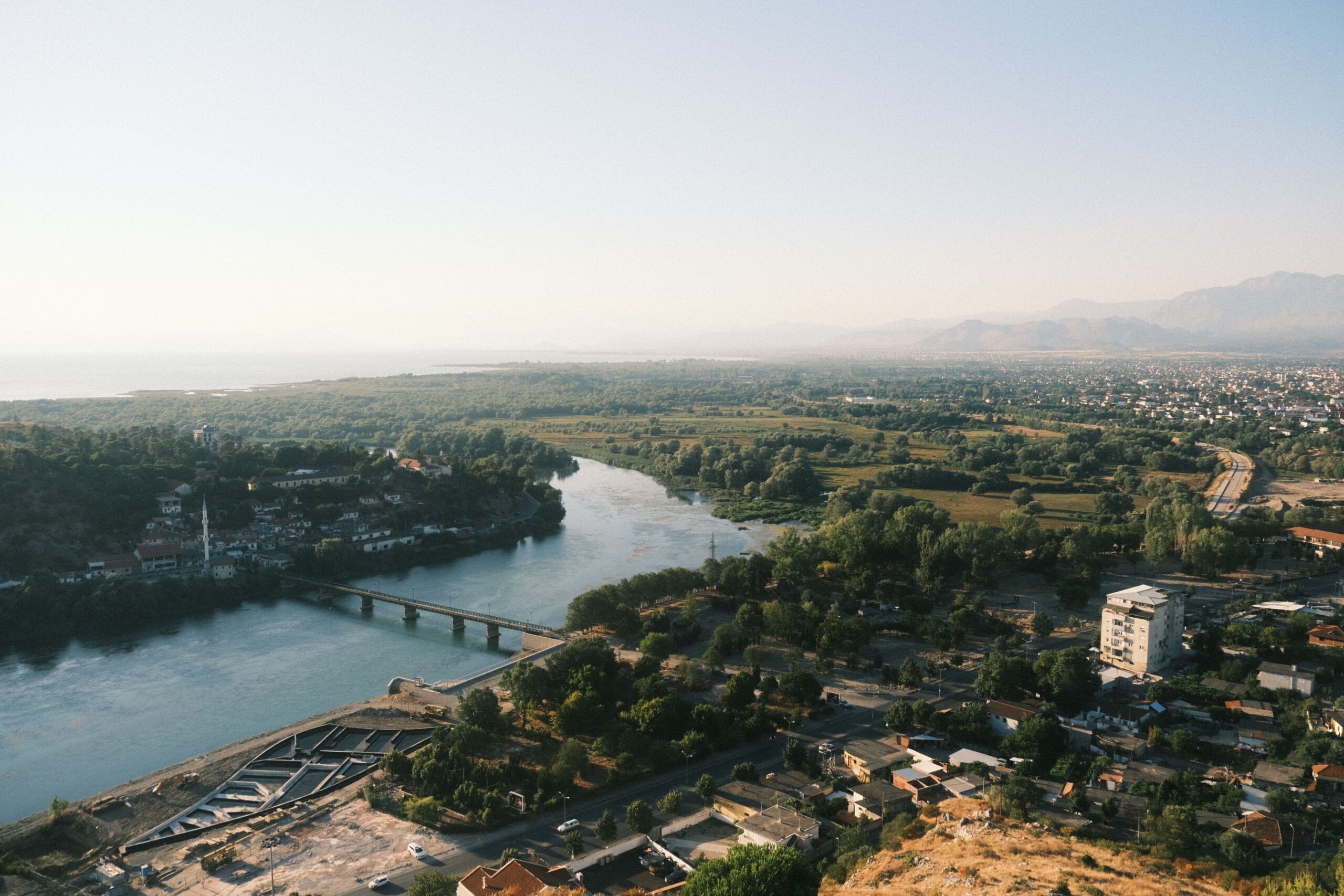
Albania has spent the past decade transforming itself from one of Europe’s least-visited countries into one of the continent’s fastest-growing tourism destinations. Crystal-clear beaches, untouched mountains, UNESCO-listed heritage sites, and relatively affordable prices have attracted millions of visitors seeking alternatives to overcrowded Mediterranean hotspots.
However, the country’s tourism success has also created new tensions.
A growing environmental movement centered around Albania’s protected wetlands and flamingo populations has emerged in response to proposed luxury tourism developments along parts of the country’s coastline. The debate has drawn international attention because it involves environmental protection, foreign investment, tourism growth, biodiversity conservation, and questions about Albania’s long-term development strategy.
What began as concern over specific development projects has evolved into a broader discussion about how Albania should balance economic growth with environmental sustainability.
Albania’s Tourism Boom: From Hidden Gem to Global Destination
For much of the 20th century, Albania remained largely isolated from international tourism. Following the end of communist rule in the early 1990s, the country gradually opened to foreign visitors.
Over the last decade, tourism growth accelerated dramatically.


Several factors contributed to this surge:
- Affordable travel costs compared to Western Europe
- Expanding airline connections
- Social media exposure
- Growing interest in lesser-known destinations
- Improved infrastructure
- International media coverage
Popular destinations include:
- Sarandë
- Vlorë
- Ksamil
- Berat
- Gjirokastër
Tourism has become one of the country’s most important economic sectors, generating employment, foreign investment, and infrastructure development.
Yet rapid growth often brings difficult choices.
The Ecological Importance of Albania’s Wetlands
At the center of the current controversy lies the Vjosa-Narta region, one of the most important wetland ecosystems in the Adriatic and Mediterranean.


Wetlands are among the world’s most productive ecosystems.
They provide:
- Habitat for migratory birds
- Natural flood protection
- Carbon storage
- Fish breeding grounds
- Water filtration
- Biodiversity preservation
The Vjosa-Narta area serves as a crucial stopover point along major migratory bird routes connecting Europe, Africa, and Asia.
Scientists estimate that hundreds of bird species use the region throughout the year.
Among the most recognizable are greater flamingos, whose striking appearance has made them the unofficial symbol of Albania’s environmental movement.
Why Flamingos Matter More Than Many People Realize
Flamingos are often viewed simply as beautiful birds, but ecologists consider them important indicators of environmental health.
Healthy flamingo populations usually signal:
- Stable wetland ecosystems
- Adequate food availability
- Balanced water conditions
- Limited habitat disturbance
When flamingo populations decline, it can indicate broader ecological problems affecting many other species.
The wetlands also support:
- Pelicans
- Herons
- Egrets
- Sea turtles
- Fish species
- Numerous migratory birds
Protecting flamingos therefore means protecting an entire ecosystem rather than a single species.
The Rise of Environmental Activism in Albania
Historically, environmental activism in Albania received less public attention than economic development issues.
That is changing rapidly.
The wetland controversy has helped mobilize:
- Environmental organizations
- Scientists
- Local residents
- Students
- Tourism operators
- International conservation groups
Many activists argue that Albania still possesses natural assets that have already been lost in more heavily developed Mediterranean countries.
Their central concern is straightforward:
Once sensitive ecosystems are damaged, restoration can be difficult, expensive, or impossible.
This argument has resonated particularly strongly among younger Albanians who increasingly view environmental protection as part of the country’s future prosperity.
Luxury Tourism vs. Sustainable Tourism
One of the key questions raised by the debate is not whether tourism should exist, but what type of tourism Albania wants to promote.
The Luxury Development Model
Supporters of large-scale resort projects argue that luxury tourism can:
- Generate high-value economic activity
- Create jobs
- Increase tax revenues
- Improve infrastructure
- Attract international investors
Luxury visitors often spend significantly more than mass-market tourists.
The Sustainable Tourism Model
Environmental groups advocate for:
- Eco-tourism
- Small-scale development
- Nature-based tourism
- Wildlife observation
- Community-led tourism initiatives
Supporters believe preserving natural environments may create more durable economic value over the long term.
Many successful destinations now market environmental conservation as a tourism asset rather than a barrier to growth.
The Global Trend of Overtourism
Albania’s debate mirrors challenges facing destinations around the world.
Countries and cities increasingly struggle with overtourism, including:
- Venice
- Barcelona
- Amsterdam
- Dubrovnik
- Santorini
Common problems include:
- Environmental degradation
- Housing shortages
- Infrastructure strain
- Rising property prices
- Pressure on local communities
Many Albanians view the current situation as an opportunity to avoid mistakes made elsewhere before development becomes irreversible.
Foreign Investment and Public Concerns
Foreign investment plays a major role in Albania’s tourism expansion.
Supporters emphasize that international investors can provide:
- Capital
- Expertise
- Marketing reach
- Infrastructure funding
Critics worry about:
- Environmental oversight
- Land-use transparency
- Community consultation
- Long-term ecological impacts
These concerns are not unique to Albania.
Around the world, large tourism developments frequently generate debate about who benefits economically and who bears environmental risks.
Albania’s European Union Aspirations
Another important dimension involves Albania’s goal of joining the European Union.
Environmental protection forms a significant component of EU accession requirements.
As Albania moves closer toward European integration, environmental governance receives increasing scrutiny.
Issues under examination often include:
- Biodiversity protection
- Environmental impact assessments
- Protected-area management
- Sustainable development standards
The wetland debate therefore carries implications beyond tourism and conservation alone.
It also reflects Albania’s efforts to align with broader European environmental expectations.
The Economic Value of Nature
Historically, development and conservation were often portrayed as opposing goals.
Modern economics increasingly challenges that assumption.
Natural ecosystems provide measurable economic benefits:
Tourism Revenue
Birdwatchers, photographers, and eco-tourists contribute billions globally each year.
Climate Protection
Wetlands store carbon and help mitigate climate impacts.
Flood Control
Natural wetlands reduce flooding risks and infrastructure costs.
Fisheries Support
Many fish species depend on healthy wetland ecosystems.
Economists now describe these benefits as “ecosystem services”—valuable functions nature provides at little or no cost.
Destroying such ecosystems may generate hidden long-term economic losses.
What Happens Next?
Several possible outcomes remain under discussion:
Continued Development
Projects move forward with existing plans.
Modified Development
Projects proceed with stricter environmental safeguards.
Expanded Conservation
Protected areas receive stronger legal protections.
Hybrid Solutions
Development and conservation objectives are integrated through careful planning.
The eventual outcome may shape Albania’s tourism model for decades.
Why the Flamingo Has Become a National Symbol
Environmental movements often rally around symbols.
For Albania, the flamingo has become that symbol.
The bird represents:
- Natural heritage
- Environmental protection
- Sustainable development
- National identity
- Future generations
Its visibility has helped transform a technical conservation debate into a broader public conversation that resonates with people far beyond scientific circles.
Conclusion
The debate surrounding Albania’s wetlands and flamingo habitats is ultimately about more than birds or tourism projects. It reflects a larger challenge facing many rapidly developing destinations: how to balance economic opportunity with environmental responsibility.
Albania possesses some of Europe’s most valuable remaining coastal ecosystems at a time when global demand for tourism continues to grow. The choices made today will influence not only the country’s natural landscapes but also its economic model, international reputation, and quality of life for future generations.
Whether Albania becomes a model for sustainable tourism or follows a more intensive development path remains uncertain. What is clear, however, is that flamingos have become the unlikely ambassadors of one of the most important national conversations in the country’s modern history.
Frequently Asked Questions (FAQ)
1. Why are Albania’s wetlands considered so important?
Albania’s wetlands support hundreds of bird species, provide critical migratory routes, store carbon, help prevent flooding, and maintain biodiversity. They are among the most significant ecosystems in the Mediterranean region.
2. Why have flamingos become the symbol of the environmental movement?
Flamingos are highly visible, charismatic birds that depend on healthy wetlands. Their presence symbolizes the broader health of the ecosystem and makes conservation issues easier for the public to understand.
3. What is causing the controversy in Albania?
The debate centers on proposed tourism and resort developments near environmentally sensitive coastal and wetland areas. Supporters see economic opportunities, while critics fear ecological damage.
4. Can tourism and environmental protection coexist?
Yes. Many countries have successfully developed eco-tourism and sustainable tourism models that generate economic benefits while preserving natural habitats. Achieving this balance requires careful planning and strong environmental safeguards.
5. How could this affect Albania’s future?
The decisions made regarding wetland protection and tourism development could shape Albania’s economy, environmental health, international reputation, tourism industry, and EU integration efforts for decades to come.
Sources The Guardian

