
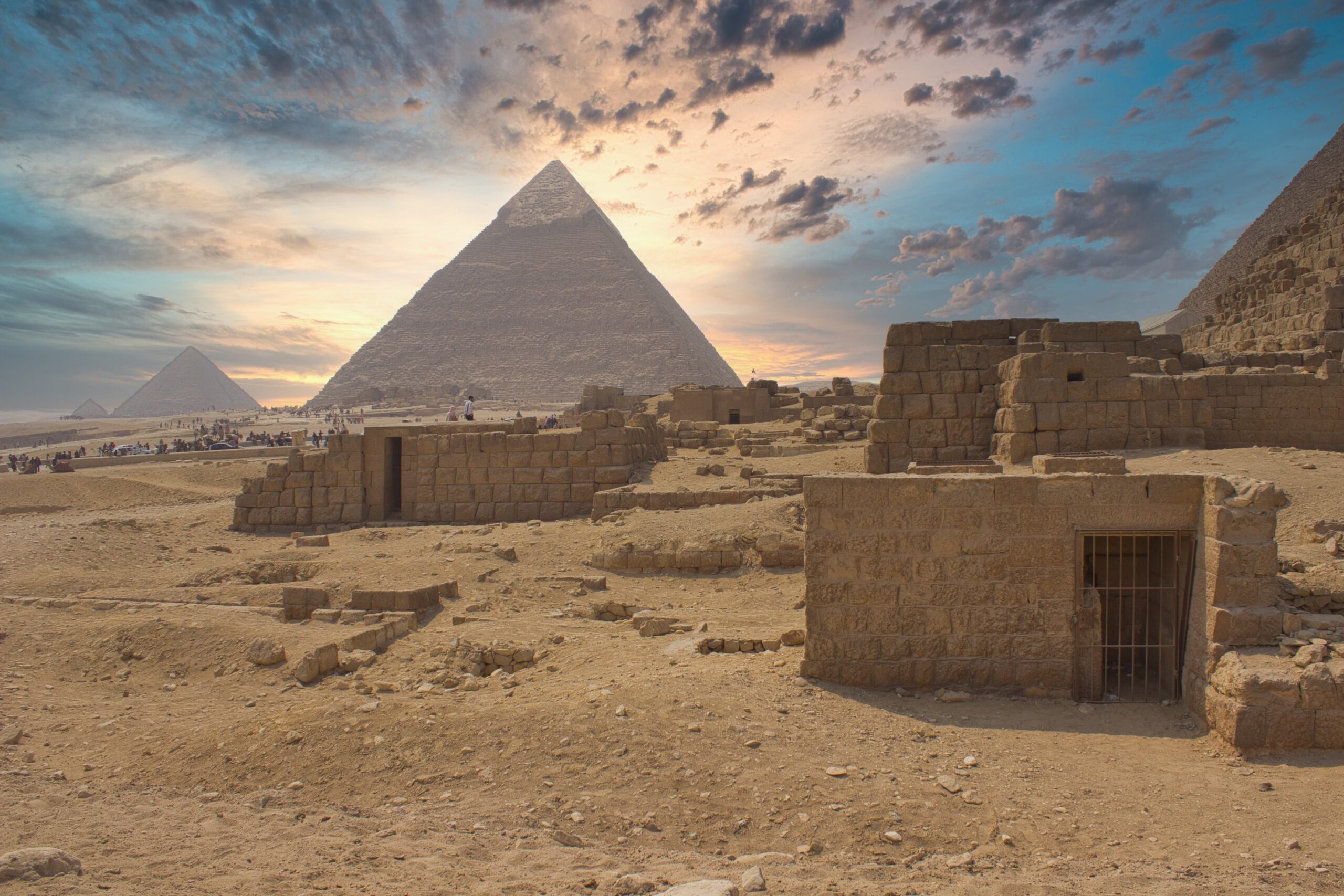
For centuries, Egypt has captivated travelers with its timeless pyramids, mysterious pharaohs, and extraordinary archaeological treasures. Now, a new chapter in the country’s tourism story has begun with the opening of the Grand Egyptian Museum (GEM), one of the most ambitious cultural projects ever undertaken.
Located near the legendary Giza Pyramids, the Grand Egyptian Museum is far more than a museum. It represents Egypt’s determination to preserve its ancient heritage while positioning itself as one of the world’s premier cultural tourism destinations. Yet the GEM is only one piece of a much larger transformation that is reshaping tourism across the nation.
The Grand Egyptian Museum: A Historic Achievement
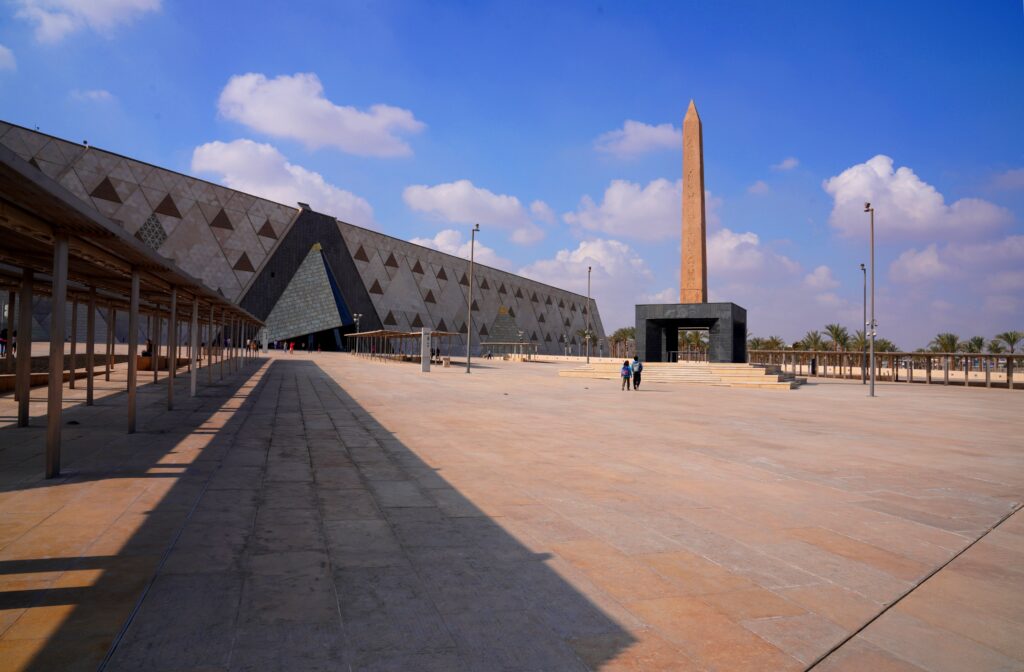
The Grand Egyptian Museum stands just a short distance from the Giza Pyramid Complex and is widely recognized as the largest museum in the world dedicated to a single civilization. The project took more than two decades to complete and required an investment estimated at approximately $1 billion.
The museum houses more than 100,000 artifacts spanning thousands of years of Egyptian history. Visitors can explore exhibits covering the Predynastic Period, the Old Kingdom, the Middle Kingdom, the New Kingdom, and the Greco-Roman era.
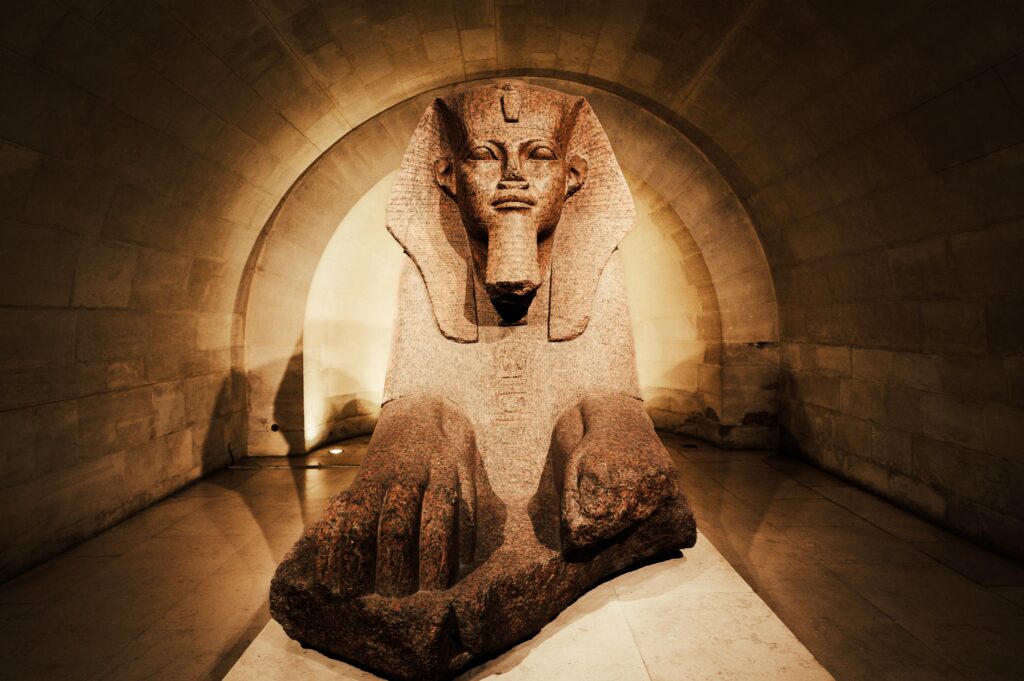
One of the museum’s greatest attractions is the complete collection of treasures from the tomb of King Tutankhamun. For the first time in history, more than 5,000 artifacts associated with the famous boy king are displayed together in a single location, offering unprecedented insight into one of archaeology’s most celebrated discoveries.
Architectural Brilliance Meets Ancient History
The museum’s design is a masterpiece in itself. Created by the Irish architectural firm Heneghan Peng, the structure incorporates geometric elements inspired by the nearby pyramids. Massive glass facades frame views of the Giza Plateau, creating a visual connection between the ancient monuments and modern architecture.
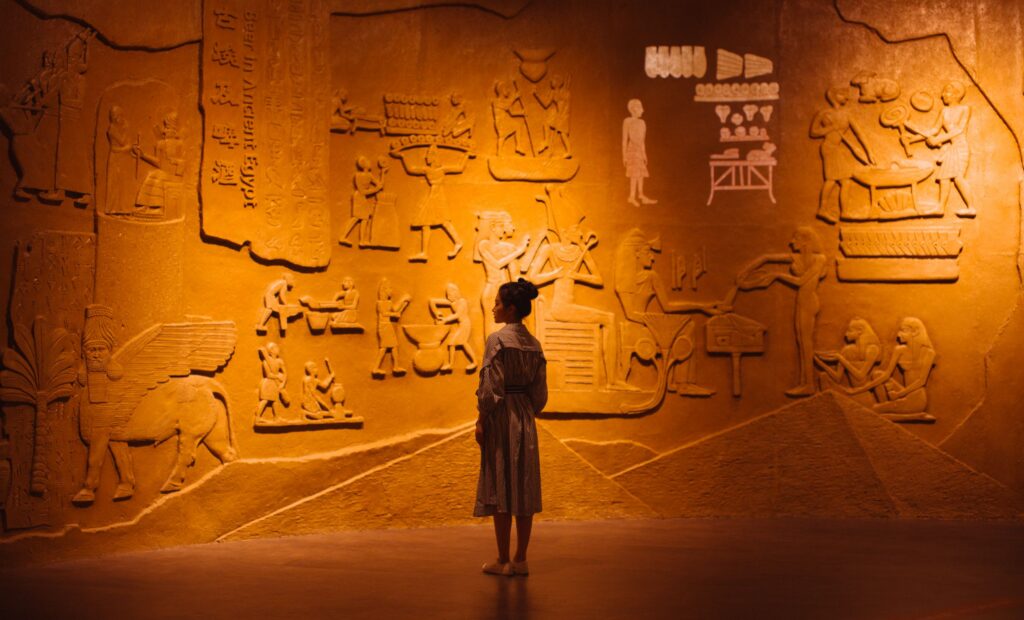
Visitors are welcomed by a colossal statue of Ramses II and a monumental grand staircase lined with statues of ancient kings and gods. The museum also includes advanced conservation laboratories, educational facilities, exhibition halls, restaurants, gardens, and immersive digital experiences.
Beyond the Museum: Egypt’s Expanding Tourism Vision
While the Grand Egyptian Museum has become the centerpiece of Egypt’s tourism strategy, the country’s appeal extends far beyond Cairo and Giza.
The Timeless Wonders of Luxor
Often called the world’s greatest open-air museum, Luxor contains some of humanity’s most remarkable archaeological sites, including:
- The Valley of the Kings
- Karnak Temple Complex
- Luxor Temple
- Hatshepsut Temple
These monuments provide an unparalleled glimpse into the power and sophistication of ancient Egyptian civilization.
Aswan: The Jewel of the Nile
Aswan offers a more relaxed experience with beautiful Nile scenery, ancient temples, and Nubian culture. Attractions include:
- Philae Temple
- Abu Simbel
- Elephantine Island
- Traditional Nubian villages
The region showcases Egypt’s diverse cultural heritage beyond the pharaonic era.
The Red Sea Riviera
Egypt is also emerging as a major destination for beach tourism. Cities such as Hurghada, El Gouna, and Sharm El-Sheikh attract visitors with:
- World-class diving
- Coral reefs
- Luxury resorts
- Water sports
- Year-round sunshine
The Red Sea remains one of the world’s most biodiverse marine ecosystems and a major draw for international tourists.
The White Desert and Sahara Adventures
Adventure travelers increasingly seek experiences in Egypt’s Western Desert. The surreal limestone formations of the White Desert create landscapes unlike anywhere else on Earth, while desert safaris provide opportunities for stargazing and exploration.
How Technology Is Transforming the Visitor Experience
Modern tourism increasingly depends on technology, and Egypt is embracing digital innovation.
The Grand Egyptian Museum features immersive experiences, mixed-reality exhibits, and advanced visitor services designed to engage younger audiences. Researchers are even developing AI-powered systems capable of recognizing artifacts and answering visitor questions in multiple languages, pointing toward a future where museums become highly interactive learning environments.
Digital ticketing, virtual tours, mobile guides, and smart tourism infrastructure are helping Egypt compete with leading global cultural destinations.
Economic Impact of the Grand Egyptian Museum
Tourism is one of Egypt’s most important economic sectors. The country welcomed record visitor numbers in recent years and has set ambitious goals to significantly increase annual tourist arrivals during the next decade. The Grand Egyptian Museum plays a central role in achieving those objectives.
The museum contributes to the economy through:
- Direct tourism revenue
- Hotel occupancy growth
- Restaurant and retail spending
- Transportation services
- Job creation
- International cultural partnerships
Beyond economics, the project reinforces Egypt’s position as a global center for archaeology, history, and heritage preservation.
Why the Grand Egyptian Museum Matters Globally
The significance of the Grand Egyptian Museum extends beyond tourism.
The museum serves as:
- A world-class conservation center
- A hub for Egyptology research
- A cultural diplomacy platform
- An educational resource for future generations
- A symbol of heritage preservation
At a time when many ancient artifacts remain scattered across museums worldwide, GEM provides an unprecedented opportunity to experience Egyptian history within its original cultural context.
The Future of Egyptian Tourism
Egypt’s tourism strategy is increasingly focused on combining ancient heritage with modern infrastructure. New airports, improved transportation networks, upgraded visitor facilities, and digital experiences are helping create a more seamless travel experience.
The Grand Egyptian Museum symbolizes this vision perfectly: a bridge between the world’s oldest civilization and the future of cultural tourism.
As international travel continues to recover and expand, Egypt appears well-positioned to attract millions of visitors eager to experience its extraordinary blend of history, culture, adventure, and hospitality.
Frequently Asked Questions (FAQs)
1. What makes the Grand Egyptian Museum special?
The Grand Egyptian Museum is the world’s largest museum dedicated to a single civilization. It houses more than 100,000 artifacts and displays the complete Tutankhamun collection together for the first time.
2. Where is the Grand Egyptian Museum located?
The museum is located in Giza, Egypt, approximately two kilometers from the famous Giza Pyramids, allowing visitors to experience both attractions during the same trip.
3. How long did it take to build the museum?
Planning and construction spanned more than two decades. Construction began in the mid-2000s, and the museum officially opened to the public in late 2025 after years of preparation and phased openings.
4. What are the main attractions inside the museum?
Highlights include the full Tutankhamun collection, the giant Ramses II statue, the Grand Staircase, ancient royal artifacts, conservation centers, and immersive digital experiences.
5. Is Egypt worth visiting beyond the Grand Egyptian Museum?
Absolutely. Egypt offers the Giza Pyramids, Luxor, Aswan, Abu Simbel, the Red Sea resorts, desert adventures, Nile cruises, and numerous UNESCO World Heritage sites, making it one of the world’s most diverse cultural travel destinations.
Sources Forbes

