
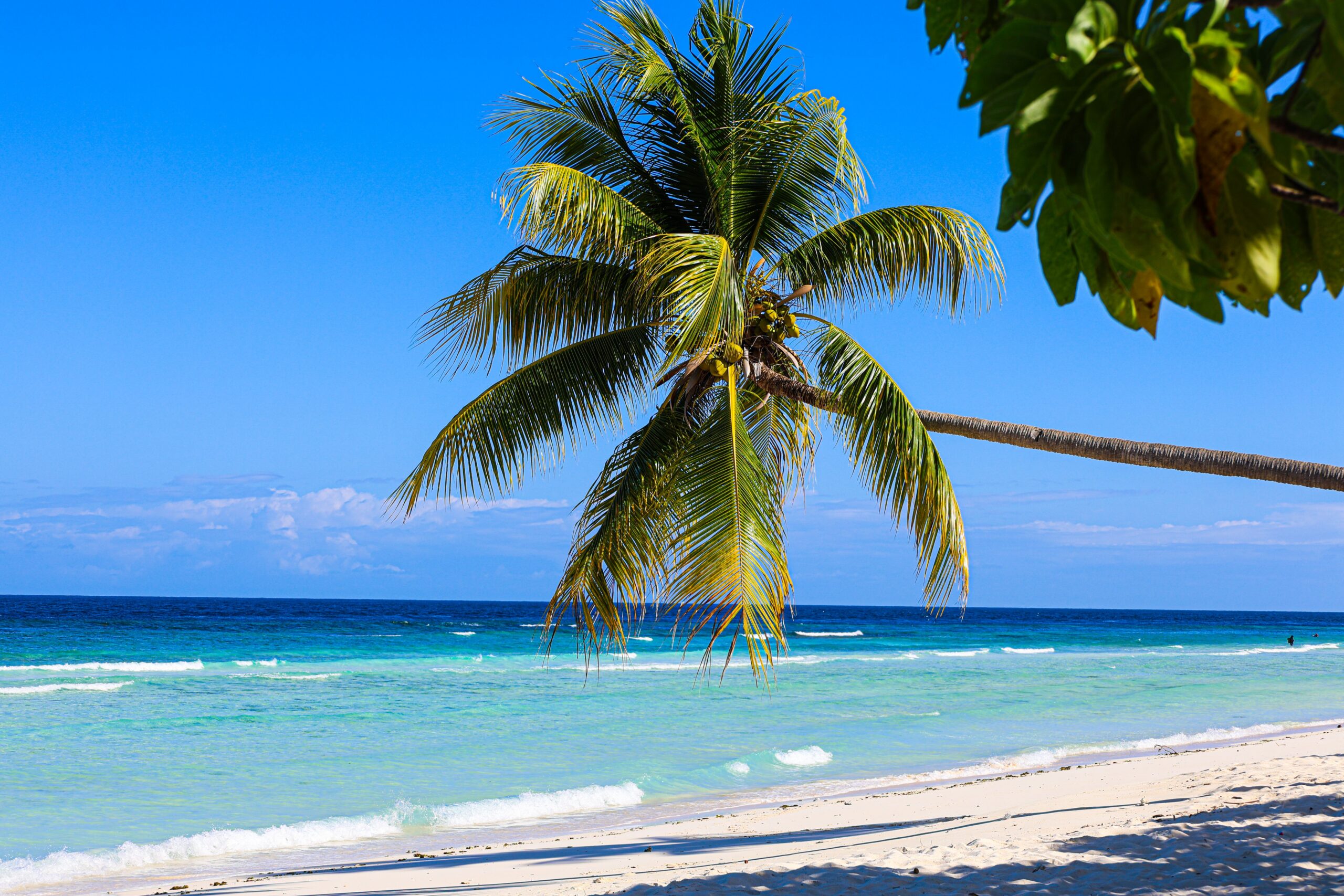
For millions of visitors, Jamaica represents the ultimate Caribbean dream—white-sand beaches, turquoise waters, reggae music, and luxury resorts. Yet behind the postcard-perfect image lies a growing conflict over who truly has the right to enjoy the island’s coastline.
Across Jamaica, activists, fishers, vendors, and local residents are increasingly challenging what they see as the privatization of public beaches. They argue that decades of resort development, supported by outdated laws and government policies, have restricted access to shorelines that communities have used for generations. Meanwhile, government officials and tourism stakeholders maintain that tourism remains essential to Jamaica’s economy and that development can coexist with public access.
The debate has evolved into one of the country’s most significant social, economic, and environmental issues, raising difficult questions about land rights, public resources, and the future of tourism in the Caribbean.
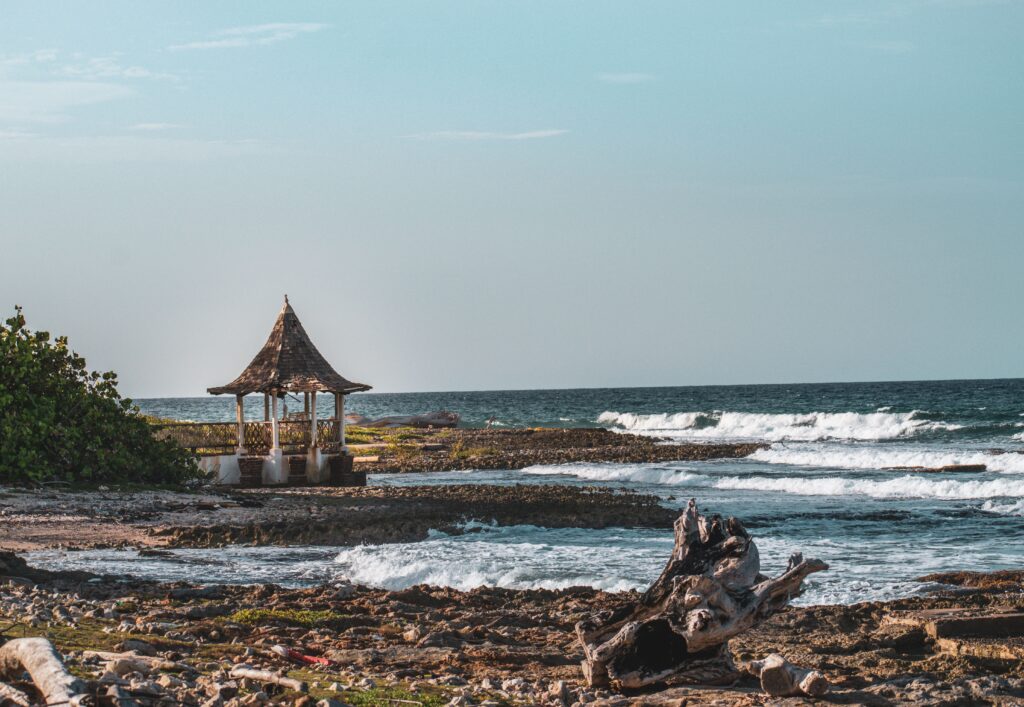
Why Beaches Matter Beyond Tourism
To many outsiders, beaches are simply recreational spaces. In Jamaica, however, coastal areas often serve multiple purposes.
For generations, beaches have provided:
- Fishing grounds and food security
- Informal economic opportunities
- Cultural gathering spaces
- Religious and spiritual sites
- Community recreation areas
- Traditional access routes to the sea
Many coastal residents describe beaches not merely as tourist attractions but as an essential part of everyday life. Communities in areas such as Mammee Bay, Blue Lagoon, Little Dunn’s River, and Providence Beach have historically relied on direct access to the shoreline for both economic survival and cultural identity.
The Rise of Jamaica’s Resort Economy
Tourism is one of Jamaica’s most important economic sectors.
The industry contributes billions of dollars annually, supports hundreds of thousands of jobs, and attracts visitors from North America, Europe, and increasingly Latin America. Luxury resorts, all-inclusive properties, cruise tourism, and beachfront developments have become central pillars of national economic policy.
However, critics argue that the benefits of tourism are not always distributed equally.
Many of Jamaica’s largest resort developments are owned or financed by international investors. While tourism generates employment, activists contend that substantial portions of tourism revenue leave the country through foreign ownership, imported goods, and international supply chains. This has led some campaigners to describe the model as “plantation tourism”—a term intended to highlight perceived economic inequalities rooted in colonial history.
The Colonial Legacy Behind the Crisis
One aspect often overlooked in discussions about Jamaica’s beaches is the legal framework governing coastal access.
A key point of controversy is the 1956 Beach Control Act, a law established during the colonial era. The legislation grants the state significant authority over the foreshore and seabed and regulates how beaches may be used or developed. Activists argue that the law continues to enable restrictions on public access while favoring commercial development.
When Jamaica gained independence in 1962, many colonial-era land management structures remained in place. Critics believe these systems continue to influence how coastal resources are allocated today.
The result is a tension between public expectations of access and legal realities that often prioritize development rights and administrative control.
The Beaches at the Center of the Dispute
Several locations have become symbols of the broader struggle over coastal access:
Mammee Bay
Community members claim that barriers, fences, and security measures have limited access to a beach historically used by local residents. Protests and legal disputes have followed, making the area one of the most visible flashpoints in the national debate.
Blue Lagoon
One of Jamaica’s most iconic natural attractions, Blue Lagoon has become the focus of disputes involving public access roads and future development plans. Residents argue that local communities must retain meaningful access to the area.
Little Dunn’s River and Providence Beach
These sites have also become subjects of legal challenges brought by community groups seeking to preserve public use and prevent further privatization.
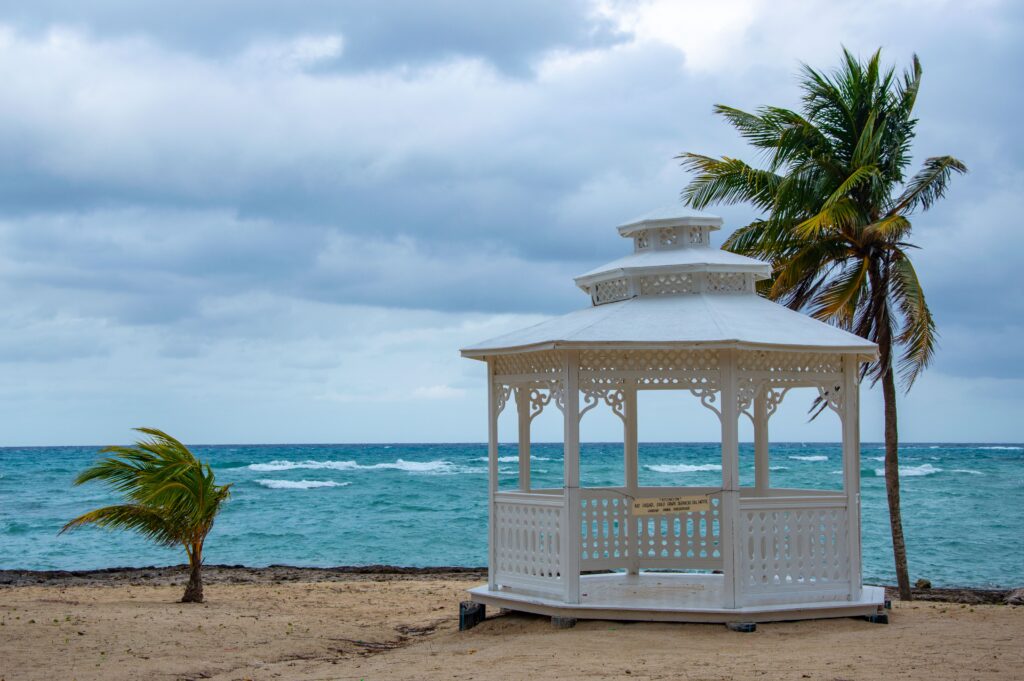
Environmental Consequences of Coastal Privatization
The debate is not solely about access.
Environmental organizations have increasingly warned that intensive beachfront development can create ecological pressures including:
- Coastal erosion
- Coral reef degradation
- Habitat loss
- Mangrove destruction
- Increased pollution
- Reduced biodiversity
Healthy coastlines are not only important for tourism but also for storm protection and climate resilience.
As sea levels rise and hurricanes become more intense, preserving natural coastal ecosystems may prove just as important as expanding tourism infrastructure.
The Social Cost of Restricted Access
When beaches become difficult to access, the consequences extend beyond recreation.
Communities may lose:
- Fishing opportunities
- Small-scale vending income
- Cultural traditions
- Public gathering spaces
- Affordable leisure options
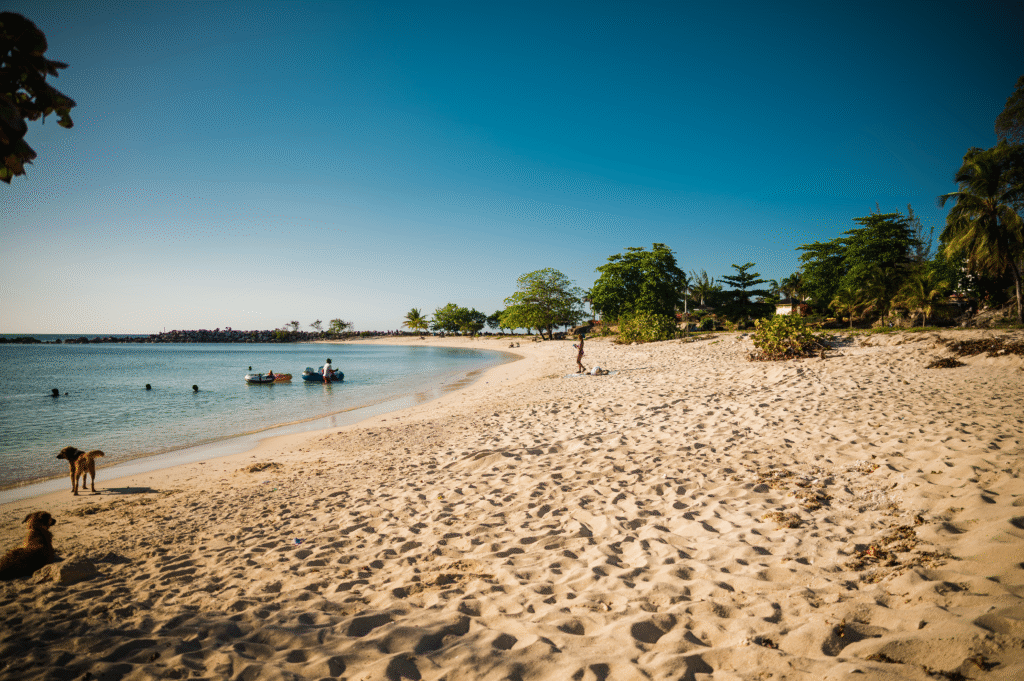
For lower-income families, beaches often represent one of the few freely accessible recreational resources available.
Activists argue that charging admission fees or requiring controlled access effectively excludes many Jamaicans from resources that should remain public. Some campaigners are demanding what they describe as “free, legal, unfettered, forever rights” to access the coastline.
Government Perspective
Government officials reject claims that public interests are being ignored.
Authorities point to investments in public beach parks and initiatives designed to preserve access while supporting tourism growth. Officials also argue that Jamaica’s coastline includes wetlands, rocky areas, and environmentally sensitive zones that complicate access planning.
Recent policy proposals aim to modernize beach management and improve public access, though activists remain concerned that the reforms may still permit restrictions, fees, or conditional access rights.
Alternative Tourism Models
One area often missing from the debate is the success of community-based tourism.
Places such as Treasure Beach have developed reputations for smaller-scale tourism models that emphasize:
- Locally owned accommodations
- Community participation
- Public beach access
- Environmental sustainability
- Economic benefits that remain within local communities
These examples suggest that tourism growth and public access do not necessarily have to be opposing goals.
Lessons from Other Caribbean Nations
Jamaica is not alone.
Throughout the Caribbean, governments face similar challenges balancing:
- Tourism investment
- Public shoreline access
- Environmental protection
- Indigenous and community rights
Countries that establish clear legal protections for public coastal access often experience fewer conflicts between developers and residents.
The Jamaican experience may ultimately influence policy discussions across the region as coastal land becomes increasingly valuable.
The Future of Jamaica’s Beaches
The beach access debate represents a larger question about national development.
Should economic growth prioritize large-scale tourism projects? How can communities share more directly in tourism’s benefits? And what responsibilities do governments have to protect public access to natural resources?
As court cases move forward and policy reforms continue, Jamaica’s coastline has become more than a tourism issue. It has become a test of how a modern nation balances economic opportunity, environmental stewardship, historical justice, and public rights.
The outcome could shape not only Jamaica’s beaches but also the future relationship between tourism and local communities throughout the Caribbean.
Frequently Asked Questions (FAQs)
1. Why is beach access a major issue in Jamaica?
Many communities argue that resort development, privatization, and legal restrictions have reduced access to beaches historically used for fishing, recreation, cultural activities, and local livelihoods.
2. What is the Beach Control Act?
The Beach Control Act of 1956 is a colonial-era law that regulates the use and development of Jamaica’s foreshore and seabed. Activists argue that it contributes to modern access disputes.
3. Why do some activists call it “plantation tourism”?
Critics use the term to describe a tourism model they believe disproportionately benefits large investors while limiting local control over land, resources, and economic opportunities.
4. Does tourism benefit Jamaica’s economy?
Yes. Tourism is one of Jamaica’s largest economic sectors, generating employment, foreign exchange earnings, and government revenue. The debate centers on how those benefits are distributed and balanced against community interests.
5. Can tourism development and public beach access coexist?
Many experts believe they can. Successful models often include protected public access corridors, community participation, environmental safeguards, and locally driven tourism initiatives that share economic benefits more broadly.
Sources The Guardian

