
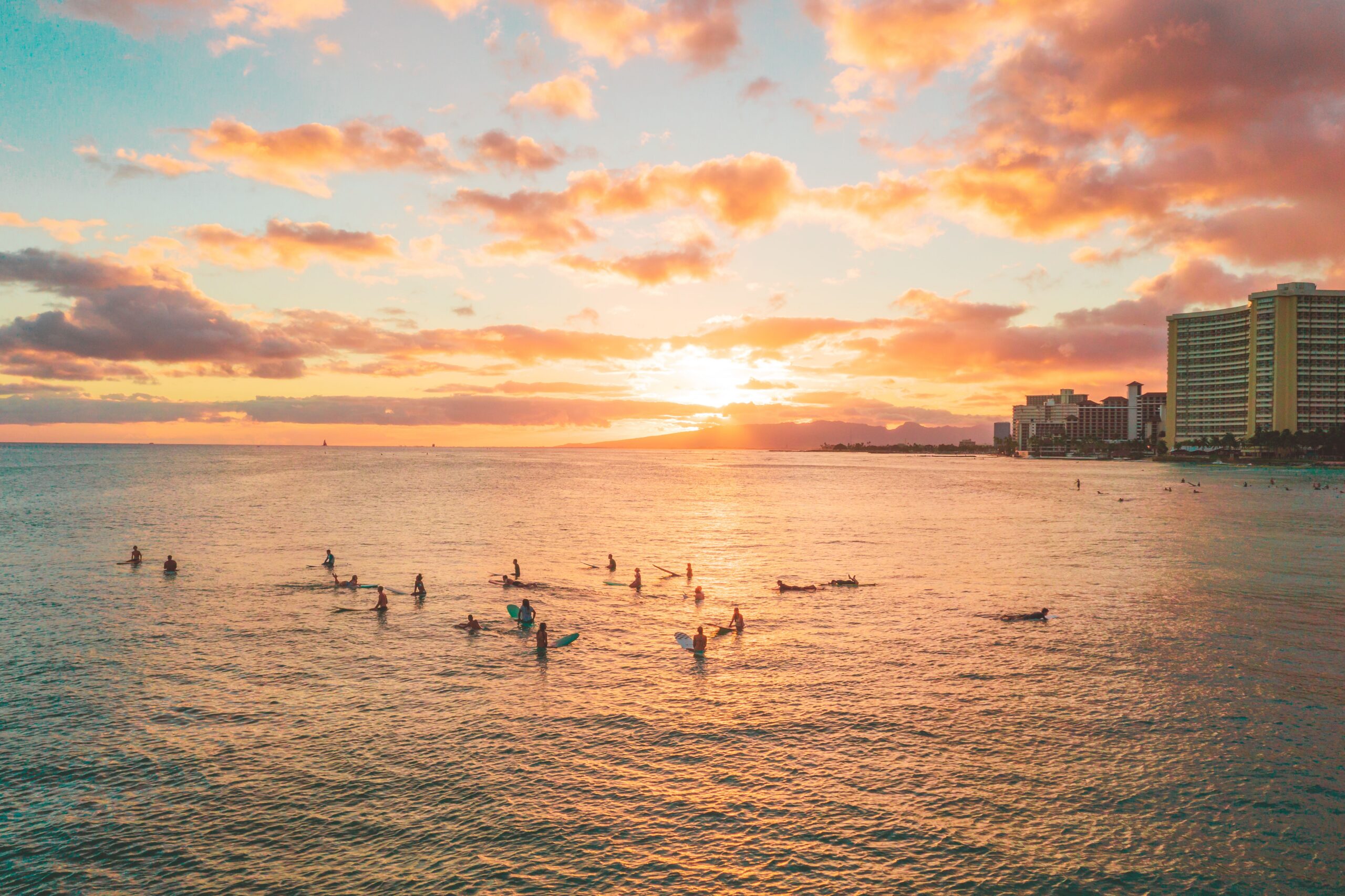
For millions of travelers, Hawaii represents the ultimate tropical paradise. Crystal-clear waters, volcanic landscapes, swaying palm trees, world-famous beaches, and year-round warm weather have made the islands one of the most sought-after destinations on Earth.
Yet many visitors arrive with misconceptions that can lead to disappointing experiences, cultural misunderstandings, or even dangerous situations.
According to Hawaii residents and tourism experts, the best trips aren’t necessarily those packed with the most activities—they’re the ones where travelers respect local culture, understand the islands’ unique environment, and approach Hawaii as a living community rather than a theme park.
As Hawaii continues balancing tourism growth with environmental preservation and cultural protection, understanding how to travel responsibly has never been more important.

Hawaii Is More Than a Vacation Destination
One of the biggest mistakes visitors make is viewing Hawaii solely through the lens of tourism.
For residents, Hawaii is home.
The islands have a rich and complex history, including the existence of the independent Hawaiian Kingdom before its overthrow in 1893. Understanding this history helps visitors appreciate why cultural respect matters so deeply to many local communities.
Many residents encourage travelers to learn about:
- Native Hawaiian culture
- Hawaiian language
- Traditional land stewardship
- The history of the Hawaiian Kingdom
- Contemporary issues affecting local communities
A little cultural awareness can significantly enrich a visit.
Not Everyone in Hawaii Is Hawaiian
A common misunderstanding involves terminology.
People living in Hawaii may be:
- Native Hawaiian
- Japanese American
- Filipino American
- Chinese American
- Samoan
- Caucasian
- Mixed heritage
- Recent transplants
Being a resident of Hawaii does not automatically make someone Hawaiian. Native Hawaiian refers specifically to the Indigenous people of the islands.
Using the term correctly demonstrates respect for Hawaiian identity and culture.
Support Local Businesses Whenever Possible
Tourism is one of Hawaii’s most important industries, but where visitors spend their money matters.
Instead of relying entirely on:
- National restaurant chains
- Large mainland-owned retailers
- International resort operators
consider supporting:
- Family-owned restaurants
- Local farmers markets
- Hawaiian-owned businesses
- Independent tour companies
- Local artisans
Money spent at local businesses is more likely to remain within island communities and support local families.
The Ocean Is Beautiful—and Dangerous


Many first-time visitors underestimate Hawaii’s ocean conditions.
Locals frequently warn tourists about:
- Rip currents
- Shore breaks
- Powerful waves
- Hidden rocks
- Sudden weather changes
Each year, visitors require rescue after entering waters beyond their skill level. Even experienced swimmers can encounter dangerous conditions.
Safety recommendations include:
- Swim at lifeguarded beaches
- Observe warning signs
- Check local surf reports
- Never turn your back on the ocean
- Avoid swimming alone
The ocean deserves respect.
Reef-Safe Sunscreen Isn’t Optional
Many travelers don’t realize that Hawaii has regulations restricting sunscreens containing certain chemicals harmful to coral reefs.
Products containing oxybenzone and octinoxate have been restricted because of their impact on fragile marine ecosystems.
Visitors should bring or purchase:
- Mineral-based sunscreen
- Reef-safe sunscreen products
- Sun-protective clothing
- Hats and sunglasses
Protecting coral reefs helps preserve one of Hawaii’s most valuable natural resources.
Don’t Touch Wildlife
Hawaii’s wildlife is extraordinary, but it should be admired from a distance.
Protected species include:
- Hawaiian green sea turtles
- Monk seals
- Spinner dolphins
- Humpback whales
Touching, chasing, feeding, or harassing wildlife is both harmful and often illegal.
Responsible wildlife viewing benefits both animals and visitors.
Every Island Is Different
One of Hawaii’s greatest strengths is its diversity.


Each major island offers a distinct experience:
Oahu
Best for:
- First-time visitors
- Urban attractions
- Surf culture
- Nightlife
- Historic sites
Maui
Best for:
- Scenic drives
- Luxury resorts
- Whale watching
- Beaches
- Outdoor adventures
Kauai
Best for:
- Nature lovers
- Hiking
- Waterfalls
- Dramatic landscapes
Hawaii Island
Best for:
- Volcanoes
- Astronomy
- Diverse climates
- Adventure travel
Many locals suggest choosing one or two islands rather than attempting to visit several during a short trip.
Slow Down Your Itinerary
A frequent tourist mistake is trying to see everything.
Visitors often schedule:
- Multiple islands in one week
- Packed sightseeing days
- Long driving routes
- Back-to-back activities
This can lead to exhaustion and missed opportunities to actually enjoy the islands.
Local travel experts recommend:
- One major activity per day
- Flexible scheduling
- Time for unexpected discoveries
- Relaxed exploration
Hawaii rewards slower travel.
Respect Sacred and Cultural Sites
Many Hawaiian locations hold cultural, historical, or spiritual significance.
Visitors should:
- Stay on marked trails
- Respect closure signs
- Avoid removing rocks or artifacts
- Follow local guidance
- Learn site-specific cultural protocols
Rock stacking, for example, may seem harmless but can damage ecosystems and interfere with traditional practices.
Hawaii’s Sun Is Stronger Than You Think
Even on cloudy days, ultraviolet radiation can be intense.
Visitors commonly underestimate the risk of sunburn.
Recommendations include:
- Frequent sunscreen application
- Hydration
- Protective clothing
- Seeking shade during midday hours
Many tourists discover this lesson the hard way during their first day on the beach.
Learn a Few Hawaiian Words
You don’t need to become fluent, but learning basic phrases demonstrates respect and appreciation.
Examples include:
- Aloha – Hello, goodbye, love
- Mahalo – Thank you
- Ohana – Family
- A hui hou – Until we meet again
Even simple efforts can create more meaningful interactions with residents.
Be Prepared for High Costs
Hawaii consistently ranks among America’s most expensive states.
Visitors should budget for:
- Accommodation
- Dining
- Rental cars
- Activities
- Fuel
Many goods must be imported, increasing prices across the islands.
Planning ahead can help avoid unpleasant surprises.
Consider Visiting Beyond the Famous Attractions
Popular locations like:
- Waikiki Beach
- Diamond Head
- Road to Hana
- Hawaii Volcanoes National Park
deserve their reputation.
However, lesser-known destinations often provide equally memorable experiences with fewer crowds.
Exploring beyond the most photographed sites can lead to more authentic encounters with local culture and nature.
Why Cultural Respect Matters More Than Ever
Hawaii’s tourism industry welcomes millions of visitors each year.
At the same time, residents continue discussing:
- Housing affordability
- Environmental protection
- Cultural preservation
- Sustainable tourism
Travelers who approach Hawaii with humility and respect contribute positively to the islands they came to enjoy.
The concept of malama ʻaina—caring for the land—has become increasingly important in Hawaii’s tourism philosophy.
Visitors who embrace this mindset often leave with deeper experiences and a stronger connection to the islands.
The Future of Hawaii Tourism
Hawaii is gradually shifting toward a more sustainable tourism model.
The focus is increasingly on:
- Environmental stewardship
- Cultural education
- Responsible travel
- Community benefit
- High-quality visitor experiences
Rather than simply attracting more tourists, many leaders hope to attract travelers who understand the importance of protecting Hawaii’s unique culture and environment.
For visitors, that means the best Hawaii vacation isn’t necessarily the one with the longest checklist of attractions.
It’s the one that leaves both the traveler and the islands better off.
Frequently Asked Questions (FAQs)
1. What is the biggest mistake first-time visitors make in Hawaii?
One of the most common mistakes is trying to visit too many islands during a short trip. Many local travelers recommend focusing on one or two islands to avoid spending valuable vacation time in airports and rental car lines.
2. Is reef-safe sunscreen required in Hawaii?
Yes. Hawaii restricts the sale and use of certain sunscreen ingredients, including oxybenzone and octinoxate, because they can damage coral reefs. Reef-safe mineral sunscreens are strongly recommended.
3. Which Hawaiian island is best for first-time visitors?
Many first-time visitors choose Oahu because it offers a mix of beaches, culture, nightlife, history, and outdoor activities. However, the best island depends on personal travel preferences.
4. Is Hawaii expensive to visit?
Yes. Hawaii is one of the most expensive travel destinations in the United States due to high accommodation costs, imported goods, transportation expenses, and strong tourism demand.
5. How can tourists show respect for Hawaiian culture?
Visitors can support local businesses, learn basic Hawaiian phrases, respect sacred sites, follow environmental guidelines, understand Hawaii’s history, and treat residents and natural spaces with care.

Sources Business Insider

