
Every year on June 20, West Virginians celebrate a unique milestone in American history—the birth of the nation’s 35th state. Known as West Virginia Day, the occasion commemorates the state’s admission to the Union in 1863 during one of the most turbulent periods in U.S. history.
While the annual celebration honors the past, it has increasingly become a platform for promoting West Virginia’s future. Tourism officials, cultural organizations, local businesses, and government agencies use the event to showcase the state’s natural beauty, economic opportunities, historical landmarks, and vibrant communities.
The recent West Virginia Day celebration at the State Capitol Complex reflects a broader effort to strengthen state pride while attracting new visitors to one of America’s most scenic and underrated travel destinations.
The Historical Significance of West Virginia Day
West Virginia holds a unique place in American history.
The state was created during the American Civil War after western counties of Virginia chose to separate from the Confederacy and remain loyal to the Union. On June 20, 1863, West Virginia officially became the 35th state in the United States.
This unusual origin story makes West Virginia the only state formed by separating from a Confederate state during the Civil War.
Today, West Virginia Day serves as both a historical commemoration and a celebration of the state’s identity, resilience, and culture.
Why Tourism Plays a Major Role in the Celebration
Tourism has become one of West Virginia’s most important economic sectors.
The state is renowned for:
- Mountain landscapes
- Outdoor recreation
- Whitewater rafting
- Hiking trails
- Scenic drives
- Historic towns
- Cultural festivals
- Appalachian heritage
Events like West Virginia Day provide an opportunity for tourism officials to showcase attractions that many travelers may not realize exist.
For years, neighboring destinations often overshadowed West Virginia. However, changing travel trends have increased interest in outdoor adventure, nature tourism, and authentic cultural experiences—all areas where the state excels.
A State Built on Natural Beauty
West Virginia’s nickname, “The Mountain State,” reflects its defining feature.
More than 75% of the state is covered by forests, making it one of the most heavily forested states in America.
Among its most popular attractions are:
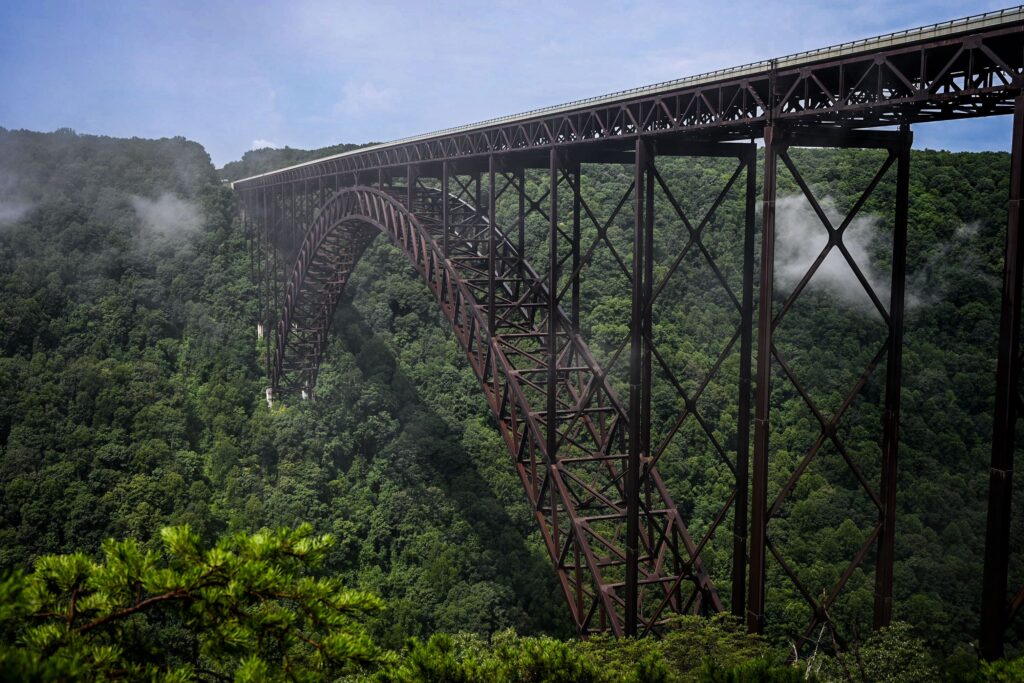
- New River Gorge National Park and Preserve
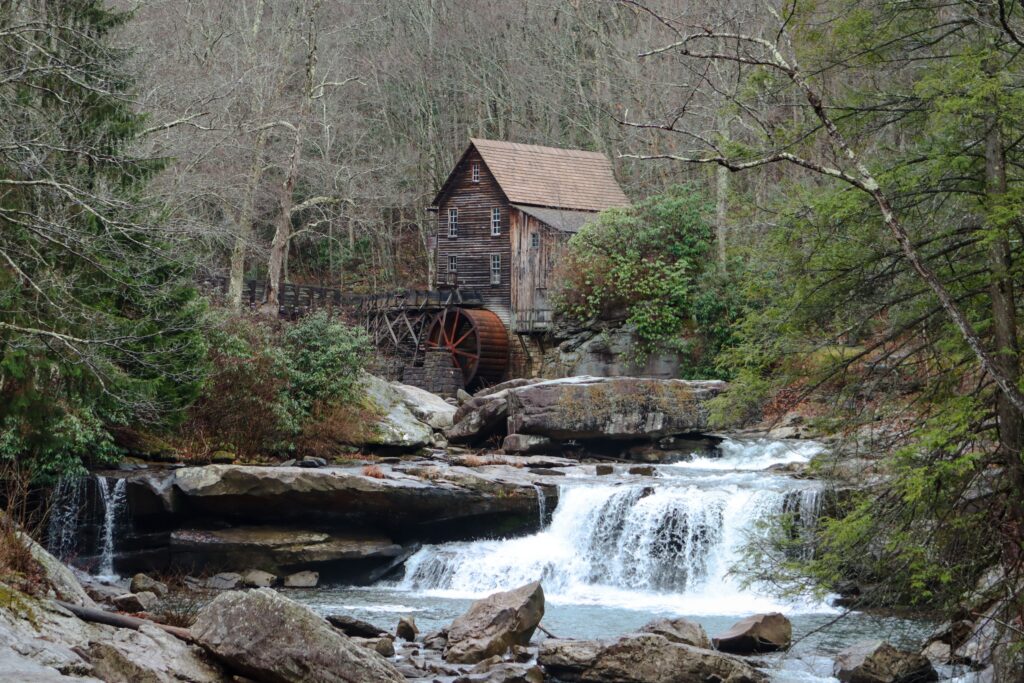
- Blackwater Falls State Park
- Seneca Rocks
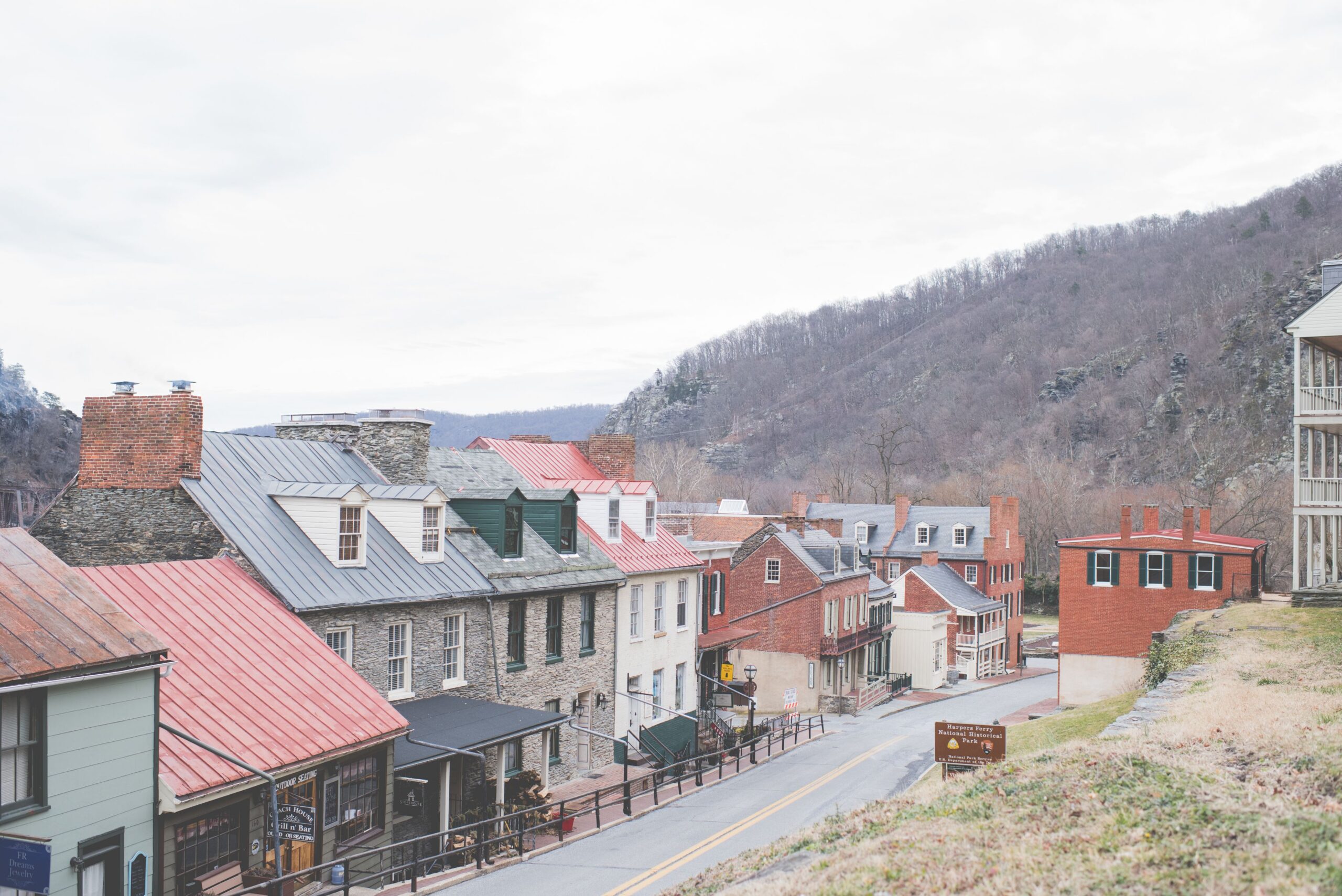
- Harpers Ferry National Historical Park
- Cass Scenic Railroad State Park
These destinations attract millions of visitors annually and contribute significantly to local economies.
The Impact of New River Gorge National Park
One of the most significant developments in recent years has been the elevation of New River Gorge to national park status in 2020.
The designation dramatically increased national awareness of West Virginia tourism.
The park offers:
- World-class whitewater rafting
- Rock climbing
- Hiking
- Mountain biking
- Scenic overlooks
- Wildlife viewing
The iconic New River Gorge Bridge has become one of the state’s most recognizable landmarks and a symbol of its growing tourism industry.
Celebrating Appalachian Culture
West Virginia Day is not only about landscapes.
It is also a celebration of Appalachian culture and traditions.
Visitors can experience:
- Traditional bluegrass music
- Folk art
- Storytelling
- Local crafts
- Regional cuisine
- Historic preservation efforts
These cultural elements provide travelers with experiences that cannot easily be replicated elsewhere.
In an era of increasingly standardized tourism experiences, authentic local culture has become a major attraction.
Tourism’s Economic Importance
Tourism generates billions of dollars in economic activity throughout West Virginia.
The industry supports:
- Hotels and lodging
- Restaurants
- Retail businesses
- Outfitters
- Transportation providers
- Entertainment venues
- Small businesses
Tourism also creates jobs in rural communities where economic diversification can be challenging.
For many towns, visitor spending provides critical revenue that helps sustain local services and infrastructure.
The Rise of Outdoor Adventure Tourism
Outdoor recreation has become one of the fastest-growing segments of West Virginia’s tourism economy.
Popular activities include:
- Whitewater rafting
- Kayaking
- Rock climbing
- Fishing
- Hunting
- Hiking
- Camping
- Off-road trail riding
The state’s rugged terrain and extensive public lands make it particularly attractive to adventure travelers.
As more Americans seek nature-based vacations, West Virginia is increasingly positioned to benefit.
Heritage Tourism Continues to Grow
Another important trend is heritage tourism.
Travelers are showing growing interest in:
- Civil War history
- Railroad heritage
- Coal mining history
- Appalachian settlements
- Historic architecture
Sites such as Harpers Ferry and Cass Scenic Railroad provide opportunities to connect with important chapters of American history.
These attractions help diversify tourism beyond outdoor recreation alone.
Challenges Facing the Tourism Industry
Despite its strengths, West Virginia faces several tourism-related challenges.
These include:
Infrastructure Needs
Some rural destinations require continued investment in roads, broadband access, lodging, and visitor facilities.
Workforce Development
Like many tourism destinations, businesses sometimes struggle to recruit and retain workers during peak travel seasons.
Destination Awareness
Many potential visitors remain unfamiliar with the state’s attractions compared with more established tourism destinations.
Environmental Protection
Growing visitation increases the need for sustainable management of natural resources and public lands.
Balancing growth and conservation remains an ongoing priority.
How West Virginia Day Helps Promote the State
Events held at the State Capitol Complex serve multiple purposes.
They:
- Educate residents about state history
- Encourage civic pride
- Support cultural organizations
- Highlight tourism opportunities
- Promote local businesses
- Attract media attention
By bringing together government agencies, tourism officials, educators, and community groups, the celebration becomes a showcase for everything the state has to offer.
The Future of West Virginia Tourism
The outlook for West Virginia tourism remains promising.
Several factors support continued growth:
- Increased interest in outdoor recreation
- Rising demand for domestic travel
- Expansion of adventure tourism
- Greater recognition of Appalachian culture
- Improved national visibility following New River Gorge’s designation
State leaders continue investing in marketing campaigns, infrastructure improvements, and tourism development initiatives designed to attract visitors from across the United States and beyond.
More Than a State Holiday
West Virginia Day is more than a historical anniversary.
It is an opportunity to celebrate a state that has transformed many of its greatest assets—mountains, rivers, forests, history, and culture—into powerful drivers of tourism and economic development.
As visitors increasingly seek authentic experiences, scenic landscapes, and meaningful connections with local communities, West Virginia may find itself uniquely positioned for long-term tourism success.
The annual celebration serves as a reminder that while the state’s history is worth honoring, its future may be just as compelling.
Frequently Asked Questions (FAQs)
1. What is West Virginia Day?
West Virginia Day is an annual celebration held on June 20 to commemorate West Virginia’s admission to the Union as the 35th U.S. state in 1863.
2. Why is West Virginia historically unique?
West Virginia was formed during the American Civil War when western counties of Virginia separated and remained loyal to the Union, making it the only state created from a Confederate state during the war.
3. What are West Virginia’s most popular tourist attractions?
Major attractions include New River Gorge National Park and Preserve, Blackwater Falls State Park, Seneca Rocks, Harpers Ferry, and Cass Scenic Railroad State Park.
4. How important is tourism to West Virginia’s economy?
Tourism generates billions of dollars in economic activity, supports thousands of jobs, and provides significant revenue for local communities and businesses throughout the state.
5. Why is outdoor recreation important in West Virginia?
The state’s mountains, rivers, forests, and public lands make it a premier destination for activities such as hiking, rafting, rock climbing, camping, fishing, and scenic travel.
Sources 8abc Fox

