
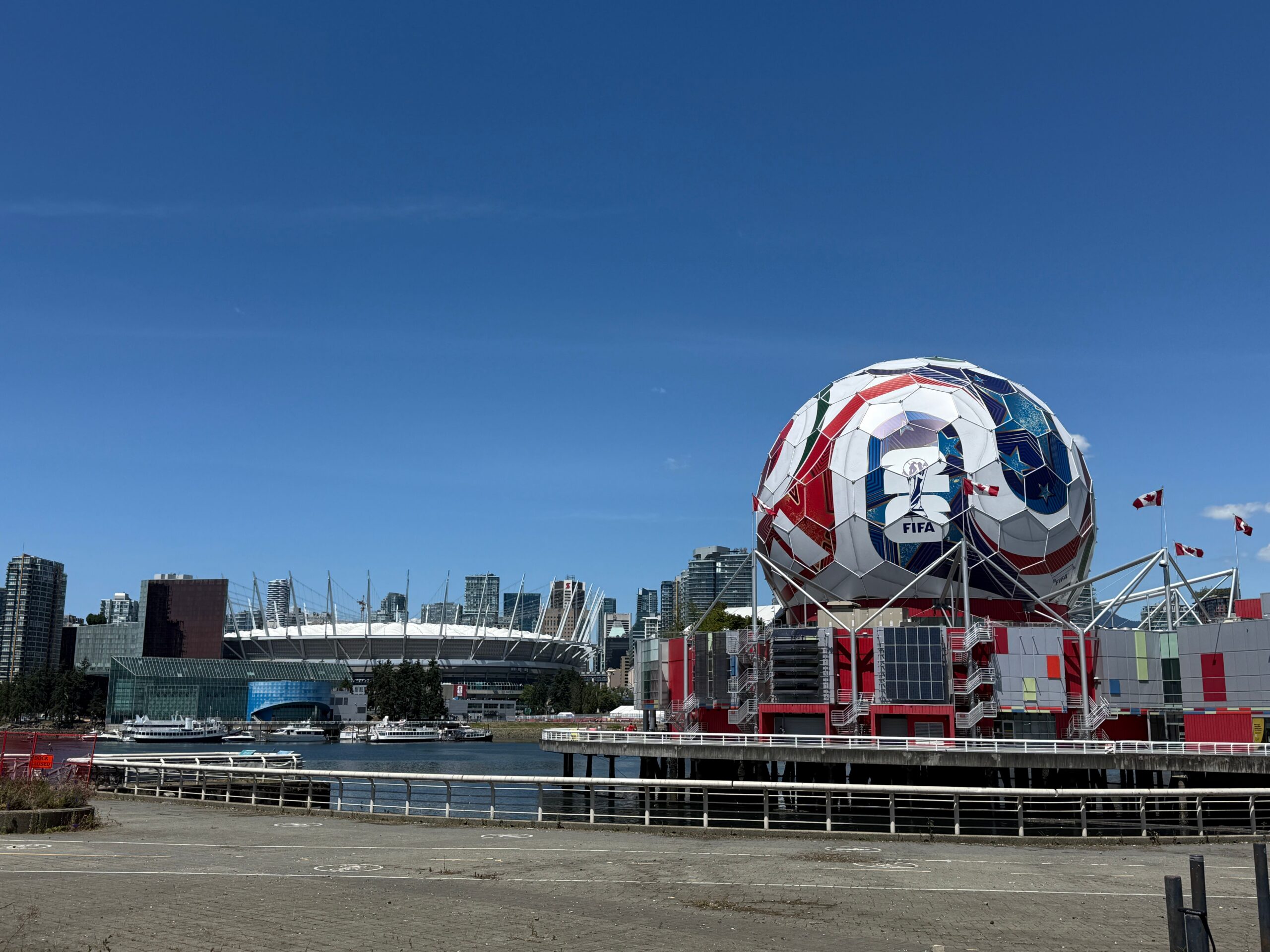
The 2026 FIFA World Cup is more than just the largest sporting event in soccer history—it is also one of the most significant tourism opportunities ever shared by three nations. For the first time, the tournament is being co-hosted by the United States, Canada, and Mexico, creating a continental-scale travel experience expected to attract millions of international visitors and generate billions of dollars in economic activity.
With 48 national teams, 104 matches, and host cities spread across North America, the tournament represents a major evolution in both global sports and tourism. While much attention has focused on the matches themselves, the broader impact on airlines, hotels, transportation networks, local businesses, and destination marketing may prove equally significant.
As travelers begin planning their World Cup journeys, tourism authorities across North America are preparing for what could become one of the largest cross-border travel events ever organized.

Why the 2026 World Cup Is Different
Previous World Cups have typically been hosted by a single nation or, occasionally, two neighboring countries.
The 2026 tournament breaks several records:
- First World Cup hosted by three countries
- Expanded from 32 to 48 teams
- Expanded from 64 to 104 matches
- Expected to welcome millions of international visitors
- Largest geographic footprint in tournament history
The scale of the event means that many fans will not simply travel to one city. Instead, they may visit multiple destinations across North America, turning a sports trip into a multi-country vacation.
The Host Cities: A Tourism Showcase
The tournament’s host cities effectively become global tourism ambassadors.
United States Host Cities
- New York City / New Jersey
- Los Angeles
- Miami
- Dallas
- Houston
- Atlanta
- Seattle
- San Francisco
- Boston
- Philadelphia
- Kansas City
Canada Host Cities
- Toronto
- Vancouver
Mexico Host Cities
- Mexico City
- Guadalajara
- Monterrey
Each city is expected to leverage the event to promote local attractions, cultural experiences, cuisine, entertainment districts, and future tourism opportunities.
A Once-in-a-Generation Economic Opportunity
Major sporting events often generate substantial economic activity, but the World Cup operates on a different scale.
Tourism spending typically includes:
- Airfare
- Hotels
- Restaurants
- Transportation
- Retail purchases
- Entertainment
- Cultural attractions
- Excursions
Economic analysts estimate that billions of dollars could flow into local economies throughout the tournament period.
Unlike events concentrated in a single venue, World Cup tourism spreads spending across numerous cities and regions.

The Rise of Multi-Country Sports Tourism
One of the most unique aspects of the 2026 tournament is the opportunity for fans to visit three countries during a single trip.
A traveler might:
- Watch a group-stage match in Mexico City
- Attend a knockout game in Dallas
- Finish with a semifinal in Toronto
This creates a new category of travel experience that combines:
- Sports tourism
- Cultural tourism
- Urban exploration
- Food tourism
- Road-trip adventures
For many international visitors, the World Cup will become a gateway to discovering North America beyond traditional tourist destinations.
Airlines and Airports Face a Massive Test
The tournament will place enormous pressure on transportation systems.
Airports must prepare for:
- Increased passenger volumes
- International arrivals
- Connecting flights between host cities
- Enhanced security procedures
Major airline hubs are expected to experience significant demand spikes before and during the tournament.
Travel experts anticipate higher airfare prices, particularly for routes connecting host cities.
Early booking is likely to become essential for fans hoping to secure reasonable fares.
Hotels Prepare for Record Demand

Accommodation providers across host cities are preparing for unprecedented demand.
Visitors will compete for:
- Hotels
- Vacation rentals
- Hostels
- Extended-stay accommodations
- Boutique properties
Past World Cups have demonstrated that room rates often increase substantially as tournament dates approach.
Many cities are encouraging visitors to consider surrounding regions rather than limiting searches to downtown areas.
Tourism Benefits Beyond Host Cities
One overlooked aspect of mega-events is the spillover effect.
Not every visitor will remain inside host cities.
Many fans may extend their trips to explore:
United States
- Grand Canyon National Park
- Las Vegas
- Yellowstone National Park
Canada
- Niagara Falls
- Banff National Park
Mexico
- Chichen Itza
- Cancún
This broader travel activity can extend the economic impact far beyond the stadiums themselves.

Border Crossings and Travel Logistics
Because the tournament spans three nations, border management becomes especially important.
Visitors may need to navigate:
- Different visa requirements
- Passport validity rules
- Customs procedures
- Entry authorizations
- Currency exchanges
Travel authorities have been working to streamline processes where possible, but travelers should carefully review entry requirements well before departure.
The World Cup may also encourage future cooperation on tourism and transportation initiatives among the three countries.
The Role of Technology
Technology will play a larger role than ever before.
Fans can expect:
- Mobile ticketing
- Real-time transit information
- Digital travel planning
- AI-powered translation tools
- Crowd management systems
- Smart tourism applications
These tools can help visitors navigate unfamiliar cities more efficiently while improving overall travel experiences.
Sustainability Challenges
Hosting a continent-wide sporting event raises environmental questions.
Challenges include:
- Long-distance air travel
- Carbon emissions
- Waste management
- Stadium operations
- Resource consumption
Many host cities are promoting sustainability initiatives such as:
- Public transportation use
- Renewable energy projects
- Recycling programs
- Green venue operations
The tournament may become an important test case for balancing mega-event tourism with environmental responsibility.
Cultural Exchange on a Massive Scale
Beyond economics, the World Cup serves as a powerful platform for cultural exchange.
Millions of visitors from dozens of countries will interact with:
- Local communities
- Businesses
- Cultural institutions
- Volunteers
- Fellow travelers
The result is a unique environment where sport becomes a bridge connecting people from vastly different backgrounds.
Such interactions often create lasting impressions that influence future travel decisions long after the tournament concludes.
Security and Visitor Experience
Large international events require extensive security planning.
Authorities across North America are coordinating efforts related to:
- Crowd safety
- Transportation security
- Emergency response
- Cybersecurity
- Public health preparedness
A smooth visitor experience will be critical to ensuring positive perceptions of the host countries.
Long-Term Tourism Legacy
Historically, successful World Cups generate benefits that extend beyond the tournament itself.
Potential long-term advantages include:
- Increased international visibility
- Improved infrastructure
- Stronger tourism brands
- Future event-hosting opportunities
- Expanded air connectivity
Many destinations use major sporting events as opportunities to introduce themselves to new global audiences.
For numerous visitors, the 2026 World Cup may be their first experience in North America—but not their last.
A New Era of Sports Tourism
The 2026 FIFA World Cup represents more than an expanded soccer tournament.
It marks the emergence of a new model for global sports tourism—one that combines international competition, multi-country travel, cultural exploration, and economic cooperation on an unprecedented scale.
For the United States, Canada, and Mexico, success will be measured not only by what happens on the pitch but also by how effectively they welcome millions of visitors and showcase the diversity, culture, and attractions of North America.
When the final whistle blows, the tournament’s most enduring legacy may be the memories created by travelers who experienced three nations through the universal language of sport.
Frequently Asked Questions (FAQs)
1. Why is the 2026 FIFA World Cup historically significant?
It is the first World Cup jointly hosted by three countries—the United States, Canada, and Mexico—and the first tournament featuring 48 teams and 104 matches.
2. How many cities will host World Cup matches?
The tournament will be held across 16 host cities in North America, including 11 in the United States, 2 in Canada, and 3 in Mexico.
3. Will the World Cup boost tourism?
Yes. The tournament is expected to attract millions of international visitors and generate billions of dollars in tourism-related spending across transportation, hospitality, dining, retail, and entertainment sectors.
4. Should travelers book flights and hotels early?
Absolutely. Demand for accommodation and transportation is expected to be extremely high, especially during knockout-stage matches and in major host cities.
5. Can fans visit all three host countries during the tournament?
Yes. Many travelers are expected to create multi-country itineraries that include matches and tourism experiences across the United States, Canada, and Mexico, although they should check visa and entry requirements in advance.

Sources The New York Times

