
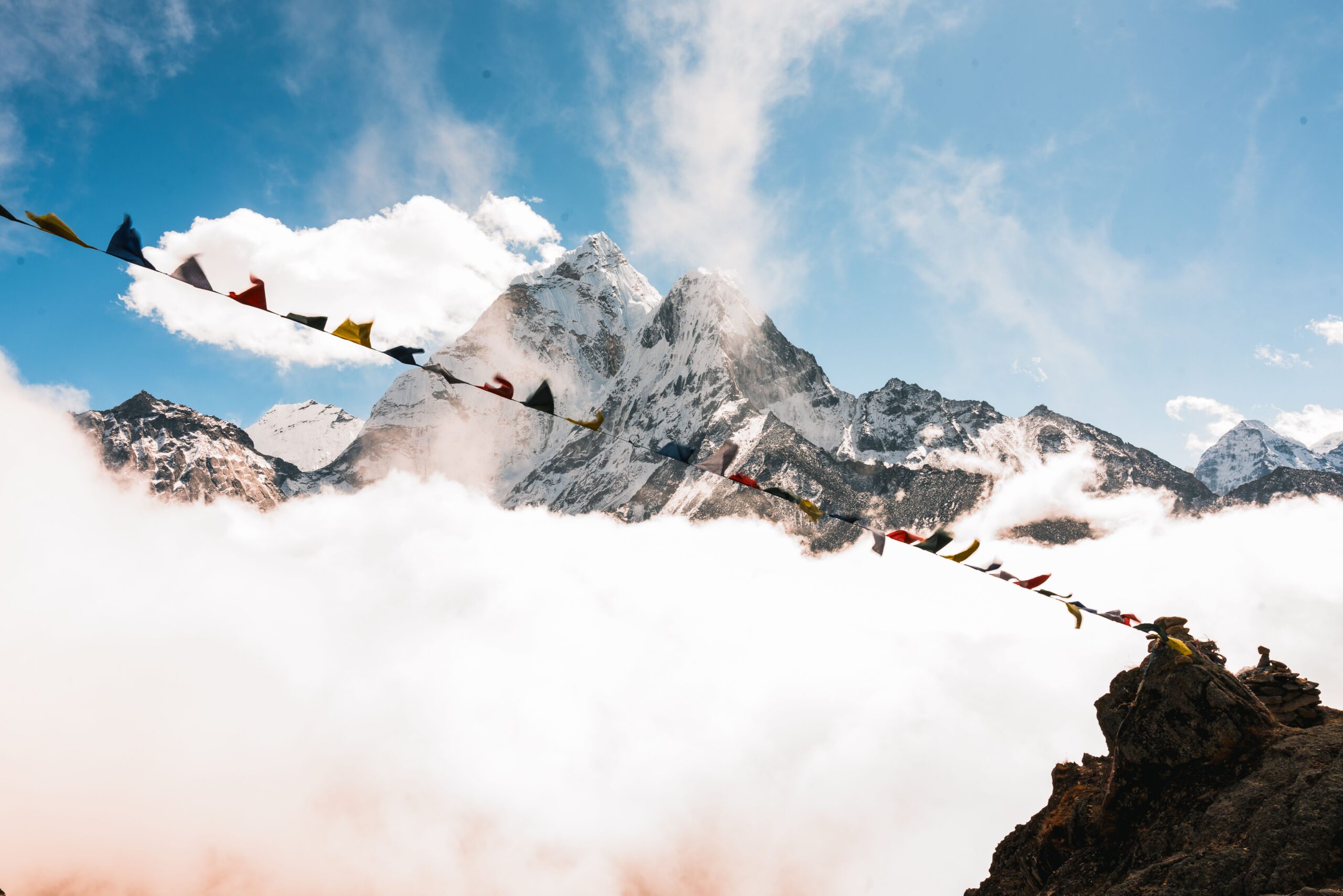
Mount Everest has long symbolized the ultimate human challenge. Standing at 8,848.86 meters (29,031.7 feet), the world’s highest mountain attracts climbers from every corner of the globe, each seeking the prestige of reaching Earth’s highest point.
But a recent story of an Everest guide’s extraordinary survival has once again highlighted the immense dangers of high-altitude mountaineering and reignited discussions about the sustainability of Everest tourism.
While the guide’s survival has been described by many as miraculous, the incident has also drawn attention to broader questions facing Nepal’s mountain tourism industry: Are too many climbers attempting Everest? Are safety standards keeping pace with growing demand? And how can authorities balance economic benefits with the risks faced by guides, climbers, and rescue teams?
The answers are becoming increasingly important as Everest experiences record numbers of visitors and growing environmental pressures.
Everest: The World’s Most Famous Mountain
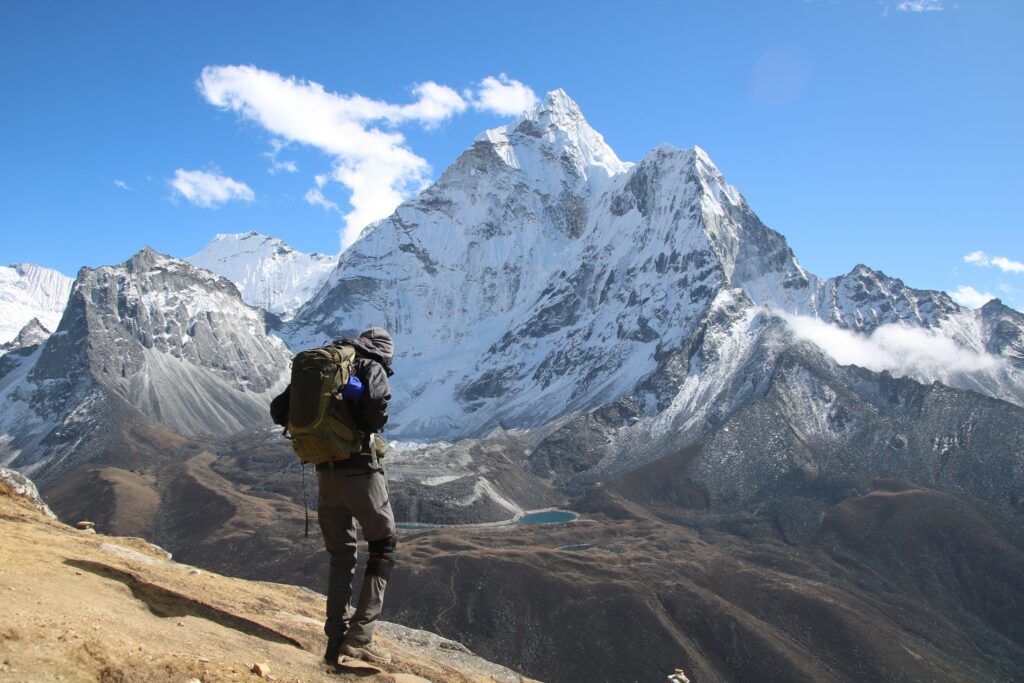
Mount Everest sits on the border between Nepal and the China-controlled Tibetan Plateau.
Since the historic first ascent by Edmund Hillary and Tenzing Norgay in 1953, Everest has become the ultimate destination for adventure seekers.
What was once an expedition attempted by elite mountaineers has evolved into a global tourism industry worth millions of dollars annually.
Today, commercial expeditions allow relatively inexperienced climbers—with sufficient training, funding, and support—to attempt the summit.
The Reality Behind the Summit Dream
Images of triumphant climbers holding flags at the summit often overshadow the harsh realities of Everest.
Climbers face numerous hazards, including:
- Extreme cold
- High winds
- Avalanches
- Falling ice
- Crevasses
- Altitude sickness
- Frostbite
- Oxygen deprivation
Above approximately 8,000 meters lies what mountaineers call the “Death Zone.”
At this altitude:
- Oxygen levels are roughly one-third of those at sea level.
- Human bodies begin to deteriorate rapidly.
- Decision-making becomes impaired.
- Recovery becomes increasingly difficult.
Even minor mistakes can have fatal consequences.
Why the Guide’s Survival Is So Remarkable
High-altitude survival stories are rare because conditions near the summit are among the most hostile environments on Earth.
When climbers become stranded, injured, or incapacitated in the Death Zone, rescue operations become extraordinarily difficult.
Challenges include:
- Thin air limiting helicopter performance
- Dangerous terrain
- Rapid weather changes
- Physical exhaustion among rescuers
- Limited medical resources at extreme altitude
The survival of any climber under such circumstances often depends on a combination of preparation, experience, teamwork, weather conditions, and extraordinary luck.
For guides working repeatedly at high altitudes, the risks are multiplied by repeated exposure throughout each climbing season.
The Unsung Heroes of Everest
Much of Everest’s tourism industry depends on Nepal’s highly skilled mountain guides.
Many belong to the Sherpa community, whose expertise has become essential to modern Everest expeditions.
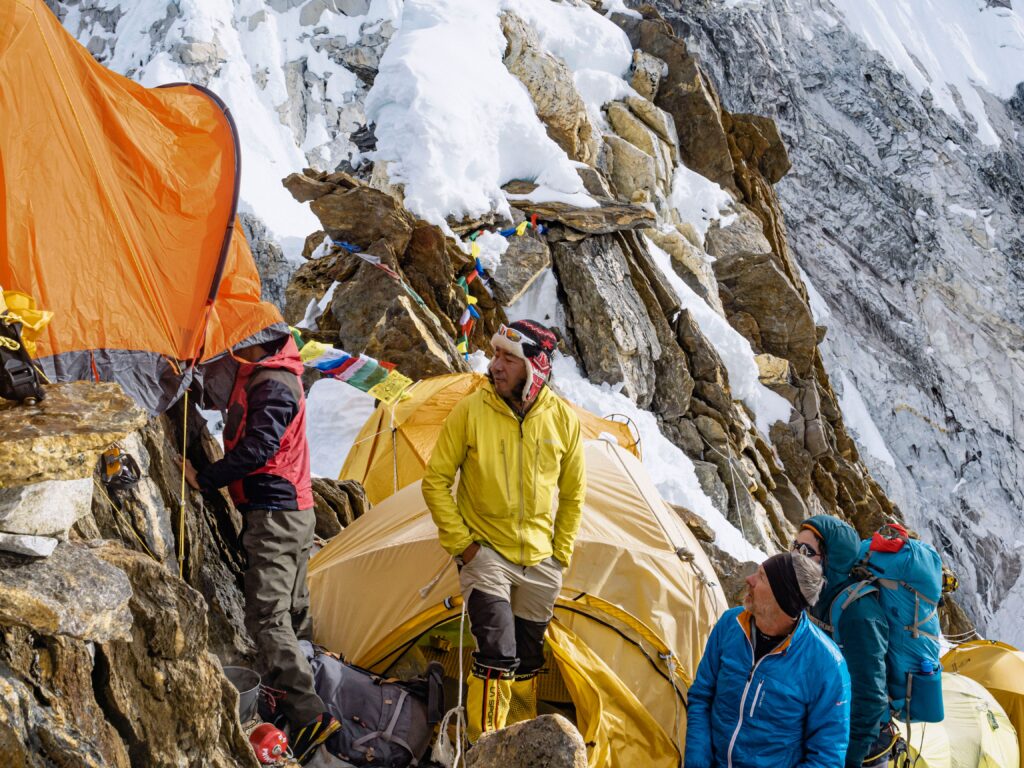
Guides routinely:
- Fix ropes
- Carry supplies
- Establish camps
- Manage logistics
- Assist struggling climbers
- Coordinate rescues
In many cases, guides face the greatest risks while enabling clients to pursue summit attempts.
Yet despite their crucial role, discussions about Everest often focus primarily on foreign climbers rather than the local professionals who make ascents possible.
The Economic Importance of Everest Tourism
Mountaineering is a vital component of Nepal’s economy.
Tourism contributes significantly to national income, and Everest expeditions generate substantial revenue through:
- Climbing permits
- Lodging
- Transportation
- Guide services
- Equipment rentals
- Food supplies
- Insurance
- Rescue operations
For many mountain communities, climbing seasons provide critical employment opportunities.
Some estimates suggest that a single Everest expedition can cost participants between $40,000 and $150,000 or more, depending on the level of support provided.
This economic importance partly explains why Nepal continues to issue large numbers of climbing permits each year.
Has Everest Become Too Crowded?
One of the most controversial questions in modern mountaineering concerns overcrowding.
In recent years, photographs showing long lines of climbers near the summit have sparked global concern.
Critics argue that overcrowding can:
- Increase waiting times in the Death Zone
- Create bottlenecks on narrow routes
- Raise accident risks
- Complicate rescue efforts
- Strain environmental resources
Supporters of commercial expeditions counter that improved logistics and weather forecasting have made Everest safer and more accessible than in previous decades.
Nevertheless, crowd management remains one of the mountain’s biggest challenges.
The Impact of Climate Change
Climate change is altering the Himalayas in ways that directly affect climbers and local communities.
Scientists have observed:
- Accelerated glacier melting
- Reduced snow cover
- Unstable ice formations
- Increased rockfall risks
- Changes in weather patterns
The famous Khumbu Icefall, one of Everest’s most dangerous sections, may become increasingly unstable as temperatures rise.
Melting glaciers are also exposing long-buried debris and human remains, creating additional environmental and ethical challenges.
The Hidden Environmental Cost of Everest
The growing popularity of Everest has brought environmental concerns into sharper focus.
Problems include:
Waste Management
Climbers generate:
- Food packaging
- Oxygen cylinders
- Human waste
- Camping equipment waste
Although cleanup efforts have improved significantly, waste remains an ongoing issue.
Ecosystem Stress
Large numbers of visitors place pressure on fragile mountain ecosystems and local resources.
Carbon Footprint
International travel to Nepal contributes to the overall environmental impact of mountain tourism.
Balancing economic benefits with environmental protection remains a key challenge.
Advances in Rescue Technology
Modern technology has improved survival chances on Everest.
Tools now commonly used include:
- GPS tracking devices
- Satellite communications
- Weather forecasting systems
- High-altitude helicopters
- Portable oxygen systems
- Telemedicine support
These innovations have made expeditions safer than in previous decades.
However, technology cannot eliminate the fundamental risks associated with extreme altitude.
The Psychology of Everest
Why do climbers continue pursuing Everest despite the dangers?
Researchers cite several motivations:
- Personal achievement
- Adventure
- Exploration
- Status and recognition
- Testing physical limits
- Lifelong dreams
For many climbers, Everest represents a once-in-a-lifetime goal that transcends ordinary travel experiences.
Critics sometimes argue that summit ambitions can cloud judgment, leading individuals to take risks they might otherwise avoid.
Ethical Questions in Adventure Tourism
The guide’s survival story has renewed discussion about ethics within commercial mountaineering.
Questions include:
- Should stricter experience requirements be imposed?
- Are some climbers insufficiently prepared?
- Should permit numbers be capped?
- How should rescue responsibilities be shared?
- Are guides adequately compensated for the risks they assume?
These debates are likely to intensify as climbing demand continues to grow.
How Nepal Is Responding
Nepalese authorities have introduced various measures over the years aimed at improving safety and sustainability.
These include:
- Permit regulations
- Waste-deposit programs
- Rescue coordination improvements
- Infrastructure upgrades
- Environmental initiatives
Some experts advocate for additional reforms, including mandatory experience requirements for Everest climbers.
Such measures could potentially reduce congestion and improve safety outcomes.
The Future of Himalayan Tourism
Everest’s popularity shows little sign of declining.
At the same time, the tourism industry faces increasing pressure to address:
- Safety concerns
- Environmental impacts
- Climate change
- Infrastructure needs
- Community benefits
Adventure travelers are also showing growing interest in alternative Himalayan destinations that offer challenging experiences without Everest’s crowds.
This diversification could help reduce pressure on the world’s highest peak while spreading economic benefits across broader regions.
More Than a Survival Story
The remarkable survival of an Everest guide is ultimately about more than one individual’s resilience.
It serves as a reminder of the extraordinary risks faced by those who work on the mountain, the growing complexities of modern adventure tourism, and the difficult choices confronting Nepal’s tourism industry.
Everest remains one of humanity’s greatest adventures.
But as visitor numbers grow and environmental pressures increase, ensuring that the mountain remains both accessible and sustainable will require careful planning, responsible tourism practices, and continued respect for one of the most challenging environments on Earth.
Frequently Asked Questions (FAQs)
1. Why is Mount Everest so dangerous?
Everest exposes climbers to extreme cold, low oxygen levels, avalanches, crevasses, severe weather, and altitude-related illnesses. Conditions become especially dangerous above 8,000 meters in the Death Zone.
2. Who are the Sherpas on Everest?
Sherpas are members of an ethnic group native to the Himalayan region. Many work as highly skilled mountain guides, climbers, and expedition support staff on Everest and other peaks.
3. How much does it cost to climb Everest?
Commercial expeditions typically cost between $40,000 and $150,000 or more, depending on the level of support, logistics, oxygen supplies, and guiding services included.
4. Is Everest becoming overcrowded?
Many experts believe increasing numbers of climbers have contributed to congestion near the summit, particularly during favorable weather windows, raising concerns about safety and rescue operations.
5. How is climate change affecting Everest?
Climate change is accelerating glacier melt, destabilizing ice formations, increasing rockfall risks, altering weather patterns, and creating new challenges for climbers, guides, and local communities.
Sources BBC

