
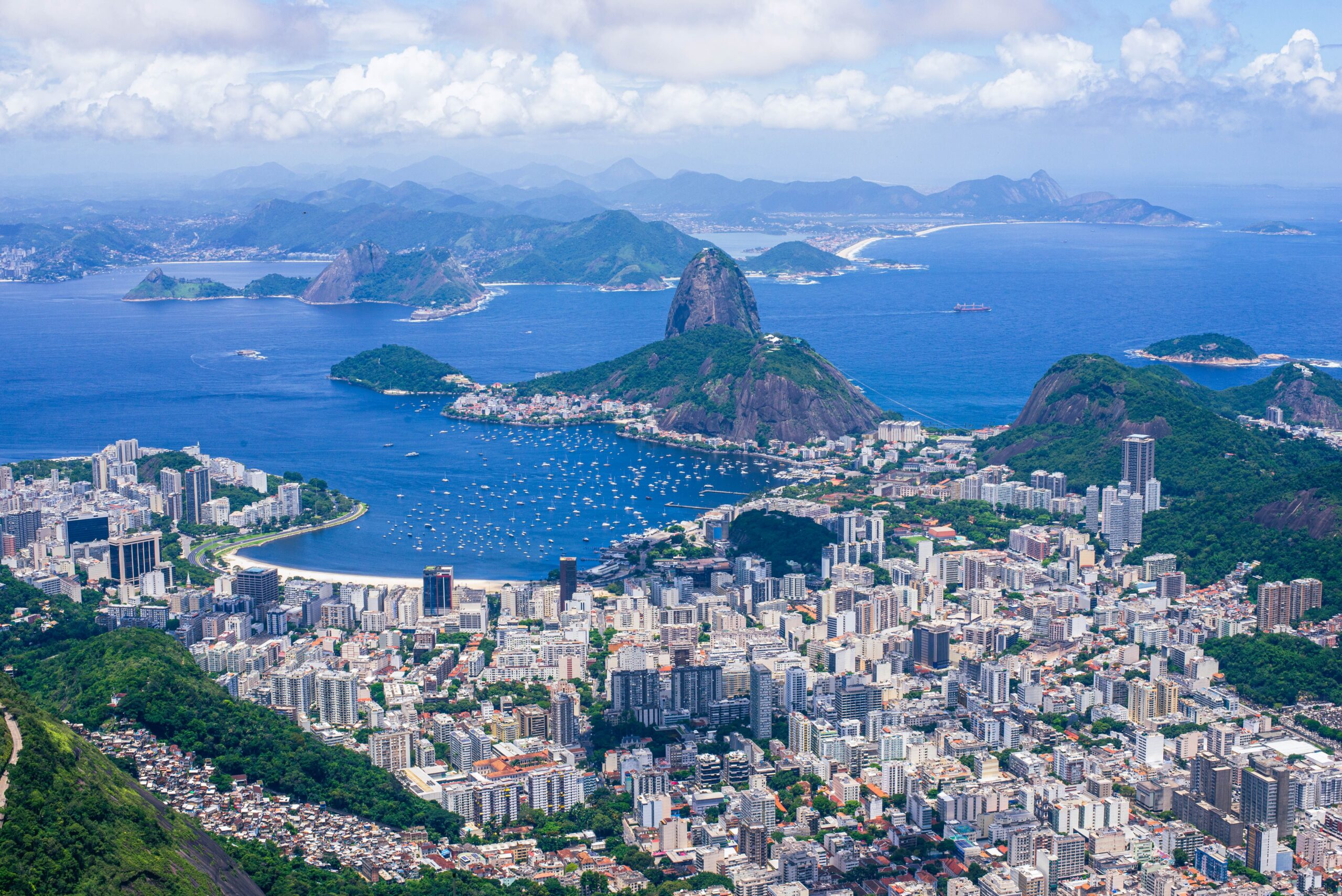
Rio de Janeiro has long been synonymous with spectacular beaches, vibrant nightlife, samba rhythms, and iconic landmarks such as Christ the Redeemer and Sugarloaf Mountain. But in 2026, the Brazilian city is experiencing a tourism surge unlike anything seen in recent decades.
A record number of international visitors are arriving in Rio, attracted not only by its world-famous coastline but also by its evolving culinary scene, cultural experiences, music, outdoor adventures, and increasingly, guided visits to some of the city’s favelas. The tourism boom is generating billions of dollars for the local economy while raising important questions about sustainability, cultural preservation, and how the city can grow without losing its unique identity.
A Record-Breaking Tourism Recovery
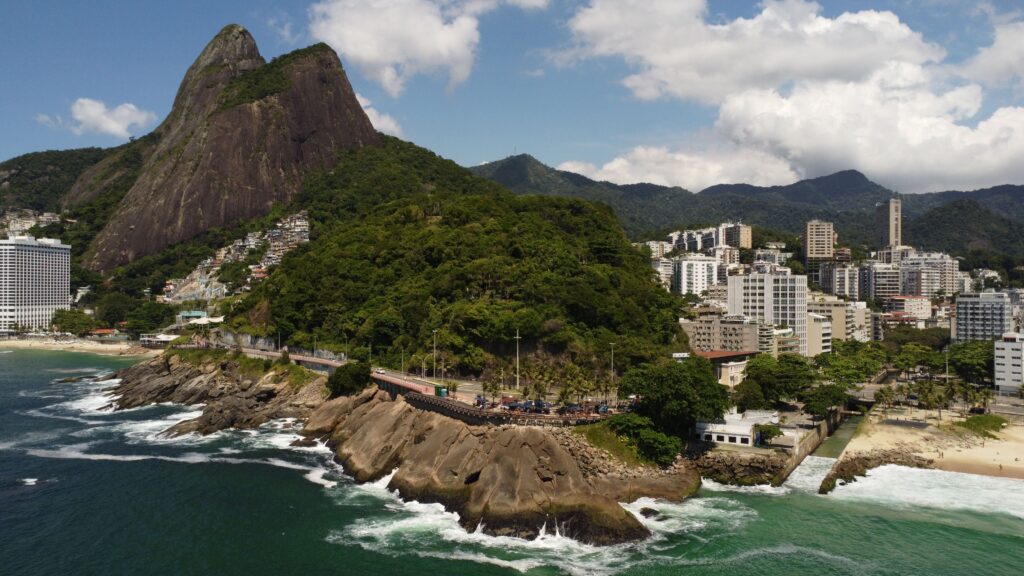
Rio’s tourism industry has rebounded dramatically following years of global travel disruptions. According to city and tourism officials, Rio welcomed approximately 12.5 million visitors in 2025, the highest figure in its history. International arrivals surpassed 2 million visitors, representing growth of more than 40% compared with previous years. Tourism spending generated billions of reais for the local economy and supported thousands of jobs across hospitality, transportation, retail, and entertainment sectors.
Several factors are driving this growth:
- Expanded international flight routes
- Improved airport connectivity
- Strong global interest in Brazilian culture
- Social media exposure
- Major events and concerts
- Favorable exchange rates for many foreign visitors
- Growing demand for authentic travel experiences
Beyond Copacabana: Tourists Are Exploring More of Rio
For decades, most international visitors concentrated their time around:
- Copacabana
- Ipanema
- Leblon
- Christ the Redeemer
- Sugarloaf Mountain
Today, many travelers are venturing beyond these traditional attractions.
Visitors are increasingly interested in:
- Local food experiences
- Street art
- Community-based tourism
- Hiking and eco-tourism
- Cultural immersion programs
- Music and dance experiences
- Favela-guided tours
This shift reflects a broader global tourism trend in which travelers seek deeper engagement with local culture rather than simply visiting famous landmarks.
The Rise of Favela Tourism
One of the most notable developments in Rio’s tourism sector is the growing interest in favela tourism.
Favelas are informal urban communities that have historically been associated in international media with poverty, crime, and social inequality. However, many residents argue that these portrayals fail to capture the rich cultural life, entrepreneurship, artistic expression, and community spirit that exist within these neighborhoods.
Guided tours now allow visitors to learn directly from local residents about:
- Community history
- Urban development
- Local businesses
- Street art
- Music traditions
- Social projects
- Everyday life in Rio’s hillside neighborhoods
Some favela residents have successfully transformed tourism into a source of income, creating jobs as guides, business owners, artists, and hospitality providers.
The Debate Around Ethical Favela Tourism
The growth of favela tourism is not without controversy.
Critics argue that some forms of favela tourism can resemble “poverty tourism,” where visitors observe disadvantaged communities without meaningfully benefiting local residents.
Supporters counter that responsible, community-led tourism can:
- Generate local income
- Challenge stereotypes
- Promote cultural understanding
- Support social projects
- Create employment opportunities
- Encourage investment in underserved neighborhoods
The key distinction often lies in who controls the tourism experience and whether economic benefits remain within the community.
Social Media’s Role in Rio’s Popularity
Social media platforms have become powerful marketing tools for Rio.
Drone footage showcasing:
- Rooftop views from hillside neighborhoods
- Beach sunsets
- Mountain landscapes
- Samba performances
- Carnival celebrations
has helped introduce Rio to new audiences worldwide.
Travel influencers increasingly promote lesser-known areas of the city, encouraging visitors to explore neighborhoods and experiences beyond the traditional tourist circuit.
Tourism’s Economic Benefits
The tourism boom has become a major economic engine.
Benefits include:
Job Creation
Tourism supports employment in:
- Hotels
- Restaurants
- Transportation
- Tour operations
- Retail businesses
- Entertainment venues
Small Business Growth
Local entrepreneurs are benefiting from increased demand for:
- Guided tours
- Handmade crafts
- Food experiences
- Cultural workshops
- Transportation services
Infrastructure Investment
Higher visitor numbers often justify investments in:
- Public transportation
- Airport modernization
- Urban beautification
- Public safety initiatives
- Digital tourism services
These improvements can benefit both visitors and residents.
Challenges Created by Tourism Growth
While tourism brings economic opportunities, rapid growth also creates challenges.
Rising Prices
Increased demand can contribute to:
- Higher hotel rates
- Increased restaurant prices
- More expensive housing
- Cost-of-living pressures for residents
Reports have already noted concerns about inflation in some tourism-heavy areas.
Crowding
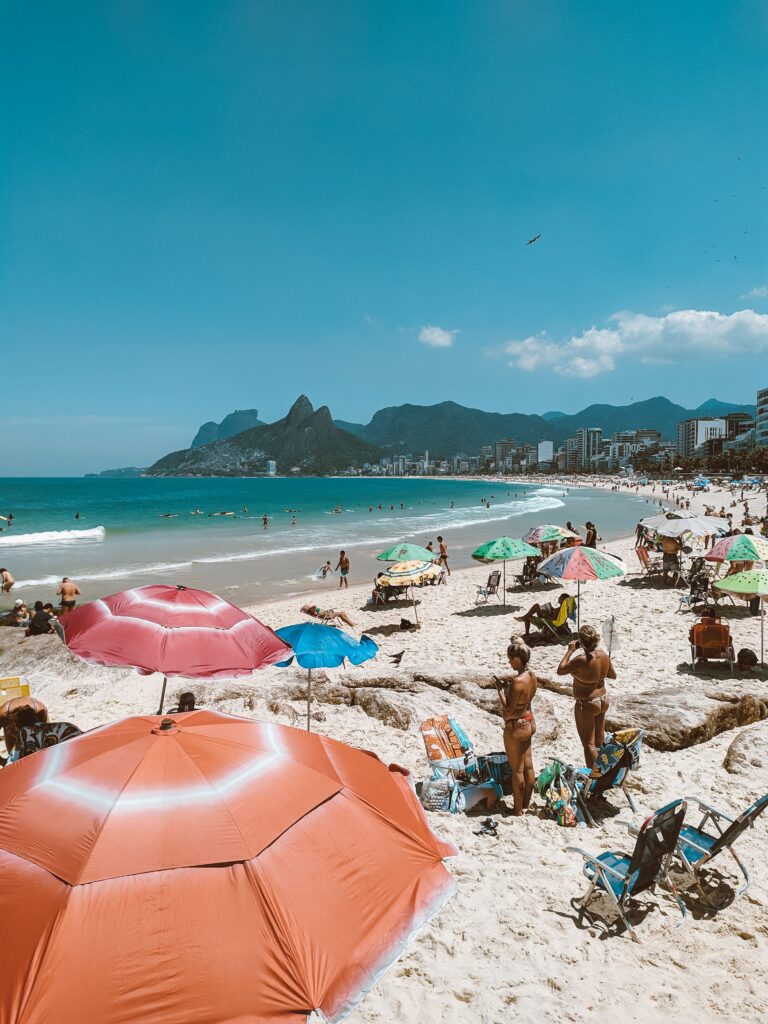
Popular beaches and attractions can become overcrowded during peak travel periods.
Pressure on Infrastructure
Growing visitor numbers place additional strain on:
- Transportation networks
- Waste management systems
- Public services
- Environmental resources
Cultural Preservation
Residents and policymakers face the challenge of maintaining Rio’s authentic character while accommodating millions of visitors.
Rio’s Natural Attractions Remain a Major Draw
Despite growing interest in cultural tourism, Rio’s natural beauty remains central to its appeal.
Visitors continue to flock to:
- Copacabana Beach
- Ipanema Beach
- Tijuca National Park
- Sugarloaf Mountain
- Pedra Branca State Park
- Coastal hiking trails
- Atlantic Forest ecosystems
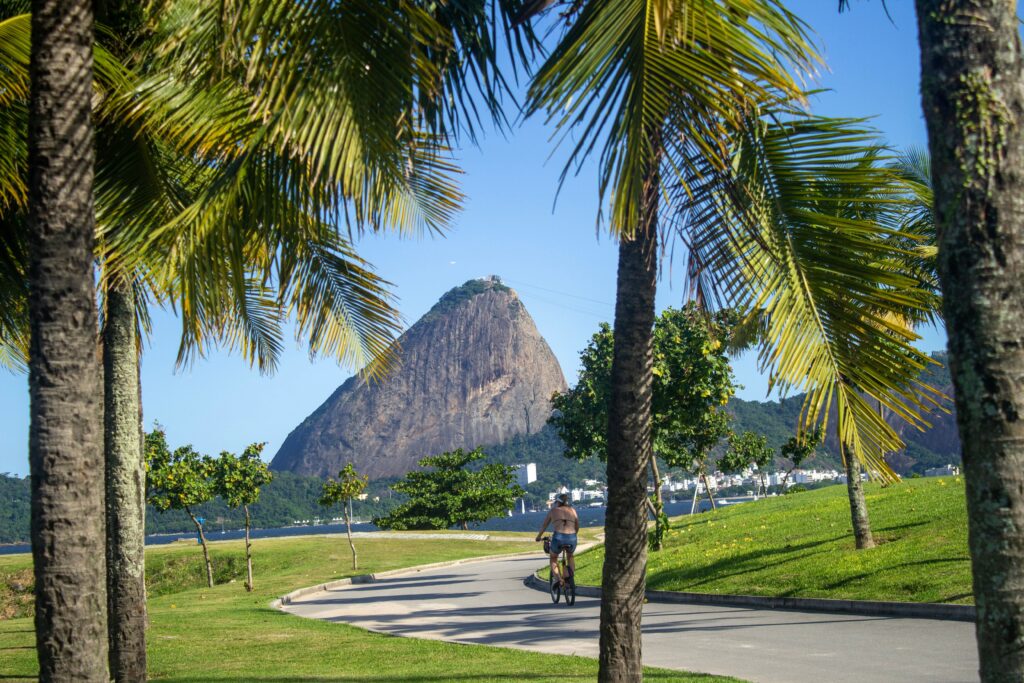
Rio remains one of the few major global cities where mountains, forests, beaches, and dense urban development coexist in close proximity.
Safety and Visitor Awareness
Safety remains an important consideration for travelers.
While millions visit Rio safely each year, travel experts recommend:
- Using registered transportation services
- Staying aware of surroundings
- Avoiding isolated areas at night
- Participating in organized tours when visiting unfamiliar neighborhoods
- Following local guidance and official travel advice
Responsible tourism operators increasingly emphasize visitor education and cultural sensitivity.
Can Rio Grow Without Losing Its Soul?
Perhaps the most important question facing Rio is how to balance tourism growth with community well-being.
Urban planners, tourism officials, business leaders, and residents are increasingly focused on:
- Sustainable tourism practices
- Community-led development
- Cultural preservation
- Equitable economic benefits
- Environmental protection
Success will depend on ensuring that tourism enhances local quality of life rather than overwhelming the communities that make Rio unique.
The Future of Tourism in Rio
Rio’s tourism renaissance reflects broader shifts occurring throughout global travel.
Visitors increasingly want:
- Authentic experiences
- Cultural immersion
- Local interaction
- Sustainable tourism options
- Unique stories rather than standard sightseeing
If managed responsibly, Rio could become a global model for balancing mass tourism with cultural authenticity.
The city’s beaches may remain its most recognizable symbol, but its future tourism success may increasingly depend on the stories, communities, creativity, and cultural richness found far beyond the shoreline.
Frequently Asked Questions (FAQs)
1. Why is tourism growing so rapidly in Rio de Janeiro?
Several factors are contributing, including expanded international flight connections, favorable exchange rates, strong social media exposure, major events, and growing interest in authentic cultural experiences.
2. What is favela tourism?
Favela tourism involves guided visits to some of Rio’s informal communities where visitors learn about local culture, history, art, and daily life directly from residents and local guides.
3. Is favela tourism controversial?
Yes. Critics worry about exploitation and “poverty tourism,” while supporters argue that community-led tourism can create jobs, challenge stereotypes, and generate local economic benefits.
4. How many tourists visit Rio annually?
Rio welcomed approximately 12.5 million visitors in 2025, including more than 2 million international tourists, making it one of the strongest tourism years in the city’s history.
5. Is Rio safe for tourists?
Most tourists visit Rio without serious issues, especially in major tourism districts. However, travelers should follow standard urban safety precautions, stay informed, and use reputable transportation and tour operators.
Sources The Washington Post

