
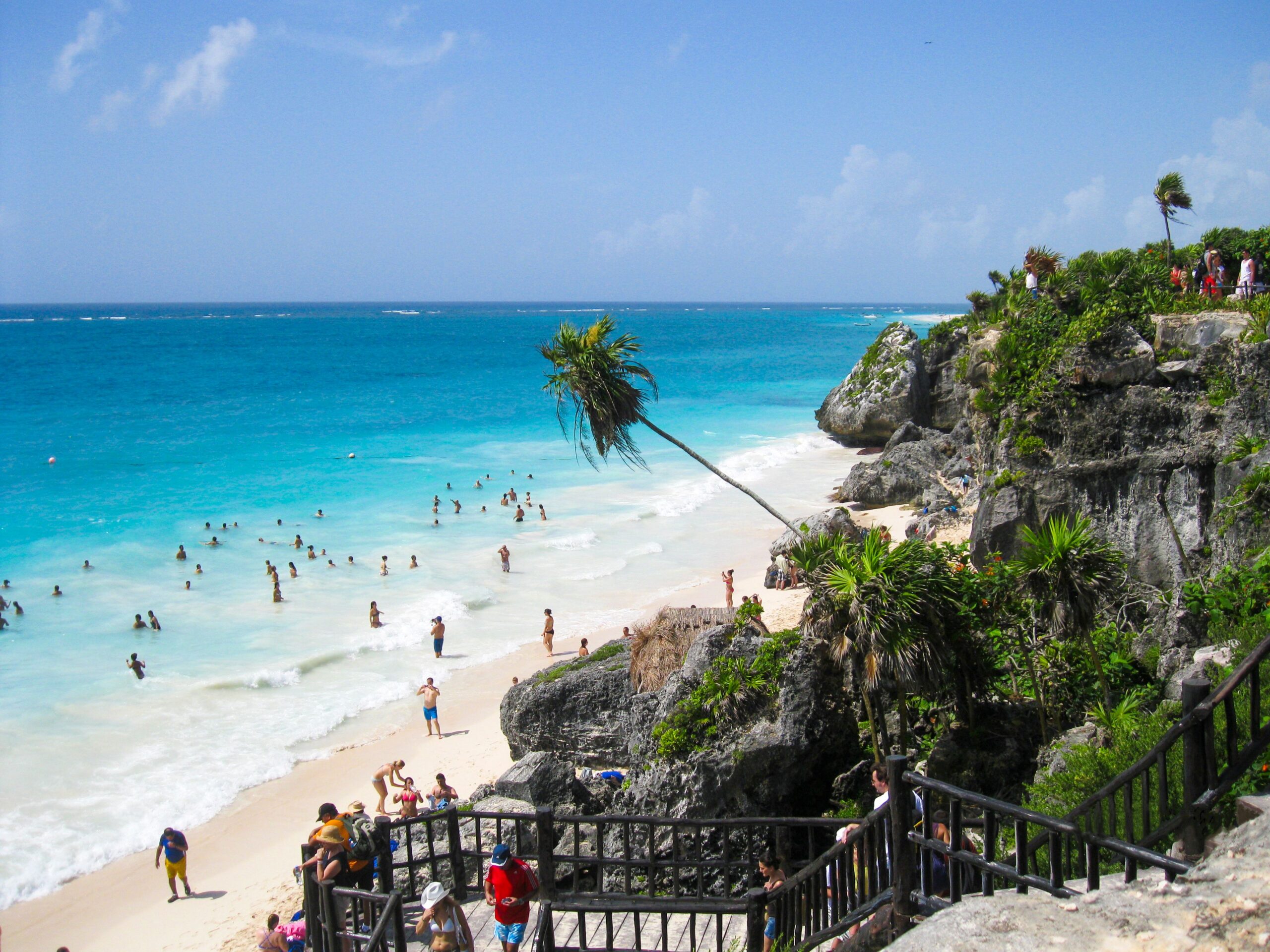
For decades, Caribbean tourism marketing largely revolved around a familiar formula: white-sand beaches, luxury resorts, turquoise waters, and year-round sunshine. While those attractions remain powerful draws, a new tourism movement is gaining momentum across the region.
Increasingly, travelers are seeking something deeper than a beach vacation. They want meaningful cultural experiences, local connections, authentic food, music, storytelling, and opportunities to understand the communities they visit.
This shift is transforming how destinations market themselves and how tourism leaders think about economic development. In the Cayman Islands and throughout the Caribbean, cultural advocates and tourism professionals are working to ensure that local identity becomes a central part of the visitor experience rather than a secondary attraction. These themes were highlighted in a recent conversation with Patrice Beersingh of Brand Caribe, who emphasized the importance of culture, music festivals, and community engagement in shaping the future of Caribbean tourism.
The Evolution of Caribbean Tourism
The Caribbean remains one of the world’s most tourism-dependent regions.
Tourism contributes significantly to employment, foreign exchange earnings, government revenue, and small business growth throughout the islands. However, many destinations have historically faced a challenge: visitors often spend most of their time within resorts, limiting economic benefits for local communities.
Traditional tourism models typically concentrated spending in:
- Large resorts
- Cruise terminals
- International hotel chains
- Foreign-owned tourism operators
While these sectors generate substantial revenue, policymakers increasingly recognize that a sustainable tourism economy requires stronger connections between visitors and local businesses.
The modern traveler is no longer satisfied with simply seeing a destination. Increasingly, they want to experience it.
The Rise of Cultural Tourism
Cultural tourism has emerged as one of the fastest-growing segments of global travel.
Rather than focusing solely on sightseeing, cultural travelers seek:
- Local traditions
- Historical experiences
- Music and festivals
- Regional cuisine
- Arts and crafts
- Community interaction
- Indigenous and heritage storytelling
Research consistently shows that travelers who engage in cultural activities often stay longer and spend more than visitors who focus exclusively on beach tourism.
For Caribbean destinations, this trend creates a major opportunity.
Instead of competing only on natural beauty, islands can differentiate themselves through their unique cultural identities.
Why Authenticity Matters More Than Ever
In the age of social media and digital travel planning, authenticity has become a valuable commodity.
Travelers increasingly seek experiences that cannot be replicated elsewhere.
They want to:
- Learn local recipes
- Attend community festivals
- Meet artists and musicians
- Explore historic neighborhoods
- Understand local traditions
- Participate in cultural celebrations
Authentic experiences create stronger emotional connections and often become the most memorable parts of a trip.
This shift benefits local entrepreneurs, cultural organizations, and community-based tourism initiatives.
Music Festivals as Economic Engines
One of the most powerful cultural tourism tools is music.
Music festivals have evolved from entertainment events into major tourism drivers.
Around the world, successful festivals generate:
- Hotel bookings
- Restaurant revenue
- Transportation demand
- Media exposure
- International visitation
- Destination branding opportunities
The Caribbean is uniquely positioned to capitalize on music tourism because of its rich musical heritage.
The region has influenced global music through:
- Reggae
- Dancehall
- Soca
- Calypso
- Zouk
- Chutney music
- Steelpan traditions
- Caribbean jazz
Music festivals allow destinations to showcase culture while creating economic opportunities for local performers, vendors, and hospitality businesses.
The Cayman Islands’ Growing Cultural Identity
Although the Cayman Islands are often associated with luxury travel and financial services, the destination also possesses a rich cultural heritage that many international visitors know little about.
The islands’ history includes influences from:
- Maritime traditions
- Fishing communities
- Caribbean migration
- British colonial heritage
- African cultural influences
Tourism leaders increasingly recognize that highlighting these stories can enrich the visitor experience while strengthening local pride.
Cultural programming helps travelers understand that the Cayman Islands are more than a beach destination—they are living communities with unique histories and traditions.
The Economic Value of “The Local”
One of the most important ideas emerging in modern tourism is the value of local participation.
When visitors spend money at locally owned businesses, economic benefits often remain within the community.
Examples include:
- Family-owned restaurants
- Artisan markets
- Independent tour guides
- Cultural workshops
- Local transportation providers
- Community events
This economic circulation creates what development experts call a “multiplier effect,” where tourism revenue supports a wider range of residents.
As a result, destinations increasingly prioritize community-led tourism strategies that allow local people to benefit directly from visitor spending.
Food Tourism: A Cultural Gateway
Cuisine often serves as a visitor’s first introduction to local culture.
Caribbean food reflects centuries of migration, trade, adaptation, and cultural exchange.
Popular culinary experiences include:
- Seafood traditions
- Farm-to-table dining
- Local markets
- Rum tastings
- Cooking classes
- Street food tours
Food tourism allows travelers to connect with history, geography, and culture through a universal experience: eating.
Many destinations now view gastronomy as a strategic tourism asset equal to beaches or landmarks.
The Role of Storytelling in Destination Branding
Modern destination marketing is increasingly built around stories rather than attractions.
Instead of simply promoting hotels or beaches, successful tourism campaigns highlight:
- Local people
- Cultural traditions
- Community experiences
- Personal narratives
- Historical journeys
Storytelling creates emotional engagement and helps destinations stand out in a highly competitive global tourism marketplace.
Travelers are more likely to remember a fisherman sharing generations of family history than a generic promotional slogan.
Balancing Tourism Growth and Cultural Preservation
As cultural tourism expands, destinations face an important challenge.
How can they share local culture without commercializing or diluting it?
Experts emphasize several principles:
- Community involvement
- Respect for cultural traditions
- Fair economic distribution
- Authentic representation
- Sustainable visitor management
Tourism should support cultural preservation rather than transform traditions into performances designed solely for outsiders.
The most successful cultural tourism initiatives are often those designed and led by local communities themselves.
Technology Is Changing How Travelers Discover Culture
Digital platforms have dramatically expanded access to cultural experiences.
Travelers now discover destinations through:
- Social media creators
- Music streaming platforms
- Online food content
- Virtual cultural tours
- Independent travel blogs
This democratization of destination marketing allows smaller communities and local creators to reach global audiences without massive advertising budgets.
As a result, authentic local stories can sometimes outperform traditional tourism campaigns.
The Future of Caribbean Tourism
The future of Caribbean tourism may be defined less by physical attractions and more by cultural experiences.
While beaches and luxury resorts will remain important, competitive advantage increasingly comes from:
- Authenticity
- Community engagement
- Cultural heritage
- Creative industries
- Music and festivals
- Culinary experiences
- Storytelling
Destinations that successfully integrate these elements can create richer visitor experiences while generating broader economic benefits for local residents.
In many ways, the next chapter of Caribbean tourism is not about attracting more visitors—it is about helping visitors connect more deeply with the people, traditions, and stories that make each island unique.
Frequently Asked Questions (FAQs)
1. What is cultural tourism?
Cultural tourism involves travel focused on experiencing a destination’s traditions, heritage, arts, music, food, and local way of life rather than simply visiting attractions.
2. Why are music festivals important for tourism?
Music festivals attract visitors, generate economic activity, create international media exposure, support local artists, and strengthen destination branding.
3. How do local communities benefit from cultural tourism?
Community-led tourism can generate income for local businesses, create jobs, preserve traditions, support artists, and keep more tourism revenue within the local economy.
4. Why are travelers increasingly seeking authentic experiences?
Modern travelers often value meaningful connections, cultural immersion, and unique experiences that cannot be replicated elsewhere, making authenticity a major travel trend.
5. What is the future of Caribbean tourism?
Industry experts increasingly believe the future lies in combining traditional attractions such as beaches with culture, heritage, food, music, storytelling, and community-based experiences that provide deeper engagement for visitors.
Sources Forbes

