
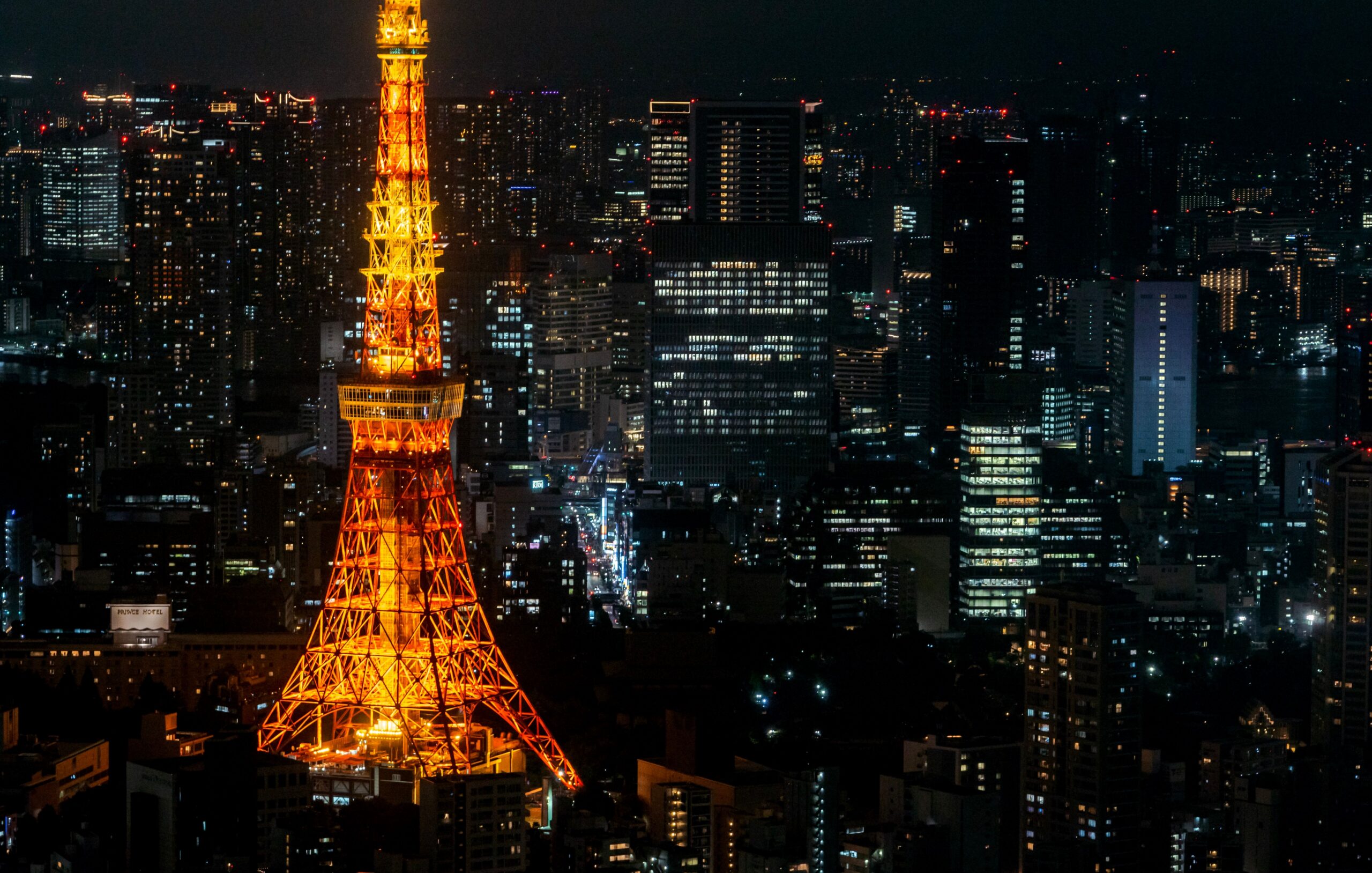
Japan is experiencing one of the largest tourism booms in its history. From the neon streets of Tokyo and the ancient temples of Kyoto to the ski resorts of Hokkaido and the beaches of Okinawa, international visitors continue to arrive in record numbers.
Against this backdrop, the Japanese government has announced its first visa fee increase since 1978, raising standard visa charges by five times beginning July 1, 2026. The move has generated headlines worldwide, prompting questions about whether Japan is attempting to curb tourism, increase government revenue, or modernize an immigration system designed for a very different era.
While the fee increase appears dramatic at first glance, the broader story is actually about the future of tourism management, immigration modernization, and Japan’s efforts to balance economic growth with the challenges of becoming one of the world’s most visited destinations.
The New Visa Fees Explained
Under the revised fee schedule:
| Visa Type | Previous Fee | New Fee |
|---|---|---|
| Single-entry visa | ¥3,000 | ¥15,000 |
| Multiple-entry visa | ¥6,000 | ¥30,000 |
The new rates apply to visa applications submitted on or after July 1, 2026. This marks the first revision of Japan’s visa fees in 48 years.
Japanese officials argue that maintaining the same fee structure for nearly half a century was increasingly difficult to justify given inflation, currency fluctuations, and rising administrative costs.
Why Japan Waited Nearly Half a Century
To understand the significance of this change, it helps to remember what Japan looked like in 1978.
At that time:
- The global tourism industry was far smaller.
- International air travel was less common.
- Digital immigration systems did not exist.
- Biometric screening was virtually unheard of.
- Visa applications were processed through simpler administrative systems.
Since then, governments worldwide have invested heavily in:
- Border security
- Fraud detection
- Digital records management
- Identity verification
- Cybersecurity infrastructure
- International information-sharing systems
Japanese officials say the fee revision reflects the real cost of operating a modern immigration system rather than serving as a tourism deterrent.
Japan’s Tourism Explosion
The timing of the increase is impossible to separate from Japan’s extraordinary tourism growth.
Japan welcomed approximately 42.7 million foreign visitors in 2025, setting a new national record and moving closer to its long-term goal of attracting 60 million annual visitors by the end of the decade.
Several factors have fueled this surge:
A Weak Yen
Japan’s currency has remained relatively weak compared with many major global currencies, making travel, shopping, accommodation, and dining more affordable for foreign visitors.
Social Media Influence
Destinations such as:
- Kyoto’s historic districts
- Mount Fuji viewpoints
- Tokyo’s nightlife districts
- Traditional ryokan inns
- Cherry blossom festivals
have become global social media sensations.
Improved Connectivity
Expanded airline routes and increased international flight capacity have made Japan more accessible than ever.
Is Japan Trying to Reduce Tourist Numbers?
Officially, no.
Foreign Minister Toshimitsu Motegi stated that the government does not expect the higher fees to have an immediate impact on inbound tourism.
However, the broader context suggests that Japan is increasingly concerned about managing tourism growth sustainably.
In recent years, several destinations have experienced overtourism challenges:
Kyoto
Residents have complained about overcrowded streets, packed public transportation, and visitor behavior in traditional neighborhoods.
Mount Fuji
Authorities have introduced new visitor controls and crowd-management measures to reduce environmental pressure and improve safety.
Popular Urban Districts
Tourist congestion has become a recurring issue in parts of Tokyo, Osaka, and other major cities.
These concerns have prompted policymakers to explore ways of balancing visitor growth with quality-of-life considerations for local communities.
Most Tourists May Not Be Affected
One of the most misunderstood aspects of the announcement is that many travelers will not pay these fees at all.
Japan maintains visa-waiver agreements with dozens of countries, allowing citizens from many nations to enter for short-term tourism without applying for a traditional visa.
This means that travelers from countries such as:
- The United States
- Canada
- Australia
- Much of Europe
- Several other partner nations
often enter Japan without paying a standard tourist visa fee.
As a result, the increase primarily affects visitors from countries that require visas before arrival.
The Broader Shift in Immigration Costs
The visa fee increase is only one part of a wider overhaul of immigration-related charges.
Recent legislation has also increased fee ceilings for:
- Permanent residency applications
- Residency status changes
- Visa extensions
- Long-term immigration procedures
Some residency-related fees could eventually rise significantly as the government finalizes implementation details.
This suggests Japan is reassessing its entire immigration fee structure rather than focusing solely on tourism.
How Japan Compares With Other Countries
Even after the increase, Japan’s visa fees are not especially high compared with many developed nations.
For example:
- U.S. nonimmigrant visa applications often cost $185 or more.
- Standard visitor visas for the United Kingdom can exceed £100.
- Several countries now charge electronic travel authorization fees in addition to visa costs.
Japan’s revised single-entry visa fee of ¥15,000 (approximately $90–100 depending on exchange rates) places it closer to international norms.
Tourism Taxes Are Rising Worldwide
Japan’s decision reflects a broader global trend.
Governments increasingly view tourism-related fees as a way to:
- Fund infrastructure improvements
- Support border management
- Protect cultural sites
- Improve sustainability
- Address overtourism
Recent years have seen increases in:
- Tourist taxes
- Entry authorization fees
- Hotel occupancy taxes
- Environmental levies
- Airport departure charges
Japan itself has already increased its international departure tax from ¥1,000 to ¥3,000 beginning July 2026.
The Future of Travel to Japan
Despite the fee increase, demand for Japan remains exceptionally strong.
The country continues to rank among the world’s most desirable destinations because of its:
- Safety
- Efficient transportation
- Unique culture
- Historic sites
- Cuisine
- Shopping opportunities
- Natural beauty
For most travelers, the additional visa cost is unlikely to outweigh the appeal of experiencing Japan firsthand.
In fact, many tourism analysts believe the greater challenge for Japan is not attracting visitors—but managing them effectively.
The country’s future tourism strategy will likely focus on:
- Spreading visitors across more regions
- Reducing pressure on crowded destinations
- Investing in infrastructure
- Enhancing digital immigration systems
- Improving sustainability practices
The visa fee increase may be remembered less as a tourism barrier and more as a symbol of Japan’s transition into a mature, high-demand global destination.
Frequently Asked Questions (FAQs)
1. How much are Japan’s new visa fees?
Beginning July 1, 2026, a single-entry visa costs ¥15,000 instead of ¥3,000, while a multiple-entry visa costs ¥30,000 instead of ¥6,000.
2. Why is Japan increasing visa fees now?
The government says the increase reflects inflation, exchange-rate changes, and the higher costs associated with operating modern immigration and border-management systems.
3. Is Japan trying to discourage tourism?
Officials have stated that the fee increase is not intended to reduce visitor numbers and is unlikely to have an immediate impact on tourism demand.
4. Will all tourists have to pay the new visa fees?
No. Travelers from visa-exempt countries generally do not need a traditional tourist visa and therefore are not directly affected by these increases.
5. Could Japan introduce more travel-related fees in the future?
Possibly. Japan is modernizing its immigration and tourism systems and has already increased departure taxes while discussing future electronic travel authorization systems and additional immigration reforms.
Sources The New York Times

