
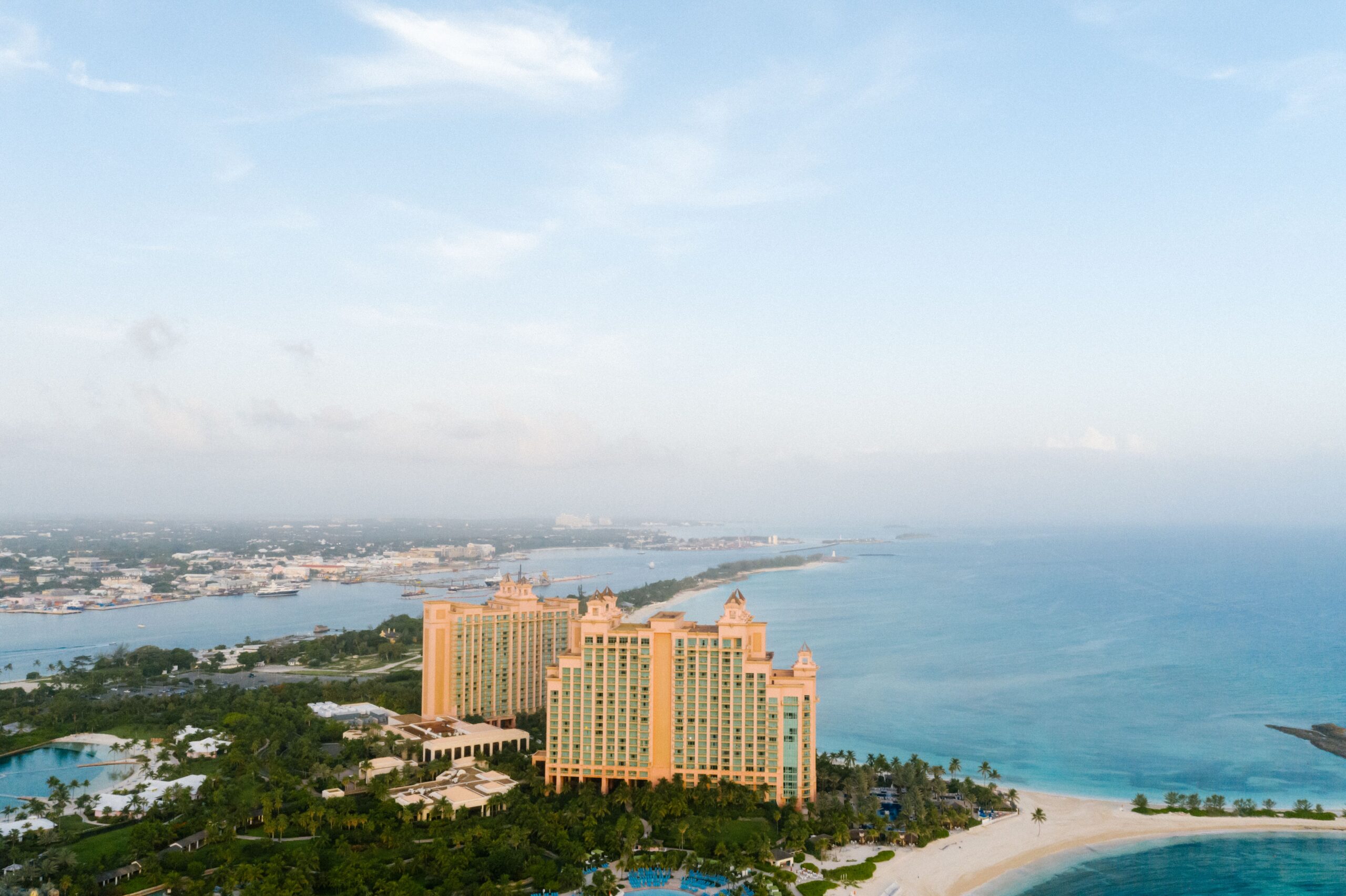
The Bahamas has long been one of the Caribbean’s most iconic travel destinations. With more than 700 islands and cays, crystal-clear turquoise waters, powdery white-sand beaches, colorful colonial architecture, and warm island hospitality, it’s easy to understand why millions of travelers visit every year.
Yet many visitors only experience a small slice of what the country has to offer. Some spend their entire vacation inside an all-inclusive resort, while others unknowingly make cultural or logistical mistakes that limit their experience—or even inconvenience local communities.
Whether you’re planning your first trip or returning for another island escape, understanding local customs, transportation, weather, costs, and environmental responsibilities can help you enjoy a richer, safer, and more authentic Bahamian adventure.
1. Don’t Assume Every Island Is the Same
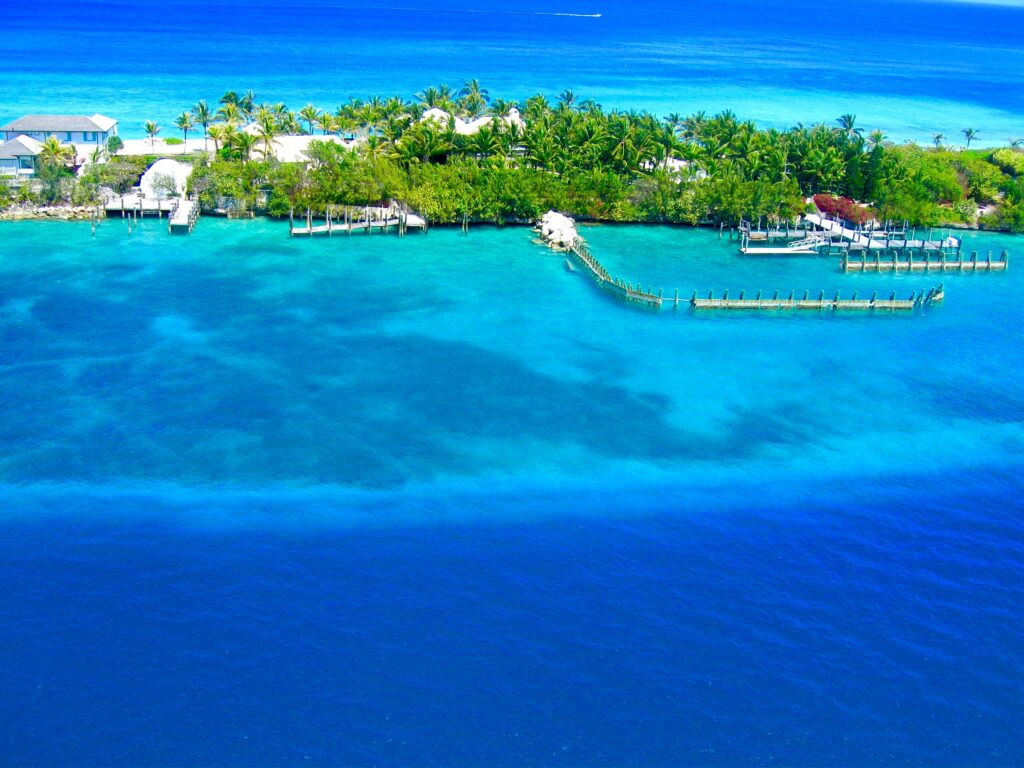
One of the biggest misconceptions about The Bahamas is treating it as a single destination.
In reality, the country consists of more than 700 islands and over 2,000 rocks and cays, though only around 30 islands are inhabited.
Each island has its own personality.
For example:
- Nassau offers vibrant nightlife, shopping, and historic attractions.
- Paradise Island is known for luxury resorts and family entertainment.
- Exuma is famous for its swimming pigs and stunning blue waters.
- Eleuthera attracts travelers seeking pink-sand beaches and a quieter atmosphere.
- Andros is renowned for diving, blue holes, and eco-tourism.
- Harbour Island combines boutique luxury with laid-back island charm.
Choosing the right island is just as important as choosing the right hotel.
2. Don’t Spend Your Entire Vacation Inside the Resort
Resorts offer convenience, but they represent only a small part of Bahamian life.
Venturing beyond resort gates allows visitors to discover:
- Local restaurants
- Family-owned cafés
- Art galleries
- Historical landmarks
- Fish fry gatherings
- Community festivals
- Local craft markets
Supporting locally owned businesses helps distribute tourism income more broadly throughout the community.
You’ll often enjoy more authentic food, friendlier conversations, and memorable cultural experiences.
3. Respect Local Culture and Island Etiquette
Bahamians are generally welcoming, friendly, and proud of their culture.
Simple gestures go a long way.
Remember to:
- Greet people politely.
- Be patient during conversations.
- Dress appropriately when leaving the beach.
- Ask permission before photographing people.
- Respect religious and community spaces.
Good manners are appreciated throughout the islands.
4. Don’t Underestimate the Sun
The tropical Caribbean sun can be much stronger than many visitors expect.
Even on cloudy days, ultraviolet radiation remains high.
To stay comfortable:
- Apply reef-safe sunscreen regularly.
- Wear a wide-brimmed hat.
- Stay hydrated.
- Seek shade during midday.
- Wear lightweight protective clothing.
Sunburn can quickly turn a relaxing vacation into an uncomfortable experience.
5. Learn About the Local Currency
The Bahamian Dollar (BSD) is pegged at a one-to-one exchange rate with the U.S. Dollar.
In most places:
- Both currencies are accepted interchangeably.
- Credit cards are widely accepted.
- Smaller vendors may prefer cash.
- Change may be given in Bahamian dollars.
Carrying a small amount of cash is useful when visiting smaller islands or local markets.
6. Explore Bahamian Cuisine
Many visitors stick to familiar international dishes.
That means missing some of the country’s best culinary traditions.
Popular local foods include:
- Conch salad
- Cracked conch
- Rock lobster (seasonal)
- Peas and rice
- Baked macaroni
- Johnnycake
- Stewed fish
- Guava duff
Trying local cuisine offers valuable insight into Bahamian history and culture.
7. Don’t Ignore Weather and Hurricane Season
The Bahamas enjoys warm weather year-round, but seasons matter.
Hurricane season officially runs from June through November.
Travelers visiting during this period should:
- Purchase travel insurance.
- Monitor weather forecasts.
- Allow itinerary flexibility.
- Understand airline change policies.
Lower prices during hurricane season can offer excellent value, but preparation is important.
8. Protect Marine Life
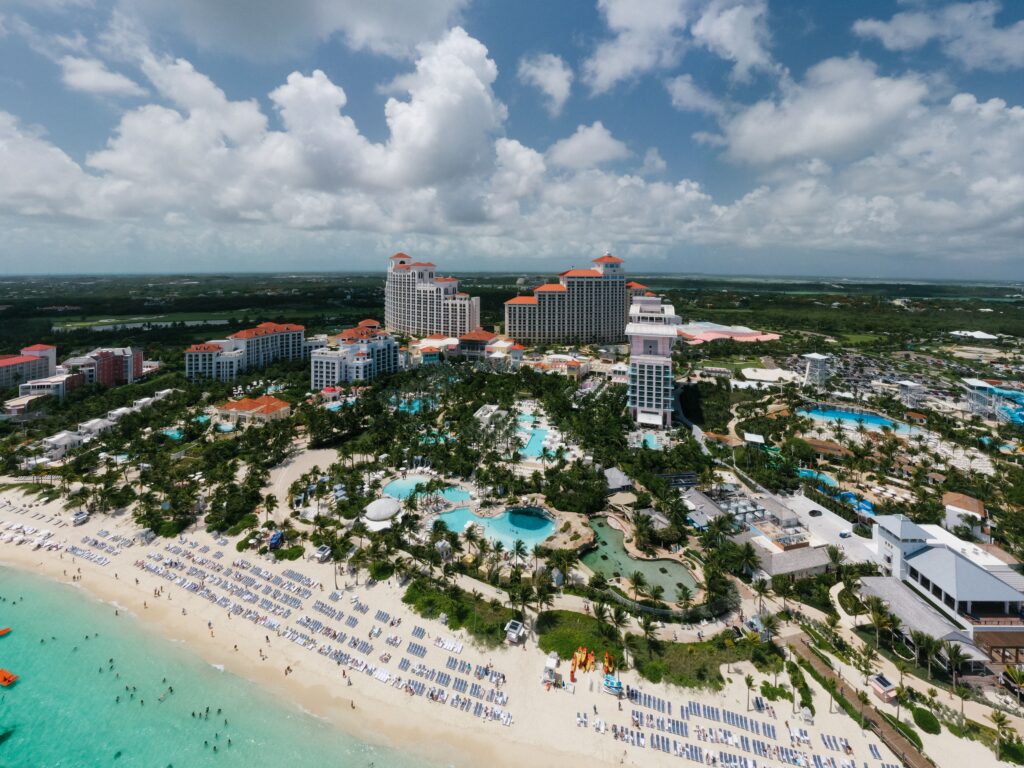
The Bahamas possesses some of the world’s most spectacular marine ecosystems.
Visitors should help preserve them by:
- Never touching coral reefs.
- Avoiding standing on coral.
- Not feeding wild marine animals unless part of supervised conservation programs.
- Properly disposing of waste.
- Using reef-safe sunscreen whenever possible.
Healthy reefs support both biodiversity and the tourism economy.
9. Budget Beyond the Hotel Price
Many first-time visitors underestimate vacation costs.
Additional expenses may include:
- Taxi fares
- Ferry tickets
- Excursions
- Resort fees
- Tips
- Meals outside the hotel
- Water sports
- National park entrance fees
Planning ahead reduces financial surprises.
10. Understand Transportation Options
Public transportation exists but may not operate exactly as visitors expect.
Transportation options include:
- Licensed taxis
- Shared minibuses (“jitneys”) on larger islands
- Rental cars
- Ferries
- Domestic flights between islands
Remember that The Bahamas drives on the left-hand side of the road, a legacy of British influence.
11. Don’t Rush Your Vacation
Island life generally moves at a more relaxed pace.
Restaurants, transportation, and services may not always operate with the same urgency visitors expect in large metropolitan cities.
Instead of becoming frustrated, embrace the slower rhythm.
Many travelers discover that slowing down becomes one of the most enjoyable aspects of visiting The Bahamas.
Sustainable Tourism Matters
Tourism is one of the country’s most important industries, supporting thousands of jobs and local businesses.
Responsible travelers can make a positive impact by:
- Supporting locally owned businesses.
- Choosing environmentally responsible tour operators.
- Respecting wildlife.
- Reducing plastic waste.
- Conserving water and electricity.
- Learning about Bahamian history and traditions.
Small choices made by millions of visitors collectively make a significant difference.
Safety Tips for Visitors
The Bahamas is a popular destination, but travelers should exercise the same common-sense precautions they would anywhere else.
Practical advice includes:
- Keep valuables secure.
- Avoid isolated areas at night.
- Use licensed transportation providers.
- Stay informed about local conditions.
- Follow lifeguard warnings and beach safety flags.
- Protect passports and travel documents.
Preparation enhances both safety and peace of mind.
Why Cultural Experiences Create Better Memories
Many travelers return home remembering not only the beaches but also the people they met.
Some of the most rewarding experiences include:
- Listening to Junkanoo music.
- Visiting local museums.
- Learning about Bahamian history.
- Watching local artisans at work.
- Participating in community festivals.
- Sampling neighborhood food stalls.
These experiences provide a deeper understanding of the islands beyond their postcard-perfect scenery.
The Future of Tourism in The Bahamas
As global travel evolves, The Bahamas continues investing in sustainable tourism, environmental conservation, and cultural preservation.
Future priorities include:
- Protecting coral reefs.
- Managing visitor growth responsibly.
- Expanding eco-tourism.
- Supporting local entrepreneurs.
- Improving transportation between islands.
- Enhancing visitor experiences while preserving natural resources.
Travelers increasingly seek meaningful experiences rather than simply checking destinations off a list.
For The Bahamas, preserving its unique culture and environment will be just as important as welcoming more visitors.
Conclusion
The Bahamas offers far more than beautiful beaches and luxury resorts. Its true appeal lies in the diversity of its islands, the warmth of its people, its vibrant traditions, and its remarkable natural beauty.
By venturing beyond the resort, respecting local customs, protecting the environment, and embracing the slower pace of island life, visitors can transform an ordinary vacation into an unforgettable cultural experience.
The best trips to The Bahamas are not measured by how many attractions you visit—they’re measured by how deeply you connect with the islands, their people, and the memories you create along the way.
Frequently Asked Questions (FAQs)
1. What is the best time to visit The Bahamas?
The peak travel season typically runs from mid-December to mid-April, when the weather is generally warm and dry. Travelers seeking lower prices may consider the shoulder seasons while keeping hurricane season (June–November) in mind.
2. Is it safe to leave an all-inclusive resort?
Yes, many visitors safely explore beyond their resorts. Use common travel precautions, choose licensed transportation, stay aware of your surroundings, and research neighborhoods and attractions in advance.
3. Do I need Bahamian dollars?
Not necessarily. U.S. dollars are widely accepted throughout The Bahamas, though you’ll often receive change in Bahamian dollars. Carrying some cash is helpful for small purchases and local vendors.
4. What local foods should I try?
Popular Bahamian dishes include conch salad, cracked conch, peas and rice, baked macaroni, johnnycake, stewed fish, guava duff, and seasonal rock lobster.
5. How can I travel responsibly in The Bahamas?
Support locally owned businesses, respect local customs, avoid damaging coral reefs, reduce plastic waste, use reef-safe sunscreen, conserve natural resources, and choose tour operators committed to sustainable tourism.
Sources Business Insider

