
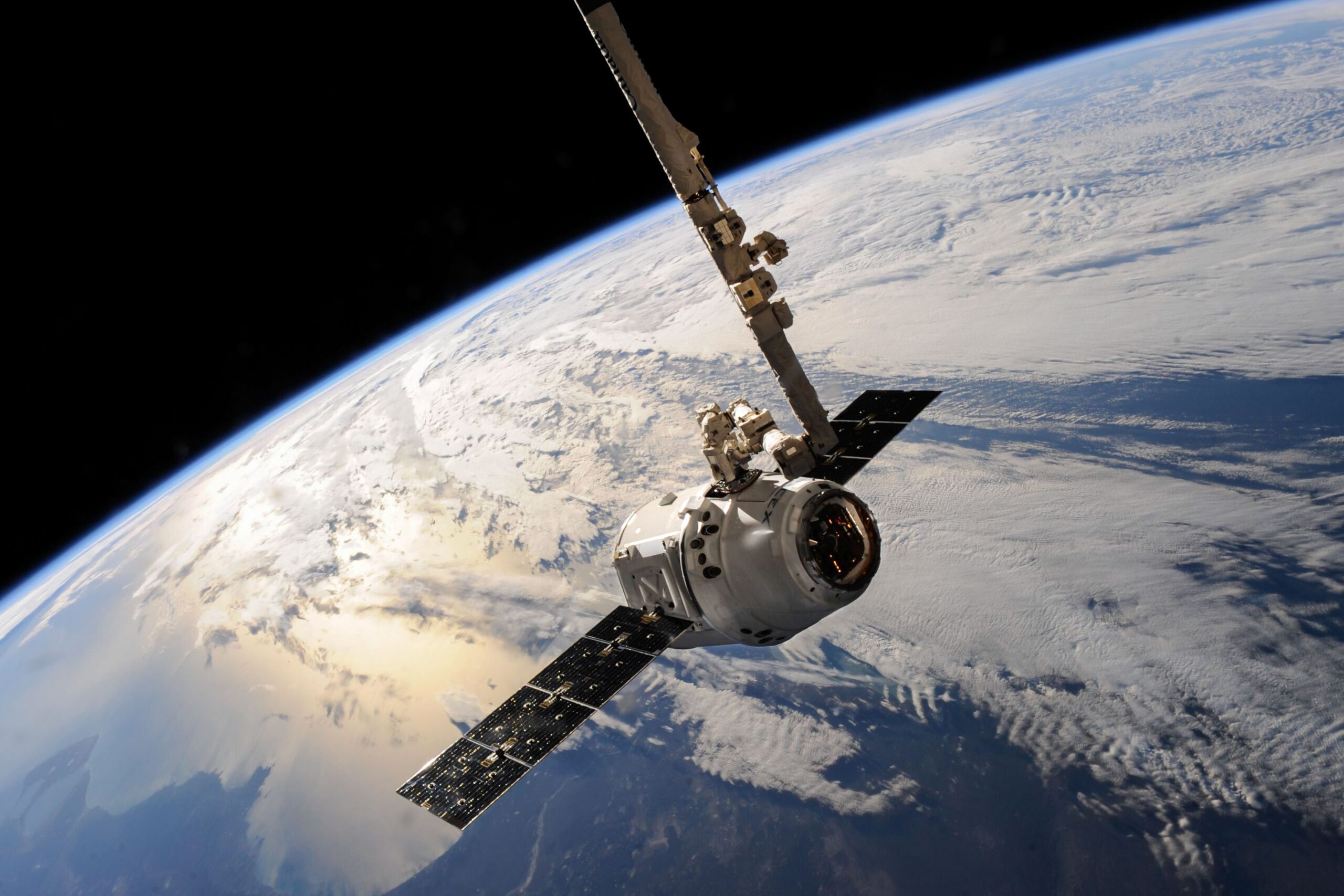
For centuries, humanity has continually expanded the boundaries of travel. Explorers crossed oceans, aircraft connected continents, and commercial aviation transformed the world into a global village. Today, another frontier is beginning to open—space.
Once reserved exclusively for highly trained government astronauts, space is gradually becoming accessible to private citizens. Wealthy entrepreneurs, celebrities, researchers, and even ordinary individuals willing to save or finance the experience are now contemplating a journey that was unimaginable just a generation ago.
The commercial space tourism industry is no longer a futuristic concept. Companies have successfully launched paying passengers on suborbital flights, private orbital missions have visited the International Space Station (ISS), reusable rockets have dramatically lowered launch costs, and governments are creating regulatory frameworks to support commercial human spaceflight.
Although space tourism remains expensive and available only to a limited number of travelers, industry experts increasingly believe the sector has reached an important turning point. The question is no longer whether space tourism will exist—but how quickly it will mature into a sustainable global industry.
What Is Space Tourism?
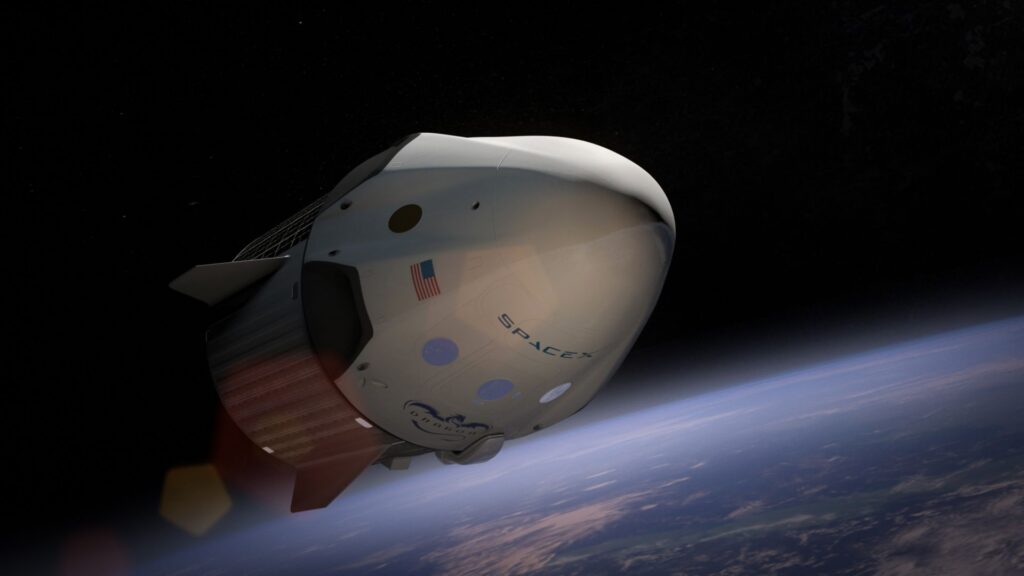
Space tourism refers to commercial travel beyond Earth’s atmosphere for recreational, educational, or personal experiences rather than government research or military missions.
Today’s space tourism generally falls into three categories:
1. Suborbital Flights
Passengers travel above the internationally recognized boundary of space, experience several minutes of weightlessness, observe Earth’s curvature, and then return without entering orbit.
Flight duration:
- Approximately 60–90 minutes
- Around 3–5 minutes of microgravity
This currently represents the most accessible form of commercial space travel.
2. Orbital Tourism
Passengers travel into orbit around Earth, remaining in space for several days before returning.
These missions may involve:
- Multiple Earth orbits
- Scientific activities
- Photography
- Commercial research
- Visits to orbital space stations
Orbital missions are considerably more complex and expensive than suborbital flights.
3. Future Lunar and Deep Space Tourism
Several companies envision commercial missions beyond Earth orbit, including:
- Lunar flybys
- Private lunar landings
- Commercial space stations
- Mars expeditions (long-term)
While still largely in development, these concepts illustrate the industry’s long-term ambitions.
Why Space Tourism Is Gaining Momentum
Several technological and economic developments are accelerating commercial space travel.
Reusable Rockets
Historically, rockets were used only once.
Modern reusable launch systems have transformed launch economics by allowing major components to be recovered, refurbished, and flown again.
This has dramatically reduced launch costs while increasing launch frequency.
Lower costs benefit not only tourism but also satellite deployment, scientific missions, and commercial space operations.
Private Investment
Unlike the government-led space race of the 1960s, today’s commercial space industry is fueled by billions of dollars in private investment.
Major aerospace companies and venture capital firms are funding:
- Launch vehicles
- Spacecraft
- Spaceports
- Space habitats
- Training facilities
This private-sector competition has accelerated innovation at an unprecedented pace.
Improved Safety
Every commercial flight contributes valuable operational experience.
Modern spacecraft incorporate:
- Automated flight systems
- Advanced life-support technologies
- Escape systems
- Improved materials
- Redundant safety mechanisms
Although spaceflight remains inherently risky, safety continues to improve as technology matures.
Who Is Leading the Space Tourism Industry?
Several companies are shaping today’s commercial human spaceflight market.
Blue Origin
Blue Origin focuses primarily on suborbital tourism using its New Shepard launch system.
Passengers experience several minutes of weightlessness before returning to Earth via parachute-assisted landing.
Virgin Galactic
Virgin Galactic offers suborbital spaceflights using a spaceplane launched from a carrier aircraft before igniting its rocket engine.
Its experience emphasizes both spaceflight and the unique ascent through the atmosphere.
SpaceX
SpaceX has pushed commercial spaceflight further by conducting private orbital missions and transporting astronauts to the ISS.
Its long-term ambitions extend to:
- Commercial orbital travel
- Lunar missions
- Mars colonization
The company’s reusable Falcon rockets have significantly reduced launch costs across the industry.
Emerging Competitors
Other companies worldwide are developing:
- Commercial space stations
- Space hotels
- Balloon-based near-space tourism
- High-altitude experiences
- Point-to-point hypersonic transportation
The market continues to diversify as technology evolves.
What Does the Experience Feel Like?
A typical suborbital tourist can expect:
Preflight Training
Before launch, passengers undergo:
- Medical evaluations
- Safety briefings
- Weightlessness preparation
- Emergency procedures
- Flight orientation
Training typically lasts several days.
Launch
Acceleration during launch can reach several times Earth’s gravity.
Passengers experience intense but manageable physical forces lasting only a few minutes.
Weightlessness
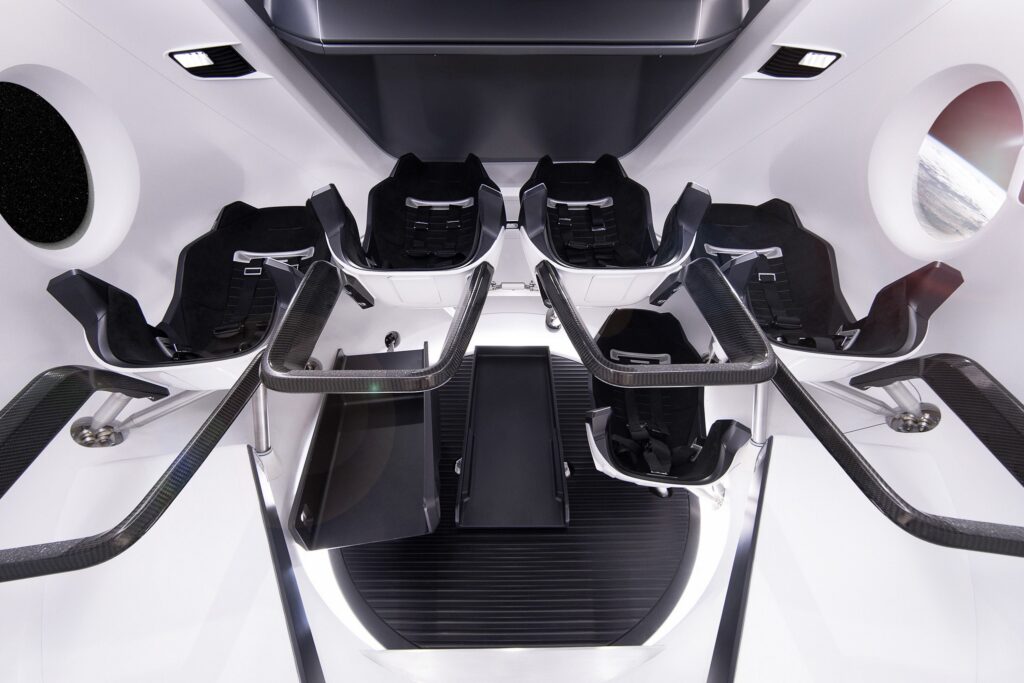
Once the spacecraft reaches space, passengers float freely inside the cabin.
This brief period allows:
- Floating
- Looking through panoramic windows
- Photography
- Viewing Earth’s curvature
- Observing the darkness of space
Many former participants describe this as the most memorable part of the journey.
Return
Reentry produces another period of increased gravitational force before the spacecraft lands safely.
The entire experience generally lasts under two hours.
The “Overview Effect”
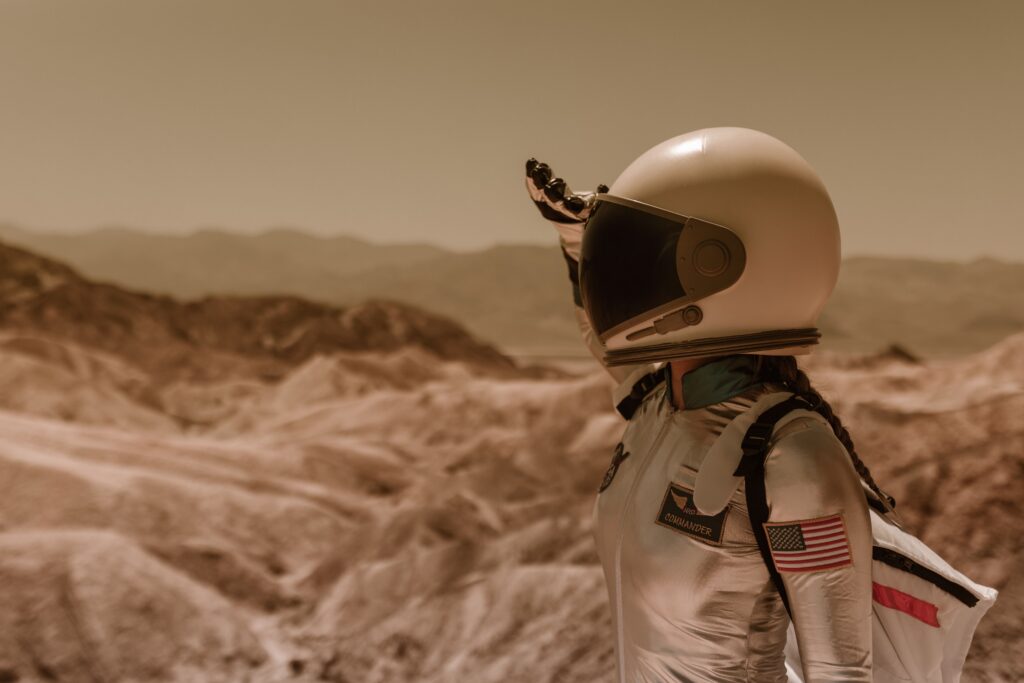
One of the most fascinating psychological aspects of space travel is the Overview Effect.
Astronauts frequently report profound emotional responses after viewing Earth from space.
Common themes include:
- Appreciation for Earth’s beauty
- Increased environmental awareness
- Greater sense of global unity
- Reduced focus on national boundaries
- Personal transformation
Researchers continue studying whether commercial space tourists experience similar long-term psychological changes.
The Economics of Space Tourism
Today’s space tourism remains a luxury market.
Prices vary widely depending on mission type.
Factors influencing cost include:
- Launch vehicle
- Training
- Insurance
- Spacecraft complexity
- Mission duration
- Destination
Orbital missions currently cost many millions of dollars per passenger, while suborbital flights, though less expensive, are still beyond the reach of most travelers.
However, history suggests costs may decline as launch frequency increases, technology improves, and competition expands.
A similar pattern occurred with commercial aviation, which evolved from an elite service into a mass transportation system over several decades.
Environmental Concerns
One of the industry’s most debated topics is sustainability.
Rocket launches produce:
- Carbon emissions
- Water vapor
- Nitrogen oxides
- Black carbon particles
Scientists continue studying the long-term environmental effects of increasing launch frequency, particularly on the upper atmosphere.
The industry’s future growth will likely depend on balancing commercial expansion with environmental responsibility.
Safety Remains the Biggest Challenge
Despite significant technological advances, spaceflight remains inherently risky.
Potential hazards include:
- Launch failures
- Cabin depressurization
- Reentry complications
- Radiation exposure
- Mechanical failures
Commercial operators work closely with regulators to minimize these risks through rigorous testing, crew training, and continuous system improvements.
For most travelers, the perceived level of safety will play a major role in determining whether space tourism becomes widely accepted.
Beyond Tourism: Benefits for Science and Technology
Space tourism is often criticized as a luxury activity for the wealthy, but many experts argue it also accelerates technological innovation.
Commercial human spaceflight contributes to advances in:
- Reusable launch systems
- Spacecraft manufacturing
- Life-support technologies
- Medical monitoring
- Materials science
- Autonomous flight systems
These innovations often have applications beyond the space industry, benefiting sectors such as healthcare, aviation, robotics, and telecommunications.
Space Hotels and Orbital Destinations
Several private companies are developing concepts for commercial orbital stations that could eventually replace or complement government-operated facilities.
Future travelers may one day stay in:
- Orbital research stations
- Commercial space hotels
- Artificial-gravity habitats
- Lunar orbiting accommodations
Although these projects remain under development, they demonstrate how the industry is evolving beyond short-duration flights.
Could Space Tourism Become Affordable?
Perhaps the biggest question is affordability.
History offers reasons for optimism.
Commercial air travel, personal computers, and smartphones were once considered luxury products before becoming widely accessible.
If launch costs continue to fall through reusable technology, higher flight frequency, and manufacturing efficiencies, ticket prices could gradually decline.
However, reaching affordability comparable to international air travel may still require many years—or even decades.
The Future of Space Tourism
The coming decades may see rapid changes, including:
- Frequent commercial launches
- Orbital hotels
- Lunar sightseeing missions
- Space-based sporting events
- Educational space trips
- Corporate retreats in orbit
- Scientific tourism
- International commercial space stations
Artificial intelligence, advanced robotics, and next-generation propulsion systems may further reshape the economics and accessibility of human spaceflight.
While the industry remains in its early stages, its trajectory increasingly resembles the early years of commercial aviation.
Conclusion
Space tourism has progressed from an ambitious dream to a functioning—though still exclusive—industry. Advances in reusable rockets, private investment, spacecraft safety, and commercial innovation have transformed what was once science fiction into a genuine travel market.
Significant hurdles remain, including high costs, environmental concerns, regulatory oversight, and safety challenges. Yet the momentum behind commercial human spaceflight continues to grow.
Whether future generations view space travel as a luxury experience or an ordinary vacation option will depend on continued technological progress and economic innovation. If history is any guide, today’s pioneering flights may represent the first chapter in an entirely new era of global—and eventually interplanetary—tourism.
Frequently Asked Questions (FAQs)
1. What is space tourism?
Space tourism is commercial travel beyond Earth’s atmosphere for recreational, educational, or personal purposes. It includes suborbital flights, orbital missions, and future concepts such as lunar tourism.
2. How much does a space tourism flight cost?
Prices vary widely depending on the type of mission. Suborbital flights typically cost hundreds of thousands of dollars, while orbital missions currently cost several million dollars per passenger.
3. Is space tourism safe?
Commercial spaceflight has become significantly safer due to advances in reusable rockets, automated systems, escape technologies, and extensive testing. However, space travel still carries greater risks than commercial aviation.
4. Who can participate in space tourism?
Most commercial providers require passengers to meet basic medical and physical fitness standards. Extensive astronaut-level training is generally not required for suborbital flights, though participants undergo safety preparation before launch.
5. Will space tourism become affordable in the future?
Many industry experts believe costs will gradually decrease as reusable launch systems improve, competition increases, and flight frequency grows. While prices are expected to fall over time, widespread affordability may still be years away.
Sources The New York Times

