
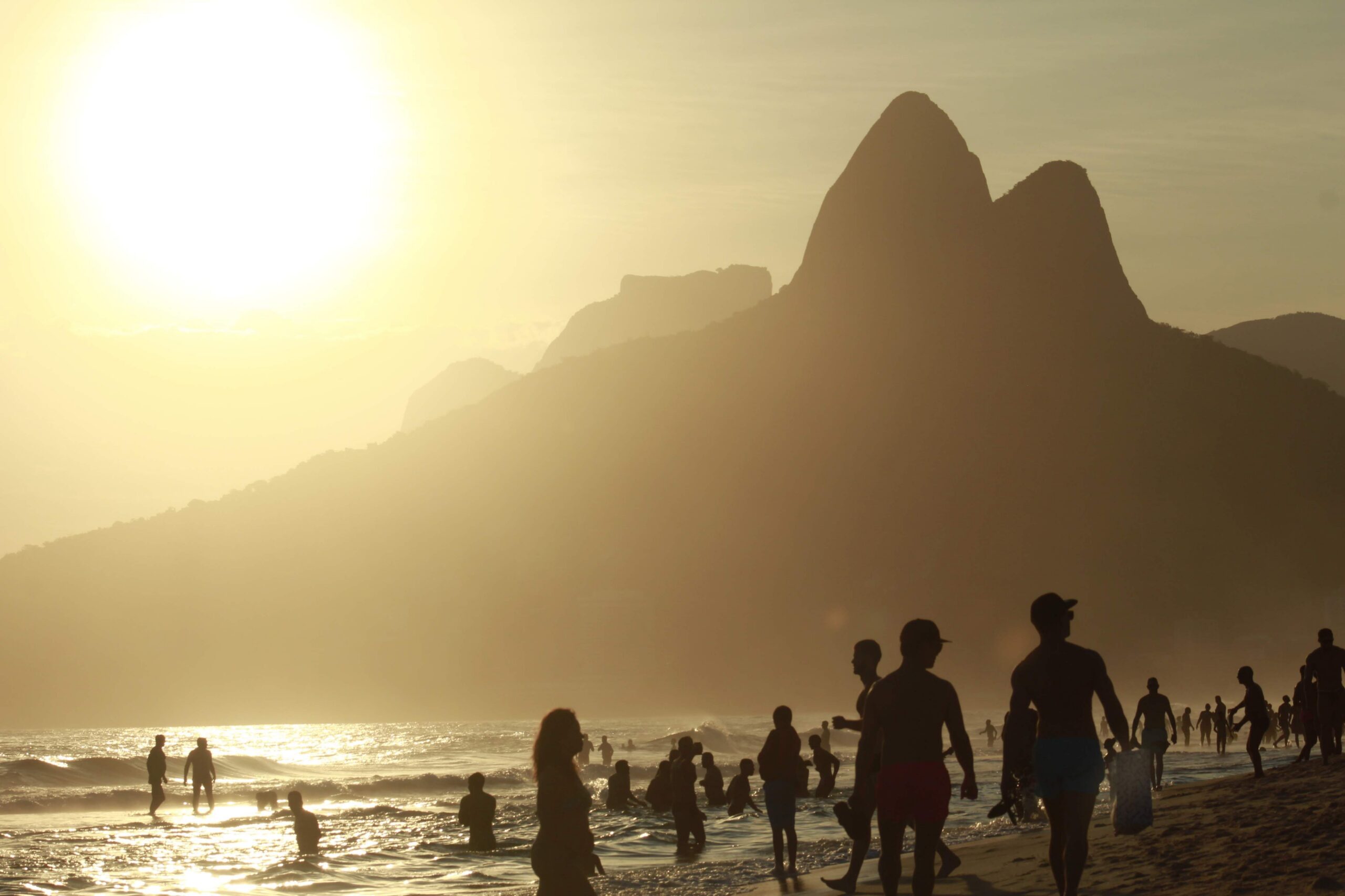
For decades, summer has been considered the peak season for international travel. Millions of tourists flock to famous landmarks, historic cities, and scenic destinations to enjoy long daylight hours and warm weather.
However, that traditional travel pattern is increasingly being challenged by one growing threat: extreme heat.
Across Europe and other popular tourist regions, dangerous heat waves have forced governments, park authorities, and tourism operators to reduce visiting hours, temporarily close attractions, issue public health warnings, and modify sightseeing schedules. What was once considered an inconvenience has become a significant safety concern, particularly for older travelers, children, and those with underlying health conditions.
The growing frequency and intensity of heat waves are changing not only how people travel but also when and where they choose to vacation. As climate patterns evolve, tourism industries worldwide are being forced to rethink everything from operating hours to infrastructure, emergency planning, and visitor education.

Why Extreme Heat Is Becoming a Tourism Challenge
A heat wave is an extended period of unusually high temperatures, often accompanied by elevated humidity. While many destinations have always experienced hot summers, recent years have seen record-breaking temperatures that push beyond historical averages.
Several factors contribute to the increasing severity of heat waves:
- Rising global average temperatures
- Urban heat island effects in major cities
- Persistent high-pressure weather systems
- Longer periods without rainfall
- Climate variability influenced by global warming
Scientists have found that climate change is increasing both the frequency and intensity of extreme heat events in many parts of the world, making them more likely to affect major tourist destinations.
Why Famous Landmarks Are Reducing Visiting Hours
Many of the world’s most iconic attractions were built centuries—or even millennia—before modern climate conditions and mass tourism.
Open-air attractions often provide little protection from intense sunlight.
Examples include:
- Ancient archaeological sites
- Historic castles
- Hilltop fortresses
- Outdoor museums
- Religious monuments
- Public squares
- National parks
During periods of extreme heat, surface temperatures on stone pathways can become significantly hotter than the surrounding air, increasing the risk of heat-related illnesses.
To reduce health risks, authorities may:
- Close attractions during the hottest hours
- Shift opening times to early mornings or evenings
- Limit visitor numbers
- Cancel guided walking tours
- Increase emergency medical presence
- Provide additional shaded rest areas
These temporary adjustments are becoming increasingly common during severe heat events.
How Heat Affects Tourists
Many travelers underestimate how quickly heat-related illnesses can develop.
Common heat-related conditions include:
Heat Exhaustion
Symptoms include:
- Heavy sweating
- Dizziness
- Weakness
- Nausea
- Headaches
- Muscle cramps
Without treatment, heat exhaustion can progress to heat stroke.
Heat Stroke
Heat stroke is a medical emergency.
Symptoms may include:
- Body temperature above 40°C (104°F)
- Confusion
- Loss of consciousness
- Rapid heartbeat
- Hot, dry skin
- Seizures
Immediate medical attention is essential, as heat stroke can be life-threatening.
Who Faces the Greatest Risk?
Although anyone can suffer from extreme heat, certain groups are particularly vulnerable:
- Older adults
- Young children
- Pregnant women
- Individuals with heart disease
- People with respiratory illnesses
- Visitors unaccustomed to hot climates
- Travelers taking medications that affect hydration
Tourists often spend hours walking outdoors, making them especially susceptible to dehydration and heat stress.
Climate Change Is Altering Tourism Seasons
Historically, July and August have been among the busiest travel months in many destinations.
However, prolonged periods of extreme heat are encouraging travelers to reconsider their schedules.
Many tourists now prefer:
- Spring vacations
- Autumn travel
- Early morning sightseeing
- Evening cultural events
- Cooler mountain destinations
- Coastal regions with sea breezes
This shift is contributing to the growth of “shoulder season” tourism, where destinations promote travel outside traditional peak months.

The Economic Impact on Tourism
Extreme heat affects more than visitors—it also impacts local economies.
Businesses may experience:
- Reduced visitor numbers during peak afternoon hours
- Higher cooling and energy costs
- Increased staffing challenges
- More medical incidents requiring emergency services
- Lower productivity for outdoor workers
Tour operators may need to redesign itineraries to prioritize indoor attractions or cooler times of day.
At the same time, destinations that successfully adapt may gain a competitive advantage.
Infrastructure Is Being Tested
Many historic cities were not designed for modern heat extremes.
Common challenges include:
- Limited public drinking fountains
- Insufficient shaded seating
- Narrow streets with poor airflow
- Aging electrical systems under heavy air-conditioning demand
- Public transportation overheating
Governments are increasingly investing in climate-resilient infrastructure, including:
- Additional shade structures
- Cooling centers
- Green spaces
- Tree planting initiatives
- Reflective pavement materials
- Smart heat-warning systems
Technology Is Helping Travelers Stay Safe
Modern technology is making it easier for travelers to adapt.
Useful tools include:
- Real-time weather forecasts
- UV index monitoring apps
- Heat alert notifications
- Navigation apps highlighting shaded walking routes
- Smart wearable devices that monitor body temperature and hydration
Hotels and tour operators are also using digital communication to notify guests about schedule changes caused by extreme weather.
Practical Tips for Traveling During a Heat Wave
If you’re visiting a destination experiencing high temperatures, consider the following precautions:
Plan Activities Early
Schedule outdoor sightseeing before 11:00 a.m. or after 5:00 p.m., when temperatures are generally lower.
Stay Hydrated
Drink water regularly, even if you don’t feel thirsty. Limit excessive alcohol and caffeinated beverages, which can contribute to dehydration.
Dress for the Weather
Wear:
- Lightweight clothing
- Breathable fabrics
- Light colors
- Wide-brimmed hats
- UV-protective sunglasses
Use Sunscreen
Apply broad-spectrum sunscreen with an SPF of at least 30 and reapply every two hours, especially after sweating.
Take Frequent Breaks
Rest in shaded or air-conditioned locations throughout the day.
Know Emergency Symptoms
If you or someone else experiences confusion, fainting, or signs of heat stroke, seek emergency medical assistance immediately.
Sustainable Tourism and Climate Adaptation
Tourism authorities increasingly recognize that climate resilience is becoming essential.
Future strategies may include:
- Expanded evening tourism programs
- Climate-adaptive visitor schedules
- Greener urban design
- Improved emergency response systems
- Public education campaigns
- Investments in renewable energy-powered cooling systems
Sustainable tourism now involves not only protecting the environment but also safeguarding visitor health.
Will Heat Waves Change Where People Travel?
Some travel experts believe climate change will gradually reshape global tourism patterns.
Potential trends include:
- Increased popularity of northern destinations
- Longer shoulder seasons
- Growth in wellness and indoor tourism
- Greater interest in mountain regions
- More flexible travel planning based on weather forecasts
Rather than eliminating travel, extreme heat is likely to change how people choose destinations and organize their itineraries.
The Future of Summer Tourism
Tourism has always adapted to changing circumstances, from technological innovations to global health crises. Climate-related challenges represent the next major evolution.
Future travel experiences may increasingly feature:
- Dynamic attraction schedules
- AI-powered itinerary adjustments based on weather
- Smart tourism apps providing personalized heat alerts
- Expanded indoor cultural experiences
- Climate-resilient urban planning
As destinations continue adapting, travelers who stay informed and prepare appropriately will be better positioned to enjoy safe and memorable vacations.
Conclusion
The growing number of attractions shortening visiting hours during extreme heat highlights a broader transformation taking place across the global tourism industry. Deadly heat waves are no longer isolated weather events—they are becoming an increasingly important factor in travel planning, destination management, and visitor safety.
While iconic landmarks remain must-see destinations, enjoying them safely now requires greater awareness of weather conditions, hydration, timing, and personal health. By embracing climate-conscious travel habits and respecting local safety measures, tourists can continue exploring the world’s cultural and natural treasures while minimizing the risks posed by extreme temperatures.
As climate patterns continue to evolve, both travelers and tourism operators will need to adapt. The future of travel may depend not only on where we go, but also on how well we prepare for the changing environment.
Frequently Asked Questions (FAQs)
1. Why are tourist attractions shortening their visiting hours during heat waves?
Many attractions are reducing operating hours to protect visitors and staff from dangerous midday temperatures, lower the risk of heat-related illnesses, and comply with public health recommendations.
2. What are the signs of heat exhaustion?
Common symptoms include heavy sweating, dizziness, fatigue, nausea, headache, muscle cramps, and weakness. If untreated, heat exhaustion can progress to the more serious condition of heat stroke.
3. How can tourists stay safe during extreme heat?
Travelers should stay hydrated, wear lightweight clothing, apply sunscreen, avoid strenuous outdoor activities during the hottest part of the day, take frequent breaks in shaded or air-conditioned areas, and monitor local weather alerts.
4. Is climate change affecting global tourism?
Yes. Rising temperatures and more frequent extreme weather events are influencing travel seasons, destination popularity, infrastructure planning, and how tourism businesses operate. Many destinations are adapting by promoting off-season travel and investing in climate-resilient facilities.
5. Should I cancel my trip if a heat wave is forecast?
Not necessarily. Many trips can still be enjoyable with proper planning. Adjust your itinerary to include early morning or evening activities, stay informed about local advisories, prioritize indoor attractions during peak heat, and follow guidance from local authorities if conditions become hazardous.

Sources Fox News

