
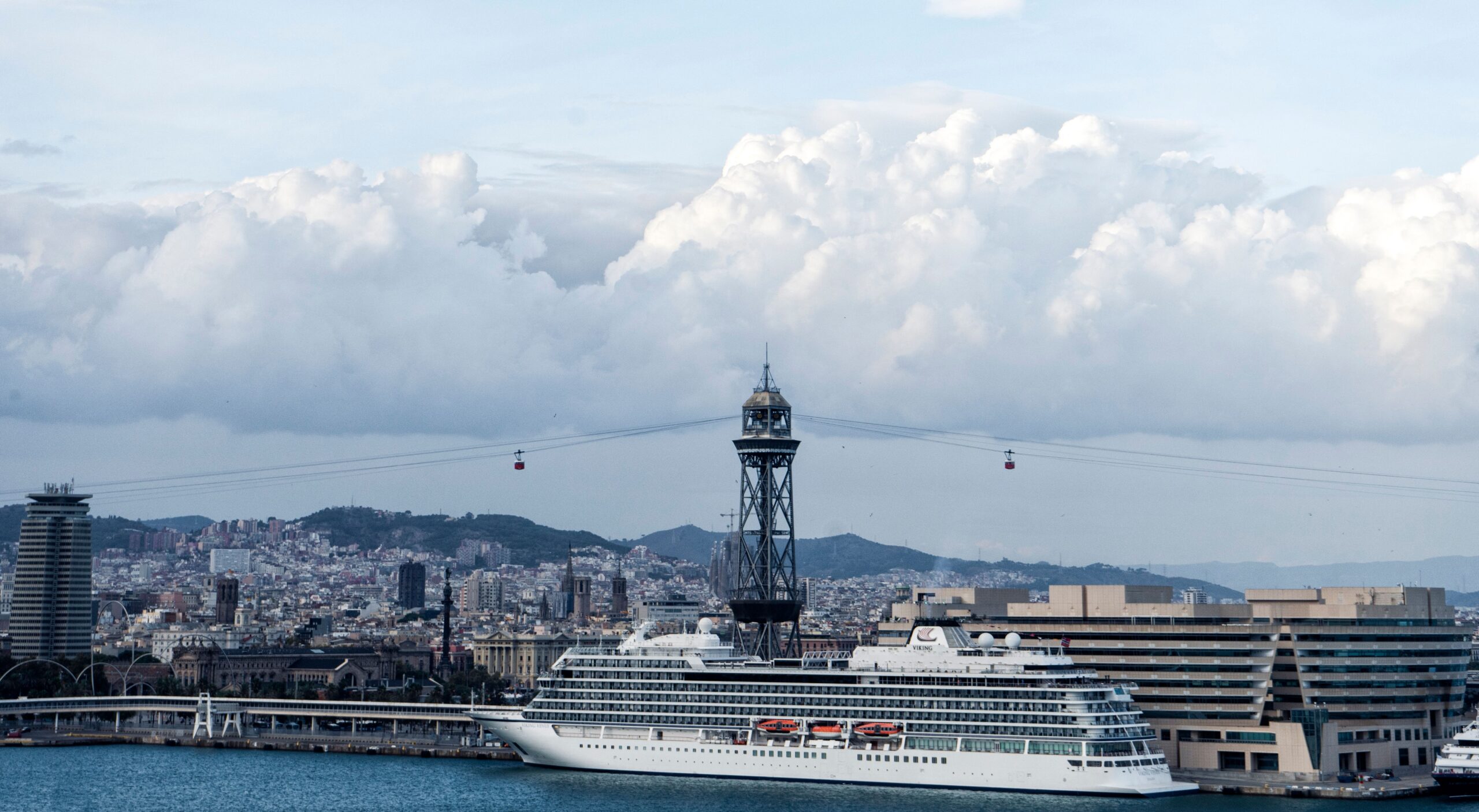
Barcelona has long ranked among Europe’s most popular travel destinations. Its Mediterranean coastline, world-famous architecture, vibrant culinary scene, and rich cultural heritage attract millions of visitors every year.
But popularity comes with consequences.
As visitor numbers continue to climb, city leaders are increasingly focused on balancing the economic benefits of tourism with the quality of life of local residents. One of the latest proposals reflects that changing philosophy: Barcelona is considering nearly tripling the tourist tax on certain cruise ship passengers—from the current €11 to as much as €30 per day.
If approved by the Parliament of Catalonia and later implemented by the city, the higher charge would apply only to cruise passengers who stop in Barcelona for fewer than 12 hours, while cruises that begin or end in the city (homeport cruises) would remain exempt because they generate greater economic value through hotel stays, restaurants, transportation, and longer visitor spending.
The proposal represents more than a tax increase. It highlights a growing international debate about overtourism, sustainable travel, and whether destinations should prioritize the quality of tourism over the sheer quantity of visitors.
Why Is Barcelona Targeting Cruise Passengers?
Not all tourists contribute equally to a destination’s economy.
City officials argue that short-stay cruise passengers often:
- Spend only a few hours in the city.
- Visit the same crowded attractions.
- Place pressure on public transportation.
- Increase congestion in historic neighborhoods.
- Generate relatively limited local economic spending.
Research cited by city authorities indicates that cruise passengers account for about 7.5% of Barcelona’s daily visitors during peak season and typically spend around 5.7 hours in the city before returning to their ships.
Because meals, accommodation, and much of their entertainment are already included onboard, critics argue that many day-trippers contribute less to the local economy than overnight visitors.
How the Proposed Tax Would Work
Under the proposal:
- The increased charge would apply only to cruise passengers staying less than 12 hours in Barcelona.
- Cruises using Barcelona as their departure or arrival port would not be subject to the higher rate.
- The measure still requires approval before becoming law.
The proposed €30 total combines the regional tourism levy with an expanded municipal surcharge.
The objective is not simply to raise revenue but also to discourage a form of tourism that many local leaders believe creates disproportionate pressure on the city.
The Bigger Issue: Overtourism
Barcelona has become one of the world’s most recognizable examples of overtourism.
Overtourism occurs when visitor numbers exceed a destination’s ability to comfortably accommodate them without harming:
- Local communities
- Public infrastructure
- Housing affordability
- Cultural heritage
- Natural environments
- Residents’ quality of life
Popular neighborhoods often experience:
- Crowded streets
- Noise pollution
- Rising rents
- Increased traffic
- Pressure on public services
- Reduced availability of housing for residents
These concerns have fueled public demonstrations and calls for stricter tourism management in recent years.
Why Cruise Tourism Faces Particular Scrutiny
Cruise tourism has expanded rapidly over the past two decades.
Modern cruise ships can carry several thousand passengers, allowing large numbers of visitors to arrive simultaneously.
This creates challenges such as:
Concentrated Crowds
Thousands of visitors may arrive within a short period, overwhelming historic districts and popular landmarks.
Environmental Impact
Cruise ships consume significant amounts of fuel and can contribute to:
- Air pollution
- Greenhouse gas emissions
- Noise
- Waste generation
Although newer ships are adopting cleaner technologies and shore-power connections, environmental concerns remain a major issue.
Limited Local Spending
Unlike overnight tourists, many cruise passengers purchase accommodation, meals, and entertainment directly from the cruise operator rather than local businesses.
Supporters Say the Tax Encourages Better Tourism
Supporters believe the proposal could encourage:
- Longer visitor stays
- Higher-quality tourism
- Greater local spending
- Less congestion
- Improved resident satisfaction
Some policymakers have emphasized that the measure should act as a deterrent to short-stop cruise tourism rather than simply serving as a revenue source.
This reflects a broader shift toward prioritizing sustainable tourism over maximizing visitor numbers.
Critics Warn of Economic Consequences
Not everyone agrees with the proposal.
The World Travel & Tourism Council (WTTC) has argued that sudden tax increases could reduce Barcelona’s competitiveness compared with other Mediterranean cruise ports.
Industry representatives contend that:
- Higher costs may encourage cruise operators to choose alternative ports.
- Visitors could spend less ashore to offset higher taxes.
- Local businesses may lose customers.
- Cruise-related employment could be affected.
According to WTTC, Barcelona welcomes roughly 4 million cruise passengers annually, with homeport passengers generating particularly strong local spending. The cruise sector also contributes millions of euros in tax revenue each year.
Barcelona Is Already Reducing Cruise Capacity
The proposed tax is only one part of Barcelona’s broader tourism strategy.
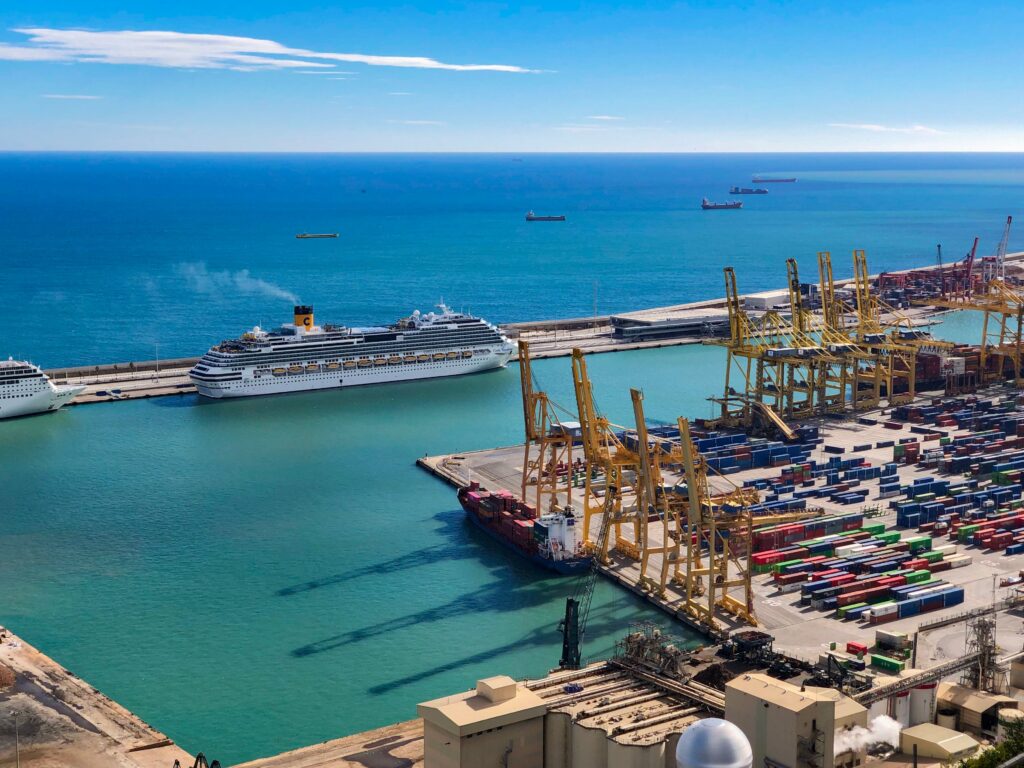
Authorities have also announced plans to reduce the number of cruise terminals from seven to five, lowering the port’s maximum daily passenger capacity from approximately 37,000 to 31,000 passengers over the coming years.
These changes are intended to ease pressure on the city’s infrastructure while maintaining Barcelona’s role as one of Europe’s leading cruise homeports.
A Global Trend Toward Sustainable Tourism
Barcelona is far from alone.
Popular destinations around the world are introducing measures to manage visitor numbers more effectively.
Examples include:
- Tourist entry fees.
- Reservation systems for popular attractions.
- Daily visitor caps.
- Restrictions on short-term rentals.
- Cruise ship limits.
- Environmental conservation fees.
The goal is increasingly to encourage responsible, higher-value tourism rather than simply attracting more visitors.
What This Means for Cruise Travelers
If the proposal becomes law, passengers may notice:
- Higher overall trip costs for certain itineraries.
- Greater incentive to choose cruises that begin or end in Barcelona.
- Possible itinerary changes as cruise operators evaluate costs.
- Increased emphasis on longer visits rather than quick stopovers.
For many travelers, the additional cost may represent only a small fraction of the total cruise price. However, cruise lines could adjust routes if similar policies spread across Europe.
The Future of Urban Tourism
Cities worldwide are confronting the same fundamental question:
How can they remain welcoming to visitors while protecting residents’ quality of life?
Future tourism strategies are likely to include:
- Smarter visitor management.
- AI-powered crowd monitoring.
- Dynamic tourism pricing.
- More sustainable transportation.
- Greater investment in local communities.
- Expanded off-season tourism campaigns.
Rather than discouraging tourism altogether, many destinations are seeking a more balanced model that delivers long-term economic benefits without overwhelming local infrastructure.
Conclusion
Barcelona’s proposal to raise the tourist tax for short-stay cruise passengers marks another milestone in the global shift toward sustainable tourism management. Rather than focusing solely on increasing visitor numbers, the city is attempting to encourage tourism that generates greater economic value while reducing pressure on neighborhoods, public services, and historic sites.
Whether the measure ultimately succeeds will depend on its implementation, traveler behavior, and the response of the cruise industry. Regardless of the outcome, one thing is becoming increasingly clear: the future of tourism will be shaped not only by where people want to travel, but also by how destinations choose to manage their popularity.
As overtourism becomes a growing concern in many of the world’s most visited cities, Barcelona’s proposal may serve as a model—or a cautionary tale—for destinations seeking to balance prosperity with sustainability.
Frequently Asked Questions (FAQs)
1. Why does Barcelona want to increase the cruise tourist tax?
City leaders say the proposal aims to reduce the impact of short-stay cruise tourism, which they believe creates congestion while generating relatively limited economic benefits compared with visitors who stay overnight.
2. Who would have to pay the proposed €30 tax?
The higher tax would apply only to cruise passengers whose ships dock in Barcelona for less than 12 hours. Cruises that start or end in Barcelona would remain exempt from the increased charge because they contribute more to the local economy.
3. Has the new tax already been approved?
Not yet. The proposal has political backing at the city level but still requires approval by the Parliament of Catalonia before it can take effect.
4. Why is cruise tourism controversial?
Critics argue that large numbers of day-trippers can overcrowd popular attractions, increase pollution, strain infrastructure, and contribute less to local businesses because many services are provided onboard the cruise ship.
5. Are other destinations introducing similar tourism restrictions?
Yes. Many destinations around the world are adopting measures such as visitor caps, tourist taxes, reservation systems, restrictions on short-term rentals, and environmental fees to manage overtourism and promote more sustainable travel.
Sources Euro News

