
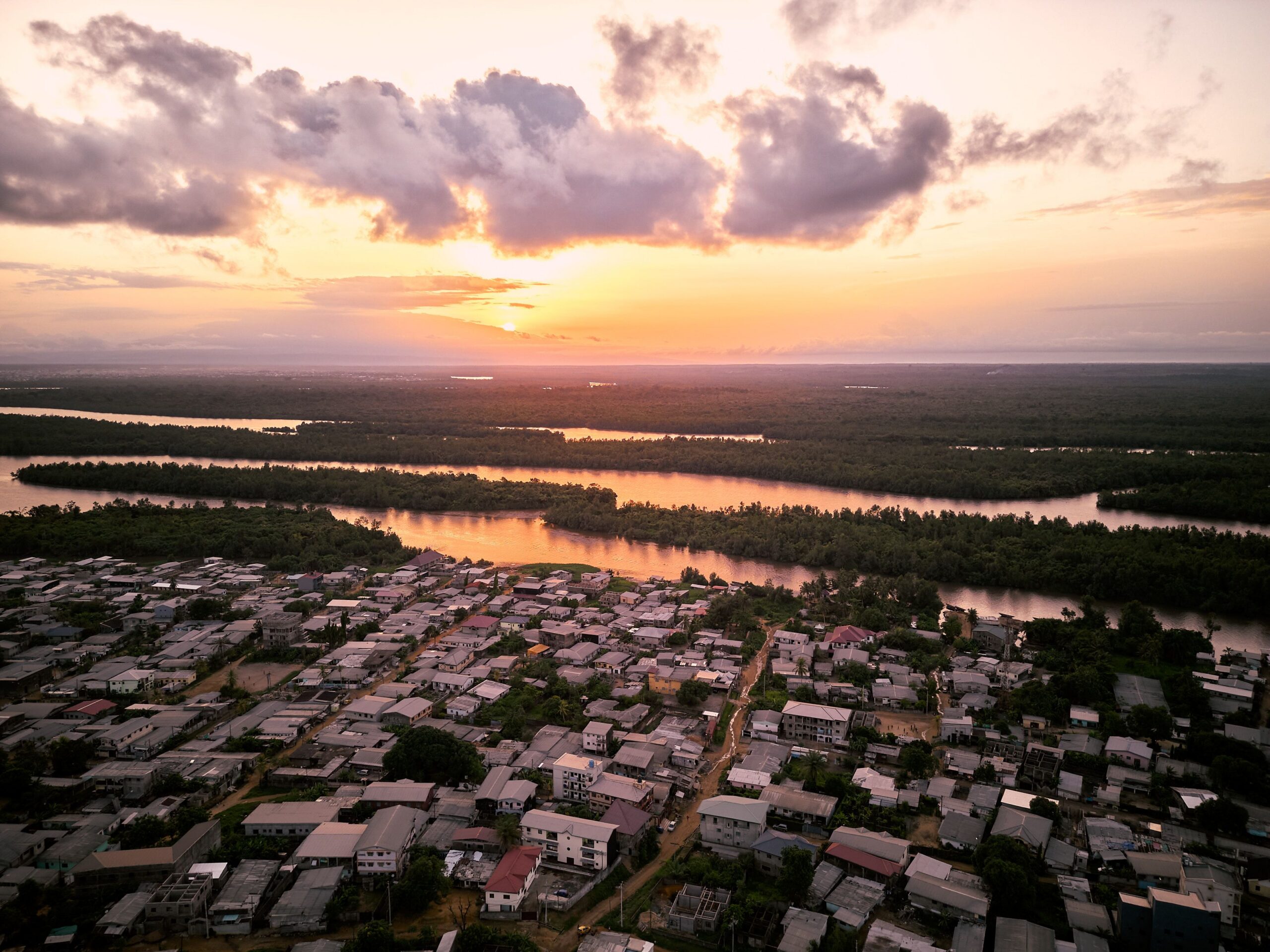
Suriname is on the verge of one of the most significant economic transformations in its history. Long known for its vast rainforests, rich cultural diversity, and relatively small tourism industry, the South American nation is preparing for billions of dollars in offshore oil revenues expected to begin flowing from 2028.
Rather than waiting for the oil wealth to arrive, Suriname is already reshaping its economy. The government is modernizing its tax system, promoting sustainable tourism, strengthening diplomatic ties, improving public finances, and laying the groundwork to avoid the so-called “resource curse” that has affected many resource-rich nations.
The country’s strategy reflects a growing recognition that long-term prosperity depends not only on natural resources but also on strong institutions, economic diversification, and responsible governance.

A Small Country with Enormous Potential
Located on South America’s northeastern coast, Suriname is one of the continent’s smallest countries, with a population of around 650,000 people.
Despite its size, it possesses remarkable natural assets:
- Over 90% of the country is covered by tropical rainforest.
- It is one of the world’s few carbon-negative countries.
- It has extraordinary biodiversity.
- It is home to diverse ethnic communities, including Indigenous, Maroon, Indian, Javanese, Chinese, Creole, and European populations.
Historically, Suriname’s economy has relied on:
- Gold mining
- Oil production
- Bauxite
- Agriculture
- Forestry
Now offshore petroleum discoveries are poised to become the country’s largest economic driver.
Offshore Oil Could Transform the Economy
Major offshore discoveries have attracted global energy companies to Suriname’s waters.
Industry analysts estimate that offshore production could generate tens of billions of dollars in government revenue over the coming decades.
The first large-scale offshore oil production is expected to begin in 2028, led by international energy companies working alongside Suriname’s state-owned oil company, Staatsolie.
Additional gas discoveries continue to strengthen confidence that Suriname could become one of the newest major energy producers in the region.
Learning from Guyana’s Experience
Neighboring Guyana provides an important example.
Over the past decade, Guyana has experienced one of the world’s fastest economic growth rates following major offshore oil discoveries.
Suriname hopes to achieve similar success while avoiding some of the challenges that accompany rapid resource-driven growth, including:
- Inflation
- Rising inequality
- Overdependence on oil
- Labor shortages
- Pressure on housing and infrastructure
- Public spending inefficiencies
Government officials have repeatedly emphasized the importance of careful planning before production begins.
Why Tourism Still Matters
Despite the excitement surrounding oil, Suriname is not abandoning tourism.
Officials recognize that petroleum resources are finite, while tourism can generate sustainable long-term employment.
Suriname offers attractions unlike most destinations in South America.
These include:
- Pristine Amazon rainforest
- Ecotourism experiences
- Wildlife observation
- Birdwatching
- Indigenous villages
- Historic colonial architecture
- River expeditions
- Multicultural cuisine
- UNESCO World Heritage sites
The government sees tourism as an essential pillar of economic diversification rather than a secondary industry.
Investing in Sustainable Tourism
Rather than pursuing mass tourism, Suriname is focusing on sustainable, low-impact travel.
Priority areas include:
- Eco-lodges
- Nature reserves
- River tourism
- Cultural heritage
- Community-based tourism
- Adventure travel
Protecting forests remains central to the country’s tourism strategy because its natural environment is one of its greatest competitive advantages.
Preparing the Tax System for Oil Revenue
One of the government’s biggest priorities is strengthening public finances before oil revenues begin arriving.
International financial institutions have encouraged Suriname to improve:
- Budget management
- Revenue collection
- Fiscal transparency
- Public investment planning
- Long-term savings mechanisms
Officials want to ensure future oil income benefits both current and future generations instead of creating unsustainable spending.
Avoiding the Resource Curse
Many countries blessed with abundant natural resources have experienced economic instability rather than prosperity.
This phenomenon is often called the resource curse.
Common risks include:
- Government overspending
- Corruption
- Currency appreciation
- Declining competitiveness in other industries
- Heavy dependence on commodity prices
To reduce these risks, Suriname has introduced reforms aimed at strengthening fiscal governance, updating public financial management laws, and improving the operation of its savings and stabilization mechanisms ahead of offshore production. International organizations have emphasized that institutional capacity will be just as important as oil production itself.
Diplomacy Is Becoming More Important
The oil boom is also changing Suriname’s international relationships.
The country is expanding cooperation with:
- Caribbean nations
- South American neighbors
- North American investors
- European partners
- Asian energy companies
International diplomacy now extends beyond traditional political cooperation to include:
- Energy investment
- Infrastructure financing
- Climate partnerships
- Environmental protection
- Trade agreements
- Technology transfer
Maintaining balanced foreign relations is becoming increasingly important as more international companies invest in the country’s offshore sector.
Environmental Protection Remains a Priority
Suriname occupies a unique position globally because it is one of the few countries that absorbs more carbon dioxide than it emits.
Its forests serve as an important carbon sink for the planet.
This creates a difficult balancing act.
The government must reconcile:
- Economic growth
- Offshore oil development
- Climate commitments
- Biodiversity conservation
- Indigenous rights
- Sustainable land management
Environmental experts continue to call for strong safeguards, transparent impact assessments, and effective emergency response systems to minimize the risks associated with offshore drilling.
Infrastructure Needs Significant Investment
Oil revenues could finance improvements in:
- Roads
- Bridges
- Airports
- Ports
- Digital infrastructure
- Healthcare
- Education
- Water systems
Better infrastructure would not only support the energy sector but also improve tourism and the broader business environment.
Local Communities Want Inclusive Growth
Many Surinamese hope the coming oil wealth will improve living standards.
Key expectations include:
- Better employment opportunities
- Skills training
- Higher wages
- Improved education
- Modern healthcare
- Affordable housing
- Reduced poverty
There is also strong interest in ensuring local businesses and workers benefit from energy projects through local content policies and workforce development programs.
Challenges Ahead
Despite its enormous opportunities, Suriname still faces several important challenges.
Institutional Capacity
Government agencies must be capable of managing large revenue flows efficiently and transparently.
Economic Diversification
Oil should complement—not replace—other productive sectors such as tourism, agriculture, and services.
Environmental Risks
Offshore drilling carries the possibility of oil spills and impacts on marine ecosystems if not carefully managed.
Global Energy Transition
As the world gradually shifts toward cleaner energy, Suriname will need to balance short-term oil revenues with long-term sustainability goals.
Fiscal Discipline
Strong public financial management will be essential to prevent excessive borrowing and wasteful spending.
What the Future Could Look Like
If managed effectively, offshore oil revenues could help transform Suriname into one of South America’s fastest-growing economies.
Success will depend on more than petroleum production alone.
Long-term prosperity will require:
- Transparent governance
- Responsible fiscal policies
- Continued investment in tourism
- Environmental conservation
- Education and workforce development
- Economic diversification
- Strong international partnerships
Countries that successfully manage natural resource wealth often invest heavily in people, institutions, and future industries rather than relying solely on commodity exports.
Conclusion
Suriname stands at a historic crossroads. Offshore oil discoveries promise unprecedented economic opportunities, but they also bring significant responsibilities.
By strengthening its fiscal framework, promoting sustainable tourism, expanding diplomatic partnerships, and preparing institutions before the first barrels of offshore oil are produced, the country is attempting to build a more resilient and diversified economy.
Whether Suriname ultimately becomes another global energy success story will depend not only on the size of its oil reserves but also on the quality of its governance, environmental stewardship, and commitment to ensuring that resource wealth benefits all of its citizens for generations to come.
Frequently Asked Questions (FAQs)
1. Why is Suriname attracting so much international attention?
Suriname has discovered significant offshore oil and gas reserves that are expected to begin commercial production around 2028, potentially transforming its economy.
2. Why is the government investing in tourism before oil production begins?
Officials view tourism as a long-term, sustainable industry that can diversify the economy and reduce dependence on oil revenues while creating jobs and protecting the country’s natural heritage.
3. What is the “resource curse”?
The resource curse refers to the paradox where countries rich in natural resources experience economic instability, corruption, weak institutions, or slower long-term development due to poor management of resource wealth.
4. How could offshore oil benefit Suriname?
If managed responsibly, oil revenues could fund infrastructure, healthcare, education, public services, environmental protection, and economic development while creating new employment opportunities.
5. What are the biggest risks facing Suriname’s oil future?
Key risks include environmental damage from offshore drilling, overreliance on oil revenues, government overspending, weak institutional capacity, and the challenge of balancing economic growth with climate and biodiversity commitments.

Sources Miami Herald

