
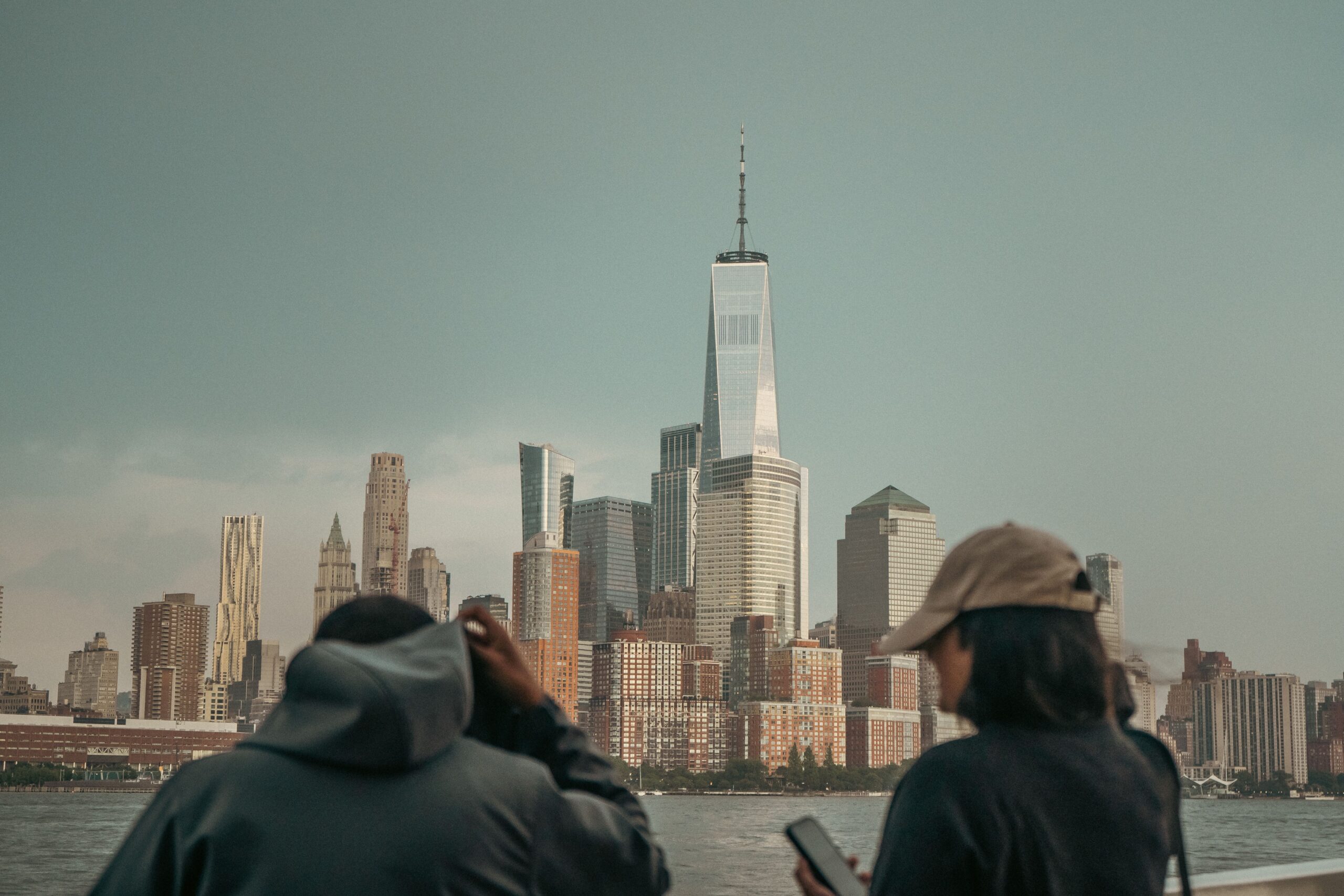
Every summer, New York City (NYC) transforms into one of the busiest tourist destinations in the world. Streets fill with visitors from across the globe, Broadway theaters sell out, observation decks welcome long lines, and iconic landmarks become vibrant meeting places for millions of travelers.
After several years of recovery and renewed international travel, the summer of 2026 marks another strong season for New York City’s tourism industry. Hotels, restaurants, museums, retailers, and entertainment venues are benefiting from increased visitor spending, while city officials continue working to balance economic growth with transportation, infrastructure, and quality-of-life concerns.
The resurgence demonstrates not only New York’s enduring appeal but also the broader recovery of global tourism driven by rising consumer confidence, improved international connectivity, and growing demand for cultural and urban travel experiences.
Why Summer Is Peak Tourism Season in New York City
Summer has traditionally been the city’s busiest tourism period.
Several factors contribute to the seasonal surge:
- School holidays
- Warm weather
- Outdoor festivals
- Longer daylight hours
- International vacation schedules
- Cruise arrivals
- Sporting events
- Cultural celebrations
Visitors can comfortably explore parks, neighborhoods, waterfronts, and outdoor attractions that are less appealing during colder months.
What Makes New York City So Popular?
New York offers an extraordinary variety of attractions within a relatively compact area.
Among its biggest draws are:
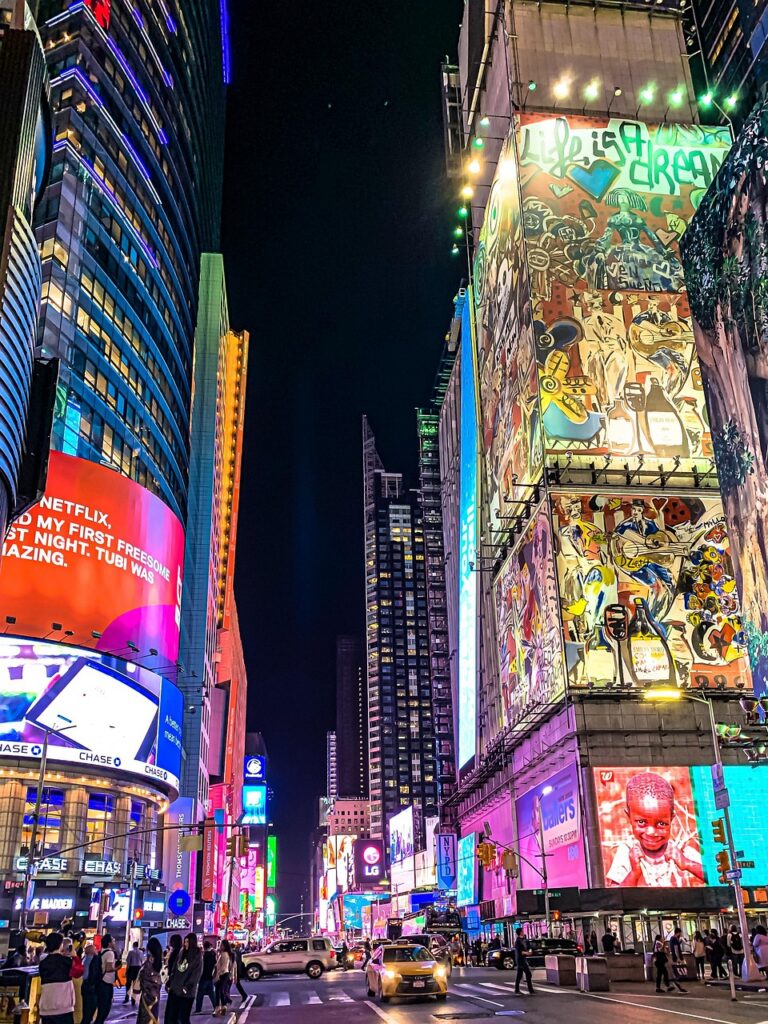
- Times Square
- Central Park
- Statue of Liberty
- Empire State Building
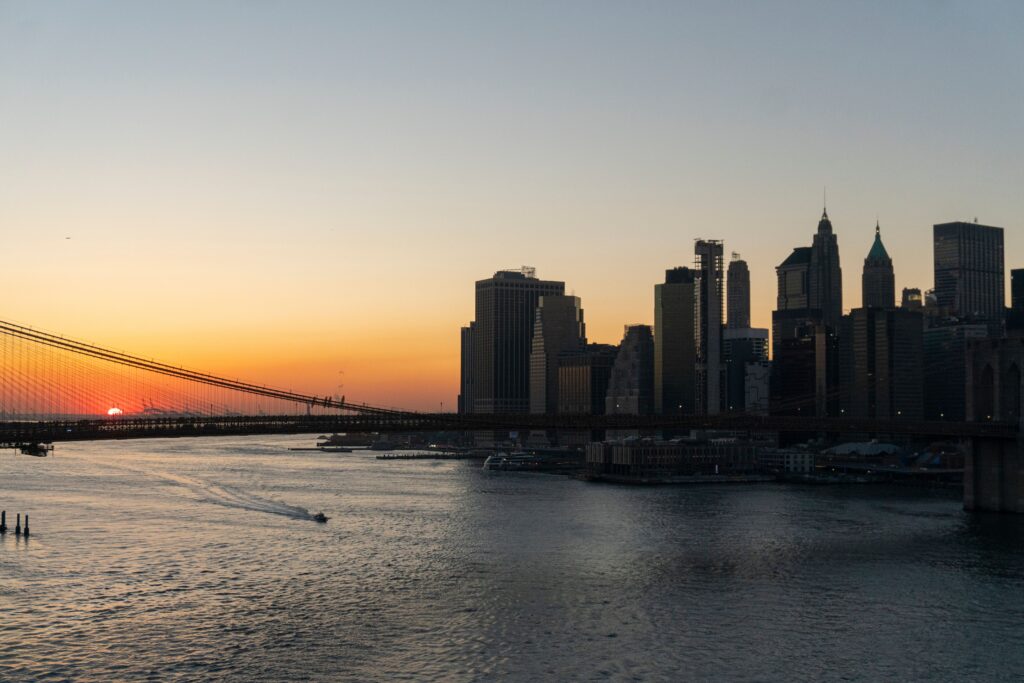
- Brooklyn Bridge
- Broadway theaters
- Fifth Avenue shopping
- Museums
- Diverse neighborhoods
- World-class dining
Few cities combine history, entertainment, finance, fashion, culture, architecture, and cuisine on the same scale.
International Tourism Is Returning Strongly
International arrivals continue to play an essential role in New York’s tourism economy.
Visitors arrive from:
- Europe
- Canada
- Latin America
- Asia
- Australia
- Middle East
Improved airline capacity, expanded visa processing in many markets, and increased traveler confidence have contributed to stronger inbound tourism.
International visitors often stay longer and spend more than domestic tourists, making them particularly valuable to the local economy.
Tourism Supports the Local Economy
Visitor spending benefits a wide range of industries.
Tourism supports:
- Hotels
- Restaurants
- Retail stores
- Museums
- Transportation
- Entertainment
- Tour operators
- Small businesses
It also generates significant tax revenue that helps fund public services, infrastructure improvements, and cultural institutions.
Millions of jobs across the metropolitan area are directly or indirectly connected to tourism.
Broadway Remains a Major Attraction
Live theater continues to be one of New York’s defining experiences.
Summer visitors often plan entire trips around Broadway performances.
The theater district benefits from:
- International audiences
- Family vacations
- Group tours
- Business travelers
- Weekend visitors
Strong theater attendance also supports nearby restaurants, hotels, and retailers.
Outdoor Spaces Are More Important Than Ever
One notable trend is the growing popularity of outdoor attractions.
Visitors increasingly spend time at:
- Central Park
- Bryant Park
- High Line
- Hudson River Park
- Brooklyn Bridge Park
- Governors Island
- Coney Island
- Rooftop venues
These locations offer opportunities to experience the city while avoiding indoor crowds during peak travel periods.
Food Tourism Continues to Grow
New York has become one of the world’s leading culinary destinations.
Travelers visit specifically to experience:
- Pizza
- Bagels
- Delicatessens
- International cuisine
- Fine dining
- Food markets
- Street vendors
- Michelin-starred restaurants
The city’s multicultural population creates one of the most diverse food scenes anywhere in the world.
Technology Is Changing the Visitor Experience
Modern travelers increasingly rely on digital tools throughout their trips.
Common technologies include:
- Mobile ticketing
- AI travel assistants
- Navigation apps
- Contactless payments
- Restaurant reservation platforms
- Real-time transit information
- Translation apps
- Digital hotel check-in
Artificial intelligence is also helping travelers create personalized itineraries based on interests, budgets, and available time.
Challenges of Peak Tourism
Large visitor numbers also create operational challenges.
These include:
- Crowded attractions
- Longer waiting times
- Hotel availability
- Traffic congestion
- Higher accommodation costs
- Public transportation demand
- Waste management
- Infrastructure maintenance
City agencies continuously coordinate with businesses and tourism organizations to manage these pressures.
Hotel Demand Remains Strong
Summer occupancy rates typically increase significantly.
Travelers should expect:
- Higher room prices
- Earlier booking deadlines
- Limited availability near major attractions
- Greater demand for family accommodations
Booking several months in advance often provides better rates and more options.
Sustainable Tourism Is Becoming More Important
New York is increasingly encouraging responsible tourism practices.
Examples include:
- Public transportation use
- Walking tours
- Cycling infrastructure
- Green public spaces
- Historic preservation
- Waste reduction
- Support for local businesses
Visitors can contribute by respecting neighborhoods and exploring attractions beyond the city’s busiest districts.
Exploring Beyond Manhattan
While Manhattan remains the primary destination, other boroughs continue attracting more visitors.
Popular alternatives include:
Brooklyn
Known for waterfront parks, art, restaurants, and cultural diversity.
Queens
Offers exceptional international cuisine and multicultural neighborhoods.
The Bronx
Home to the New York Botanical Garden, Yankee Stadium, and the Bronx Zoo.
Staten Island
Provides waterfront views and the famous Staten Island Ferry.
These areas offer authentic local experiences while helping distribute tourism more evenly.
Events Drive Summer Demand
The city’s summer calendar includes numerous events.
These may include:
- Independence Day celebrations
- Outdoor concerts
- Cultural festivals
- Sporting events
- Food festivals
- Street fairs
- Museum exhibitions
- Community events
These attractions encourage longer stays and repeat visits.
Tips for Visiting During Peak Season
To enjoy a smoother trip:
- Reserve attractions in advance.
- Purchase theater tickets early.
- Use public transportation.
- Visit popular landmarks early in the morning.
- Explore less crowded neighborhoods.
- Stay hydrated during hot weather.
- Book accommodations well ahead of travel dates.
Careful planning can significantly improve the visitor experience.
The Future of Tourism in New York
Industry experts expect tourism to remain one of the city’s strongest economic sectors.
Emerging trends include:
- AI-assisted travel planning
- Sustainable tourism initiatives
- Smart city technology
- Contactless visitor services
- Personalized travel experiences
- Cultural tourism
- Bleisure travel (business plus leisure)
The city’s ability to adapt to changing traveler expectations will remain essential to maintaining its position as one of the world’s premier destinations.
Conclusion
New York City’s summer tourism boom reflects the city’s enduring global appeal and the continued recovery of international travel. From iconic landmarks and Broadway theaters to diverse neighborhoods and world-renowned cuisine, the city offers experiences that continue to attract millions of visitors each year.
However, increased tourism also brings challenges related to crowd management, transportation, accommodation, and sustainability. Through technology, improved planning, and continued investment in public infrastructure, New York is working to ensure that tourism remains both economically beneficial and enjoyable for visitors and residents alike.
As travel demand continues to evolve, the city’s ability to balance growth with livability will help shape the future of urban tourism around the world.
Frequently Asked Questions (FAQs)
1. Why is summer the busiest tourism season in New York City?
School vacations, warm weather, outdoor events, longer daylight hours, and international travel schedules make summer the most popular time for visitors.
2. What attractions are most popular during the summer?
Times Square, Central Park, the Statue of Liberty, Broadway, the Empire State Building, the High Line, museums, rooftop venues, and waterfront parks attract millions of visitors each summer.
3. How can travelers avoid large crowds?
Visiting attractions early in the morning, booking tickets in advance, exploring neighborhoods outside Manhattan, and traveling on weekdays can help reduce waiting times and congestion.
4. Is New York City expensive during peak tourist season?
Yes. Hotel prices, attraction tickets, and some travel services are generally more expensive during summer because of high demand. Early reservations can help reduce costs.
5. What trends are shaping the future of tourism in New York?
Artificial intelligence, sustainable tourism, smart city technologies, personalized travel planning, contactless services, and greater interest in local neighborhood experiences are expected to influence how visitors explore the city in the coming years.
Sources The New York Times

