
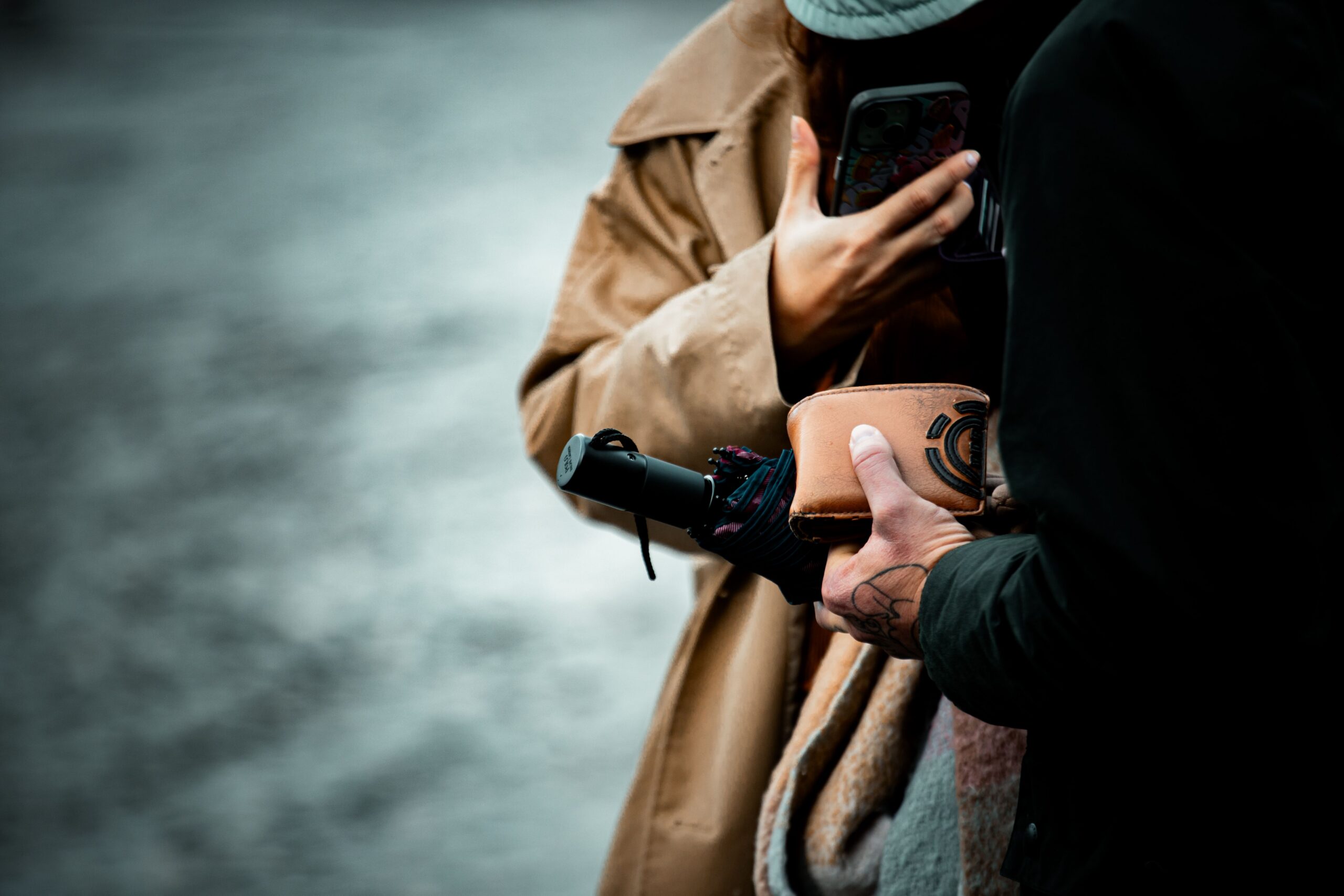
Every year, millions of people travel to famous vacation islands seeking sunshine, beautiful beaches, historic landmarks, and unforgettable cultural experiences. While these destinations remain among the world’s most enjoyable places to visit, their popularity also attracts another group of visitors—professional pickpockets.
Crowded tourist hotspots provide ideal conditions for organized theft. Busy streets, packed public transportation, outdoor festivals, beach promenades, and popular attractions create countless opportunities for criminals to target distracted travelers carrying cash, passports, smartphones, cameras, and other valuables.
Although violent crime against tourists is relatively uncommon in many major destinations, petty theft remains one of the most frequently reported travel-related crimes worldwide. Understanding how pickpockets operate and adopting simple safety habits can significantly reduce the risk of becoming a victim.

Why Tourist Destinations Attract Pickpockets
Professional thieves often focus on areas with large numbers of visitors because tourists typically:
- Carry valuable electronics
- Bring passports
- Have cash in multiple currencies
- Are unfamiliar with local surroundings
- Become distracted while sightseeing
- Spend time taking photographs
- Use maps or navigation apps
Busy tourist districts also allow criminals to blend easily into large crowds and disappear quickly after committing a theft.
Vacation Islands Face Unique Challenges
Popular islands often experience enormous seasonal surges in visitor numbers.
During peak tourism periods, destinations may see:
- Crowded beaches
- Full public transport
- Long attraction queues
- Packed shopping streets
- Busy restaurants
- Large festivals
- Cruise ship arrivals
Higher visitor density naturally increases opportunities for opportunistic crime.
Many islands also rely heavily on tourism, making visitor safety an important priority for local authorities.
How Pickpockets Typically Operate
Most professional pickpockets avoid confrontation.
Instead, they rely on distraction, teamwork, and speed.
Common tactics include:
The Crowd Technique
Criminals use crowded environments to bump into victims while quietly removing wallets or phones.
Distraction Scams
One person asks for directions, spills a drink, drops an object, or creates confusion while another steals valuables.
Fake Petitions
Individuals request signatures or donations to distract tourists.
Street Performances
Crowds watching entertainers provide ideal opportunities for theft.
Public Transportation
Buses, trains, ferries, and subway stations are common locations for pickpocketing because travelers are often carrying luggage and focusing on boarding or exiting.
Organized Groups Often Work Together
Many pickpocketing incidents involve coordinated teams rather than individuals.
Different members may perform separate roles:
- Spotting potential victims
- Creating distractions
- Stealing valuables
- Receiving stolen items
- Watching for police
This coordination allows thieves to act quickly and reduce the chance of being caught with stolen property.
Smartphones Are Now the Primary Target
While wallets remain attractive, smartphones have become one of the most commonly stolen travel items.
Modern phones contain:
- Banking apps
- Digital wallets
- Personal photos
- Email accounts
- Social media access
- Travel reservations
- Identity documents
Losing a phone can disrupt an entire vacation.
Travelers should activate device tracking, strong passwords, biometric security, and remote wipe features before departure.
Popular Locations Where Theft Occurs
Pickpocketing is most common in:
- Tourist attractions
- Historic districts
- Beaches
- Shopping streets
- Airports
- Train stations
- Ferry terminals
- Public transportation
- Outdoor cafés
- Festivals
Even luxury destinations are not immune.
High visitor numbers—not destination quality—create opportunities for theft.
Travel Technology Can Improve Security
Modern technology helps travelers protect valuables.
Useful tools include:
- GPS device tracking
- Smart luggage trackers
- Digital document storage
- Mobile payment systems
- RFID-blocking wallets
- Password managers
- Cloud backups
- Emergency contact apps
Artificial intelligence is also being integrated into some travel security platforms to detect suspicious account activity or alert users to potential fraud.

Practical Ways to Reduce Risk
Experienced travelers recommend several simple precautions.
These include:
- Use cross-body bags with secure zippers.
- Keep valuables in front-facing pockets.
- Avoid displaying expensive jewelry.
- Carry only the cash needed for the day.
- Store passports securely when possible.
- Divide money between multiple locations.
- Remain alert in crowded areas.
- Be cautious when approached by strangers creating distractions.
Small behavioral changes often provide significant protection.
Hotels Play an Important Role
Accommodation providers contribute to tourist safety by offering:
- In-room safes
- Secure luggage storage
- Security cameras
- Staff guidance
- Emergency assistance
- Local safety information
Guests should use hotel safes whenever appropriate for passports, spare credit cards, and valuable electronics.
Local Authorities Continue Strengthening Security
Many tourism-dependent destinations invest heavily in visitor protection.
Common initiatives include:
- Increased police patrols
- Tourist assistance officers
- CCTV surveillance
- Multilingual emergency services
- Public awareness campaigns
- Anti-theft operations
Maintaining a reputation for safety is essential for destinations that rely on international tourism.
Social Media Can Both Help and Hurt
Travel influencers often encourage visitors to explore popular locations.
However, publicly sharing real-time locations may unintentionally reveal:
- Expensive equipment
- Hotel locations
- Daily schedules
- Personal belongings
Waiting until after leaving a location before posting can reduce unnecessary risks.
Travel Insurance Matters
Comprehensive travel insurance can help cover losses resulting from:
- Theft
- Lost baggage
- Stolen electronics
- Passport replacement
- Emergency expenses
Before purchasing a policy, travelers should understand coverage limits and documentation requirements.
Police reports are often necessary when filing claims.
Sustainable Tourism Includes Visitor Safety
Responsible tourism is not only about protecting the environment.
It also involves:
- Safe public spaces
- Reliable transportation
- Community policing
- Visitor education
- Local cooperation
Destinations that prioritize safety are more likely to attract repeat visitors and positive international reputations.
Artificial Intelligence Is Transforming Tourism Security
AI is increasingly helping governments and tourism operators improve public safety.
Potential applications include:
- Smart surveillance systems
- Crowd density monitoring
- Suspicious behavior detection
- Emergency response coordination
- Lost visitor assistance
- Crime pattern analysis
While privacy considerations remain important, these technologies may improve security without significantly disrupting tourism.
What To Do If You Become a Victim
If theft occurs:
- Stay calm.
- Contact local police immediately.
- Cancel stolen bank cards.
- Report stolen passports to your embassy or consulate.
- Notify your travel insurance provider.
- Use tracking features for electronic devices.
- Change passwords for important online accounts if necessary.
Quick action can reduce financial losses and identity theft risks.
The Future of Tourist Safety
As global tourism continues to grow, destinations are expected to invest more heavily in:
- Smart city technology
- AI-assisted policing
- Digital visitor services
- Secure payment systems
- Traveler education
- International law enforcement cooperation
These improvements aim to enhance visitor confidence while protecting local communities.
Conclusion
Pickpocketing remains one of the most common risks facing travelers in crowded tourist destinations, particularly on popular vacation islands that welcome millions of visitors each year. Fortunately, most incidents involve opportunistic theft rather than violent crime, and many can be prevented through awareness, preparation, and sensible precautions.
By understanding common theft techniques, using modern security technology, protecting personal belongings, and remaining alert in busy public spaces, travelers can greatly reduce their chances of becoming victims. At the same time, governments, tourism authorities, hotels, and local communities continue investing in smarter security measures to ensure visitors enjoy safe and memorable vacations.
Travel should be an opportunity to explore new cultures, create lasting memories, and experience the world’s most beautiful destinations. With a little preparation and vigilance, tourists can focus on enjoying their journey while minimizing unnecessary risks.
Frequently Asked Questions (FAQs)
1. Where are tourists most likely to encounter pickpockets?
Pickpocketing commonly occurs in crowded locations such as beaches, tourist attractions, public transportation, shopping streets, festivals, airports, and historic city centers.
2. What items are most frequently stolen from travelers?
Smartphones, wallets, passports, cameras, jewelry, cash, and credit cards are among the most commonly targeted valuables.
3. How can travelers reduce the risk of pickpocketing?
Using secure bags, avoiding visible valuables, staying aware of surroundings, carrying limited cash, activating phone security features, and being cautious of distraction techniques can significantly reduce risk.
4. Does travel insurance cover theft?
Many comprehensive travel insurance policies provide coverage for stolen belongings, but travelers should review policy details, coverage limits, exclusions, and reporting requirements before departure.
5. How is technology improving tourist safety?
Artificial intelligence, smart surveillance, GPS tracking, digital payments, emergency apps, and predictive security systems are helping destinations better protect visitors while improving overall travel experiences.

Sources Fox News

