
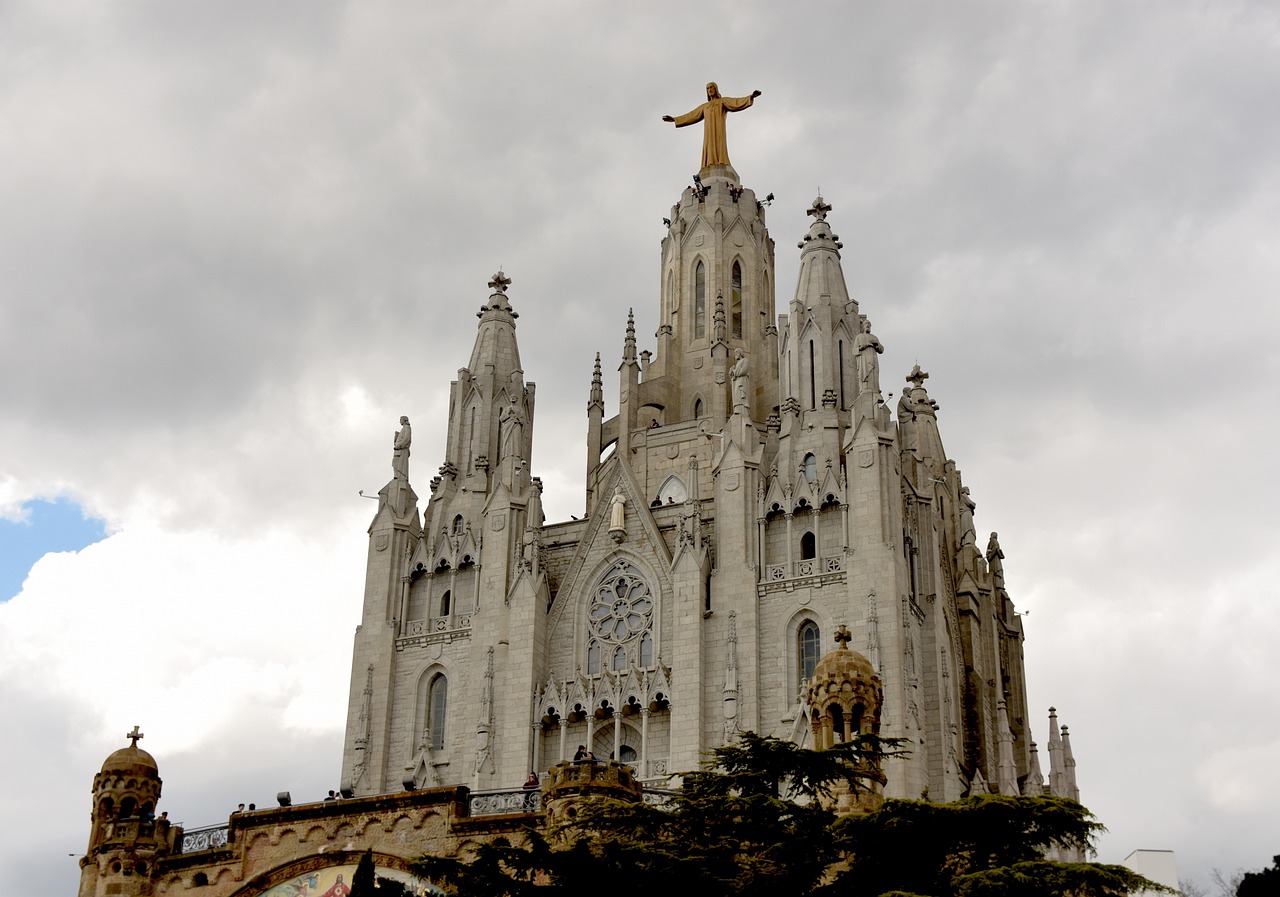
Barcelona has long been one of Europe’s most beloved destinations. From the architectural masterpieces of Antoni Gaudí to Mediterranean beaches, vibrant food markets, and centuries of Catalan history, the Spanish city attracts millions of visitors every year.
Yet Barcelona’s greatest success has also become one of its biggest challenges.
What was once viewed as an economic engine has evolved into a complex debate over housing affordability, public space, infrastructure, environmental sustainability, and the quality of life for local residents. City leaders increasingly argue that Barcelona does not need more visitors—it needs better-managed tourism that benefits both residents and travelers. Tourism commissioner José Antonio Donaire has become one of the leading voices behind this shift, advocating for a model that prioritizes sustainability over endless visitor growth.

What Is Overtourism?
Overtourism occurs when the number of visitors exceeds a destination’s ability to comfortably accommodate them without negatively affecting residents, infrastructure, local businesses, or the environment.
Unlike traditional tourism growth, overtourism isn’t simply about visitor numbers. It also concerns:
- Where tourists gather
- When they visit
- How long they stay
- How they interact with local communities
- Whether tourism revenue benefits the city fairly
A city can welcome millions of visitors without major issues if tourism is well distributed. Problems arise when large crowds concentrate in the same neighborhoods, attractions, and seasons.
Why Barcelona Became a Global Tourism Magnet
Barcelona’s popularity has grown steadily since hosting the 1992 Summer Olympics, which transformed its global image and infrastructure.
Today, visitors come for many reasons:
- Gaudí landmarks such as the Sagrada Família and Park Güell
- Mediterranean beaches
- World-famous cuisine
- Football culture
- Cruise tourism
- International conferences
- Art museums
- Historic Gothic Quarter
- Mild climate throughout much of the year
Low-cost airlines, online travel platforms, and short-term rental services have made visiting Barcelona easier than ever.
This success has generated billions of euros for the local economy and supported thousands of jobs.
However, it has also placed extraordinary pressure on parts of the city.
The Real Cost of Overtourism
Housing Affordability
Perhaps the biggest concern is housing.
Many apartments that once served local residents have been converted into short-term tourist accommodations.
As housing supply shrinks, rents and property prices increase, making it harder for residents—especially younger people—to remain in central neighborhoods.
Barcelona has responded by announcing plans to eliminate thousands of licensed tourist apartments by 2028 in an effort to return more housing to the residential market.
Crowded Public Spaces
Iconic locations like:
- La Rambla
- Sagrada Família
- Park Güell
- Barceloneta Beach
- La Boqueria Market
can become heavily congested during peak seasons.
Residents often experience:
- Longer travel times
- Packed public transportation
- Noise pollution
- Reduced access to neighborhood amenities
Research has shown that tourism pressure can reshape residents’ daily mobility, influencing how they move through and use their own neighborhoods.
Changing Neighborhood Identity
Over time, neighborhoods may begin serving tourists more than locals.
Examples include:
- Traditional grocery stores becoming souvenir shops.
- Family-owned cafés replaced by businesses targeting visitors.
- Historic districts evolving into entertainment zones.
Many residents worry that Barcelona could lose the unique character that made it attractive in the first place.
Pressure on Infrastructure
Tourism places additional demand on:
- Public transportation
- Waste collection
- Water supplies
- Emergency services
- Public safety
- Historic buildings
Maintaining these services requires substantial public investment.

Barcelona’s New Tourism Strategy
Rather than attempting to eliminate tourism, Barcelona is pursuing a different goal:
Improve tourism quality instead of increasing tourism quantity.
Officials argue the city has already reached its practical visitor limit and should focus on managing visitor behavior and distribution instead of attracting ever more tourists.
Key initiatives include:
1. Reducing Tourist Apartments
The city plans to phase out approximately 10,000 licensed tourist apartments by 2028 to increase long-term housing availability.
2. Managing Cruise Tourism
Cruise passengers often spend only a few hours in the city, creating congestion while contributing relatively less to the local economy compared with overnight visitors.
Barcelona is therefore reducing cruise terminal capacity and encouraging tourism that brings longer stays.
3. Protecting Traditional Markets
Officials want markets like La Boqueria to function as genuine neighborhood markets rather than solely tourist attractions by discouraging businesses that cater exclusively to quick-stop visitors.
4. Encouraging Longer Visits
Visitors who stay several days generally spend more money locally, visit more neighborhoods, and place less concentrated pressure on major attractions than day-trippers.

Tourism Isn’t the Only Cause
Many experts caution against blaming tourism alone.
Barcelona’s housing challenges also involve:
- Population growth
- Real estate investment
- Limited housing construction
- Inflation
- Broader economic conditions
Tourism can intensify these issues, but it is rarely the sole cause.
Finding the right balance requires coordinated housing, transportation, and economic policies alongside tourism management.
Technology Can Help Manage Tourism
Modern cities increasingly use technology to reduce congestion.
Potential solutions include:
- Real-time crowd monitoring
- Smart visitor routing
- Timed attraction tickets
- AI-powered travel recommendations
- Digital visitor heat maps
- Predictive analytics for peak periods
Researchers are also exploring privacy-conscious crowd detection systems that help authorities monitor congestion without identifying individuals.
What Other Cities Can Learn
Barcelona is not alone.
Many destinations are facing similar pressures, including:
- Venice
- Amsterdam
- Dubrovnik
- Santorini
- Kyoto
Across Europe, cities are experimenting with measures such as tourist taxes, limits on cruise arrivals, caps on short-term rentals, and strategies to spread visitors across different neighborhoods or nearby regions.
Barcelona’s experience is becoming a case study for urban planners seeking to balance economic benefits with residents’ quality of life.
Responsible Tourism: What Visitors Can Do
Travelers also play an important role in making tourism more sustainable.
Simple actions include:
- Visiting during off-peak seasons.
- Staying longer instead of taking brief day trips.
- Supporting local businesses rather than international chains.
- Respecting neighborhood noise rules.
- Using public transportation or walking.
- Avoiding overcrowded attractions during peak hours.
- Learning about local customs and culture.
Responsible tourism helps preserve destinations for future generations while creating more meaningful travel experiences.
The Future of Tourism in Barcelona
Barcelona is unlikely to stop welcoming visitors. Tourism remains a vital part of its economy and cultural identity.
Instead, the city aims to shift from measuring success by visitor numbers to evaluating how tourism improves the lives of both residents and travelers.
The challenge is finding a sustainable balance where economic prosperity, cultural preservation, environmental responsibility, and community well-being can coexist.
If Barcelona succeeds, it may provide a blueprint for many other popular destinations confronting the same issues.
Frequently Asked Questions (FAQs)
1. What is overtourism?
Overtourism occurs when visitor numbers exceed a destination’s capacity, leading to negative impacts on residents, infrastructure, housing, the environment, and the visitor experience.
2. Why is Barcelona limiting tourist apartments?
City officials believe that reducing short-term rentals will help return more housing to local residents and ease pressure on rental prices, while supporting a more sustainable tourism model.
3. Is Barcelona trying to stop tourism completely?
No. The city’s objective is not to eliminate tourism but to improve how it is managed by encouraging longer stays, reducing overcrowding, and attracting visitors who contribute more to the local economy and community.
4. How can tourists help reduce overtourism?
Visitors can travel outside peak seasons, explore lesser-known neighborhoods, respect local communities, support local businesses, and avoid contributing to overcrowding at major attractions.
5. Which other cities face overtourism?
Several popular destinations—including Venice, Amsterdam, Dubrovnik, Santorini, and Kyoto—have introduced measures such as tourist taxes, visitor caps, cruise restrictions, or tighter controls on short-term rentals to manage tourism more sustainably.

Sources The New York Times

