
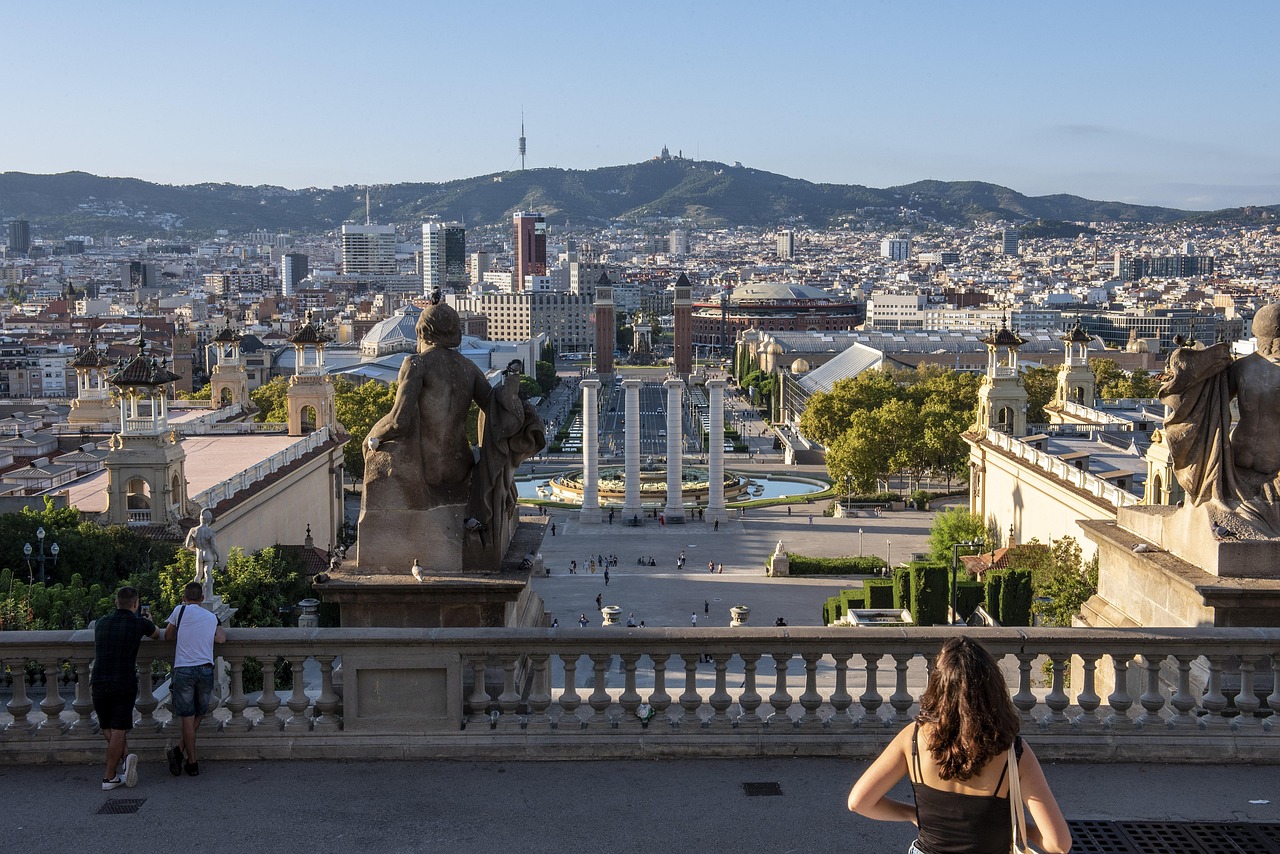
Barcelona has long ranked among the world’s most beloved travel destinations. Its striking architecture, Mediterranean coastline, vibrant neighborhoods, renowned cuisine, and rich cultural heritage attract millions of visitors every year. From the soaring towers of the Sagrada Família to the lively atmosphere of La Rambla and the colorful mosaics of Park Güell, the city offers an unforgettable experience.
Yet Barcelona’s popularity has also become one of its greatest challenges.
The city has become a global symbol of overtourism—a situation where the number of visitors begins to strain local infrastructure, reduce residents’ quality of life, and place pressure on cultural landmarks and natural resources. As tourism continues to grow worldwide, Barcelona’s experience serves as an important case study for destinations trying to balance economic prosperity with community well-being.
Rather than asking whether tourism is good or bad, the more meaningful question is how cities can welcome visitors while ensuring that local communities continue to thrive.

What Is Overtourism?
Overtourism occurs when visitor numbers exceed what a destination can comfortably accommodate without creating negative social, environmental, or economic impacts.
Common signs include:
- Crowded streets and attractions.
- Rising housing costs.
- Increased traffic congestion.
- Noise pollution.
- Pressure on public transportation.
- Environmental degradation.
- Long queues at popular sites.
- Loss of neighborhood character.
Importantly, overtourism is not determined solely by the number of visitors. It also depends on where tourists concentrate, how long they stay, when they visit, and how tourism is managed.
Why Barcelona Became So Popular
Barcelona’s rise as a global tourism powerhouse has been driven by several factors.
World-Famous Architecture
The city’s architectural identity is closely associated with Antoni Gaudí, whose masterpieces—including the Sagrada Família, Casa Batlló, Casa Milà, and Park Güell—draw millions of visitors each year.
These landmarks are celebrated for their unique blend of art, engineering, and symbolism.
Mediterranean Lifestyle
Barcelona combines urban culture with beaches, creating a destination that appeals to travelers seeking both sightseeing and relaxation.
Visitors can enjoy museums in the morning and the Mediterranean coast in the afternoon.
Excellent Accessibility
Barcelona is well connected through:
- International flights.
- High-speed rail.
- Cruise ships.
- Regional transportation networks.
Its accessibility makes it one of Europe’s easiest cities to visit.
Major Events
International conferences, sporting events, music festivals, and cultural exhibitions attract millions of additional visitors annually.
The city’s reputation as a business and creative hub extends tourism beyond traditional holiday travel.
The Economic Benefits of Tourism
Tourism contributes significantly to Barcelona’s economy.
The industry supports employment across sectors including:
- Hotels.
- Restaurants.
- Retail.
- Transportation.
- Museums.
- Entertainment.
- Tour operators.
- Cultural institutions.
Visitor spending also generates tax revenue that can help fund infrastructure, public services, and heritage conservation.
For many local businesses, tourism remains an essential source of income.
The Growing Challenges
Despite its economic value, tourism creates significant pressures when growth outpaces planning.
Housing Affordability
One of the most debated issues is the impact of short-term vacation rentals.
As more residential properties are converted into tourist accommodations, housing supply for permanent residents may decrease, contributing to higher rents in some neighborhoods.
Many cities have responded by introducing stricter licensing rules and limits on short-term rentals.
Crowded Public Spaces
Popular locations such as:
- La Rambla
- Gothic Quarter
- Park Güell
- Barceloneta Beach
- Sagrada Família
can become heavily congested during peak seasons.
This affects both visitors and residents, making everyday activities more difficult.
Infrastructure Pressure
Large visitor numbers increase demand for:
- Public transportation.
- Waste management.
- Water resources.
- Public safety.
- Healthcare services.
- Urban maintenance.
Managing these systems requires substantial investment.

Environmental Impact
Tourism influences the environment in multiple ways.
Common concerns include:
- Higher energy consumption.
- Greater water demand.
- Increased waste generation.
- Air pollution from transportation.
- Carbon emissions from flights and cruises.
- Wear on historic buildings.
As climate change becomes a greater concern, cities are increasingly incorporating environmental sustainability into tourism planning.
Cruise Tourism Debate
Barcelona is one of Europe’s busiest cruise ports.
Cruise tourism brings economic benefits through visitor spending, port activity, and employment.
However, critics argue that cruise passengers often spend limited time in the city while contributing to congestion and environmental pressures.
Some cities are evaluating limits on cruise arrivals or introducing environmental requirements for ships entering ports.
Technology Can Help Manage Tourism
Modern cities are increasingly using digital tools to improve tourism management.
Examples include:
Visitor Analytics
Anonymous data from mobile devices and transportation systems can help authorities understand crowd patterns and identify congestion hotspots.
Timed Entry Systems
Many attractions now use reservation systems that spread visitors throughout the day, reducing overcrowding.
Smart Tourism Apps
Mobile applications can suggest:
- Less crowded attractions.
- Alternative walking routes.
- Public transportation options.
- Real-time visitor information.
These tools encourage a more balanced distribution of tourists across the city.
Encouraging Visitors Beyond the City Center
One strategy for reducing congestion is encouraging exploration beyond the most famous landmarks.
Barcelona offers many neighborhoods rich in local culture, including:
- Gràcia.
- Poblenou.
- Sant Andreu.
- Horta-Guinardó.
Nearby destinations throughout Catalonia also provide opportunities for day trips that reduce pressure on central tourist areas while supporting regional economies.
The Role of Responsible Travelers
Visitors themselves play an important role in sustainable tourism.
Responsible travel includes:
- Respecting local communities.
- Following local regulations.
- Supporting independent businesses.
- Using public transportation.
- Reducing waste.
- Visiting during off-peak seasons.
- Exploring lesser-known neighborhoods responsibly.
Tourism works best when visitors contribute positively to the places they visit.
Lessons for Other Cities
Barcelona’s experience reflects broader global trends.
Other destinations—including Venice, Amsterdam, Dubrovnik, Bali, Kyoto, and Santorini—have introduced measures to address similar challenges.
These may include:
- Tourist taxes.
- Visitor caps.
- Cruise restrictions.
- Rental regulations.
- Sustainable tourism initiatives.
- Heritage protection programs.
No single solution fits every destination, but careful planning and community engagement are increasingly recognized as essential.
What Does the Future Look Like?
Rather than simply increasing visitor numbers, many destinations are shifting toward a model focused on tourism quality.
Future priorities may include:
- Longer visitor stays.
- Higher-value experiences.
- Cultural engagement.
- Environmental responsibility.
- Community participation.
- Digital visitor management.
- Sustainable infrastructure.
The objective is not necessarily fewer tourists, but tourism that creates benefits while minimizing negative impacts.
Why Barcelona Still Inspires Travelers
Despite ongoing debates about overtourism, Barcelona remains one of Europe’s most remarkable cities.
Its architectural masterpieces, vibrant public spaces, artistic heritage, Mediterranean cuisine, and cultural diversity continue to attract travelers from around the world.
The challenge lies in ensuring that future generations of both residents and visitors can enjoy these treasures without compromising the city’s character.
Barcelona’s efforts to balance tourism growth with sustainability may ultimately influence how destinations worldwide manage their own tourism futures.

Frequently Asked Questions (FAQs)
1. What is overtourism?
Overtourism occurs when visitor numbers place excessive pressure on a destination’s infrastructure, environment, cultural heritage, or residents’ quality of life.
2. Why has Barcelona become a symbol of overtourism?
Barcelona attracts millions of visitors annually because of its architecture, beaches, culture, events, and accessibility. High visitor concentration in certain neighborhoods has created challenges related to housing, congestion, and public services.
3. Does tourism benefit Barcelona’s economy?
Yes. Tourism supports employment, generates tax revenue, and benefits businesses across hospitality, transportation, retail, culture, and entertainment. The challenge is balancing these economic benefits with community well-being.
4. What can tourists do to travel more responsibly in Barcelona?
Visitors can stay in licensed accommodations, respect local neighborhoods, use public transportation, support local businesses, reduce waste, travel during less crowded periods, and explore attractions beyond the busiest tourist areas.
5. Can overtourism be solved?
There is no single solution. Successful management usually combines smart urban planning, sustainable tourism policies, technology, community involvement, visitor education, and ongoing investment in infrastructure and heritage conservation.
Conclusion
Barcelona’s experience illustrates one of the defining challenges of modern tourism: how to share extraordinary destinations with the world without diminishing the qualities that make them special.
Tourism has brought economic opportunity, cultural exchange, and global recognition to the city, but it has also highlighted the importance of careful planning, responsible visitor behavior, and sustainable development.
As international travel continues to grow, Barcelona’s evolving approach to managing overtourism may serve as a valuable blueprint for cities around the world seeking to preserve their identity while remaining welcoming destinations.

Sources The New York Times

