
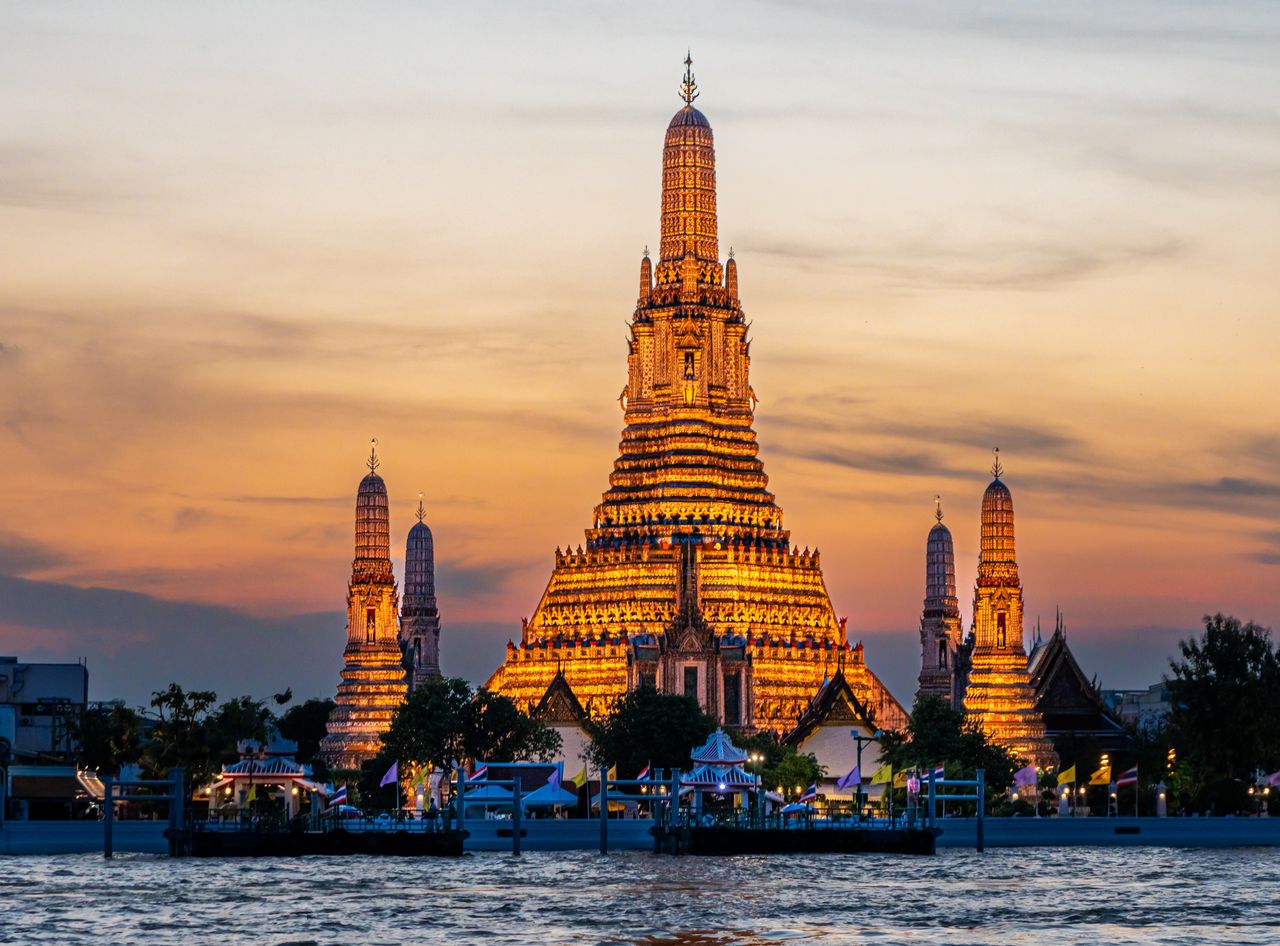
Thailand has reaffirmed its commitment to welcoming one of its fastest-growing visitor markets by maintaining visa-free entry for Indian travelers. The decision comes after authorities reconsidered plans to end the temporary visa exemption, recognizing the important role Indian tourists play in supporting the country’s tourism recovery and broader economy.
The move reflects a larger trend in global tourism: governments are increasingly using visa policies as strategic tools to attract international visitors, stimulate economic growth, and strengthen diplomatic ties. For Thailand, maintaining easier access for Indian travelers is about more than convenience—it is a recognition that tourism has become a vital engine of national development.
While visa-free travel makes international trips simpler, the long-term success of Thailand’s tourism industry will depend on balancing accessibility with sustainable growth, infrastructure development, and high-quality visitor experiences.

Why Indian Tourists Are So Important to Thailand
India has become one of the world’s fastest-growing outbound travel markets.
Several factors contribute to this growth:
- Rising disposable incomes.
- A growing middle class.
- Improved international flight connectivity.
- Greater interest in overseas holidays.
- Increasing numbers of destination weddings.
- Expanding business travel.
Thailand has become one of the preferred destinations because it offers a combination of affordability, diverse attractions, warm hospitality, and relatively short flight times from major Indian cities.
Indian visitors contribute significantly to local economies through spending on accommodation, transportation, shopping, dining, entertainment, and sightseeing.
How Visa-Free Travel Encourages Tourism
Visa requirements can influence travel decisions.
Lengthy application procedures, documentation requirements, and processing fees may discourage spontaneous or short-notice travel.
Visa-free entry offers several advantages:
- Simpler trip planning.
- Lower travel costs.
- Faster booking decisions.
- Increased visitor confidence.
- Greater flexibility for families and business travelers.
For destinations competing for international tourists, easier entry procedures can become a significant competitive advantage.
Tourism’s Role in Thailand’s Economy
Tourism is one of Thailand’s most important economic sectors.
The industry supports employment across many areas, including:
- Hotels and resorts.
- Restaurants.
- Airlines.
- Retail businesses.
- Tour operators.
- Entertainment venues.
- Transportation services.
- Local markets.
Tourism also generates tax revenue, attracts foreign investment, and supports small and medium-sized enterprises throughout the country.
Maintaining strong visitor arrivals remains a national priority.

Popular Destinations for Indian Visitors
Thailand offers experiences that appeal to a wide range of travelers.
Among the most visited destinations are:
Bangkok
The capital combines modern shopping malls, luxury hotels, historic temples, vibrant nightlife, and internationally recognized street food.
Phuket
Thailand’s largest island attracts beach lovers with crystal-clear waters, luxury resorts, water sports, and island-hopping excursions.
Pattaya
Known for entertainment, family attractions, and nearby beaches, Pattaya remains a popular destination for short holidays.
Krabi
Spectacular limestone cliffs, turquoise waters, and scenic islands make Krabi a favorite for nature enthusiasts.
Chiang Mai
Located in northern Thailand, Chiang Mai offers mountain scenery, ancient temples, cultural festivals, and adventure tourism.
More Than Leisure Travel
Indian visitors travel to Thailand for many reasons beyond vacations.
These include:
- Business meetings.
- Medical tourism.
- Destination weddings.
- Educational exchanges.
- Conferences and exhibitions.
- Wellness retreats.
This diversity helps stabilize visitor numbers throughout the year rather than relying only on seasonal holiday travel.
Visa Policies as Economic Strategy
Governments increasingly recognize that visa policies influence tourism competitiveness.
Many countries now offer:
- Visa-free entry.
- Electronic visas (e-Visas).
- Visa-on-arrival programs.
- Digital immigration systems.
These initiatives reduce administrative barriers while improving border management through modern technology.
For travelers, simplified procedures often translate into a more positive first impression.

Competition Among Asian Tourism Destinations
Thailand competes with several neighboring countries for international visitors.
Popular regional destinations include:
- Malaysia.
- Singapore.
- Vietnam.
- Indonesia.
- Japan.
- South Korea.
Each destination offers different combinations of:
- Beaches.
- Culture.
- Shopping.
- Cuisine.
- Nature.
- Entertainment.
Visa policies have become one of many factors influencing travelers’ destination choices.
Infrastructure Must Keep Pace
Increasing visitor numbers create opportunities but also challenges.
Popular destinations must invest in:
- Airports.
- Roads.
- Public transportation.
- Waste management.
- Water resources.
- Healthcare services.
- Digital connectivity.
Infrastructure improvements enhance visitor experiences while supporting local communities.
Sustainable Tourism Matters
As tourism grows, environmental protection becomes increasingly important.
Thailand has already introduced conservation measures in several destinations to protect:
- Coral reefs.
- Marine ecosystems.
- National parks.
- Beaches.
- Wildlife habitats.
Hotels and tourism businesses are also adopting:
- Plastic reduction initiatives.
- Energy-efficient technologies.
- Water conservation programs.
- Community-based tourism.
Responsible tourism ensures that economic growth does not come at the expense of natural resources.
Technology Is Transforming Travel
Digital innovation is reshaping every stage of the travel experience.
Modern travelers increasingly rely on:
- Online booking platforms.
- AI-powered travel assistants.
- Digital payment systems.
- Translation apps.
- Electronic immigration processing.
- Contactless hotel check-in.
Governments are likewise using digital technologies to improve immigration efficiency and visitor services.
Strengthening Bilateral Relations
Tourism often strengthens relationships between countries.
Growing travel between India and Thailand encourages:
- Business partnerships.
- Cultural exchange.
- Educational cooperation.
- Airline expansion.
- Investment opportunities.
People-to-people connections frequently complement broader diplomatic and economic ties.

Challenges Ahead
Despite strong growth prospects, Thailand’s tourism sector still faces ongoing challenges.
These include:
- Global economic uncertainty.
- Inflation.
- Airline capacity.
- Labor shortages.
- Climate-related risks.
- Competition from other destinations.
Maintaining competitiveness will require continuous investment in infrastructure, service quality, and sustainable tourism practices.
The Future of Thailand’s Tourism Industry
Thailand remains well positioned to benefit from rising international travel demand.
Its strengths include:
- Diverse attractions.
- Strong hospitality industry.
- International flight connectivity.
- Competitive pricing.
- Rich cultural heritage.
- World-famous cuisine.
Maintaining visa-free access for Indian travelers signals a broader commitment to making the country accessible and welcoming.
As global travel continues evolving, destinations that combine convenience, sustainability, and memorable experiences are likely to remain the most competitive.
Frequently Asked Questions (FAQs)
1. Why did Thailand decide to keep visa-free entry for Indian travelers?
Thailand recognized the significant contribution Indian tourists make to its tourism industry and broader economy. Maintaining visa-free access supports visitor growth and strengthens tourism recovery.
2. How does visa-free travel benefit tourists?
Visa-free entry simplifies travel planning, reduces paperwork and costs, speeds up booking decisions, and makes international travel more convenient.
3. Why are Indian tourists important to Thailand?
India is one of the world’s fastest-growing outbound travel markets. Indian visitors contribute substantially to Thailand’s hospitality, retail, transportation, entertainment, and tourism sectors.
4. What are the most popular destinations in Thailand for Indian travelers?
Popular destinations include Bangkok, Phuket, Pattaya, Krabi, Chiang Mai, and nearby islands known for beaches, cultural attractions, shopping, and outdoor activities.
5. Will visa-free policies alone guarantee tourism growth?
No. While easier entry encourages travel, long-term tourism success also depends on infrastructure, service quality, sustainability, safety, transportation, and overall visitor experience.
Conclusion
Thailand’s decision to retain visa-free entry for Indian travelers reflects the growing importance of flexible travel policies in an increasingly competitive global tourism market.
By making travel easier for one of the world’s fastest-growing outbound visitor groups, Thailand reinforces its position as a welcoming and accessible destination. At the same time, the country’s long-term success will depend on more than immigration policies. Sustainable tourism, modern infrastructure, technological innovation, and high-quality visitor experiences will all play essential roles in shaping the future of Thailand’s tourism industry.
As international travel continues to recover and evolve, destinations that successfully combine convenience with responsible development are likely to attract not only more visitors, but also more loyal and engaged travelers.

Sources Bloomberg

