
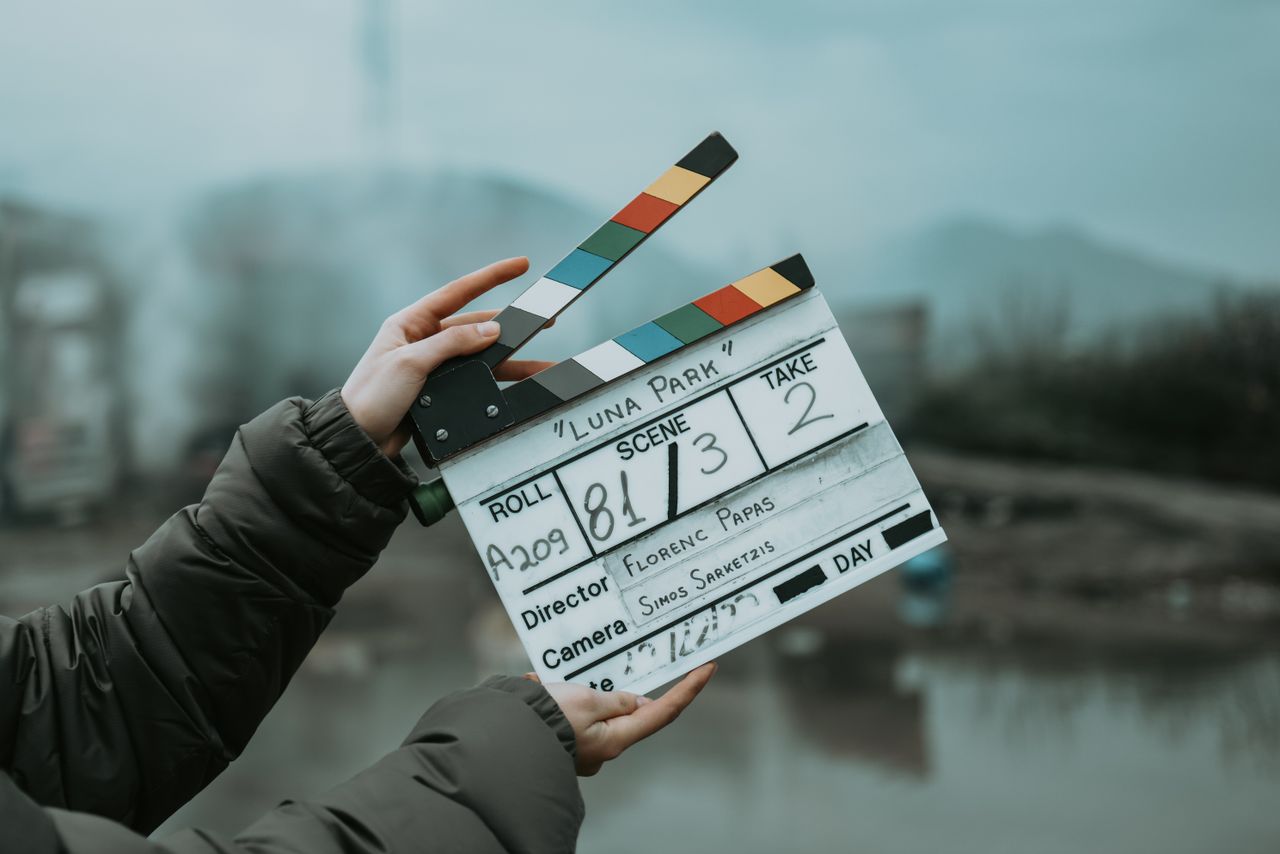
Have you ever watched a breathtaking movie scene and thought, “I want to visit that place someday”? You’re not alone. That simple desire has evolved into one of the fastest-growing segments of global tourism, known as set-jetting—travel inspired by movies, television series, and streaming content.
What was once a niche interest among devoted film fans has become an estimated $8 billion global industry, fueled by blockbuster films, binge-worthy streaming series, and the power of social media. Travelers are increasingly choosing destinations not because of traditional guidebooks, but because they have seen them on Netflix, Disney+, HBO, Amazon Prime Video, Apple TV+, or the big screen.
As entertainment and travel become more intertwined, destinations around the world are embracing set-jetting as a powerful economic driver.

What Is Set-Jetting?
Set-jetting refers to traveling specifically to locations featured in films, television series, documentaries, or streaming productions. Travelers visit filming sites to experience the scenery, relive memorable scenes, and immerse themselves in the fictional worlds they admire.
Unlike traditional sightseeing, set-jetting adds an emotional connection. Visitors are not simply exploring landmarks—they are stepping into stories that have already captured their imagination.
Popular set-jetting activities include:
- Visiting filming locations
- Taking guided movie tours
- Staying in hotels featured on screen
- Recreating famous scenes
- Exploring film studios
- Participating in themed events and festivals
- Visiting museums dedicated to film productions
Why Set-Jetting Is Booming
Several factors have contributed to the explosive growth of film-inspired travel.
The Streaming Revolution
Streaming services have dramatically increased global exposure to destinations. A television series released simultaneously in over 190 countries can introduce millions of viewers to locations they may never have previously considered visiting.
Unlike theatrical releases that disappear after a few months, streaming content remains available year-round, continually inspiring new audiences.
Social Media Amplification
Platforms such as Instagram, TikTok, YouTube, and Pinterest encourage travelers to recreate iconic scenes and share their experiences online.
A single viral video filmed at a famous movie location can inspire thousands of additional visits.
Hashtags dedicated to movie locations routinely attract millions of views, creating a cycle of exposure and tourism.
Emotional Storytelling
People often build emotional attachments to fictional characters and settings.
Walking through Hogwarts-inspired castles, strolling the streets featured in romantic dramas, or standing where superheroes battled villains creates memories that traditional sightseeing sometimes cannot match.
Famous Set-Jetting Destinations Around the World

Several destinations have become international tourism hotspots because of film and television exposure.
New Zealand – The Lord of the Rings and The Hobbit
Perhaps no country has benefited more than New Zealand. The success of Peter Jackson’s fantasy trilogies transformed remote landscapes into world-famous tourist attractions.
Visitors explore:
- Hobbiton Movie Set
- Tongariro National Park
- Mount Sunday
- Fiordland National Park
The films significantly boosted international awareness of New Zealand’s natural beauty.
Croatia – Game of Thrones
Dubrovnik became synonymous with King’s Landing after HBO’s hit series.
Today, visitors can join guided walking tours that showcase:
- City walls
- Fort Lovrijenac
- Pile Gate
- Jesuit Staircase
The city’s tourism industry experienced substantial growth following the show’s global success.
Scotland – Harry Potter
The Scottish Highlands inspired numerous scenes from the Harry Potter franchise.
Popular attractions include:
- Glenfinnan Viaduct
- Loch Shiel
- Rannoch Moor
- Edinburgh’s historic streets
The Jacobite Steam Train has become one of Scotland’s most sought-after tourist experiences.
South Korea – K-Dramas
The worldwide popularity of Korean dramas has introduced millions of viewers to destinations including:
- Seoul
- Jeju Island
- Nami Island
- Busan
Government tourism agencies actively promote filming locations through dedicated travel campaigns.
Japan – Anime Tourism
Anime has become a powerful tourism driver.
Fans visit real-life locations that inspired beloved animated series, creating a growing niche known as “anime pilgrimage.”
Cities now develop official tourism routes centered around popular franchises.
Economic Benefits for Local Communities
Set-jetting generates economic activity far beyond ticket sales.
Local businesses benefit through:
- Hotels
- Restaurants
- Tour operators
- Transportation services
- Souvenir shops
- Museums
- Local artisans
- Photography services
Film productions themselves also create temporary employment during filming before tourism continues generating revenue for years afterward.
Some destinations report visitor increases of more than 30% following successful productions.
Challenges of Film-Induced Tourism
Success also brings challenges.
Overtourism
Popular filming locations may struggle with overcrowding.
Residents sometimes experience:
- Traffic congestion
- Noise
- Rising property prices
- Environmental damage
- Loss of local character
Authorities increasingly introduce visitor limits, reservation systems, and sustainable tourism policies.
Protecting Fragile Locations
Natural parks, historical buildings, and archaeological sites require careful management.
Large tourist numbers can accelerate erosion and damage cultural heritage if not properly controlled.
Many destinations now invest in conservation programs funded partly through tourism revenue.
Technology Is Transforming the Experience
Modern technology is making set-jetting even more immersive.
Emerging innovations include:
- Augmented reality tours
- Virtual reality experiences
- AI-powered travel guides
- Interactive filming location maps
- Mobile apps with behind-the-scenes content
- Digital collectibles tied to famous locations
Some attractions allow visitors to compare movie scenes with the real-world landscape in real time using smartphones.

The Role of Tourism Boards
Governments increasingly recognize entertainment as a marketing tool.
Many tourism agencies now collaborate directly with film studios by:
- Offering filming incentives
- Promoting filming locations
- Creating official movie trails
- Sponsoring fan events
- Producing behind-the-scenes tourism campaigns
These partnerships help destinations reach global audiences without relying solely on traditional advertising.
Sustainable Set-Jetting
As the industry grows, sustainable tourism has become a priority.
Responsible travelers can help by:
- Respecting local communities
- Staying on designated paths
- Supporting locally owned businesses
- Following photography rules
- Avoiding damage to natural environments
- Traveling during off-peak seasons
Balancing tourism growth with conservation ensures filming locations remain attractive for future generations.
The Future of Film-Driven Travel
Artificial intelligence, personalized travel planning, and immersive digital experiences are expected to reshape how people discover filming locations.
Streaming platforms continue producing record numbers of international series, exposing audiences to destinations that previously received little global attention.
Emerging markets across Asia, Africa, and Latin America are increasingly attracting filmmakers, creating new opportunities for tourism growth.
As entertainment becomes more global, the next iconic filming destination could emerge almost anywhere.
More Than Just Visiting a Location
Set-jetting is about far more than checking destinations off a travel list.
It allows travelers to reconnect with stories that inspired them, experience cultures they discovered through entertainment, and see familiar places from an entirely new perspective.
Whether exploring a medieval fortress made famous by fantasy epics, walking through a picturesque village seen in a romantic comedy, or riding a train featured in a beloved adventure film, set-jetting transforms fiction into unforgettable real-world experiences.
With the industry now valued at around $8 billion, film and television are no longer just shaping what people watch—they are influencing where they travel, how they spend their vacations, and how destinations present themselves to the world.
Frequently Asked Questions (FAQs)
1. What is set-jetting?
Set-jetting is a form of tourism where people travel to destinations featured in movies, television series, streaming productions, or documentaries to experience the real-life filming locations.
2. Why has set-jetting become so popular?
The rise of global streaming platforms, social media sharing, and emotional connections to popular films and TV shows has made filming locations highly desirable travel destinations.
3. Which countries benefit the most from set-jetting?
Countries such as New Zealand, Croatia, Scotland, South Korea, Japan, the United Kingdom, and the United States have experienced significant tourism growth due to successful film and television productions.
4. Does set-jetting help local economies?
Yes. Film-inspired tourism generates revenue for hotels, restaurants, transportation providers, tour companies, local retailers, and cultural attractions while creating long-term economic opportunities.
5. How can travelers practice responsible set-jetting?
Travelers should respect local communities, follow site regulations, avoid damaging natural or historic locations, support local businesses, and consider visiting during less crowded periods to reduce overtourism.

Sources Forbes

