
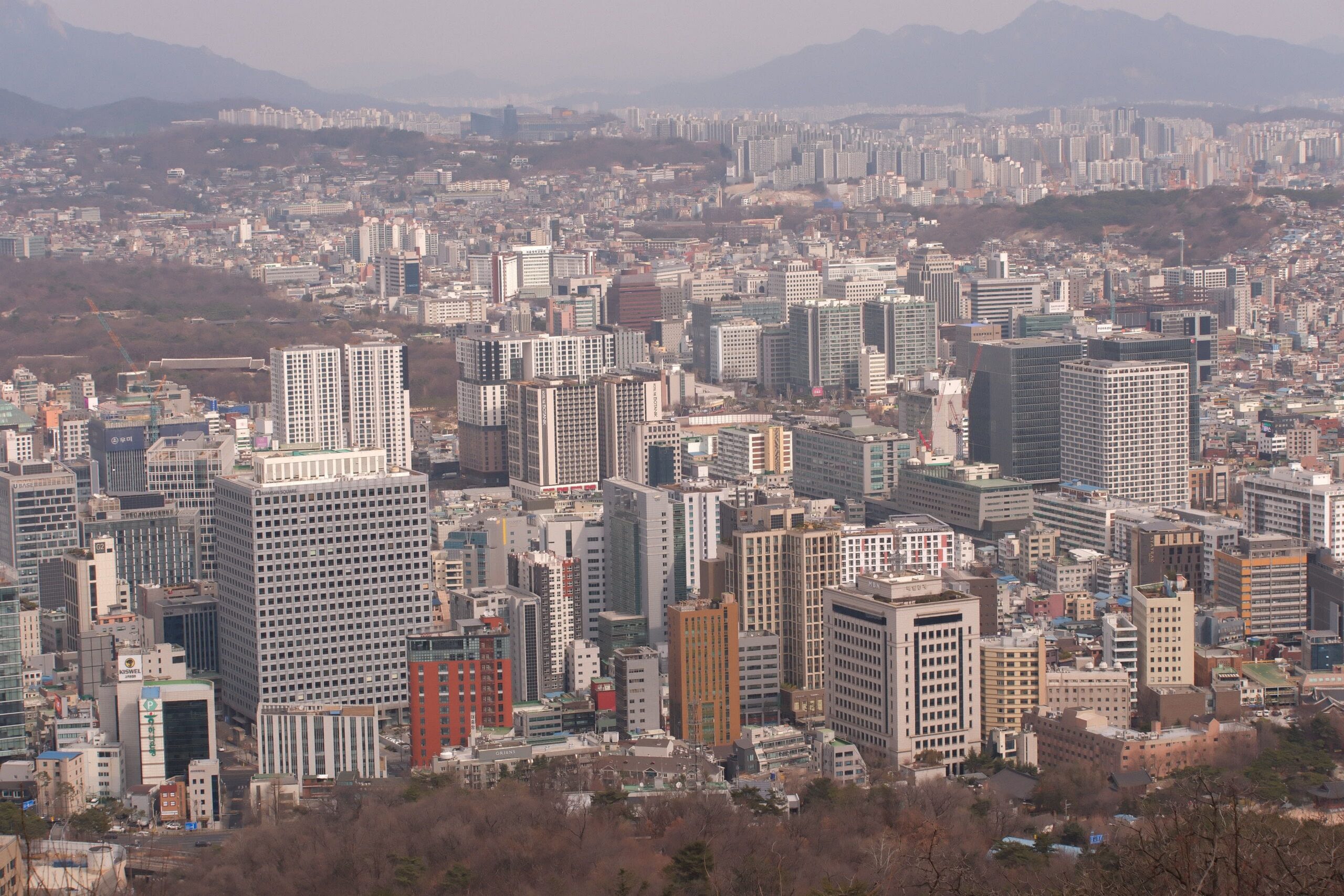
At 7 a.m. on a busy construction site in Seoul, dozens of workers gather for the morning safety briefing. The site manager speaks Korean, but among the workforce are employees from Vietnam, Nepal, Thailand, Uzbekistan, Mongolia, Cambodia, Indonesia, and several other countries.
A decade ago, this scene would have posed a serious communication challenge. Today, workers pull out their smartphones and instantly receive safety instructions in their native languages through artificial intelligence-powered translation systems.
For South Korea’s construction industry, this technological shift is becoming more than a convenience—it is increasingly viewed as a critical safety tool that could help reduce workplace accidents, improve productivity, and address the realities of an increasingly multinational workforce.

The Growing Importance of Foreign Workers in South Korea
South Korea’s construction sector faces a demographic challenge.
An aging domestic workforce, declining birth rates, and labor shortages have pushed construction companies to hire increasing numbers of foreign workers. In some construction projects, foreign workers account for a substantial share of the labor force, and at certain sites they may represent more than half of all workers.
While migrant labor has helped sustain construction activity, it has also introduced communication challenges.
Construction work depends heavily on:
- Safety briefings
- Equipment instructions
- Hazard warnings
- Emergency procedures
- Technical terminology
- Rapid decision-making
Even minor misunderstandings can lead to injuries, equipment damage, project delays, or fatal accidents.
Why Language Barriers Can Become Safety Risks
Construction sites are among the most dangerous workplaces in the world.
Workers routinely interact with:
- Heavy machinery
- Cranes
- Elevated work platforms
- Electrical systems
- Concrete operations
- Excavation zones
- Hazardous materials
When workers cannot fully understand instructions, safety risks increase dramatically.
Traditional solutions relied on bilingual supervisors, printed translations, or multilingual signs. However, these approaches often struggled to keep pace with changing work conditions and diverse language requirements.
AI is now emerging as a practical alternative.
How AI Translation Works on Modern Construction Sites
Several major South Korean construction firms have introduced real-time AI translation systems specifically designed for construction environments.
Unlike ordinary translation applications, these systems include:
- Real-time speech recognition
- Industry-specific terminology databases
- Voice-to-text conversion
- Simultaneous multilingual translation
- Mobile device integration
- Low-latency communication channels
Managers speak in Korean, and workers receive translations instantly on their smartphones. Some systems can translate into more than 180 languages while maintaining specialized construction vocabulary.
Why Construction-Specific AI Matters
One of the biggest limitations of conventional translation software is technical language.
Construction sites frequently use specialized terms, abbreviations, slang, and industry jargon that generic translation tools often misunderstand.
South Korean developers have addressed this challenge by creating custom construction dictionaries that include:
- Engineering terminology
- Safety instructions
- Site-specific slang
- Equipment names
- Structural components
- Newly introduced technical terms
These dictionaries can be updated continuously as new terminology emerges. This improves translation accuracy and helps ensure workers receive precise safety information.
A Day in the Life of an AI-Assisted Worker
A typical workday now involves AI support at multiple stages.
Morning Safety Briefing
Workers receive translated safety instructions during toolbox meetings and daily hazard reviews.
Work Assignments
Supervisors communicate task details using AI translation channels, reducing misunderstandings about responsibilities and procedures.
Hazard Alerts
Urgent warnings can be delivered simultaneously across multiple languages, allowing faster responses to emerging risks.
Training Sessions
Safety education programs increasingly incorporate AI-powered tutoring and multilingual learning systems to improve comprehension.
Incident Response
In emergencies, translation systems can help workers understand evacuation procedures and communicate critical information quickly.
Beyond Translation: The Rise of AI Safety Ecosystems
Translation is only one part of a broader digital transformation.
South Korean construction companies are increasingly deploying:
- AI-powered safety monitoring
- Drone inspections
- Autonomous material-handling robots
- Digital twins
- Computer vision systems
- Predictive maintenance platforms
Some systems can automatically detect:
- Workers entering hazardous zones
- Missing safety equipment
- Falls and collapses
- Structural risks
- Unsafe operating conditions
These technologies create a more comprehensive safety ecosystem in which AI acts as both translator and safety supervisor.
Economic Benefits for Construction Companies
The business case for AI translation extends beyond safety.
Benefits include:
- Fewer communication errors
- Reduced project delays
- Improved worker productivity
- Faster onboarding
- Better compliance documentation
- Lower training costs
Construction firms also face increasing regulatory scrutiny regarding workplace safety. Technologies that improve communication may help demonstrate compliance with safety standards and reduce liability exposure.
Challenges and Limitations
Despite its promise, AI translation is not perfect.
Several challenges remain:
Translation Accuracy
Complex instructions can still be misinterpreted if speech quality is poor or terminology is highly specialized.
Digital Literacy
Some workers may require training to use mobile-based systems effectively.
Connectivity Issues
Construction sites can experience network limitations that affect real-time communication.
Overreliance on Technology
Experts caution that AI should supplement—not replace—human supervision and safety training.
Privacy Concerns
Voice-processing systems raise questions regarding data collection and worker privacy.
A Global Trend Beyond South Korea
South Korea is not alone.
Countries facing labor shortages are increasingly exploring multilingual AI solutions in sectors such as:
- Construction
- Manufacturing
- Shipbuilding
- Logistics
- Agriculture
- Warehousing
As international labor mobility continues to increase, AI-assisted communication is likely to become a standard feature of industrial workplaces worldwide.
What the Future Could Look Like
The next generation of AI workplace assistants may offer capabilities far beyond translation.
Future systems could include:
- Augmented reality safety guidance
- Wearable translation devices
- Voice-controlled AI supervisors
- Real-time risk prediction
- Personalized training programs
- Automated compliance monitoring
Instead of merely translating instructions, AI may eventually anticipate risks and provide proactive guidance tailored to each worker’s language, experience level, and job role.
In many ways, construction sites are becoming laboratories for the future of multilingual workplaces.
Why This Matters
The story of AI translation in South Korea’s construction industry is ultimately about more than technology.
It is about ensuring that every worker—regardless of nationality or language—can understand critical safety information, perform tasks effectively, and return home safely at the end of the day.
As global labor markets become increasingly interconnected, the ability to communicate across languages may become one of the most important workplace safety innovations of the decade.
Frequently Asked Questions (FAQs)
1. Why are AI translators being introduced on South Korean construction sites?
Construction companies are using AI translators to overcome language barriers among foreign workers, improve communication, and reduce safety risks associated with misunderstandings.
2. How many languages can these systems support?
Some of the newest construction-focused AI translation platforms support more than 180 languages, enabling communication with workers from diverse backgrounds.
3. What makes construction AI translators different from ordinary translation apps?
They use specialized dictionaries containing construction terminology, technical language, and industry jargon that generic translation tools often fail to interpret correctly.
4. Can AI translation reduce workplace accidents?
While AI cannot eliminate accidents entirely, better communication helps workers understand safety instructions more clearly, which may reduce errors and improve compliance with safety procedures.
5. Will this technology expand beyond construction?
Yes. Developers and construction firms are already exploring applications in manufacturing, logistics, shipbuilding, warehousing, and other industries with large multilingual workforces.
Sources Korea Herald

