
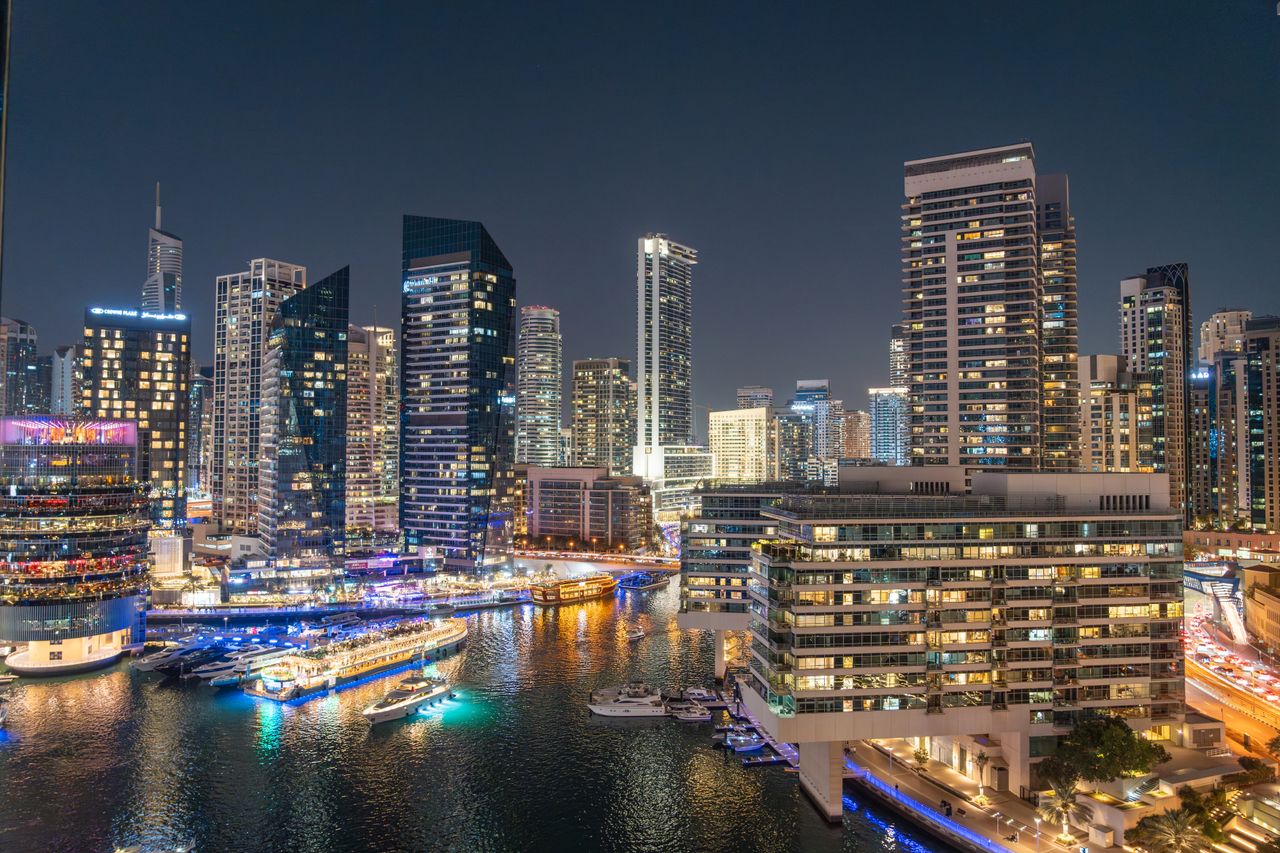
Dubai has spent decades transforming itself from a regional trading hub into one of the world’s leading tourism and business destinations. After welcoming a record number of international visitors in recent years, the emirate is now experimenting with innovative marketing strategies—including incentive-based campaigns that reward travelers and content creators for promoting the destination.
These initiatives are part of a broader effort to maintain tourism growth in an increasingly competitive global travel market. Rather than relying solely on iconic landmarks or luxury hotels, Dubai is investing in digital marketing, partnerships with influencers, international events, and visitor incentives to encourage repeat travel and expand its global reach.
The approach reflects a wider trend in destination marketing, where cities and countries compete not only for tourists but also for online attention, social media engagement, and long-term visitor loyalty.

Dubai’s Tourism Transformation
Just a few decades ago, Dubai was known primarily as a commercial port and regional business center.
Today, it is internationally recognized for:
- Luxury hotels
- Modern architecture
- Shopping festivals
- Beaches
- Desert adventures
- Fine dining
- Family entertainment
- Global business events
Tourism has become one of the pillars of Dubai’s economic diversification strategy, reducing reliance on oil revenues and supporting growth in hospitality, retail, aviation, and real estate.
Why Tourism Matters to Dubai
Tourism contributes to many sectors of Dubai’s economy.
Visitor spending supports:
- Hotels and resorts
- Restaurants and cafés
- Airlines
- Shopping malls
- Tour operators
- Transportation services
- Entertainment venues
- Small local businesses
In addition to direct spending, tourism helps attract international investment, global talent, and multinational companies.
Why Offer Travel Incentives?
Competition among destinations has intensified.
Many countries now compete for travelers by offering:
- Discounted travel packages
- Free attraction passes
- Airline promotions
- Hotel vouchers
- Cashback rewards
- Loyalty programs
- Digital campaigns
Dubai’s incentive programs are designed to encourage more bookings while generating online visibility through traveler-generated content and social media engagement.
The objective is not simply to increase visitor numbers but also to strengthen the city’s global brand.

The Rise of Destination Marketing
Tourism promotion has changed dramatically over the past decade.
Traditional advertising through television and print has increasingly been supplemented by:
- Social media campaigns
- Influencer partnerships
- Video content
- Travel bloggers
- User-generated content
- Interactive digital experiences
Potential visitors often trust authentic travel experiences shared online more than conventional advertisements.
As a result, destinations increasingly encourage visitors to become ambassadors for the places they visit.
Dubai’s Competitive Advantages
Dubai offers several features that continue attracting international travelers.
Global Air Connectivity
Dubai International Airport serves as one of the world’s busiest international aviation hubs, connecting travelers across Europe, Asia, Africa, and the Americas.
Its strategic location allows many passengers to stop over in Dubai during long-haul journeys.
Luxury Hospitality
Dubai is home to a wide range of accommodations, from budget hotels to internationally renowned luxury resorts.
The hospitality sector continues investing in personalized guest experiences and world-class service.
Year-Round Attractions
Visitors can enjoy:
- Beaches
- Desert safaris
- Theme parks
- Indoor entertainment
- Shopping festivals
- Cultural museums
- Waterfront developments
- Observation decks
This diversity appeals to families, business travelers, couples, and adventure seekers alike.
Technology Is Enhancing Tourism
Dubai has embraced digital innovation throughout the visitor experience.
Travelers increasingly benefit from:
- Mobile travel apps
- Contactless payments
- Smart hotel services
- AI-powered customer support
- Digital transportation systems
- Online attraction reservations
Technology helps improve convenience while reducing waiting times and simplifying travel planning.
Business Tourism and Events
Dubai is also a major destination for meetings, conferences, and exhibitions.
The city regularly hosts:
- International trade shows
- Technology conferences
- Financial forums
- Cultural festivals
- Sporting events
- Business summits
Business visitors often extend their trips for leisure, creating additional tourism revenue.
Sustainability Is Becoming a Priority
As tourism grows, Dubai has expanded efforts to improve environmental sustainability.
Initiatives include:
- Green building standards
- Renewable energy investments
- Public transportation improvements
- Water conservation
- Sustainable tourism practices
- Eco-friendly hospitality initiatives
Balancing rapid growth with environmental responsibility is becoming increasingly important for global destinations.
Challenges of Rapid Tourism Growth
Strong visitor numbers also create new challenges.
These include:
Infrastructure Demand
Growing populations of visitors require continuous investment in transportation, utilities, and public services.
Maintaining Service Quality
As tourism expands, maintaining high hospitality standards becomes increasingly important.
Competition
Cities worldwide are investing heavily in tourism marketing.
Dubai must continually innovate to remain attractive.
Climate Considerations
High summer temperatures influence seasonal travel patterns and encourage investment in indoor attractions and climate-controlled environments.
The Future of Tourism Marketing
Destination marketing is becoming increasingly data-driven.
Emerging strategies include:
- AI-powered personalization
- Predictive travel analytics
- Virtual reality destination previews
- Personalized travel recommendations
- Digital loyalty ecosystems
- Smart tourism platforms
Governments and tourism organizations increasingly use technology to understand traveler preferences and design targeted promotional campaigns.
What Other Destinations Can Learn
Dubai’s strategy offers valuable lessons for tourism industries worldwide.
Successful destinations increasingly focus on:
- Strong international branding
- Digital engagement
- Seamless visitor experiences
- Infrastructure investment
- Cultural attractions
- Sustainability
- Innovation
Rather than relying solely on natural attractions, destinations are creating comprehensive visitor ecosystems that encourage longer stays and repeat visits.
Building Tourism for the Future
Dubai’s continued investment in tourism demonstrates how cities can evolve by combining ambitious infrastructure projects, digital innovation, and creative marketing strategies.
Offering incentives to travelers is only one part of a broader effort to strengthen global competitiveness. The city’s long-term success depends on delivering memorable experiences that encourage visitors to return and recommend the destination to others.
As international travel continues to expand, tourism will become increasingly competitive. Destinations that successfully integrate technology, sustainability, cultural experiences, and high-quality service are likely to remain leaders in the global tourism industry.
Dubai’s experience illustrates that attracting tourists today involves much more than promoting famous landmarks—it requires building an ecosystem where visitors feel welcomed, engaged, and inspired to return.
Frequently Asked Questions (FAQs)
1. Why is Dubai offering incentives to tourists?
Dubai uses incentive programs as part of its tourism marketing strategy to attract more visitors, encourage repeat travel, and increase global awareness through digital engagement and traveler-generated content.
2. What makes Dubai one of the world’s leading tourism destinations?
Dubai combines luxury accommodations, iconic architecture, international shopping, business events, cultural attractions, beaches, and world-class transportation connectivity.
3. How does tourism benefit Dubai’s economy?
Tourism supports hotels, airlines, restaurants, retail businesses, entertainment venues, transportation services, and international investment while contributing to economic diversification.
4. What role does technology play in Dubai’s tourism industry?
Technology enhances travel through smart services, AI-powered customer support, contactless payments, digital reservations, and personalized visitor experiences.
5. What challenges does Dubai face as tourism grows?
Key challenges include maintaining infrastructure, managing environmental sustainability, preserving service quality, adapting to climate conditions, and remaining competitive in the global tourism market.

Sources Forbes

