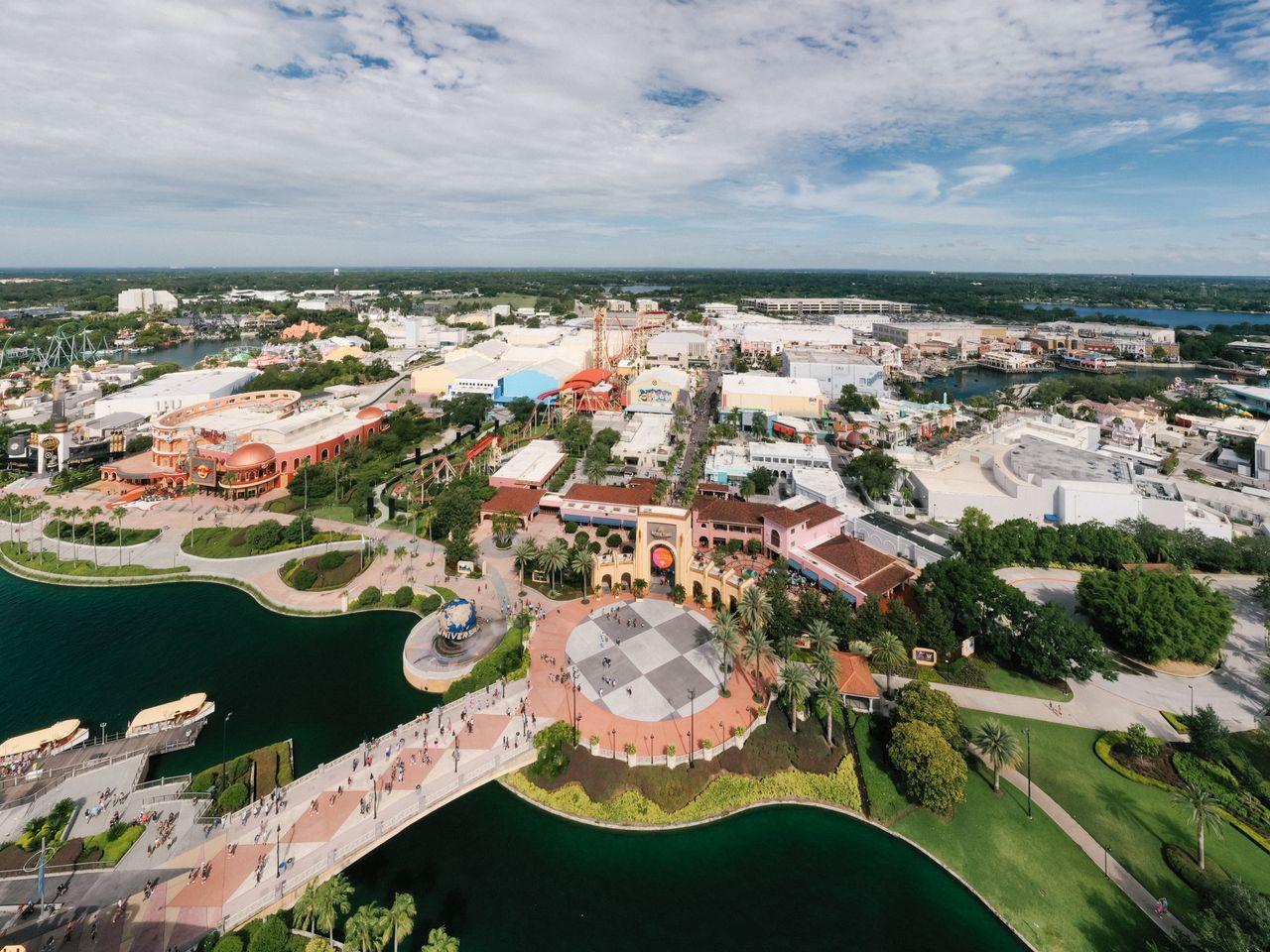
Central Florida has long been recognized as one of the world’s premier tourism destinations. Home to globally renowned theme parks, entertainment complexes, convention centers, natural attractions, and year-round warm weather, the region welcomes tens of millions of visitors annually.
While many travelers associate Central Florida with family vacations and theme park adventures, the true impact of tourism extends far beyond hotel stays and attraction tickets. Tourism serves as one of the region’s largest economic engines, generating billions of dollars in visitor spending, supporting hundreds of thousands of jobs, attracting business investment, and funding essential public services.
The latest economic impact assessments highlight another strong year for Central Florida’s visitor economy, demonstrating how tourism continues to shape the region’s long-term prosperity. At the same time, they also raise important questions about sustainable growth, infrastructure planning, workforce development, and the future of one of America’s most competitive tourism markets.

Why Tourism Is So Important to Central Florida
Tourism touches nearly every part of the regional economy.
When visitors arrive, they spend money on:
- Hotels and resorts
- Theme parks
- Restaurants
- Retail shopping
- Transportation
- Entertainment
- Sporting events
- Cultural attractions
This spending circulates throughout the local economy, creating demand for businesses that may never directly interact with tourists.
For example, hotels purchase supplies from wholesalers, restaurants buy food from regional producers, and attractions hire construction firms, technology companies, marketing agencies, and maintenance providers.
The result is a multiplier effect that benefits thousands of businesses.
More Than Just Theme Parks
Although world-famous attractions remain the biggest draw, Central Florida has developed into a diversified tourism destination.
Major visitor segments include:
Family Vacations
Families continue to visit for internationally recognized amusement parks and entertainment complexes.
Business Travel
The region hosts major trade shows, conferences, and corporate meetings throughout the year.
Sports Tourism
National and international sporting events attract athletes, fans, and media organizations.
Nature Tourism
Visitors also explore:
- Springs
- State parks
- Wildlife refuges
- Lakes
- Eco-tourism experiences
Culinary Tourism
The restaurant scene has expanded significantly, attracting travelers interested in local dining experiences.
The Employment Impact
Tourism is one of Central Florida’s largest employers.
The industry creates opportunities in areas such as:
- Hospitality
- Food service
- Transportation
- Event management
- Retail
- Entertainment
- Security
- Technology
- Marketing
- Facility maintenance
Many jobs also exist behind the scenes, including:
- Accounting
- Human resources
- Logistics
- Engineering
- Information technology
- Construction
As visitor numbers grow, businesses continue investing in workforce expansion and professional training.
Tourism Generates Tax Revenue
Visitor spending contributes substantial tax revenue that can help fund public services without placing the full burden on local residents.
Tourism-related taxes may support:
- Road improvements
- Public transportation
- Parks
- Emergency services
- Public safety
- Community facilities
- Tourism marketing
This is one reason many regions actively promote tourism as an economic development strategy.
The Role of International Visitors
Although domestic travelers remain essential, international tourists provide significant economic value.
International visitors often:
- Stay longer
- Spend more per trip
- Visit multiple destinations
- Shop extensively
- Return for repeat vacations
Central Florida attracts visitors from markets including:
- Canada
- United Kingdom
- Brazil
- Mexico
- Germany
- Japan
- Australia
Expanding global air connections continues strengthening the region’s international competitiveness.

Business Events and Convention Tourism
The meetings and conventions sector represents another major pillar of the local economy.
Large conferences generate demand for:
- Hotels
- Restaurants
- Exhibition services
- Transportation
- Event production
- Local attractions
Business travelers frequently extend work trips into leisure vacations, a trend known as “bleisure” travel, increasing overall visitor spending.
Infrastructure Must Keep Pace
Tourism growth also creates challenges.
Increasing visitor numbers place pressure on:
- Roads
- Airports
- Public transportation
- Water systems
- Energy infrastructure
- Waste management
- Housing availability
Governments and private businesses must continue investing in infrastructure to maintain a high-quality visitor experience while supporting residents.
Technology Is Transforming the Visitor Experience
Modern tourism increasingly relies on digital innovation.
Many destinations now use:
- Mobile ticketing
- Artificial intelligence for trip planning
- Digital hotel check-in
- Cashless payments
- Smart parking systems
- Real-time crowd monitoring
- Interactive visitor apps
These technologies improve convenience while helping operators manage large visitor volumes more efficiently.
Sustainable Tourism Is Becoming a Priority
Economic success alone is no longer the only measure of a healthy tourism industry.
Communities are increasingly focusing on sustainability.
Important goals include:
- Conserving natural resources
- Reducing waste
- Improving public transportation
- Supporting local businesses
- Protecting wildlife
- Encouraging responsible visitor behavior
Many hotels and attractions are investing in renewable energy, water conservation, and environmentally friendly operations.
Supporting Small Businesses
Tourism benefits more than large corporations.
Independent businesses often thrive through visitor spending, including:
- Family-owned restaurants
- Boutique hotels
- Local tour operators
- Artisan shops
- Farmers’ markets
- Cultural venues
These businesses contribute to the region’s unique identity while keeping tourism revenue circulating within local communities.
Workforce Challenges
As the tourism sector expands, employers face ongoing workforce issues.
Common challenges include:
- Hiring qualified employees
- Employee retention
- Affordable housing near workplaces
- Skills development
- Seasonal labor fluctuations
Many businesses now partner with educational institutions to create hospitality training programs and career pathways.
The Growing Importance of Experience-Based Tourism
Today’s travelers increasingly seek personalized experiences rather than simply visiting attractions.
Popular trends include:
- Food tours
- Behind-the-scenes experiences
- Outdoor recreation
- Wellness travel
- Cultural festivals
- Local neighborhood exploration
This shift encourages destinations to diversify beyond traditional attractions.
Economic Resilience Through Diversification
The COVID-19 pandemic demonstrated that regions heavily dependent on tourism can face significant risks during global disruptions.
Since then, many leaders have emphasized diversification by encouraging growth in sectors such as:
- Healthcare
- Aerospace
- Technology
- Advanced manufacturing
- Education
A broader economy helps reduce vulnerability while tourism continues serving as a foundational industry.
The Future of Central Florida Tourism
Several trends are expected to shape the next decade.
These include:
- Artificial intelligence in travel planning
- Smart destination management
- Sustainable hospitality
- Expansion of international flights
- New entertainment developments
- Hybrid business and leisure travel
- Increased personalization through digital services
Maintaining competitiveness will require continuous innovation alongside investments in infrastructure and workforce development.
A Tourism Economy That Reaches Far Beyond Vacation Memories
For millions of visitors, Central Florida represents unforgettable family vacations, exciting attractions, and world-class entertainment. For residents, however, tourism represents something even larger—it is a powerful economic ecosystem supporting businesses, creating careers, generating public revenue, and driving regional investment.
As the industry evolves, balancing continued growth with sustainability, infrastructure improvements, and quality of life will become increasingly important. Success will depend not only on attracting more visitors but also on ensuring that tourism benefits local communities while preserving the region’s natural and cultural assets.
Central Florida’s experience demonstrates that modern tourism is far more than a leisure industry—it is a cornerstone of regional economic development whose influence extends into nearly every aspect of community life.
Frequently Asked Questions (FAQs)
1. Why is tourism so important to Central Florida’s economy?
Tourism generates billions of dollars in visitor spending, supports hundreds of thousands of jobs, stimulates business investment, and contributes tax revenue that helps fund public services and infrastructure.
2. Which industries benefit most from tourism?
Hospitality, restaurants, retail, transportation, entertainment, event management, construction, technology, and many local small businesses all benefit directly or indirectly from visitor spending.
3. How do international visitors contribute to the economy?
International tourists often stay longer and spend more than domestic travelers, supporting hotels, attractions, shopping centers, restaurants, and transportation services.
4. What challenges come with tourism growth?
Rapid growth can increase pressure on roads, airports, housing, utilities, public services, and the environment, requiring careful planning and sustainable development.
5. What is the future of tourism in Central Florida?
The industry is expected to focus on smart technology, sustainable practices, personalized travel experiences, international market expansion, and continued investment in infrastructure to remain globally competitive.

Sources Orlando Business Journal