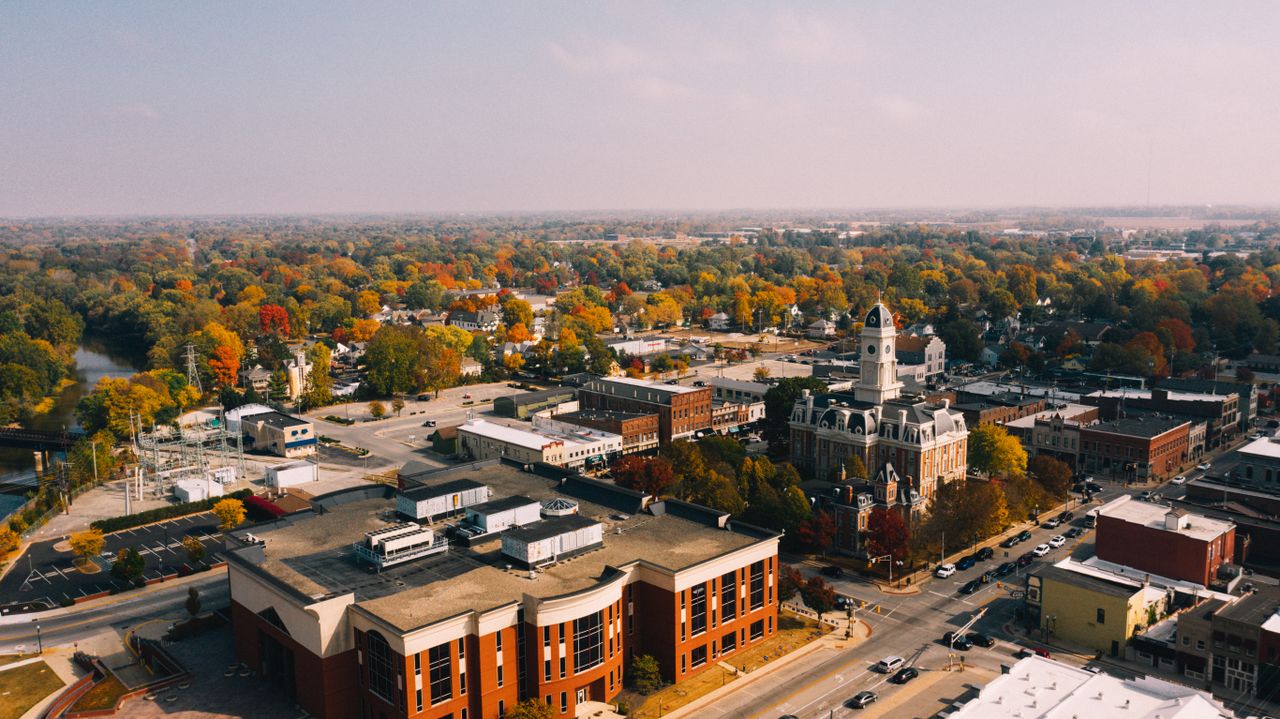
Every summer, thousands of visitors travel to northern Indiana for one of the region’s biggest annual events—the Elkhart County 4-H Fair. The fair brings together agricultural exhibitions, livestock competitions, carnival rides, concerts, food vendors, and family entertainment, creating a significant economic boost for nearby communities, particularly the city of Goshen.
However, once the fairgrounds become quiet and visitors head home, local businesses face an important challenge: how to maintain tourism momentum throughout the remainder of the summer and beyond.
Rather than relying on a single major event, many businesses and tourism organizations are working together to transform Goshen into a year-round destination by highlighting local culture, outdoor recreation, dining, shopping, arts, and community events.
This strategy reflects a broader trend in destination management across the United States, where smaller cities are seeking sustainable tourism growth by encouraging longer stays and repeat visits instead of depending solely on seasonal attractions.

Why the Elkhart County 4-H Fair Matters
The Elkhart County 4-H Fair is one of the largest county fairs in the United States and serves as a major annual gathering for residents and visitors alike.
Each year, it attracts hundreds of thousands of attendees who come to enjoy:
- Agricultural exhibitions
- Livestock competitions
- Carnival attractions
- Live music and entertainment
- Local food vendors
- Educational demonstrations
- Family-friendly activities
For nearby communities such as Goshen, the fair generates increased demand for:
- Hotels and accommodations
- Restaurants
- Coffee shops
- Retail stores
- Fuel stations
- Transportation services
The event creates a temporary surge in consumer spending that benefits businesses throughout the region.
The Challenge of Seasonal Tourism
While large events provide valuable economic activity, they also create periods of uneven demand.
After major festivals conclude, many businesses experience:
- Fewer visitors
- Reduced sales
- Lower hotel occupancy
- Less foot traffic in shopping districts
Communities that rely too heavily on one seasonal attraction may struggle during quieter months.
As a result, many tourism organizations now focus on creating a continuous calendar of experiences that encourage visitors to return throughout the year.
Building a Year-Round Destination
Goshen has increasingly promoted attractions beyond the fairgrounds.
Visitors can explore:
Historic Downtown
Downtown Goshen features locally owned businesses, restaurants, cafés, galleries, and specialty shops that showcase the city’s distinctive character.
Walkable streets and community events create an inviting atmosphere for residents and tourists alike.
Arts and Culture
The city supports a growing arts scene through:
- Public art installations
- Local galleries
- Live performances
- Music festivals
- Community theater
- Artisan markets
These attractions encourage cultural tourism while supporting local creative industries.
Outdoor Recreation
Northern Indiana offers numerous outdoor opportunities, including:
- Cycling routes
- Nature trails
- Rivers and waterways
- Parks
- Birdwatching
- Kayaking
- Fishing
The popular Pumpkinvine Nature Trail, for example, attracts cyclists and outdoor enthusiasts from across the Midwest.
Supporting Local Businesses
Independent businesses are central to Goshen’s tourism strategy.
Visitors often seek authentic experiences such as:
- Family-owned restaurants
- Boutique shops
- Local bakeries
- Coffee houses
- Farmers markets
- Handmade crafts
Unlike standardized tourist destinations, locally owned businesses help create memorable experiences that encourage repeat visits.
Every dollar spent at these establishments also circulates through the local economy, supporting jobs and community investment.

Food Tourism Is Growing
Dining has become one of the strongest reasons people choose destinations.
Goshen’s diverse food scene includes:
- Farm-to-table restaurants
- Traditional Midwestern cuisine
- International flavors
- Craft coffee shops
- Breweries
- Seasonal food events
Food festivals and culinary experiences can extend visitor stays while promoting regional agriculture.
Community Events Beyond the Fair
Successful tourism destinations rarely depend on one event alone.
Communities increasingly organize:
- Weekly farmers markets
- Outdoor concerts
- Art walks
- Holiday celebrations
- Seasonal festivals
- Sporting events
These smaller activities encourage repeat visitation throughout the year and provide consistent opportunities for local businesses.
The Importance of Experience-Based Tourism
Modern travelers increasingly prioritize experiences over simply visiting famous landmarks.
Visitors now seek:
- Interactive workshops
- Cultural experiences
- Local storytelling
- Hands-on activities
- Nature adventures
- Authentic community connections
Smaller destinations often excel in providing these personal experiences.
Digital Marketing Helps Smaller Cities Compete
Technology has transformed destination marketing.
Local tourism organizations use:
- Social media campaigns
- Influencer partnerships
- Online travel platforms
- Virtual tours
- User-generated content
A single viral photo or travel video can introduce thousands of potential visitors to communities that previously received little national attention.
Sustainable Tourism for Long-Term Growth
Rather than maximizing visitor numbers at any cost, many communities now emphasize sustainable tourism.
This includes:
- Supporting local businesses
- Preserving historic districts
- Protecting natural resources
- Managing visitor traffic
- Encouraging responsible travel behavior
Balanced growth helps maintain residents’ quality of life while strengthening the visitor economy.
Regional Collaboration Strengthens Tourism
Tourists rarely stay within one city during their entire trip.
Communities throughout Elkhart County benefit from working together to promote:
- Heritage sites
- Recreational trails
- Museums
- Festivals
- Amish culture
- Regional dining
Collaborative marketing allows visitors to experience multiple destinations during one journey, increasing overall economic impact.
Challenges Facing Small Tourism Destinations
Despite growing opportunities, smaller cities face several obstacles.
These include:
- Limited marketing budgets
- Workforce shortages
- Infrastructure improvements
- Seasonal fluctuations
- Competition from larger destinations
Addressing these challenges requires cooperation among local governments, business owners, tourism boards, and community organizations.
The Future of Tourism in Communities Like Goshen
Several emerging trends may benefit smaller destinations in the coming years:
- Remote work allowing flexible travel
- Increased interest in road trips
- Greater demand for authentic local experiences
- Growth in eco-tourism
- Expansion of culinary tourism
- Wellness and outdoor recreation
- Digital trip planning powered by artificial intelligence
These trends allow smaller communities to compete by emphasizing quality experiences rather than sheer size.
Tourism as a Community Investment
Tourism is more than attracting visitors—it supports local economies, creates jobs, encourages entrepreneurship, and strengthens community identity.
For Goshen, maintaining momentum after the Elkhart County 4-H Fair means continuing to showcase everything the city offers throughout the year.
By investing in local businesses, cultural attractions, outdoor recreation, and year-round programming, communities can transform a seasonal tourism surge into sustainable economic growth.
The strategy demonstrates that successful tourism is not built around one event but around creating a destination people want to return to again and again.
Frequently Asked Questions (FAQs)
1. Why is the Elkhart County 4-H Fair important to Goshen?
The fair attracts hundreds of thousands of visitors, generating significant revenue for hotels, restaurants, retailers, and other local businesses throughout the region.
2. How can Goshen maintain tourism after the fair ends?
The city promotes downtown attractions, outdoor recreation, cultural events, local dining, shopping, and community festivals to encourage year-round visitation.
3. What types of businesses benefit from tourism?
Hotels, restaurants, cafés, retail stores, entertainment venues, transportation providers, and locally owned shops all benefit from increased visitor spending.
4. Why are authentic local experiences becoming more popular?
Modern travelers increasingly seek unique cultural experiences, local food, outdoor activities, and personal connections that distinguish smaller destinations from larger tourist hubs.
5. What is the future of tourism for small cities?
Smaller destinations are expected to benefit from trends such as road-trip travel, remote work, eco-tourism, culinary tourism, and digital marketing, provided they invest in sustainable growth and community partnerships.

Sources WNDU