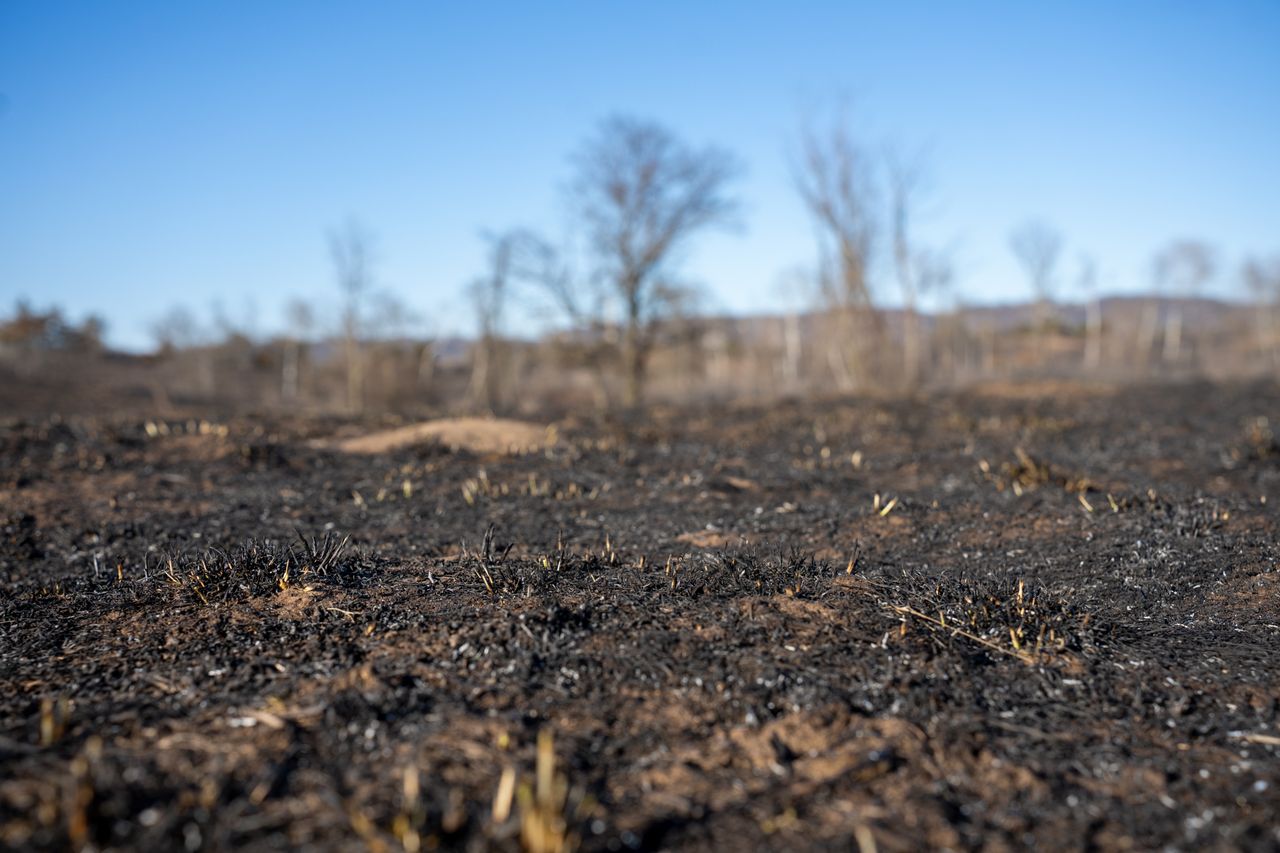
Wildfires are often measured by the number of acres burned or structures damaged, but their economic impact can extend far beyond the fire line. In northeast Minnesota, recent wildfires have disrupted one of the region’s most important economic engines—tourism. Communities that rely heavily on outdoor recreation, seasonal visitors, and hospitality businesses have experienced cancellations, declining visitor numbers, and significant revenue losses during what is normally their busiest time of the year.
The Boundary Waters Canoe Area Wilderness (BWCA), one of Minnesota’s premier outdoor destinations, has faced closures and restricted access because of multiple wildfires ignited by lightning and prolonged dry conditions. Outfitters, resorts, restaurants, campgrounds, retail shops, and guide services have all felt the impact as travelers postponed or canceled vacations. Local business owners say the short summer tourism season leaves little room to recover lost revenue.
Although many communities remain safe and open to visitors, wildfire headlines and smoky conditions have created the perception that the entire region is inaccessible, further reducing tourism demand.
Why Tourism Is Vital to Northeast Minnesota
Tourism supports thousands of jobs throughout northeastern Minnesota and fuels businesses ranging from family-owned resorts to outdoor equipment retailers.
The region attracts visitors through:
- Canoeing and kayaking
- Hiking and backpacking
- Camping
- Fishing
- Wildlife photography
- Scenic drives
- State parks
- Local festivals
- Small-town shopping
- Outdoor adventure experiences
Across Minnesota, tourism contributes billions of dollars annually to the state’s economy, making disruptions particularly significant for local communities.
Wildfires Affect More Than Burned Areas
One of the biggest misconceptions during wildfire season is that every nearby destination is closed.
In reality, the impacts often include:
- Travel cancellations
- Poor air quality
- Road restrictions
- Recreation area closures
- Negative media coverage
- Visitor uncertainty
Even businesses located far from active fires may lose customers simply because travelers decide to avoid the region.
The Boundary Waters Closure
The temporary closure of portions of the Boundary Waters Canoe Area Wilderness represented one of the most significant disruptions to northern Minnesota tourism in years.
The closure affected:
- Canoe outfitters
- Guide services
- Lodges
- Campgrounds
- Equipment rentals
- Shuttle companies
Many businesses depend on only a few peak summer months to generate most of their annual income.
Small Businesses Face Immediate Financial Pressure
Unlike large corporations, many tourism businesses operate on seasonal revenue.
Lost bookings may lead to:
- Reduced cash flow
- Employee hour reductions
- Delayed investments
- Inventory losses
- Marketing challenges
Because hotel rooms, campsite reservations, and guided tours cannot usually be resold after cancellation, much of the lost income cannot be recovered.
Smoke Can Be as Damaging as Fire
Wildfire smoke affects tourism even when flames remain far away.
Poor air quality may discourage:
- Hiking
- Camping
- Boating
- Outdoor festivals
- Sporting events
- Family vacations
Health concerns also lead many travelers to postpone trips until conditions improve.
Seasonal Workers Feel the Impact
Tourism supports many seasonal employees, including:
- Hotel staff
- Restaurant workers
- Tour guides
- Outdoor instructors
- Retail employees
- Park service contractors
Reduced visitor numbers often translate directly into fewer work hours and lower seasonal income.
Outdoor Recreation Drives Local Economies
Communities surrounding protected wilderness areas rely heavily on outdoor recreation spending.
Visitors purchase:
- Lodging
- Meals
- Fuel
- Equipment
- Souvenirs
- Transportation
- Recreation permits
When visitor numbers decline, nearly every local business feels the effect.
Community Events Also Suffer
Wildfires can force the cancellation or postponement of:
- Arts festivals
- Outdoor concerts
- Community celebrations
- Sporting competitions
- Cultural events
These gatherings normally attract thousands of visitors and generate additional revenue for local businesses.
Environmental Recovery Takes Time
Even after fires are contained, recovery continues for months or years.
Communities may need to restore:
- Hiking trails
- Campsites
- Visitor facilities
- Forest ecosystems
- Public infrastructure
Fortunately, forests often regenerate naturally over time, and fire also plays an ecological role in renewing many northern ecosystems.
Tourism Recovery Requires Clear Communication
Destination organizations often encourage travelers to verify conditions before canceling trips.
Effective recovery efforts include:
- Real-time travel updates
- Accurate wildfire maps
- Business reopening announcements
- Flexible reservation policies
- Regional marketing campaigns
Clear communication helps distinguish affected areas from those that remain open.
Climate and Future Wildfire Seasons
Scientists expect wildfire seasons in many regions to become more challenging due to a combination of warmer temperatures, drought, changing precipitation patterns, and increased fuel availability.
Communities are responding through:
- Forest management
- Emergency planning
- Fire prevention programs
- Improved monitoring
- Public education
These efforts aim to reduce future risks while protecting residents and visitors.
Supporting Local Businesses
Travelers can contribute to recovery by:
- Visiting unaffected destinations
- Rescheduling rather than canceling trips
- Purchasing gift cards
- Shopping locally
- Hiring local guides
- Supporting regional restaurants
Responsible tourism helps communities recover more quickly after natural disasters.
Challenges Ahead
Several factors will influence the pace of recovery:
- Continued wildfire activity.
- Air quality conditions.
- Visitor confidence.
- Infrastructure repairs.
- Insurance costs.
- Workforce availability.
- Marketing effectiveness.
- Long-term environmental restoration.
Recovery will require cooperation between businesses, government agencies, tourism organizations, and local communities.
The Bigger Picture
The wildfires in northeast Minnesota illustrate how closely environmental events and local economies are connected. While the immediate priority is protecting lives, property, and natural resources, the longer-term effects on tourism-dependent communities can be equally significant. Seasonal businesses often rely on just a few months of strong visitor activity to sustain operations throughout the year, meaning even short-term closures or widespread cancellations can have lasting financial consequences.
At the same time, the situation also demonstrates the importance of accurate public information. Although certain wilderness areas have experienced closures, many communities, attractions, and businesses throughout northern Minnesota remain open and continue welcoming visitors. Distinguishing between affected and unaffected areas can help reduce unnecessary cancellations while supporting local economies during difficult periods.
Looking ahead, communities are likely to invest more heavily in wildfire preparedness, resilient tourism planning, and environmental restoration. As climate conditions continue to influence wildfire behavior in many parts of North America, balancing public safety, ecological recovery, and economic resilience will become an increasingly important challenge for destinations that depend on outdoor recreation.
Frequently Asked Questions (FAQs)
1. Why have the northeast Minnesota wildfires affected tourism so severely?
Many visitors travel to the region for outdoor recreation in and around the Boundary Waters Canoe Area Wilderness. Wildfires, smoke, and temporary closures have led to cancellations during the peak summer travel season, significantly affecting local businesses.
2. Are all of northern Minnesota’s tourist destinations closed?
No. While some wilderness areas have been restricted or temporarily closed, many communities, attractions, hotels, restaurants, and businesses remain open and continue welcoming visitors. Travelers should check official updates before changing their plans.
3. Which businesses are most affected by wildfire-related tourism declines?
Canoe outfitters, resorts, campgrounds, restaurants, retail shops, guide services, lodging providers, and other seasonal businesses that depend on summer visitors experience the greatest economic impact.
4. How can travelers support affected communities?
Visitors can reschedule trips instead of canceling, support local businesses, stay in open destinations, purchase local products, and follow official travel guidance regarding wildfire conditions.
5. Will the region recover after the wildfires?
Yes. While economic recovery may take time, tourism typically rebounds as wildfire conditions improve, parks reopen, and marketing efforts restore visitor confidence. Forest ecosystems also regenerate naturally over time, although full environmental recovery may take years.
Sources MPR News