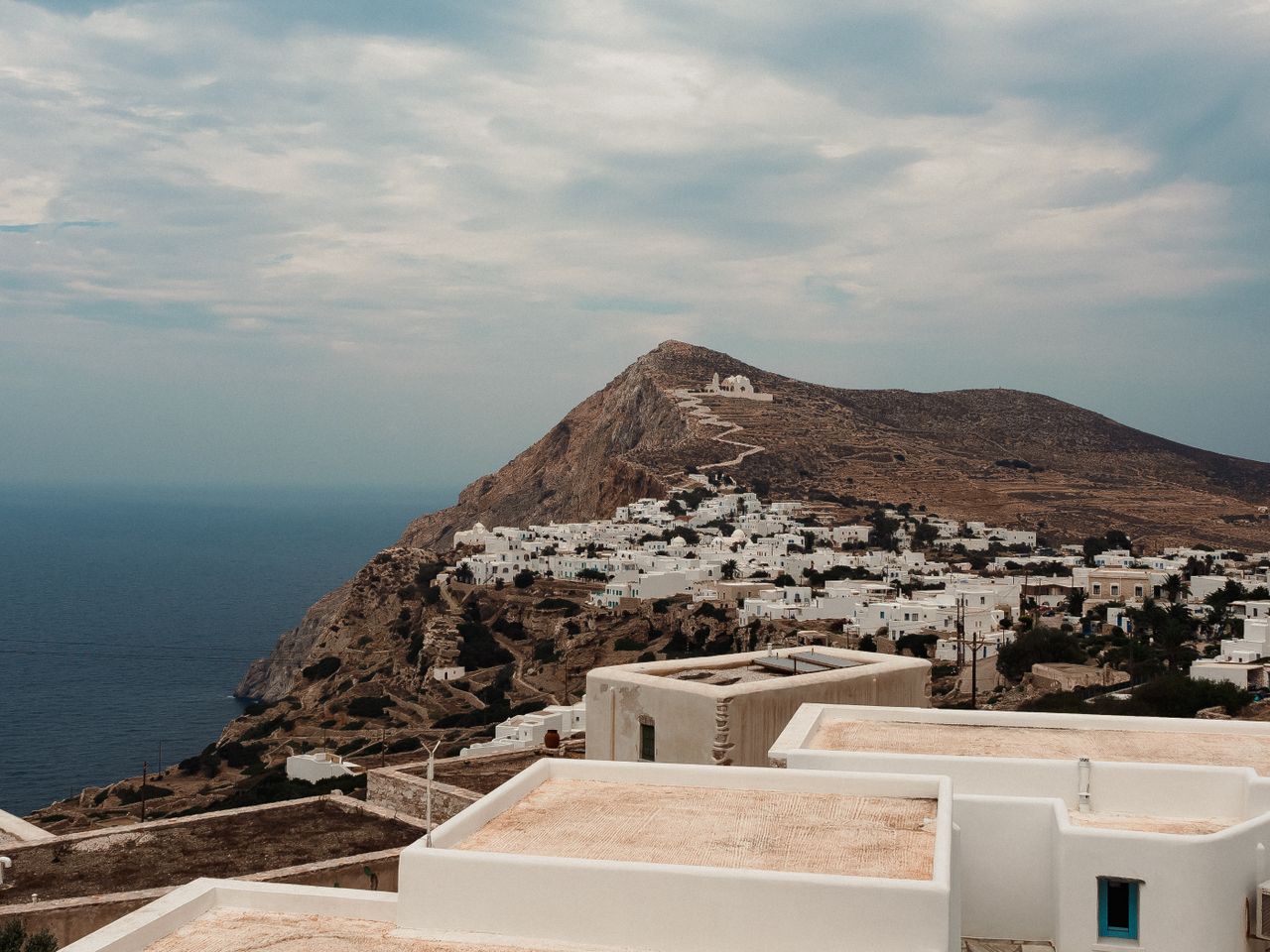
Greece has enjoyed a remarkable tourism renaissance in recent years, welcoming record numbers of international visitors eager to experience its iconic islands, ancient history, crystal-clear waters, and Mediterranean culture. Tourism has become one of the country’s most important economic engines, generating billions of euros annually and supporting hundreds of thousands of jobs.
However, as visitor numbers continue to climb, a growing challenge has emerged alongside this success: climate-driven wildfires. Recent fires affecting several Greek islands have highlighted how the rapid expansion of tourism intersects with increasingly severe environmental risks. Hotels, resorts, infrastructure, natural landscapes, and local communities now face threats that extend far beyond a single tourist season.
The situation illustrates a broader global issue. Many of the world’s most desirable travel destinations are also among the regions most vulnerable to climate change. Greece’s experience demonstrates that sustainable tourism is no longer simply an environmental goal—it has become an economic necessity.

Greece’s Tourism Success Story
Tourism represents one of Greece’s largest industries and contributes significantly to national GDP.
Every year, millions of travelers visit Greece to enjoy:
- The Cyclades islands
- Crete
- Rhodes
- Corfu
- Zakynthos
- Historic archaeological sites
- Mediterranean beaches
- Luxury resorts
- Cruise destinations
- Cultural festivals
The tourism sector supports:
- Hotels
- Restaurants
- Ferry operators
- Airlines
- Tour companies
- Retail businesses
- Local farmers
- Artisans
- Transportation providers
For many islands, tourism is the dominant source of employment and local income.
Why Wildfires Are Becoming More Frequent
Wildfires have always occurred in Mediterranean ecosystems, but several factors have increased both their frequency and intensity.
Climate Change
Scientists have documented rising temperatures across southern Europe.
Longer periods of:
- Extreme heat
- Low rainfall
- Drought
- Strong seasonal winds
create ideal conditions for fast-moving fires.
Heatwaves now occur more frequently and last longer than in previous decades, increasing vegetation dryness and making ignition more likely.
Expanding Development
Tourism growth has encouraged rapid development of:
- Hotels
- Villas
- Vacation homes
- Roads
- Recreational facilities
As buildings expand into forested or shrub-covered areas, the interface between people and wildfire-prone landscapes grows.
This creates greater risks for:
- Residents
- Visitors
- Emergency responders
- Property owners
The Challenge of Peak Tourist Season
One of the biggest complications is timing.
Wildfire season often coincides with the busiest tourism months.
This creates unique difficulties:
- Hotels operating at full capacity
- Busy airports
- Crowded beaches
- Heavy road traffic
- Limited evacuation routes
Authorities may need to organize large-scale evacuations involving thousands of tourists who may not speak Greek or understand local emergency procedures.

Economic Consequences Beyond Immediate Damage
Wildfires affect tourism long after flames are extinguished.
Visitor Confidence
Travelers may postpone or cancel vacations if they perceive destinations as unsafe.
Even unaffected islands can experience booking declines because international audiences often associate an entire country with wildfire news coverage.
Business Losses
Tourism businesses may experience:
- Reservation cancellations
- Lower occupancy
- Restaurant revenue declines
- Tour cancellations
- Increased insurance costs
Seasonal businesses that rely heavily on summer income can be particularly vulnerable.
Infrastructure Costs
Governments must invest in rebuilding:
- Roads
- Utilities
- Electrical systems
- Water supplies
- Communication networks
These costs add to already significant firefighting expenses.
Environmental Impacts
Wildfires threaten ecosystems that attract tourists in the first place.
Consequences include:
- Forest destruction
- Wildlife habitat loss
- Soil erosion
- Reduced biodiversity
- Water quality deterioration
After fires, heavy rainfall can trigger flooding and landslides because vegetation that stabilizes hillsides has been removed.
Recovery may take years or even decades.
Tourism and Climate Change: A Two-Way Relationship
Tourism both suffers from and contributes to climate change.
Sources of tourism-related emissions include:
- International aviation
- Cruise ships
- Vehicle transportation
- Hotel energy use
- Food supply chains
Meanwhile, climate change increases risks to tourism through:
- Heatwaves
- Rising sea levels
- Coastal erosion
- Water shortages
- Wildfires
- Extreme weather
The industry increasingly recognizes the need to reduce its environmental footprint while adapting to changing conditions.
Building More Resilient Destinations
Experts increasingly recommend strengthening tourism resilience through several strategies.
Improved Land Management
Reducing wildfire fuel involves:
- Clearing dry vegetation
- Maintaining firebreaks
- Restoring native ecosystems
- Managing forests sustainably
These measures can reduce fire intensity and improve firefighter access.
Smarter Urban Planning
Future development should consider wildfire risk before approving new projects.
Planning measures include:
- Fire-resistant building materials
- Buffer zones around forests
- Wider evacuation routes
- Underground utility systems
- Emergency water supplies
Early Warning Systems
Modern technologies improve emergency preparedness through:
- Satellite monitoring
- Artificial intelligence fire detection
- Drone surveillance
- Weather forecasting
- Mobile emergency alerts
Faster detection allows emergency services to respond before fires spread uncontrollably.

The Importance of Responsible Tourism
Travelers also play a role in reducing wildfire risk.
Visitors should:
- Follow local fire restrictions
- Avoid open flames
- Dispose of cigarettes safely
- Stay informed about weather warnings
- Respect evacuation instructions
- Support environmentally responsible businesses
Simple precautions can prevent accidental ignitions during periods of extreme fire danger.
Lessons From Other Mediterranean Destinations
Greece is not alone.
Other Mediterranean countries—including Spain, Portugal, Italy, and parts of southern France—have experienced similar challenges.
Many destinations are adopting strategies such as:
- Climate adaptation planning
- Visitor education campaigns
- Fire-resilient infrastructure
- Sustainable land management
- Improved emergency coordination
Sharing knowledge across countries can strengthen regional resilience.
Technology’s Growing Role
Technology is becoming an important tool in wildfire management.
Emerging solutions include:
- AI-powered fire prediction models
- Satellite-based thermal monitoring
- Smart evacuation planning
- Geographic information systems (GIS)
- Real-time visitor communication apps
Tourism authorities increasingly integrate these systems into destination management plans.
Balancing Growth With Sustainability
The recent wildfire seasons have reinforced that tourism growth cannot be measured solely by visitor numbers.
Long-term success depends on balancing:
- Economic development
- Environmental protection
- Community resilience
- Climate adaptation
- Infrastructure investment
Destinations that invest in resilience today are more likely to remain attractive tomorrow.
What the Future Holds
Climate experts expect Mediterranean summers to remain warmer and, in many areas, drier.
This means wildfire risk is likely to remain a recurring challenge.
Future tourism planning will increasingly emphasize:
- Climate-resilient infrastructure
- Sustainable development
- Diversified tourism seasons
- Community preparedness
- Environmental restoration
- Lower-carbon travel options
Rather than discouraging tourism, these measures aim to ensure that destinations remain safe, economically viable, and environmentally healthy for future generations.
Conclusion
Greece’s recent island wildfires serve as a reminder that tourism success and environmental resilience are closely connected. Record visitor numbers have brought prosperity to many communities, but they have also increased the importance of preparing for climate-related risks.
Protecting forests, investing in resilient infrastructure, improving emergency planning, and promoting sustainable tourism are no longer optional strategies—they are essential components of the tourism industry’s future.
For Greece and many other destinations around the world, the challenge is clear: preserve the natural beauty that attracts millions of visitors while adapting to a changing climate. Achieving that balance will determine whether tourism continues to thrive in the decades ahead.
Frequently Asked Questions (FAQs)
1. Why are Greek islands increasingly vulnerable to wildfires?
Hotter temperatures, prolonged droughts, stronger winds, expanding development near natural landscapes, and climate change have increased both the frequency and intensity of wildfires.
2. How do wildfires affect Greece’s tourism industry?
Wildfires can lead to visitor evacuations, canceled bookings, business losses, infrastructure damage, higher insurance costs, and long-term impacts on a destination’s reputation.
3. Can tourists still safely visit Greece during wildfire season?
Yes. Most visits proceed safely, but travelers should monitor official travel advisories, follow local emergency guidance, and remain aware of weather and fire conditions during the summer months.
4. What can tourism businesses do to reduce wildfire risks?
Businesses can invest in fire-resistant construction, maintain defensible space around buildings, improve emergency plans, train staff, and adopt sustainable land management practices.
5. Is climate change changing the future of Mediterranean tourism?
Yes. Rising temperatures and more frequent extreme weather events are encouraging destinations to invest in climate adaptation, sustainable tourism, resilient infrastructure, and improved disaster preparedness to protect both visitors and local communities.

Sources Financial Times