

A renewed emphasis on Hindi by Prime Minister Narendra Modi is reigniting India’s decades‑long language tensions, drawing sharp criticism from non-Hindi-speaking states concerned about linguistic dominance and cultural exclusion.
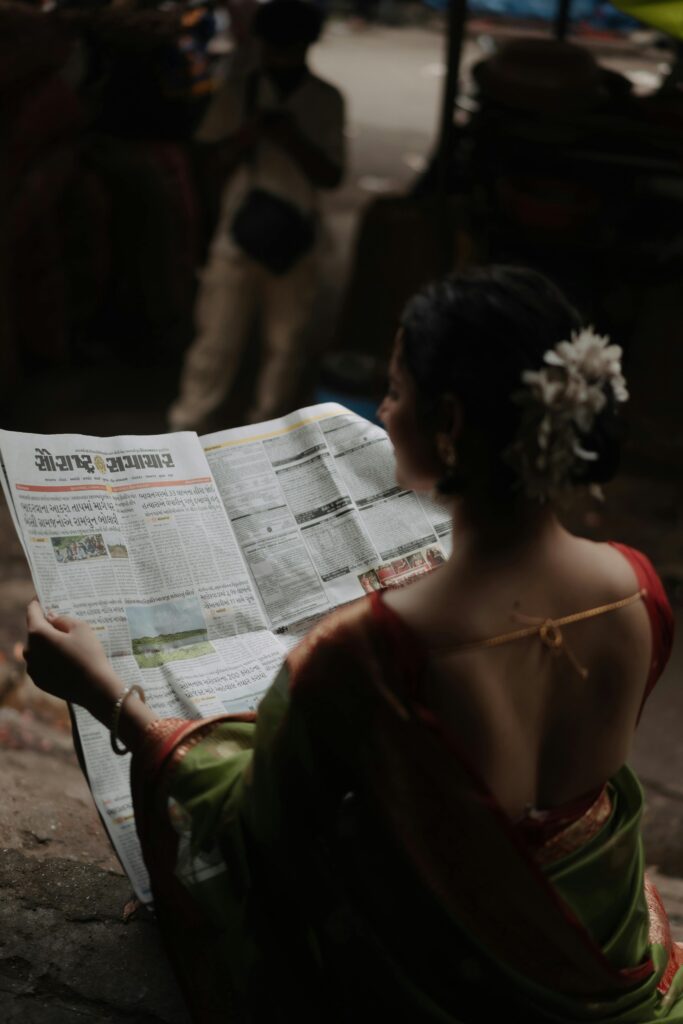
🧭 The Central Push for Hindi
The Modi administration is strengthening Hindi through various initiatives—renaming government websites with Hindi URLs, prioritizing Hindi in cabinet communications, and promoting its use through educational programs and increased teacher recruitment.
Officials assert that Hindi should be respected nationwide as a unifying “friend” alongside English and India’s many regional languages.
🌊 Regional Resentments Surface
Southern states like Tamil Nadu and Karnataka perceive the initiative as an imposition that threatens local identity. Their resistance has historical roots, harking back to the anti-Hindi agitations of the 1960s.
Protests have emerged in response to the “three-language” policy and the use of Hindi signage at public institutions, such as airports in non-Hindi regions. Regional parties in Maharashtra, West Bengal, and Kerala have also pushed back, forming unlikely alliances in defense of linguistic diversity.
🎒 Education at the Heart of the Debate
The National Education Policy (NEP) 2020 encourages a three-language formula, which often includes Hindi. Tamil Nadu has rejected this, citing the importance of preserving Tamil and prioritizing local languages in early education.
Critics argue that Hindi’s expansion in schools may hinder student learning, particularly in non-Hindi states where native-language instruction is more effective for foundational literacy and comprehension.
🧠 Broader Implications
| Area | Concerns |
|---|---|
| Federal Balance | Southern states fear changes in representation due to language-based policies. |
| Cultural Identity | Language is a core symbol of regional heritage and pride. |
| Anti‑Hindi Sentiment | Resistance reflects longstanding fears of cultural marginalization. |
| Role of English | While some officials call English a colonial legacy, critics defend its importance in global and academic spheres. |

🕊 Political Maneuvering & Media Role
The central government insists that promoting Hindi does not threaten regional languages. Leaders argue that Hindi complements, rather than competes with, the linguistic mosaic of India.
However, opposition leaders argue that the move tilts power toward Hindi-speaking states, diminishing federalism and cultural equity. This debate has become increasingly relevant ahead of upcoming national elections.
❓ Frequently Asked Questions
Q1: Is the government declaring Hindi as the national language?
No. Hindi remains one of India’s official languages. There is no constitutional change declaring it the national language, and regional languages continue to hold significant status.
Q2: Why are non-Hindi states opposing the move?
States like Tamil Nadu see the emphasis on Hindi as a threat to their linguistic heritage and worry about its implications for education, employment, and identity.
Q3: What is the controversy around the three-language formula?
The NEP recommends that students learn three languages—usually the regional language, Hindi, and English. Southern states argue this disadvantages non-Hindi speakers and imposes unnecessary burden.
Q4: Is English being replaced?
While some government figures criticize the use of English, it remains an official language and continues to be widely used in education, administration, and commerce.
Q5: Will this impact elections or policy?
Yes. Language debates often influence voter sentiment in southern and northeastern states, and the issue is likely to play a role in coalition-building and federal relations.
🔍 Final Take
India’s linguistic landscape is as diverse as its population. The current push for Hindi underscores the ongoing struggle between unity and diversity, central authority and regional autonomy. Balancing these forces will be key to ensuring India remains a federation of cultures—not a battleground of tongues.
Sources The New York Times

