
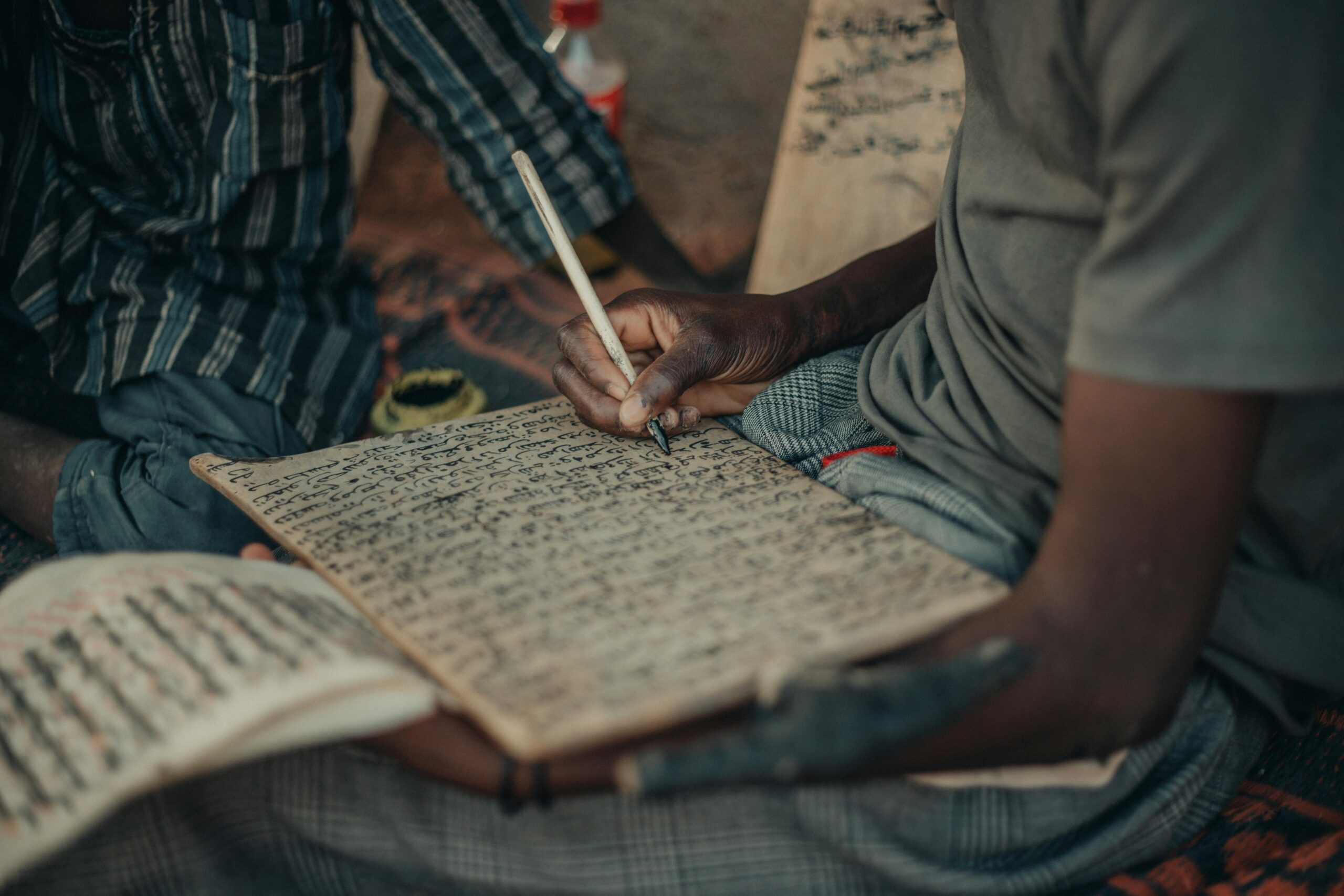
Africa’s rich linguistic landscape—spanning over 2,000 indigenous languages—poses both cultural treasures and formidable communication challenges. Yet, a transformative wave of innovation is emerging, where AI is becoming a powerful ally in preserving, digitizing, and giving voice to these diverse tongues.
The Challenge: Linguistic Diversity Meets Technological Exclusion
- Gaps in Education and Access
Many African students learn in colonial languages they don’t speak fluently, impacting comprehension and performance. AI-driven language technology offers a pathway to bridge this divide by bringing materials into students’ native languages. - Linguistic Identity
Language in Africa goes beyond communication—it’s intertwined with culture, politics, and economy. A one-size-fits-all AI that overlooks African voices perpetuates digital inequality and cultural loss.
Grassroots and Tech-Led Solutions Blossoming Across the Continent
- Community-Centered Data Collection
Initiatives like African Next Voices (ANV) have recorded thousands of hours of speech across multiple languages, building authentic datasets for inclusive AI language models. - AI Storytelling Tools for Low-Resource Languages
Programs such as the African Languages Lab empower young people to digitize and translate local languages using AI and NLP, strengthening cultural preservation. - Open-Source Collaboration
Projects like Masakhane and VulaVula bring African researchers together to build machine translation systems tailored for local communities. - University-Led Data Infrastructure
Global partnerships and African universities are building annotated datasets—like Universal Dependencies Treebanks—to support AI systems in parsing diverse African languages. - Speech Model Innovation: Cheetah & Toucan
Cutting-edge AI models are emerging that can generate or translate across hundreds of African languages, setting new benchmarks in multilingual AI. - Corporate Adoption: Orange & OpenAI
Large companies are adapting language models for African use cases, fine-tuning them with local data, and making them accessible to public institutions. - Digital Literacy Tools for Children
The African Storybook initiative provides open-license storybooks in dozens of African languages, fostering early literacy and intergenerational cultural continuity. - Tech Companies Driving Localization
African startups are developing multilingual keyboards, localized AI chat tools, and digital communication systems to serve regional business and community needs. - Leadership and Local Vision
African-led AI companies, such as South Africa’s LeLapa AI, are centering innovation on local priorities, ensuring African languages and contexts guide technological development.

Why It Matters
- Inclusivity & Access
AI-powered language tools can unlock educational and digital access for millions. - Cultural Preservation
Indigenous languages and oral traditions gain a digital footprint, ensuring survival. - Economic Empowerment
Localized AI fuels homegrown innovation, startups, and job creation. - Political & Social Resilience
African-led AI projects ensure that data and narratives remain in African control, rather than externalized abroad.
Frequently Asked Questions (FAQs)
Q: Why isn’t African language AI more advanced already?
Because many languages are “low-resource,” with few digitized texts or speech corpora available, making it difficult to train advanced AI systems.
Q: What’s the most promising approach so far?
Community-led data collection, open-source machine translation projects, and corporate partnerships tailored to African needs.
Q: Who leads these efforts?
A mix of grassroots communities, universities, African tech startups, and global partners are pushing the movement forward.
Q: How does this affect daily life?
It means access to education, government services, healthcare information, and cultural content in native languages people truly understand.
Q: Can AI help preserve endangered African languages?
Yes—AI models can digitize and sustain languages that risk extinction by creating usable, modern resources like dictionaries, storybooks, and translation systems.
Q: How can individuals support this movement?
By advocating for more inclusive AI funding, supporting local developers, and using digital tools that incorporate African languages.
Final Thought
Bridging the AI language gap in Africa isn’t just about translation—it’s about equity, identity, and empowerment. With grassroots innovation, university research, and corporate collaboration, Africa is redefining the global AI landscape and proving that the future of technology must be multilingual.

Sources BBC

