
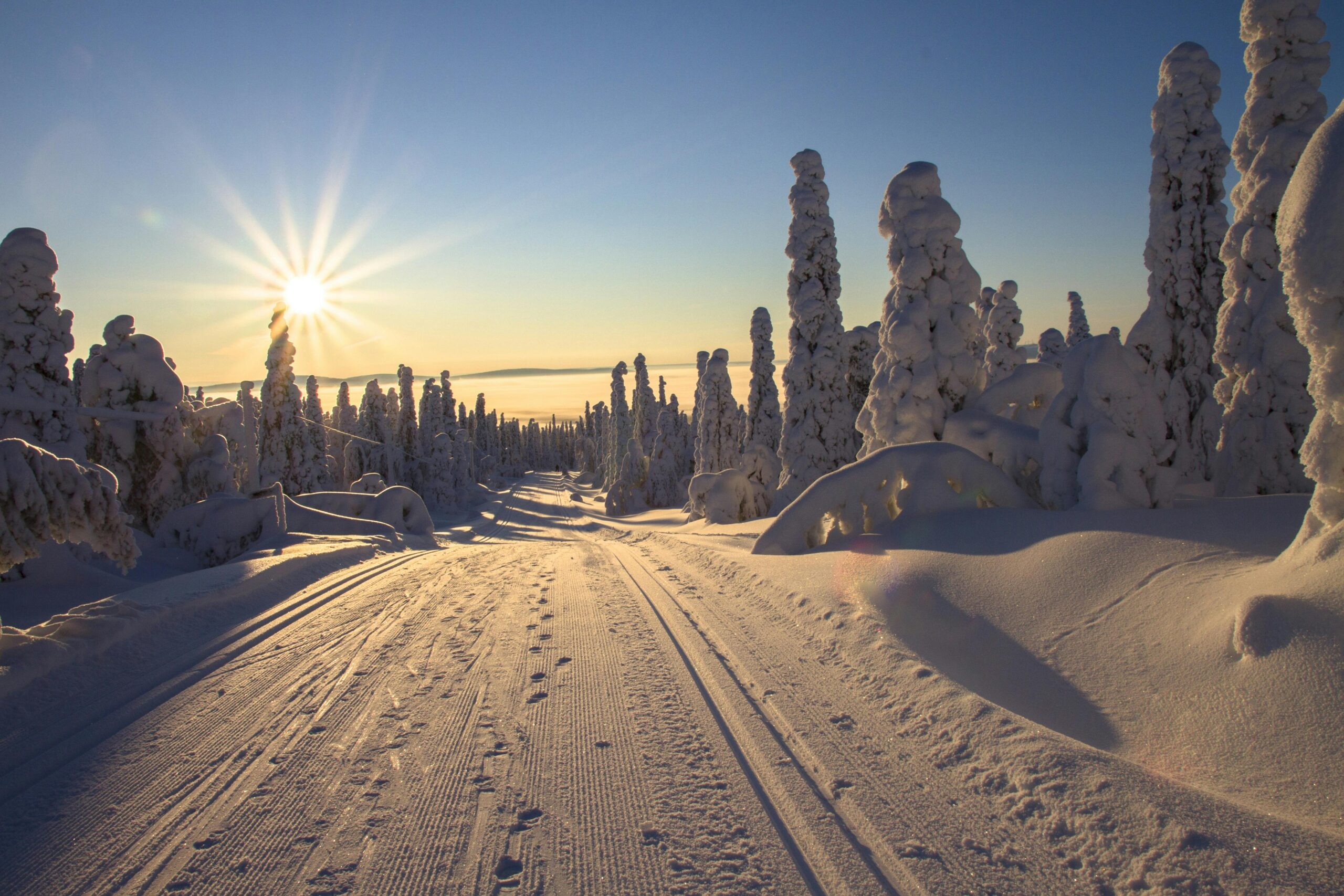
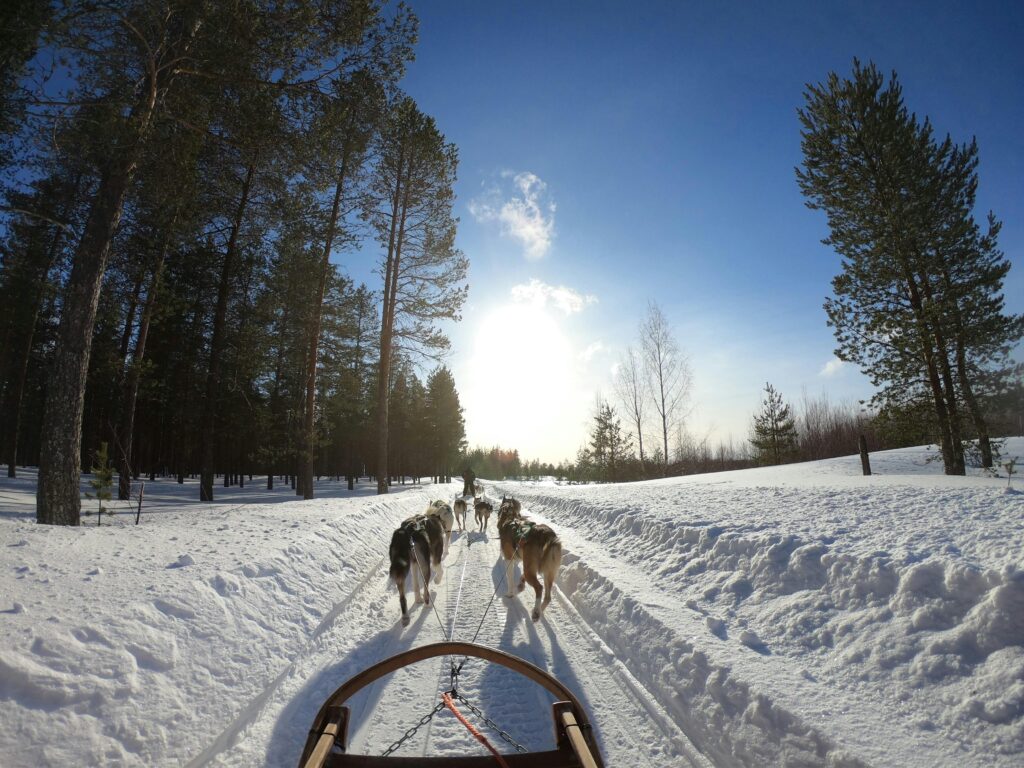
Lapland, the northernmost region of Finland, has become synonymous with the magic of Santa Claus. For decades, families from across Europe flocked to its snowy forests for reindeer sleigh rides, husky safaris, and glimpses of the Northern Lights. But behind the fairytale is a sobering reality: expanding tourism is consuming the region’s fragile landscapes and straining Indigenous traditions.
The Scale of Tourism Growth
- Visitor boom: In 2024, more than 700,000 tourists visited Finnish Lapland, including 100,000 from Britain alone. That’s a 160% increase over the last 30 years.
- Land development: In just five years to 2023, the equivalent of London’s Hyde Park in green space was lost to tourist infrastructure — cottages, ski slopes, and artificial attractions like virtual reality aurora experiences.
- Tourist hubs: Around 15% of all new developments in Lapland are tourism-related; in popular resorts like Levi, Ylläs, Saariselkä, and Rovaniemi, this jumps to almost 50%.
Types of Development
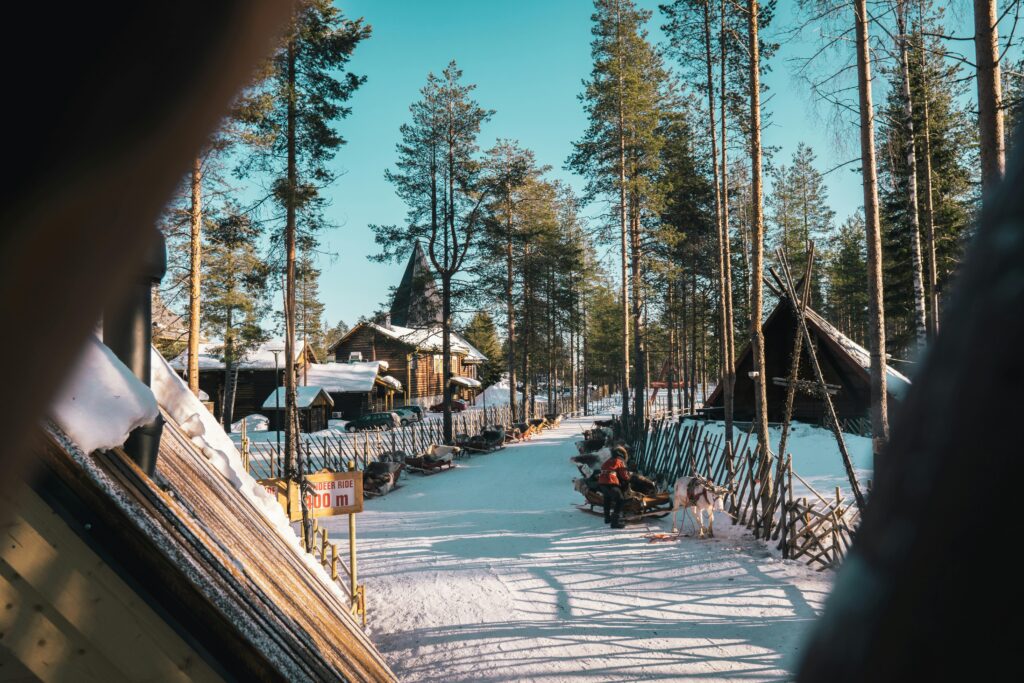
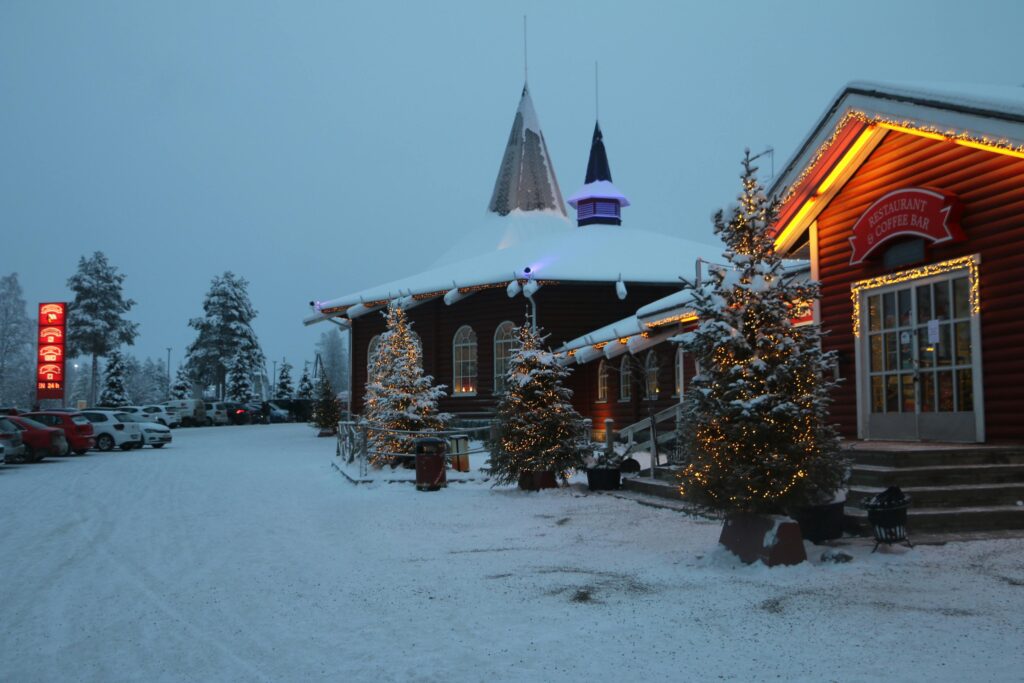
- Rovaniemi: Markets itself as “Santa’s home city” (population 65,000) but receives several times that in annual tourist visits. New additions include a water park, expanded Santa Claus Village, reindeer and husky parks, and holiday homes built on former green areas.
- Resorts: Ski resorts have expanded dramatically, clearing at least 430,000 square meters of natural land since 2018.
- Remote projects: Even remote areas like Utsjoki — considered nationally significant — have seen the rise of luxury resorts, raising alarms among conservationists.
Impact on Sámi Communities
For the Indigenous Sámi, Lapland’s forests and tundras are not tourist playgrounds but living cultural landscapes.
- Reindeer herding: A cornerstone of Sámi culture, it depends on large, undisturbed grazing lands. Expansion of resorts and roads fragments these pastures.
- Community pressure: Municipal councils continue to approve new cottage plots, including 227 new lots along Lake Inari in 2025. Sámi groups say these decisions prioritize developers over traditional livelihoods.
- Cultural commodification: Sámi traditions are often repackaged as tourist attractions, raising ethical concerns about representation and consent.
Environmental Consequences
- Habitat loss: Development fragments forests and tundra, affecting biodiversity.
- Carbon footprint: Increased air travel to Lapland, plus energy-intensive resorts, undermine climate goals.
- Overcrowding: Natural landmarks and aurora-viewing spots face congestion, diminishing the authentic experience.
- Greenwashing risks: Some resorts market themselves as eco-friendly while simultaneously expanding into fragile landscapes.
Efforts at Balance
- Municipal regulation: Some councils limit expansion in sensitive areas, but enforcement is uneven.
- Eco-tourism initiatives: A small but growing movement emphasizes slow travel, Sámi-led experiences, and low-impact stays.
- Public debate: Conservationists, Sámi representatives, and tourism boards are increasingly clashing over what “sustainable tourism” in Lapland really means.
Frequently Asked Questions
| Question | Answer |
|---|---|
| What is the “Santa Claus effect”? | A term describing how Lapland’s Santa branding has fueled mass tourism and rapid development at the expense of green space. |
| How much has tourism grown in Lapland? | Visitor numbers have risen 160% in 30 years, topping 700,000 annually. |
| What areas are most affected? | Rovaniemi (Santa’s “home city”), ski resorts like Levi and Saariselkä, and even remote Lake Inari and Utsjoki. |
| How does this affect Sámi communities? | It reduces grazing land for reindeer herding, pressures traditional livelihoods, and risks commodifying Sámi culture. |
| What are the main environmental issues? | Deforestation, habitat fragmentation, rising emissions, and overcrowding at natural landmarks. |
| Is Lapland’s economy dependent on tourism? | Yes, tourism is a major employer and revenue source, particularly in winter. |
| What is being done to limit damage? | Some local councils restrict developments, and eco-tourism alternatives are being promoted. |
| Are there sustainable tourism options? | Yes — Sámi-led cultural tours, small-scale lodges, and slow-travel packages are growing. |
| What role does climate change play? | Shorter winters and unstable snow conditions may push developers to expand infrastructure to keep tourism viable, adding further stress. |
| Can Lapland balance tourism and conservation? | It’s possible, but requires strict planning, Sámi involvement in decision-making, and shifting away from mass-market expansion. |
Conclusion
Lapland is at a turning point. Its image as Santa’s magical homeland has brought prosperity but also unprecedented pressure on ecosystems and Indigenous culture. Without stronger protections, the very landscapes and traditions that draw visitors could be irreversibly lost.
The challenge now is to redefine Lapland’s future: not as a mass-market winter theme park, but as a model for sustainable Arctic tourism that respects both nature and the Sámi people who call it home.
Sources The Guardian

