
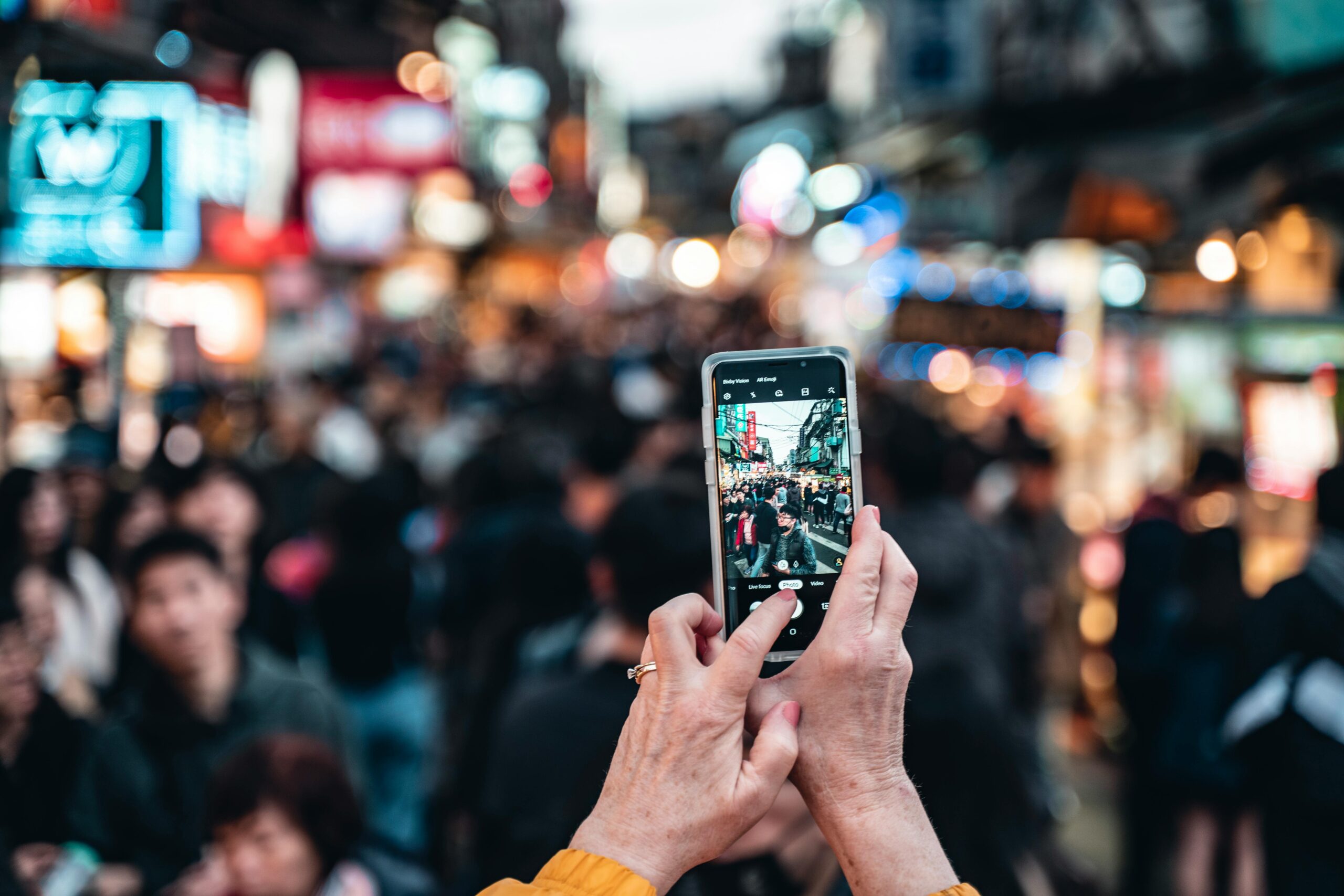
Viral Fame Meets Village Life
A village in the Cotswolds recently found itself besieged by what a local councillor described as ‘TikTok tourists’—visitors drawn not by genuine appreciation, but by the desire for content creation. They swarm the streets searching for picturesque backdrops with little respect for the local culture, heritage, or daily rhythms.

Similar scenes have unfolded across England’s countryside, from the once-idyllic Bibury to Bourton-on-the-Water. Bibury, dubbed “England’s most beautiful village,” now faces so much congestion that restrictions on visitor access and coach traffic are being considered by local authorities.
This isn’t limited to the UK. Across Europe and beyond, small destinations unprepared for sudden tourist booms are scrambling to respond:
- Roccaraso, Italy: A ski resort was overwhelmed by 10,000 day-trippers in one day after a TikTok influencer posted about the snow. The surge led to overwhelmed roads, strewn trash, and poor visitor behavior, prompting the mayor to cap coach entries and force online pre-booking.
- Global reflections: From ski towns to remote hideaways, TikTok and Instagram have become unwitting promoters of overtourism—rapid, unsustainable spikes in visitation without adequate planning or infrastructure.
- Instagram tourism insights: The desire to recreate picturesque scenes contributes to overtourism. Many localities have responded with physical barriers, entry caps, and tourist taxes to preserve both culture and environment.
Why Simple Virality Can Cause Big Problems
- Infrastructure Mismatch
Many small villages lack sufficient parking, restrooms, waste facilities, and space for tourists—yet viral content brings crowds faster than local capacity can adapt. - Cultural Disconnection
Influenced visits are often superficial: visitors want a photo, not a connection. Councillors lament that these visitors have “little real interest” in heritage or local livelihood. - Environmental and Social Strain
Increased waste, noise, and congestion erode quality of life. Some destinations, from Hallstatt in Austria to the Dolomites in Italy, are grappling with polluted streets and overwhelmed trails. - Reactive Policies
Limited coach access, tourist taxes, entry timings, or even road closures now feature among measures to regain control—though implementing them can be contentious. - Changing Perceptions
What was once charming becomes touristy—and locals no longer recognize the character that once attracted so much attention.

Frequently Asked Questions (FAQs)
1. What triggered the surge of TikTok tourists in this village?
A viral video showcasing its beauty likely went viral on TikTok, attracting hikers and selfie-seekers—many with no deeper interest in the locale.
2. What reactions have other villages taken?
Commonsense tactics include banning visitor coaches (Bourton-on-the-Water), limiting access (Bibury), and imposing bus quotas or pre-bookings (Roccaraso). Some places have even considered tourist taxes or physical barriers.
3. What exactly is overtourism?
It refers to overcrowding that disrupts both resident life and visitor experience. It’s often driven by social media visibility and rapid influxes of visitors.
4. Is this a local issue or a broader trend?
It’s global. From Roccaraso to Lauterbrunnen, Santorini, Hallstatt, and the Dolomites—many tourist hotspots face similar pressures as social media accelerates hype.
5. How can communities respond effectively?
Solutions include controlled access (bus or entry caps), timed visits, promoting lesser-known alternatives, digital visitor management, and sustainable tourism policies.
6. Is social media always negative for travel?
Not necessarily: it provides exposure and economic opportunity. The challenge is managing growth responsibly—balancing visibility with preservation. Thoughtful planning can turn viral attention into long-term, meaningful tourism.
Final Thoughts
The TikTok-fueled visitor surge plaguing this Cotswolds village is a local manifestation of a global trend: social media’s invisible hand can empower tourism—but also derail it, especially in communities caught unprepared. As this digital wave continues, destinations must choose whether to ride the trend or anchor themselves with intention—and protect the places that sparked the world’s curiosity to begin with.

Sources BBC

