
Spain has long been one of the world’s top tourist destinations. But in the past couple of years, a growing wave of anti-tourism protests has put the spotlight on the costs of mass tourism: rising rents, environmental wear and tear, loss of local culture, and changes to daily life for residents. These protests are no longer fringe—they’re becoming central to the debate over how Spain can keep tourists coming without losing what locals love about their cities.
What’s Going On: Protests, Places, & People
The protests have happened in many of Spain’s most popular tourist spots:
- The Balearic Islands (Mallorca, Ibiza, Menorca)
- The Canary Islands
- Mainland cities such as Barcelona and Málaga
- Also in smaller towns and heritage areas around these regions
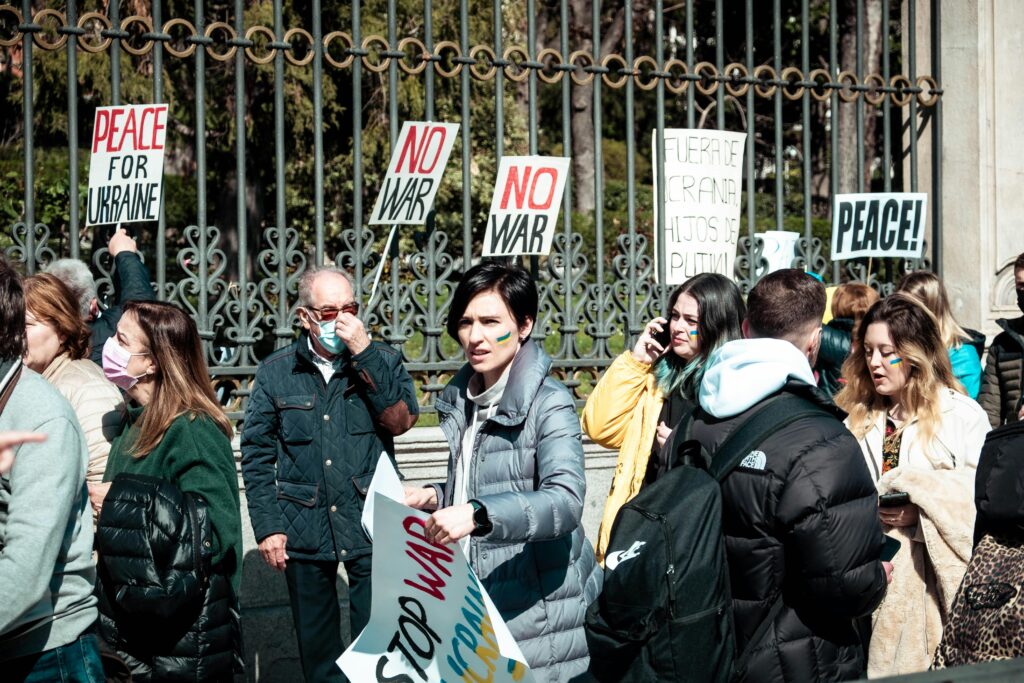
Key features of the protests are symbolic acts (like spraying water pistols on tourists), slogans (“tourists go home”, “Mallorca is not for sale”), blocking of popular selfie spots, demonstrations, and demanding policy changes. The activism isn’t monolithic—multiple groups are involved, from environmental NGOs to resident associations, each with overlapping but sometimes distinct concerns.
What Protesters Are Calling For
From the on-the-ground reports and interviews, here are the main demands and grievances protesters have:
- Housing & Rentals Regulation
- Limit or ban short-term holiday rentals (Airbnb and similar platforms) which eat up residential housing stock and drive up rents.
- Increase protection for long-term residents vs tourist-oriented housing.
- Build or designate more affordable housing.
- Control Over Tourist Numbers & Impact
- Limit or reduce the number of tourists arriving in peak seasons.
- Regulate or reduce cruise ship arrivals (which bring many transient visitors who don’t contribute strongly to local economies but strain local services).
- Impose higher tourist taxes, especially for short stays.
- Preserving Local Life & Culture
- Protect community spaces, limit businesses that cater only to tourists.
- Preserve local heritage, traditions, and the character of neighborhoods.
- Resist overt commercialisation of public and natural spaces.
- Environmental Concerns
- Reduce overcrowding in natural areas, beaches, and fragile ecosystems.
- Manage waste and pollution linked to large tourist flows.
- More sustainable infrastructure (transport, water, public facilities) to handle both residents and visitors.
- Economic Fairness
- Better share of tourist-generated wealth: many locals feel profits flow outward to big companies, foreign investors, or non-local owners.
- Support for small businesses and workers impacted by tourism (for example, in the hospitality sector), but also buffering them from rent/gentrification pressures.
- Policy Transparency and Accountability
- Clearer regulation and enforcement of laws around rentals, tourism zoning, environmental protections.
- Greater involvement of residents in decision-making about tourism policies.
What’s Often Missed — Gaps in the Discussion
To fully understand the situation, there are several things that mainstream reports or casual observers sometimes overlook:
- Economic Dependence vs Cost: For many Spanish regions, tourism is a huge employer and revenue source. The tension is real: how to preserve tourism’s economic benefits without letting those benefits undermine livability for locals.
- Uneven Impact Across Territory: Not all areas are equally affected. Some places see the burdens more acutely—narrow streets, fragile ecosystems, limited public services—while others cope better with infrastructure or have tourism more integrated into the economy.
- Historical Patterns: The current protests build on longer-standing grievances that predate the COVID-19 era: rising prices, housing unaffordability, displacement, loss of public services, etc. COVID-19 may have sharpened perceptions, but didn’t create them.
- Legal & Regulatory Response: Cities like Barcelona have already pledged reforms. For example, ending short-term rental licenses by 2028, tightening tourist taxes, and regulating cruise ship arrivals. But implementing policy takes time and often meets local political opposition.
- Tourist Sentiment & Behavior: Many protesters say they are not anti-tourist per se—they just want a different kind of tourism. Better behavior, more respect, less overt commercialisation. Whether tourists understand this nuance varies.
Possible Solutions & What Cities Are Trying
What are authorities / communities doing, or proposing to do, to respond to these protests? Some of the measures in consideration / implementation:
- Tightening regulation of short-term rentals, license regulation, better law enforcement on illegal listings.
- Increasing tourist taxes, especially for cruise port arrivals, short visits, or during peak times.
- Zoning and capacity planning—deciding which areas should have limits on tourist numbers or stricter controls.
- Investing in infrastructure: improving public transport, waste management, local services, so that the burden of high visitor numbers is manageable.
- Campaigns aimed at more responsible tourism: encouraging quieter nights, less drunken behavior, respecting local customs and environments.
- Encouraging off-season tourism and redistributing visitors more evenly across regions and times of year to ease pressure.
What Happens Next — Risks & Impacts
- Tourism Revenue Loss: If potential visitors are deterred by protests or perceive a place as unwelcoming, revenue, especially from high-spending tourists, can drop. Local businesses suffer.
- Social Tension: Conflicts may escalate if residents feel ignored or overwhelmed; tourist businesses may push back.
- Regulatory Backlash: Tight regulation can have unintended consequences if not carefully calibrated (e.g., pushing prices up too much, reducing jobs).
- Brand & Reputation: Destinations may suffer reputational damage; prospective visitors may choose other places.
- Potential for Sustainable Models: If reforms succeed, Spain could set an example of managing mass tourism in a way that balances economic, social, and environmental needs.
FAQs: Common Questions About Spanish Anti-Tourism Protests
1. Are the protests against all tourists or just certain kinds?
Mostly, protesters target “mass tourism” rather than individuals. Complaints are especially about cruise ship visitors, short-term rentals, and the kinds of tourists whose behavior (crowding, partying, disrespecting local norms) puts strain on infrastructure. Many locals say they want tourists—but tourists who behave, who respect neighborhoods, and whose presence doesn’t price locals out.
2. How significant is tourism to Spain’s economy?
Very significant. Tourism contributes a large share of GDP, employment (directly and indirectly), and regional development, especially in the Balearic and Canary Islands, Barcelona, and coastal regions. That makes any proposals to restrict or regulate tourism politically sensitive.
3. Is this backlash new or a result of recent events?
It’s an intensification of long-standing tensions. After COVID-19, tourism bounced back sharply, which magnified visible impacts. Housing shortages, inflation, and rising expectations post-pandemic have made the pressures more acute, so people are less tolerant of gradual decline in quality of life.
4. What legal or policy steps have been taken so far?
Cities like Barcelona have pledged to phase out short-term rentals, impose stricter licensing, increase tourist taxes, regulate cruise visitors. Balearic Islands have approved housing projects, tried to make land available for residential housing. But many policies are still being debated, implemented gradually, or facing resistance.
5. Are tourists being unsafe or targeted?
Most protests are peaceful, though some actions (like water pistol squirts or blocking access) are symbolic. There have been tension points, but for the most part, tourists aren’t being physically threatened in large scale. The message is more about behavior and policy rather than hostility to individuals.
6. What can tourists do to be more welcome?
Tourists can help by: respecting local customs and rules; favouring longer stays; avoiding peak-only travel; choosing locally-owned accommodation; avoiding overcrowded neighborhoods; and being mindful of noise, waste, and local services. Supporting responsible tourism operators helps.
7. Could these protests push Spanish regions to restrict tourism?
Some restrictions are already in planning: limits on rentals, caps on cruise ship arrivals, boosting tourist taxes. But wholesale bans are unlikely in tourist-dependent places. The trend is more about regulation, balance, and sustainable models rather than shutting tourism down.
Conclusion
Spain’s anti-tourism protests are more than angry crowds—they’re a signal that the current model of tourism is reaching its limits in many places. The core issue isn’t having tourists, but having too many, unmanaged in a way that neglects residents’ quality of life, housing stability, and environmental health. The challenge for policymakers: harness tourism’s benefits while addressing its costs, not simply through reactive protests, but through thoughtful planning, fair regulation, and inclusion of resident voices.
Sources The Telegraph

