
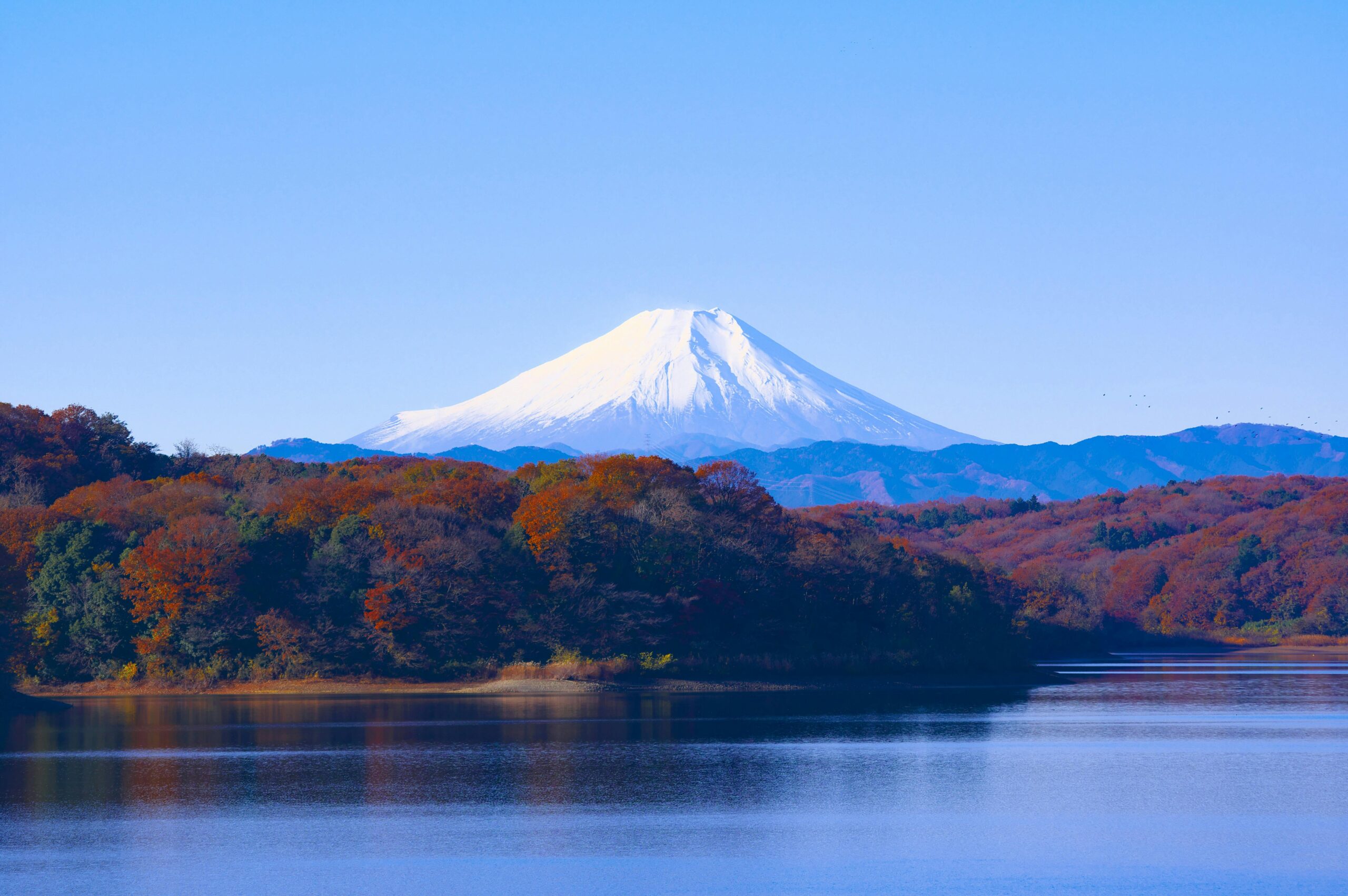
Japan is enjoying what tourism promoters once called the “inbound boom.” But in recent years, that boom has provoked growing unease among locals — especially in beloved historic and cultural hubs. Cities like Kyoto, Osaka, Nara, and even smaller towns along the “Golden Route” are now sites of friction between the economic benefits of tourism and the lived realities of residents.
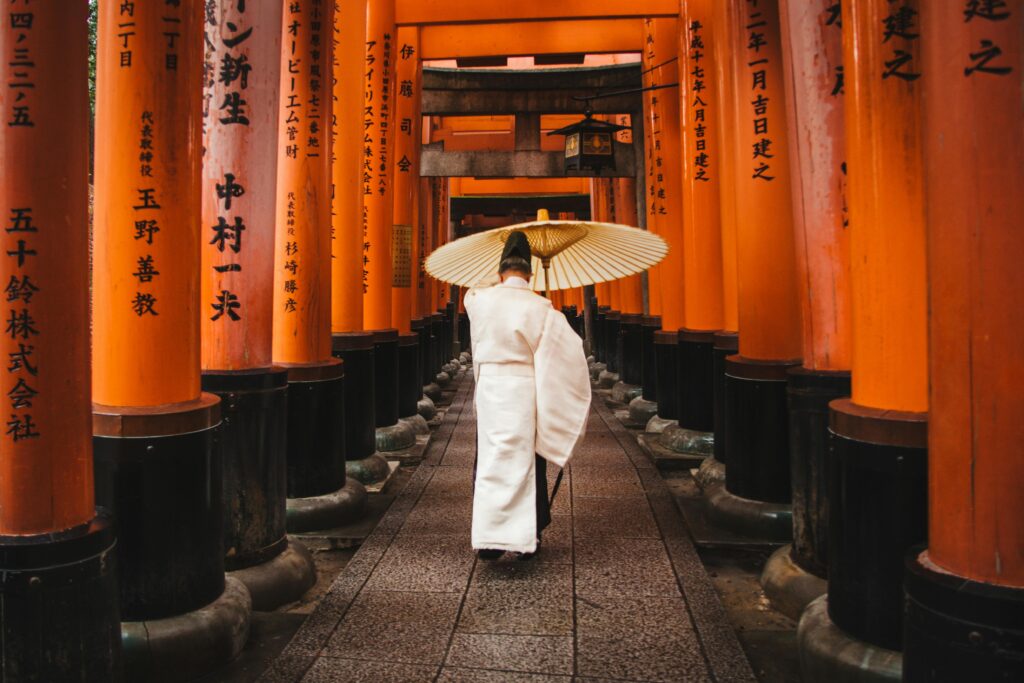
The Surge: From 6.7 Million to ~37 Million Visitors
In 2005, Japan welcomed roughly 6.7 million international arrivals. By 2024, that number had multiplied to nearly 37 million, and the government is targeting 60 million annual visitors by 2030. The “Golden Route” — Tokyo → Kyoto → Osaka — absorbs a disproportionate share of that flow.
Local revenue from foreign tourism also reached new highs in 2024, with inbound tourism consumption exceeding ¥8 trillion (roughly USD 56 billion), making tourism one of Japan’s largest “export” sectors.
This surge has been fueled by multiple factors:
- Relaxed visa rules and expanded flight capacity
- A weaker yen making Japan a cheaper destination
- Strong cultural exports like anime, manga, and cuisine
- A post-pandemic rebound in outbound tourism from major markets
But this success has not come without growing discontent.
The Backlash: Crowds, Rising Costs, and Cultural Frictions
Overtourism or “Tourism Pollution” (“kankō kōgai”)
Many locals frame the issue as tourism pollution — the degradation of daily life caused by unmanaged tourist flows. Common complaints include:
- Congested narrow streets and overwhelmed alleys
- Noise, litter, and trespassing
- Disruption to daily routines like commuting or school trips
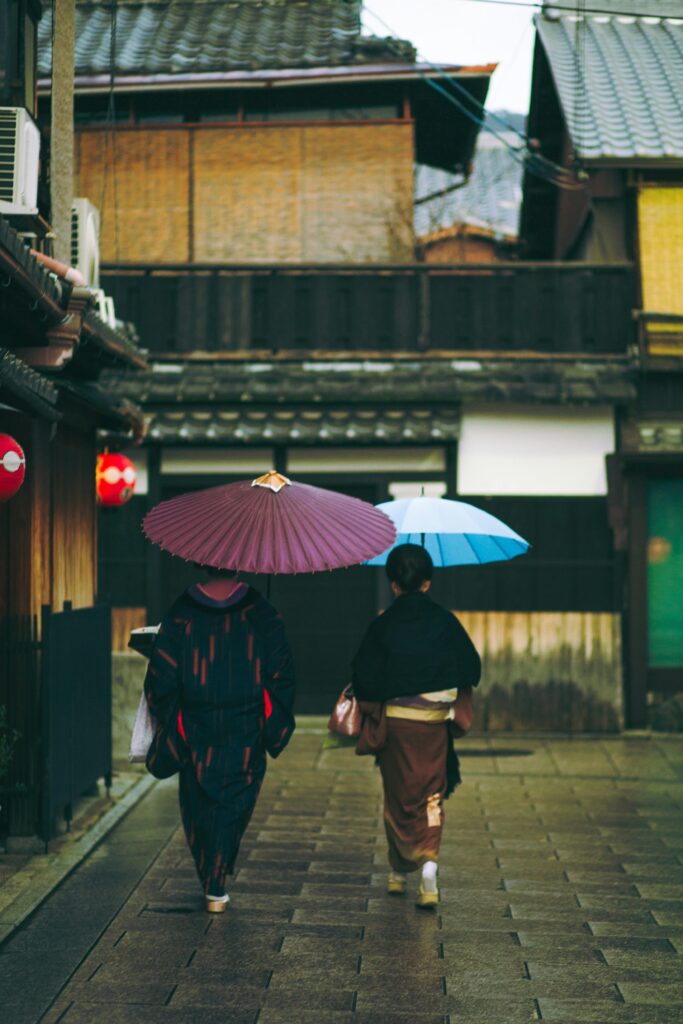
- Disrespectful behavior like photographing geisha or entering private property
In Kyoto, for instance, some schools have begun skipping traditional field trips to the city due to overcrowding and logistical headaches.
Housing Pressure and Unequal Gains
Tourist demand has pushed up hotel and housing costs. The growth of short-term rentals has displaced locals or inflated rents in many urban areas. While tourism benefits certain sectors, the financial gains are often uneven — flowing to large chains or outside investors rather than small local businesses.
Psychological and Generational Tensions
Japan’s tourism backlash reflects deeper social dynamics:
- An aging population with less domestic travel
- A sense of national pride challenged by being a “cheap” destination
- Underlying xenophobic sentiments in some political rhetoric
- A growing fear of cultural erosion among younger generations
Some activists have proposed the idea of “Touristship,” a code of conduct akin to sportsmanship, encouraging respectful behavior among visitors.
Policy Responses: Seeking Balance
To address these challenges, Japan is implementing a range of measures.
Encouraging Regional Travel
- Promoting lesser-known prefectures like Tohoku and Kyushu
- Investing in rural infrastructure and local tourism campaigns
- Offering incentives such as discounted flights to rural destinations
Visitor Caps and Pricing Reform
- Mount Fuji now caps daily climbers on the popular Yoshida Trail
- Some temples and attractions require prior booking
- Dual pricing systems are being explored, with higher fees for foreign tourists
Behavioral Guidance
- Promoting the “Touristship” concept through signage and media
- Using real-time crowd management tools and tourist apps
- Creating educational content around local etiquette and traditions
Institutional Messaging
- National tourism boards emphasize regional diversity
- Local governments are integrating overtourism into planning and zoning
- Tourism fatigue is now a visible topic in political campaigns and public discourse
Limits and Challenges
- Service worker shortages and demographic decline hamper response capacity
- Rural areas may lack the infrastructure to absorb redirected flows
- Enforcement and monitoring of tourist behavior remain labor-intensive
- Policy missteps could alienate tourists or damage Japan’s image
Japan must now navigate a narrow path between economic necessity and cultural preservation.
The Paradox: Resenting What You Helped Build
Japan’s tourism transformation has been swift and highly visible. The same national branding and soft power that attracted the world are now under scrutiny at home. Many Japanese residents find themselves asking: Can we maintain the benefits of global attention without losing what makes Japan feel like home?
Frequently Asked Questions (FAQ)
Q: Is overtourism a nationwide issue in Japan?
No. It’s concentrated in specific areas like Kyoto, Tokyo, Osaka, Nara, and Mount Fuji. Rural regions often remain under-visited.
Q: What is “Touristship”?
A proposed behavioral code of conduct for tourists that emphasizes cultural respect, quietness, cleanliness, and awareness of local norms.
Q: Are visitor limits already in place?
Yes. Mount Fuji’s Yoshida Trail has a daily cap of 4,000 climbers and requires reservations. Other cities are experimenting with timed entry and pre-booked visits.
Q: What is the dual pricing system?
Some locations charge foreign tourists more than residents to help fund preservation and infrastructure improvements.
Q: How much does tourism contribute to Japan’s economy?
Tourism contributes over ¥8 trillion annually and accounts for about 5–6% of GDP.
Q: Is tourism driving up housing costs?
In high-tourism zones, yes. Short-term rentals have raised rents and displaced some locals.
Q: Are visitor behavior problems common?
Yes — though not universal. Issues include noise, crowding, taking inappropriate photos, and disrespecting sacred spaces.
Q: How is the government redirecting tourists regionally?
Through investment in transport, accommodation, and promotions in lesser-known areas. Some airlines offer free or discounted regional flight segments.
Q: Can tourism be managed sustainably in Japan?
Yes, but it requires coordinated policy, infrastructure upgrades, better visitor education, and strong community input.
Q: Could public resentment reduce future tourism?
Potentially. If the visitor experience worsens or public resistance grows, international arrivals could decline — especially if alternatives like Korea or Taiwan become more attractive.
Sources Financial Times

