
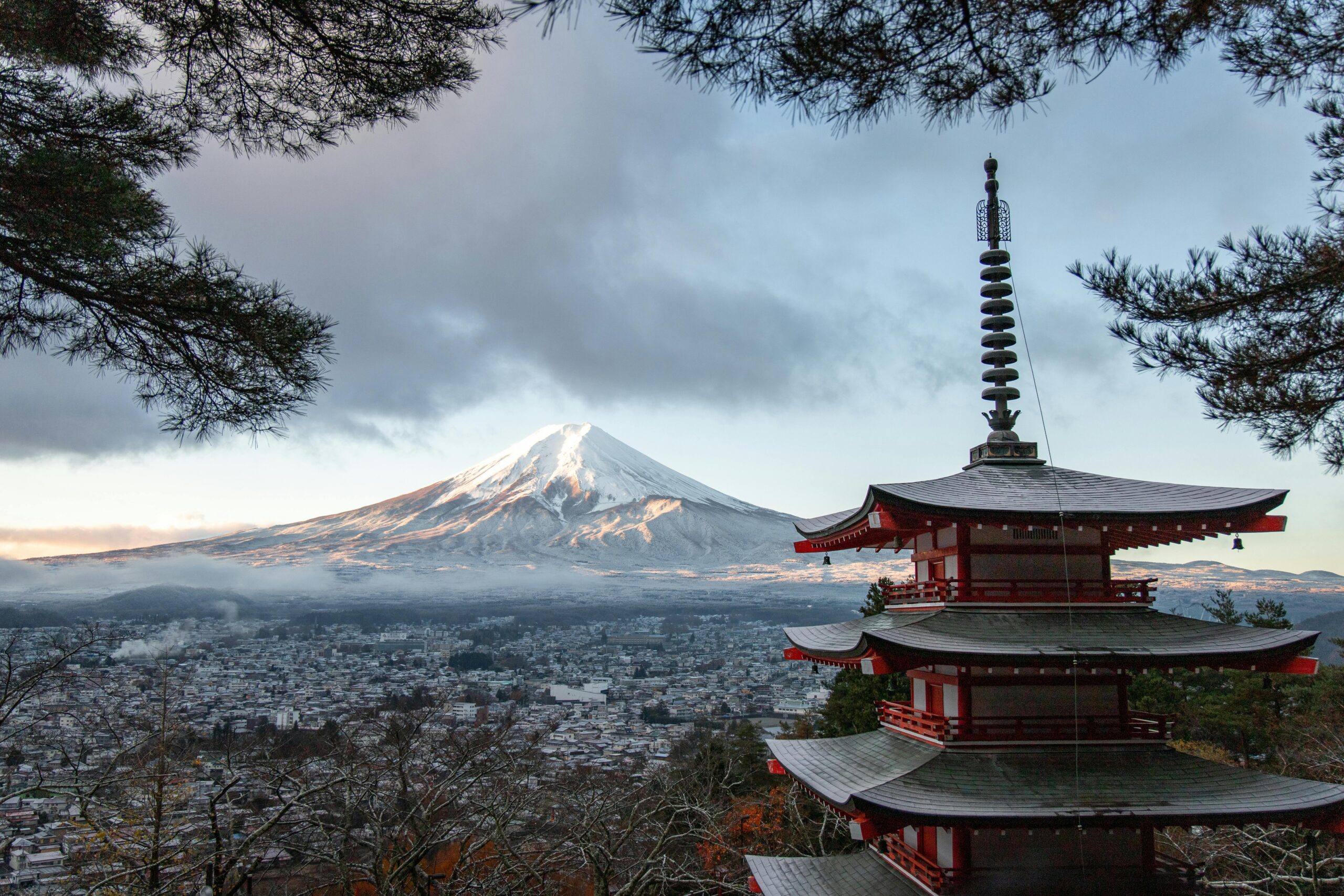
Nestled in Japan’s northernmost island of Hokkaido, the area around Niseko and its neighboring towns like Kutchan have long been winter tourism magnets. With powdered snow, long seasons, and a globally recognized brand, these ski resorts draw visitors from Australia, Southeast Asia, Europe — and also foreign staff and residents. But lately, the influx of non-Japanese workers and seasonal migrants has sparked controversy, social tension, and heated debate over identity, housing, and community.
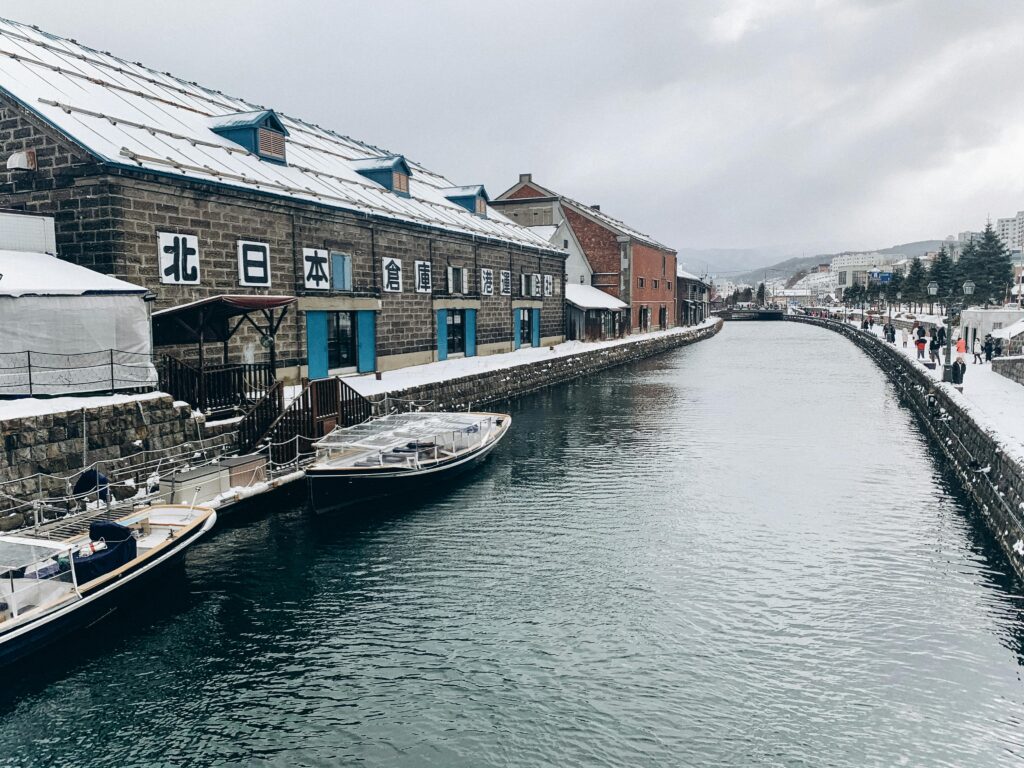
The Context: Why Foreign Workers in Hokkaido?
Tourism Growth & Labor Demand
- The Niseko region has become one of Japan’s most international ski resorts, attracting millions of visitors annually, nearly returning to pre-COVID levels.
- With rapid growth, local businesses — hotels, resorts, restaurants, ski schools — face chronic labor shortages in one of Japan’s colder, remote areas. Many young Japanese do not want to take seasonal hospitality jobs in harsh winter conditions.
- As a result, foreign labor (seasonal workers, instructors, hospitality staff) has become essential to sustain operations.
- When border restrictions were eased post-COVID, the number of foreign residents in resort towns like Kutchan shot up, with the town’s foreign population nearly doubling in recent years.
Housing, Real Estate, and Displacement
- The influx of foreign buyers — many purchasing vacation homes or rental units — has pushed real estate prices and rents upward, risking displacement of locals.
- Local residents complain that the cost of housing has become prohibitive, especially for workers outside the tourism sector.
- Proposed plans to build foreign worker housing have faced strong local resistance. A developer’s plan to construct apartment blocks for over 1,000 foreign workers triggered petitions and heated public backlash.
Identity, Social Tension & Integration
- Some locals express unease over foreign residents’ behavior (e.g. waste disposal, traffic habits) and argue that rising foreign presence changes the character of their communities.
- Infrastructure and administrative services (banks, postal services, signage) are still heavily Japanese-language, making life difficult for foreign residents.
- In disaster or emergency contexts, communication is often only in Japanese, excluding non-Japanese speakers from critical information.
What’s Often Missing in the Debate
The Regulatory Environment & Work Visa Constraints
- Many foreign workers hold seasonal work visas, which limit them to certain employment types (e.g. ski instructor roles in winter) and restrict other work outside season. This limits their economic integration.
- Local municipalities have limited power to grant permanent residency or to regulate property ownership by foreigners.
- Foreign staff often cannot stay year-round; after the winter season, many must leave or find alternate employment under visa limits.
Economic Dependence & Vulnerability
- The tourism economy in these towns is highly seasonal, heavily weighted toward winter months. Outside ski season, many businesses suffer and worker demand drops.
- Overreliance on foreign labor makes the local economy vulnerable to external shocks — visa policy changes, pandemics, travel disruptions, or geopolitical shifts.
Demographic and Population Decline
- Rural Japan, including Hokkaido, faces population decline, aging, and youth outmigration. Bringing in foreign workers helps maintain services and hospitality capacity, but also raises cultural and social questions about how to integrate newcomers.
Comparative Experiences & Models
- Other tourist towns globally have faced similar tensions — in the Alps, ski resorts in Canada, or in small heritage towns in Europe. There are lessons in governance, housing policy, inclusive planning, and social integration.
- Some of the models include providing mixed-use housing, setting quotas or priority for locals, offering subsidized housing, requiring cultural orientation programs for new residents, and strengthening services in multiple languages.
Possible Paths Forward & Policy Options
Legal & Planning Instruments
- Zoning and land-use control: Limit or balance new development to preserve local character and protect farmland.
- Affordable housing quotas: Mandate that new housing projects include units reserved for local residents, or cap rent increases.
- Foreign worker dormitories: Concentrated housing built for foreign laborers can reduce pressure on local housing.
- Longer-term visa reforms: Allow more flexible visa types to enable gradual integration rather than purely seasonal presence.
Community Engagement & Social Integration
- Multilingual services (signage, information, emergency alerts) to improve accessibility.
- Cultural exchange programs to reduce social friction and build mutual understanding.
- Forums or town councils where locals and foreign residents discuss community planning together.
Economic Diversification & Year-Round Economy
- Invest in summer tourism (hiking, rafting, rural festivals) to reduce seasonality.
- Encourage diverse economic activities (agriculture, crafts, wellness retreats) to reduce overdependence on skiing.
- Promote remote work or year-round businesses that can employ residents and foreign workers alike.
Frequently Asked Questions (FAQ)
| Question | Answer |
|---|---|
| Which town is at the heart of the debate? | Kutchan (in the Niseko resort area of Hokkaido) is often central, as many foreign workers live there. |
| How many foreign residents are there? | In recent years, Kutchan’s foreign resident count rose sharply, nearly doubling within a short time. |
| Why not hire more Japanese workers? | Many Japanese avoid seasonal, low-wage, difficult winter jobs in remote resort regions. |
| Are foreign residents permanent? | Mostly not — many are seasonal visa holders restricted to winter roles, limiting long-term residency. |
| Why are locals opposing worker housing projects? | Concerns include rising traffic, change in town character, strain on services, and perceived overrun by non-locals. |
| Is foreign investment part of the problem? | Yes — foreign capital in real estate and vacation homes is pushing up prices and making housing unaffordable for locals. |
| Are there laws restricting foreign property ownership? | Some land (especially farmland or forested land) is regulated, but many resort-area lands are commercially zoned. |
| Will this issue resolve itself? | Unlikely without deliberate intervention. Without policy action, tensions may grow, and locals may be displaced. |
| Have other towns handled this better? | Yes — in some Alpine towns or ski resorts in Europe, local housing funds, resident priority quotas, and strict zoning have helped. |
| What’s the main balance to strike? | How to maintain a viable tourism economy while preserving local identity, affordability, and social cohesion. |
Conclusion
The debate in Hokkaido’s ski towns is a microcosm of broader global challenges: when places become “international,” how does a community protect its character, serve its own residents, and adapt to newcomers?
In Niseko and Kutchan, the choices made now — in housing policy, visa law, planning, and social integration — will determine whether the resort towns become thriving multicultural hubs or sites of social fracture. For tourism to be sustainable, it must include the voices of locals and the inclusion of foreign workers not as transient guests, but as part of the community’s shared future.
Sources The New York Times

