
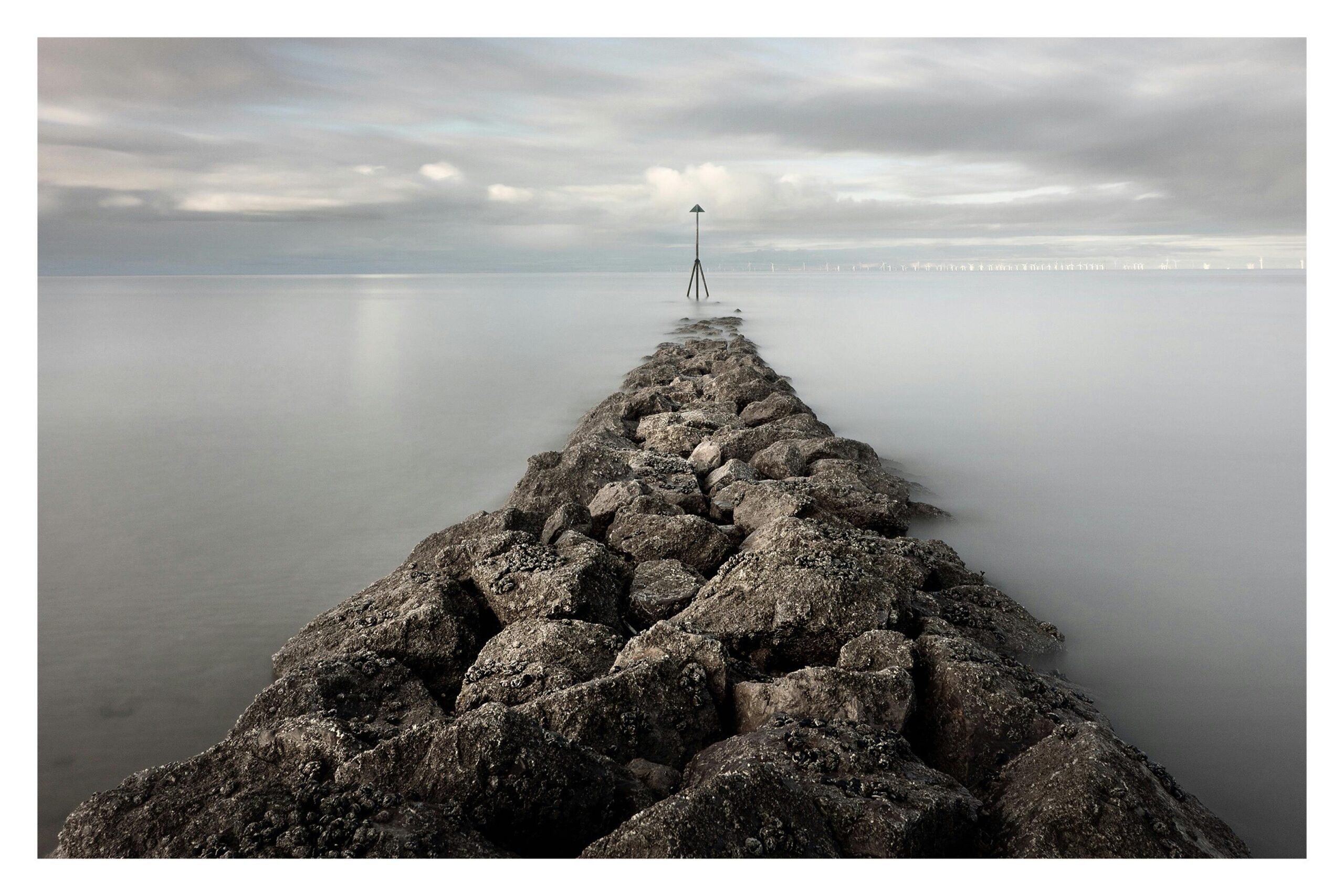
Coastal communities face mounting risks:
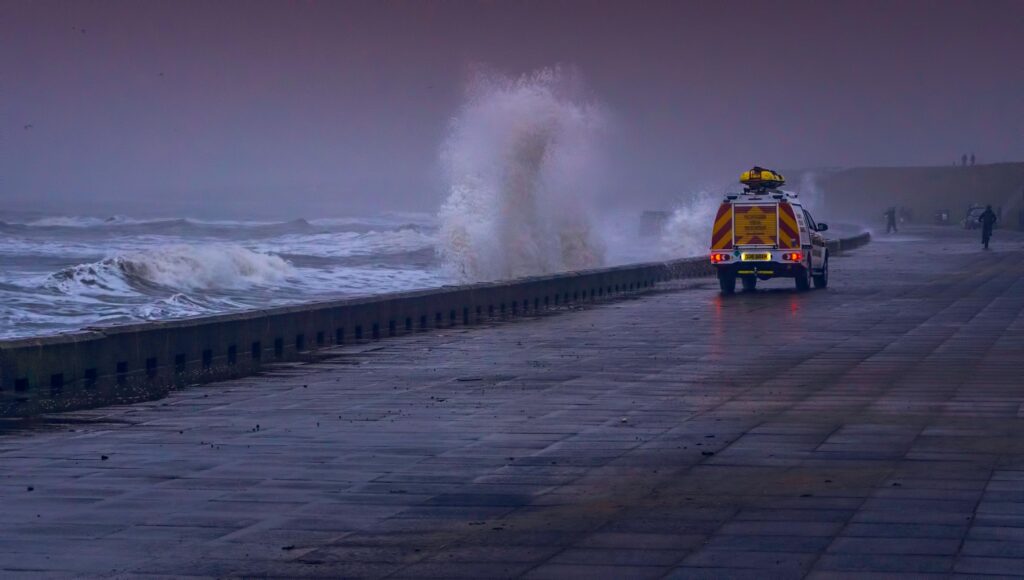
- Rising seas, stronger storms, and more frequent surges threaten infrastructure, homes, and land.
- In many places, tourism depends heavily on the attractiveness of sandy beaches, scenic cliffs, dunes, and natural coastline.
- Hard coastal defences — walls, bulkheads, groynes — can stabilize a specific stretch, but they often alter beach dynamics, reduce beach width, obstruct views, accelerate erosion nearby, and degrade habitat.
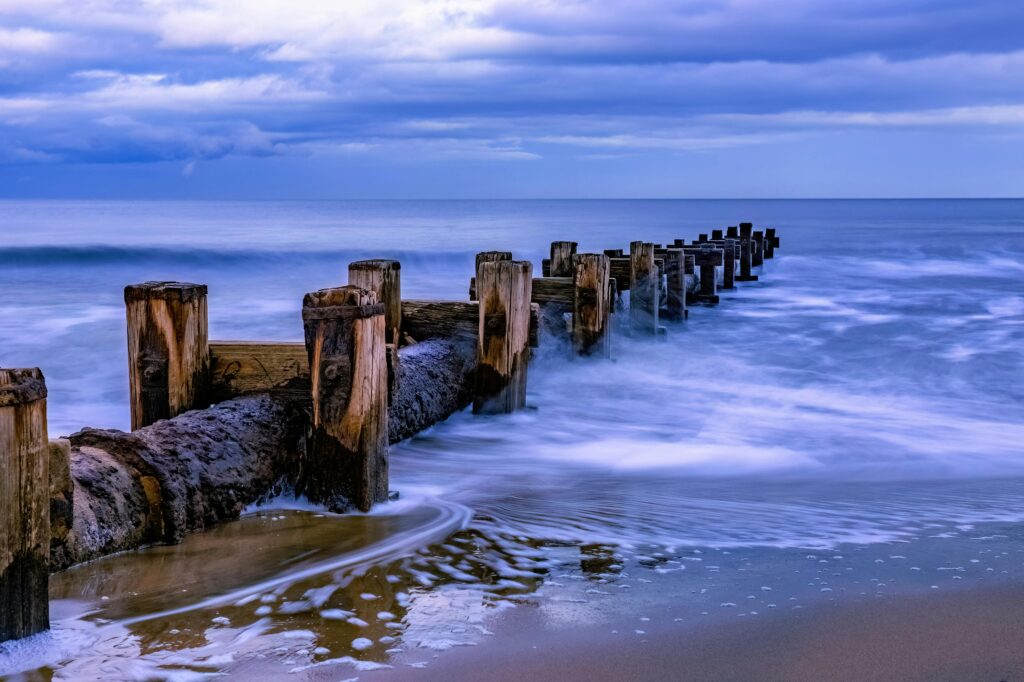
Thus, for councils and local authorities, it’s not just a question of whether to defend — but how to defend without killing their tourism economy.
The BBC article’s coverage captured that pushback from tourism stakeholders, but there’s much more beneath the surface: technical trade-offs, alternative strategies, stakeholder tension, and long-term resilience.
Deeper Dimensions the Original Article Might Miss
1. Ecological Consequences of Hard Defences
Hard structures can produce unintended environmental harm:
- They often disrupt sediment transport, starving downshore beaches of sand and causing increased erosion elsewhere.
- They limit or eliminate the natural “buffer zones” (dunes, salt marshes, wetlands) that would otherwise absorb wave energy.
- They reduce habitat for coastal flora and fauna, especially in the intertidal zone.
- Over time, as sea levels rise, some defences may become ineffective or require costly upgrades.
A regional appraisal of coastal ecosystem impacts found that such structures must be balanced with preserving ecosystem services, not just protecting property.
2. Tourism Dynamics & Visitor Perception
Tourists tend to value natural, open, scenic coastlines. If the coast becomes dominated by concrete, bulkheads, or visual barriers, it can:
- Diminish the scenic beauty or “naturalness” that attracts visitors.
- Reduce usable beach width, meaning less space for sunbathing, walking, water access.
- Create maintenance hazards, safety perceptions, and “industrialized coastline” feelings.
- Lead to “edge effects,” where parts of the coast become inaccessible or less safe.
Some coastal resorts are already experiencing complaints from visitors about how defences mar views or interfere with beach access.
3. Alternatives & Hybrid Solutions
There is growing interest in nature-based solutions or hybrid engineering that combine structural and ecological elements:
- Beach nourishment (adding sand) can buffer wave energy without erecting walls, though it needs periodic maintenance.
- Dune restoration, planting vegetation, or creating buffer zones can help absorb wave energy naturally.
- Living shorelines, using marshes, oyster reefs, submerged breakwaters, etc.
- Hybrid approaches: small structures + ecological buffers to reduce negative impacts and cost.
- Managed retreat: moving infrastructure landward in zones that are too costly or ecologically fragile to defend.
These softer approaches generally align better with tourism and ecological goals — especially where the coastline is valued for its natural character.
4. Economic & Policy Trade-offs
- Cost-benefit analyses often weigh direct protection costs vs. property damage avoided. But they rarely fully account for nonmarket values like tourism revenue, coastal aesthetics, ecosystem services, or community identity.
- There can be conflicting interests: property owners may prefer full defence for safety, while tourism operators worry about visual or access impacts.
- Governance complexity: Coastal defence decisions often cross multiple jurisdictions (municipal, regional, state/nation), and different actors have diverging priorities.
- Maintenance liability: Hard defences are not “set and forget” — they require long-term upkeep, especially in a changing climate.
- Uncertainty: Climate projections, storm intensity, sea-level rise rates all inject risk into what seems like a safe choice today.
5. Community & Stakeholder Tension
- Residents living farther from the coast may support defences; those whose livelihood is tourism or beach-based may oppose.
- Some communities feel excluded from decision-making, with defence plans imposed top-down without local consultation.
- Over time, the “defended” coast may shift benefits — advantaging some properties or neighborhoods while disadvantaging others (erosion migration).
Ways Forward: Strategies for Balanced Coastal Defence
To reconcile protection with tourism viability, coastal communities and councils can consider a layered or adaptive approach:
- Integrated Coastal Zone Management (ICZM): A holistic framework considering environment, infrastructure, tourism, community, and economics together.
- Participatory Planning: Involve tourism stakeholders, residents, conservationists, scientists in planning to find compromise and shared vision.
- Tiered Defence: Prioritize “hotspots” (key infrastructure or critical buildings) for hard defences, while using softer measures elsewhere.
- Nature-First Approaches: Use soft engineering (sand dunes, marsh restoration) as primary defence, backed by minimal structural support.
- Monitoring & Adaptive Design: Build defences that can be modified over time as sea level or coastal dynamics evolve rather than rigid structures.
- Economic Offsets & Compensation: Where defences reduce tourism potential, offer compensation, rebranding, or investment in alternative attractions.
- Zoning & Managed Retreat: In some zones, accept that land may need to move and avoid overinvestment in “doomed” areas.
- Green Certification & Marketing: Emphasize to visitors that the coast is being protected sustainably, maintaining natural aesthetic.
- Financial Mechanisms: Use tourism revenue, levies, grants, or resilience funds to cover maintenance or nature-based interventions.
Frequently Asked Questions (FAQ)
| Question | Answer |
|---|---|
| Why do councils warn that coastal defence might harm tourism? | Because hard defences can degrade natural aesthetics, reduce beach width, block access, and alter coastal character that attractions depend on. |
| Are all coastal defences bad for tourism? | No — it depends on design, scale, location, and whether soft or hybrid methods are used. Thoughtful design can minimise impact. |
| What are nature-based defences? | Methods like dune restoration, salt marshes, oyster reefs, or vegetated buffers that absorb wave energy with minimal structure. |
| What is hybrid engineering? | Combining man-made structures (like a small wall or breakwater) with ecological elements — a middle ground between hard defence and natural solutions. |
| Can beach nourishment work long-term? | Yes, but it typically needs repeated maintenance and can be expensive; it also may shift sediment dynamics. |
| Which approach is cheapest? | Soft solutions or managed retreat are often cheaper over time if maintenance of hard structures is high. But costs depend heavily on local conditions. |
| Does coastal defence stop erosion everywhere? | No — it often protects one section but can worsen erosion down-drift or on adjacent coastlines by interrupting sediment flow. |
| What is “managed retreat”? | It means relocating buildings or infrastructure away from the shore when defence becomes unsustainable. |
| Can tourism help fund coastal defence? | Yes — tourism levies, green fees, or local resilience taxes can help finance defence or conservation measures. |
| How do we choose what to do where? | Through risk mapping, cost-benefit analysis (including nonmarket values), stakeholder engagement, and adaptive planning. |
Conclusion
The tension asserted in the BBC article — that coastal defences may harm tourism — reflects a real and widespread dilemma faced by many coastal communities. But the conflict isn’t inevitable. With careful planning, hybrid and nature-based approaches, stakeholder inclusion, and long-term adaptability, it is possible to protect coastlines while preserving what draws people there in the first place.
Sources BBC


I must say this article is extremely well written, insightful, and packed with valuable knowledge that shows the author’s deep expertise on the subject, and I truly appreciate the time and effort that has gone into creating such high-quality content because it is not only helpful but also inspiring for readers like me who are always looking for trustworthy resources online. Keep up the good work and write more. i am a follower.