

For decades, African safaris have symbolized adventure, wildlife, and wilderness. Yet behind the lens of excitement lies a long history of imbalance — between conservation and consumption, protection and profit. Now, a new philosophy is reshaping the industry: regenerative tourism.
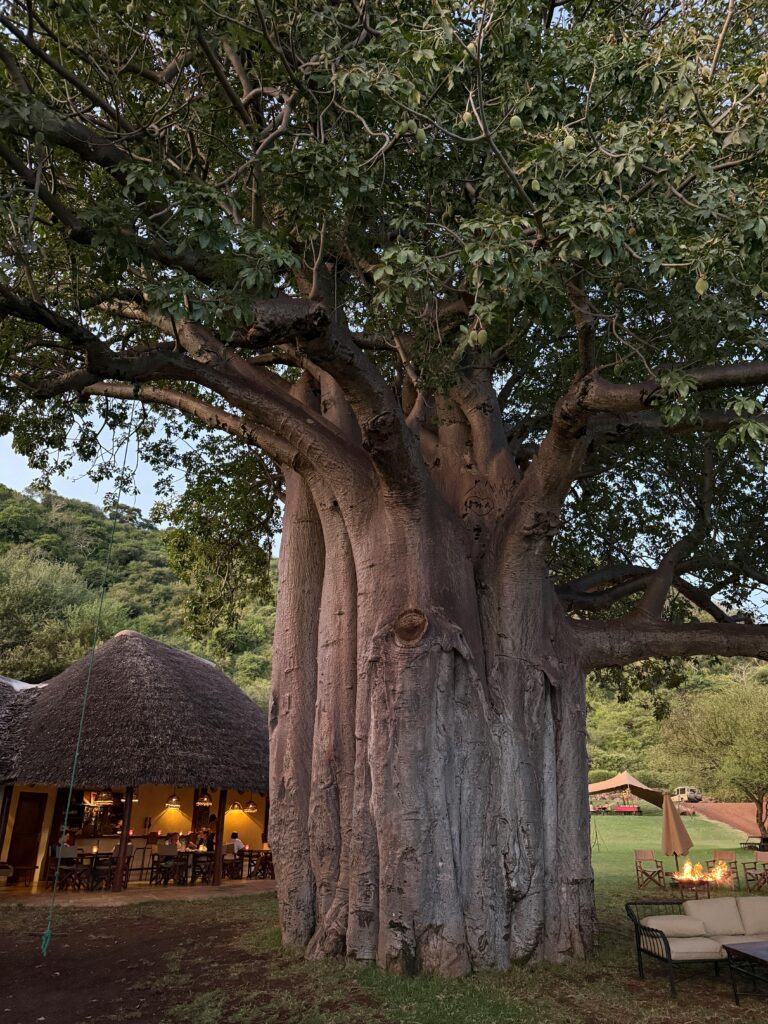
Unlike traditional or even “sustainable” tourism, regenerative tourism aims not only to minimize harm but to actively heal ecosystems, uplift communities, and strengthen cultural resilience. Across Africa, safari operators are embracing this idea — turning game drives into opportunities for restoration, education, and empowerment.
What Is Regenerative Tourism — and Why Does It Matter?
Sustainability asks: How can we keep doing this without destroying what we love?
Regeneration asks: How can we make this place better than we found it?
In essence, regenerative tourism moves beyond neutral impact. It’s about revitalizing both nature and people, using tourism as a tool for ecological restoration, social justice, and cultural renewal.
Core principles of regenerative tourism include:
- Restoration of natural systems — rebuilding degraded habitats and supporting biodiversity.
- Empowerment of local communities — giving residents ownership, decision-making power, and fair benefits.
- Integration of culture and ecology — recognizing the interdependence of landscapes, traditions, and livelihoods.
- Circular and low-impact design — using resources responsibly and regenerating what’s consumed.
In African safari contexts, these values are being woven into every stage of the journey — from how lodges are built to how guests engage with local communities and wildlife.
Why Safaris Are Uniquely Suited to Regenerative Tourism
Safaris occupy some of the world’s most biodiverse and ecologically fragile landscapes. The very survival of these areas — the Okavango Delta, the Serengeti, the Maasai Mara — depends on maintaining healthy ecosystems and harmonious relationships between people and wildlife.
This gives safari tourism a unique opportunity — and responsibility — to be regenerative.
1. Deep Engagement
Safari guests tend to stay longer, travel farther, and invest emotionally in the experience. This creates the perfect foundation for meaningful participation in conservation and restoration.
2. Long-Term Presence
Safari lodges are often established for decades, not seasons. This allows them to adopt long-term ecological goals such as rewilding, soil restoration, or wildlife corridor protection.
3. Economic Leverage
Tourism revenue is one of the few reliable funding sources for conservation in Africa. Regenerative models ensure that profits don’t just sustain operations but directly feed back into ecosystems and communities.
4. Community Connection
Most safari lands are near or within local and Indigenous territories. Involving communities in ownership and stewardship turns tourism from an external force into a shared enterprise.
Examples of Regenerative Safaris in Action
Across the continent, a growing number of safari companies are experimenting with regenerative principles — moving beyond conservation donations to hands-on collaboration.
Southern Africa: Lodges That Rewild and Restore
Some safari operators are restoring degraded lands into thriving wildlife corridors by reintroducing native species and rehabilitating soil and vegetation. These projects often double as outdoor classrooms for guests, who learn how landscapes recover over time.
Kenya and Tanzania: Community Conservancies
In East Africa, local conservancies managed by Maasai and Samburu communities have become models of regeneration. Here, tourism revenue funds education, healthcare, and land restoration, while locals co-own lodges and participate in decision-making.
Botswana and Namibia: Luxury Meets Purpose
High-end safari companies in the Okavango Delta and Namib Desert are merging comfort with conscience — building solar-powered lodges, banning single-use plastics, and investing in wildlife monitoring programs that guests can join.
Rwanda: Reforestation and Cultural Healing
Around Volcanoes National Park, lodges fund the planting of native trees and the creation of cultural centers celebrating local traditions. Guests are invited to join tree-planting days or community storytelling sessions, directly contributing to regeneration.
Each of these models shares one goal: to ensure that tourism creates more life than it takes.
The Challenges Ahead
Despite the promise, regenerative safaris face obstacles — both structural and ethical.
- Greenwashing Risks — Some companies use “regenerative” as a marketing term without making deep operational changes.
- Unequal Power Dynamics — Without genuine partnership, communities risk being sidelined in decisions about their own lands.
- High Costs — Regeneration takes time, money, and expertise. It’s not a quick profit model.
- Balancing Luxury and Ecology — Some guests expect opulence that conflicts with low-impact principles.
- Monitoring and Accountability — Measuring success — whether ecological or social — requires transparent data and long-term commitment.
Regenerative tourism can’t just be about planting trees or offsetting carbon; it must transform systems, not just symptoms.
What Makes a Safari Truly Regenerative?
A safari can be called regenerative if it:
- Heals ecosystems through active restoration, not just preservation.
- Empowers local people as co-owners, not employees.
- Reduces footprints and uses renewable energy and circular systems.
- Educates guests through immersive, respectful experiences.
- Reinvests profits into long-term community and environmental programs.
- Measures and reports tangible outcomes — biodiversity recovery, jobs created, carbon reduction.
When these principles align, a safari becomes more than a trip — it becomes a living partnership with the planet.
The Bigger Picture: Why It Matters
Regenerative safaris are not only redefining African tourism — they are reshaping global perceptions of what travel should be.
- For ecosystems, regeneration brings soil health, biodiversity, and climate resilience.
- For communities, it offers dignity, education, and shared prosperity.
- For travelers, it provides meaning — the chance to participate in healing rather than consuming.
- For Africa’s image, it reframes the continent from a site of exploitation to a leader in ecological innovation.
The ultimate vision is that every safari dollar contributes not to luxury for a few, but to life for all.
Frequently Asked Questions
| Question | Answer |
|---|---|
| What is regenerative tourism? | A model of travel that aims to restore ecosystems, empower communities, and improve destinations through tourism rather than simply sustaining them. |
| How is it different from eco-tourism? | Eco-tourism minimizes harm; regenerative tourism creates positive impact — actively repairing and enhancing natural and social systems. |
| Are regenerative safaris common? | They’re growing, especially in Kenya, Botswana, Namibia, and Tanzania, but still represent a small portion of Africa’s tourism industry. |
| How do local communities benefit? | Through co-ownership of lodges, job creation, profit-sharing, access to education, and funding for local conservation and cultural projects. |
| What kind of activities do guests take part in? | Tree planting, wildlife tracking, clean-water projects, cultural exchanges, and educational tours about ecology and community resilience. |
| Are regenerative safaris more expensive? | Typically yes, due to higher investment in restoration, fair wages, and low-impact design — but they offer deeper value and purpose. |
| Can luxury and regeneration coexist? | Yes, if designed ethically — luxury can mean comfort and connection, not excess consumption or waste. |
| Who verifies regenerative claims? | Currently, there’s no universal certification, but credible operators share transparent data and long-term impact reports. |
| Do regenerative safaris reduce carbon emissions? | Many incorporate renewable energy, conservation offsets, and rewilding efforts that sequester carbon and restore ecosystems. |
| Can tourists make a real difference? | Absolutely — choosing regenerative operators, supporting community-led projects, and spreading awareness all contribute to positive change. |
Conclusion
Regenerative tourism is rewriting the future of African safaris. It replaces the old “take-only-memories” mindset with one of reciprocity — giving back more than we take.
When travelers, communities, and ecosystems thrive together, safaris become more than wildlife encounters — they become acts of restoration and hope.
In the end, the most meaningful journeys are not those that take us farthest from home, but those that bring us closest to the heart of the Earth — healed, renewed, and alive.

Sources The Seattle Times

