
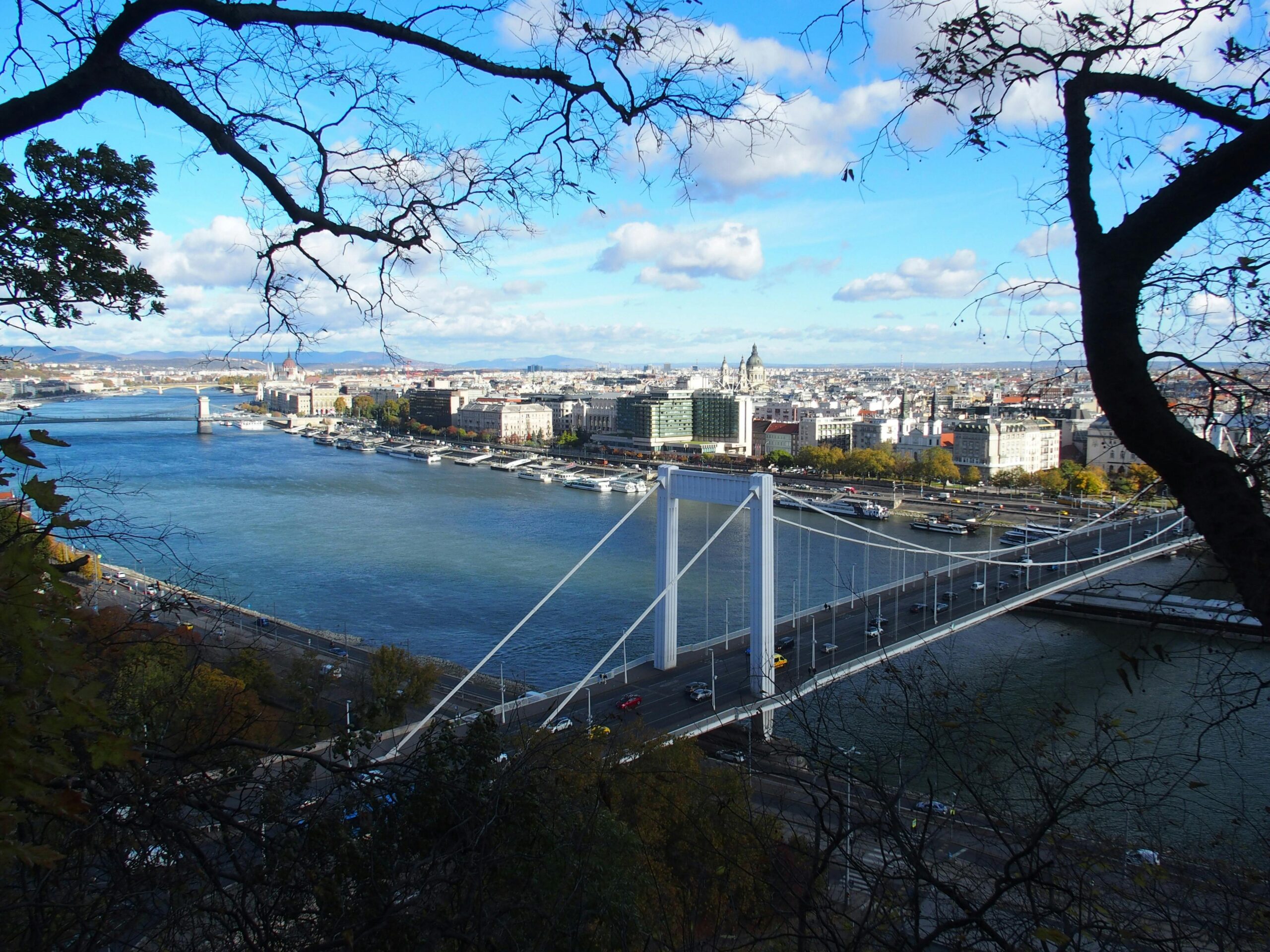
There was a time when autumn—late September through November—was Europe’s secret season. The crowds had dispersed, hotel rates dropped, and travellers enjoyed softer weather, lower stress and better value. But now even that window is filling up. A tide of travellers is arriving outside the summer months, turning the once tranquil “shoulder” into a full-blown peak. The shift carries broad consequences for destinations, travellers and local communities alike.
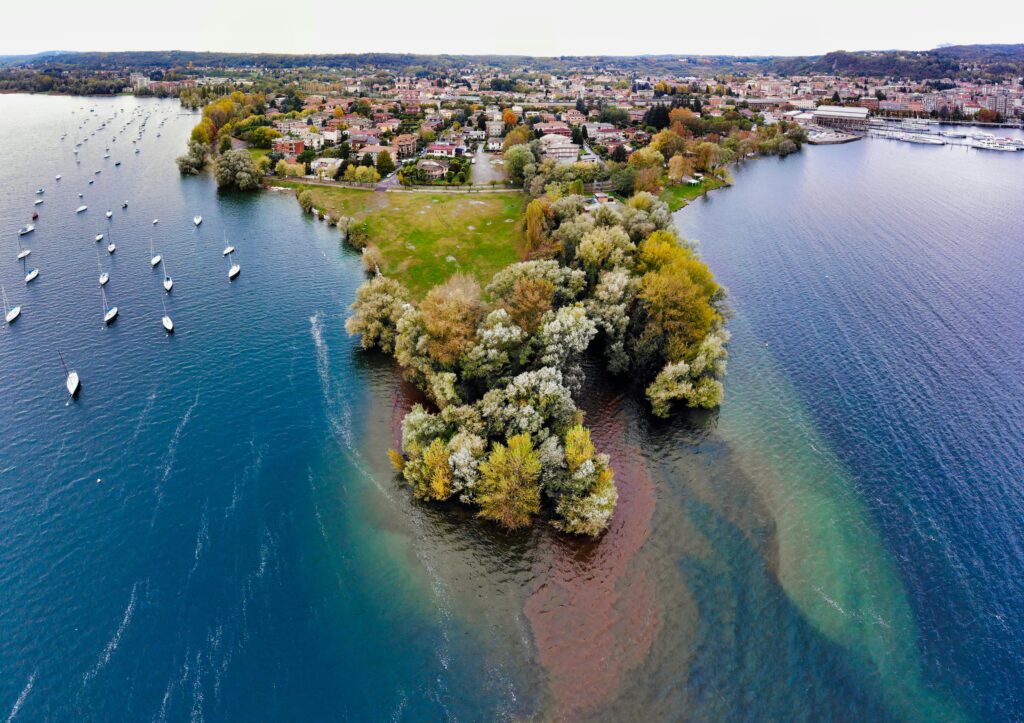
What’s Driving the Shift?
Lower Summer Appeal, Higher Fall Demand
Summer travel in Europe is facing headwinds: extreme heatwaves across southern Europe, overcrowding in iconic hotspots, rising prices for airfare and hotels, and longer queues at attractions. As a result, more travellers are opting for the “shoulder” months. The percentage of Europeans planning a trip in September is nearly as high as those planning one in July or August. This shift means autumn is no longer a quieter alternative—it’s becoming another peak window.
More Disposable Income, More Flexibility
Travellers—especially older age groups and independent travellers—are less constrained by school calendars and more drawn to flexible timing. Combined with better air connectivity and ease of booking, more are taking trips outside the traditional summer rush. For destinations, this means the visitor “shoulder” months are no longer predictable lulls.
Hotter Summers & Climate Pressures
Southern Europe has seen record temperatures in summer, making beach days uncomfortable and prompting more travel in milder autumn months. Autumn still offers mild weather, fewer extreme days and an appealing atmosphere—for many, the trade-off is better.
Over-Tourism Fallout
Cities and regions long plagued by over-tourism in summer (like Venice, Barcelona, and Santorini) are encouraging visitors to come in shoulder months instead. What was once marketed as “quiet season” is now filled with travellers chasing better value and fewer crowds—but ironically generating more density.
The Landscape Today: How Fall Looks Different
- Destinations like Germany, Spain, France, Portugal and Italy are seeing strong travel volumes in autumn, with fewer crowds than midsummer—but the “fewer” is narrowing as more people show up.
- Hotel and airfare pricing is still somewhat lower than peak summer but has tightened. The window for deals in autumn is shrinking.
- Attractions, restaurants and transport services that historically scaled down after summer are having to remain operational or ramp up earlier, adding cost and complexity for local operators.
- For destinations that managed shoulder season as a buffer to summer pressure, this shift means they might need new management plans: more visitor flows to track, infrastructure stress longer in the year, and a fast transition into what used to be “off-peak”.
What the Original Coverage Missed—or Underestimated
- Infrastructure & staffing strain: Autumn expansion means local services must cover longer active periods. Staff shortages or seasonal shutdowns are now a risk because the “shoulder closure” period is shrinking or vanishing.
- Quality vs quantity trade-off: If visitors shift to autumn, the “secret season” advantage (quiet, relaxed mood) fades. Destination marketing that sold autumn as peaceful may need to pivot.
- Resident impacts: Residents assumed they’d get relief after summer; increasingly, they are now facing heavier tourism for more of the year. Local infrastructure, transport, housing and services are under longer pressure.
- Regional inequality: Not all destinations can cope—some smaller towns that relied on the fall lull as a reset are now getting more visitors than expected, possibly without the investment or planning in place.
- Sustainability and environmental carrying capacity: Extending high-volume tourism into more months means ecosystems, historic sites and local services are active longer. The stress on carrying capacity (physical, social, infrastructure) is greater than years past.
- Diversification necessity: Less-crowded destinations may no longer have the same advantage in autumn. They too are filling up. This means travel industry and destination managers may need to push even earlier or later, or adopt more niche targeting.
- Data gap: Many destinations lack real-time monitoring of fall shoulder flows. The assumption that autumn will always be quieter may no longer hold—destinations may need better analytics of off-peak vs shoulder vs peak volumes.
Key Considerations for Stakeholders
- Destination managers should monitor not just summer flows but increasingly strong autumn peaks. They may need to expand staffing, adjust pricing, maintain infrastructure and rethink how they manage visitor satisfaction.
- Travel businesses & hotels should revisit staffing models, pricing strategies, maintenance schedules and marketing focus. The possibility of a longer busy season means fewer months for renovation or downtime.
- Travellers: The window for “quiet” autumn travel is narrowing. Booking earlier, exploring lesser-visited regions, and being flexible on timing will help avoid becoming part of the crowd.
- Communities and residents: Local infrastructure and quality of life must be planned for longer visitor seasons. Engagement and planning become even more critical.
- Sustainability & environment: With more months of high visitor pressure, destinations need to invest in carrying-capacity planning—lowering impact, spreading visitors and monitoring ecosystem or heritage stress.
Frequently Asked Questions (FAQs)
Q1: What months now count as Europe’s “fall shoulder season”?
Typically late September through November (and sometimes early December) are considered the fall shoulder season. But many destinations now experience higher loads during this period, making it closer to a second peak.
Q2: Why is autumn becoming more crowded in Europe?
Because summer travel faces heat, high prices and crowds; travellers shift to more comfortable weather, better value and fewer crowds. At the same time, destinations promote autumn to spread visitor load, so the shift amplifies itself.
Q3: Does this mean prices in autumn are rising?
Yes—while still often cheaper than peak summer, autumn pricing is increasing as demand rises. Last-minute deals are becoming rarer and you may find prices approaching high-season levels in popular places.
Q4: Is travel in autumn still better for fewer crowds?
It depends: Many places still have fewer crowds than midsummer, but the difference is shrinking. For truly quiet travel, you might need to go earlier than late September or off the beaten path.
Q5: What types of destinations benefit from the shift?
Destinations with variable climate—like those in southern Europe—where mild autumn weather is appealing. Also city-break destinations where summer overheating and crowding are high. Remote or less-served areas may still be quieter.
Q6: What should local destinations do differently?
They should plan for longer seasons, maintain infrastructure and services for more months, revisit pricing strategies and prepare for fewer “down” months where they can close for maintenance or reset.
Q7: How might travellers adjust their planning?
Book early, consider destinations that are still under-visited, travel in early shoulder (late August/early September), stay longer rather than cramming a short trip, and be flexible.
Q8: Does this affect sustainability of tourism?
Yes. Longer periods of high visitation stress infrastructure, local communities and natural/cultural resources more persistently. Destinations should incorporate carrying-capacity and visitor-spread planning.
Q9: Will summer remain the top season?
Likely yes for many places—but its dominance is diminishing. Autumn is now closing in, and some destinations will see near-peak levels in fall, effectively managing two busy seasons per year.
Q10: What are the risks for travellers who wait?
You may find higher prices, less availability, more crowds and possibly less “shoulder-season calm.” The value proposition of autumn travel is shifting, so early planning and alternative destinations matter.
In summary: Europe’s autumn is no longer the quiet fallback—it’s fast becoming a busy season in its own right. For destinations, businesses and travellers, the rules are changing. The opportunity remains, but the leeway is shrinking. If you want that tranquil fall escape, acting sooner rather than later—and thinking smart about destination choice—is the smart move.

Sources CNN

