
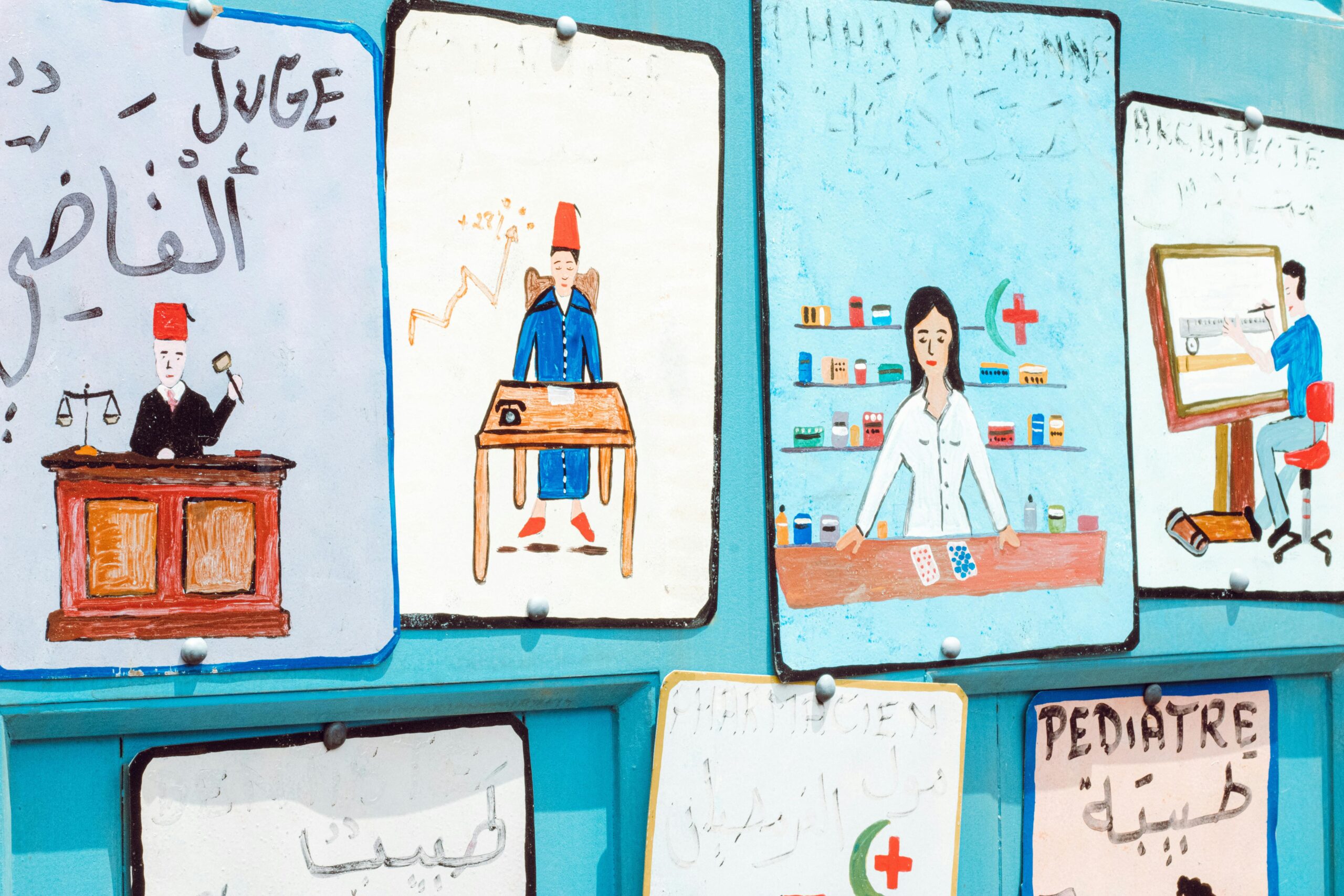
In a recent personal reflection, a parent described how their children happily begin sentences in one language and finish them in another. They worried that school might try to “correct” this joyful linguistic mixing. The author hoped the educators would not shrink that noisy, bilingual world.
This topic—children seamlessly shifting from one language to another in a single conversation—is more than a curiosity. It touches on identity, cognition, schooling, culture, and how societies treat multilingual children. Below is a deeper, enhanced look at what’s really going on, the benefits of such language practices, what educators and parents can do, and what’s at stake when we try to “fix” what is not broken.
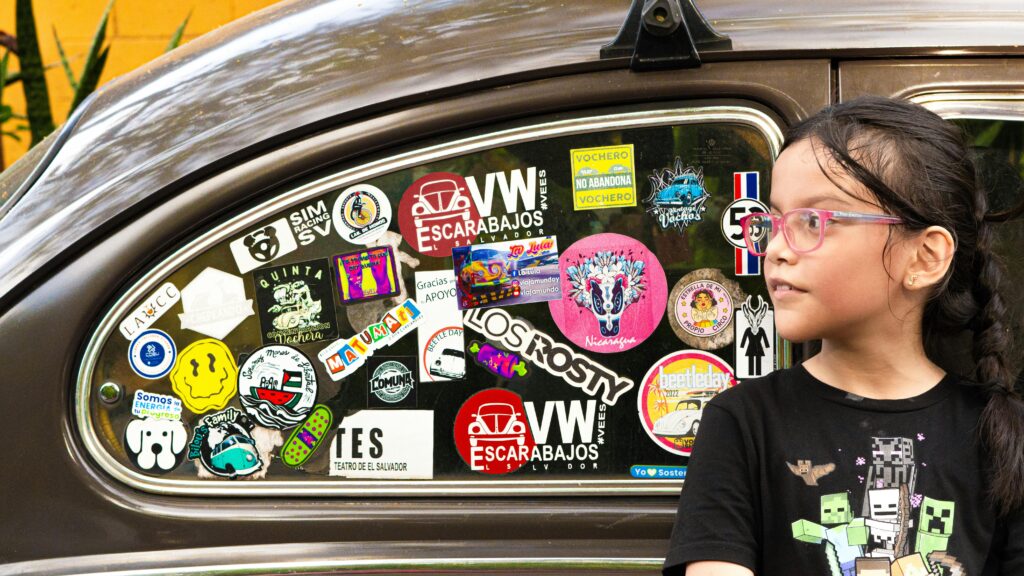
What exactly is going on when kids switch languages mid-sentence?
When children who grow up with more than one language blend elements of both—one word in English, the next clause in Spanish, or starting in Arabic, finishing in English—linguists call this code-switching or code-mixing. It happens for many reasons:
- A child may know a word or phrase in one language and not have an exact equivalent in the other.
- They might literally be thinking in both languages and using the one that comes to mind or the one suited to the idea.
- The social context may invite both languages: if home language is X and school language is Y, children may fluidly move between.
- It reflects cognitive flexibility: their brains are managing two or more systems of grammar, vocabulary, usage.
Research shows that rather than indicating confusion, this mixing often signals linguistic competence in bilingual children. Studies with English–Mandarin children, for example, found that code-switching correlated with higher vocabulary and stronger bilingual skills.
Why is this a good thing—contrary to some assumptions?
- Cognitive benefits: Bilingual children who mix languages tend to develop cognitive flexibility, better switching between tasks, and improved executive control.
- Identity and belonging: Using both languages allows kids to express different parts of their identity: home, community, school, friends. It’s a linguistic acknowledgment of their full selves.
- Language as resource: Rather than treating two languages as a burden, kids view them as a toolkit. They’ll pick whichever word best expresses what they want.
- Cultural preservation: When children keep using home language(s) alongside a mainstream language (often the school language), their heritage stays alive.
- School readiness in both languages: The presence of two languages means children are building robust skills that can serve them academically and socially in multiple settings.
What the original piece noted—and what it didn’t emphasize
The Guardian commentary beautifully demonstrated family life, the children’s mixed-language starts and finishes, and the parent’s worry about school cultures that prefer “one language only”. It noted the parents’ hope that the multilingual joy remains.
But to deepen the discussion, consider:
- How schools handle bilingualism: Many schools still adopt a monolingual mindset, expecting children to “leave home language at the door”. That may put pressure on kids or make home language invisible.
- Training educators: Teachers often lack training on bilingual development, code-switching and translanguaging (the practice of using all linguistic resources fluidly). Without awareness, they may misinterpret mixing as a problem.
- Policy implications: Language policies vary radically. Some places celebrate bilingualism, others push assimilation. That has real effects on children’s confidence and performance.
- Community contexts: Not all bilingual children have equal resources. Language mixing in affluent bilingual homes may look different than in underserved multilingual settings.
- Research nuance: Code-switching is not universal or identical. Its patterns depend on language pair, social norms, individual exposure, age, context.
- School vs home language dynamics: Children may mix languages comfortably at home but face settings (peer groups, school) where mixing is discouraged—this tension affects language development and identity.
What teachers and parents can do to foster this multilingual joy
- Validate both languages: Recognize that choice of words from both languages is normal, valuable.
- Create spaces for mixing: Let children express fully—even if sentences jump between languages—and then help refine or expand in each language if needed.
- Provide rich input: At home and in school, offer books, songs, conversations in both/all languages so children build strong foundations.
- Educate educators: Provide training on bilingualism, code-switching, translanguaging so mixing isn’t seen as a deficit.
- Balance language exposure: Encourage contexts for both languages—home, community, school, friendships.
- Watch the pressure: Avoid pushing children to abandon one language. Respect their linguistic world.
- Use mixing as a bridge: When children mix, parents/teachers can respond by reformulating the sentence in one language or the other, modelling each language without shutting down the child’s version.
Frequently Asked Questions
Q1: Should I worry if my child mixes languages in a sentence?
No. If your child is growing comfortably in both languages, mixing is typically a sign of competence—not confusion. Studies show bilingual children with code-switching often have strong language skills.
Q2: Does mixing mean the child is lazy or avoiding one language?
No. Mixing isn’t laziness—it’s strategic. A child may pick whichever word they know best in the moment. With more exposure and vocabulary in both languages, mixing often decreases naturally.
Q3: Will mixing hurt their skills in either language?
Not if they have adequate exposure and support. What matters is strong input and meaningful use in each language. Over time, children learn to compartmentalize when needed (school vs home) but use all resources when comfortable.
Q4: How should schools respond to mixed-language speech?
Schools should recognise it as normal in bilingual contexts. Teachers might repeat a child’s mixed sentence in one language or gently model full sentences in both. Avoid punishing or institutionalising monolingual-only norms.
Q5: When should I seek expert help?
If by around age 4–5 your child is significantly behind peers in both languages, struggles with understanding basic sentences in each, or shows little progress in either language, you may consult a speech-language therapist familiar with bilingual development.
Q6: Is code-switching the same as mixing?
They overlap. Code-switching often refers to alternating languages in meaningful ways (e.g., start in English, end in Spanish). Code-mixing may involve blending elements within a sentence. Both are normal in bilingual speech.
Q7: How can I strengthen both languages at home?
Set routines like: one parent/one language, specific times for each language, rich media (books, songs) in each, interactions with speakers of each language. Encourage full use of each language in varied settings.
Q8: Will the school expect only one language?
It depends on the school and region. Some schools welcome multilingual backgrounds, others implicitly expect monolingual norms. Good communication between parents and teachers helps clarify expectations and advocate for bilingual-friendly practices.
Q9: Can mixing change into full proficiency in each language?
Yes. Many bilingual children start mixing early, then gradually separate languages when context demands (e.g., speaking only one language with monolingual friends). With time and support, high proficiency in each language is absolutely possible.
Final Thoughts
If your child begins a sentence in one language and ends in another—rejoice, don’t worry. That mixing is a signal of a rich, dynamic linguistic world they’re building. It’s a world of culture, identity, adaptability and brain agility.
Rather than trying to shrink that noisy, joyous multilingual space, we should honour it. Encourage the languages, support mixing when it happens, and provide avenues for each language to shine in its own right.
When children feel their full linguistic selves are valued—in home, school and society—they thrive not just in communication, but in identity, confidence and cognitive strength. And that is worth celebrating.

Sources The Guardian

