
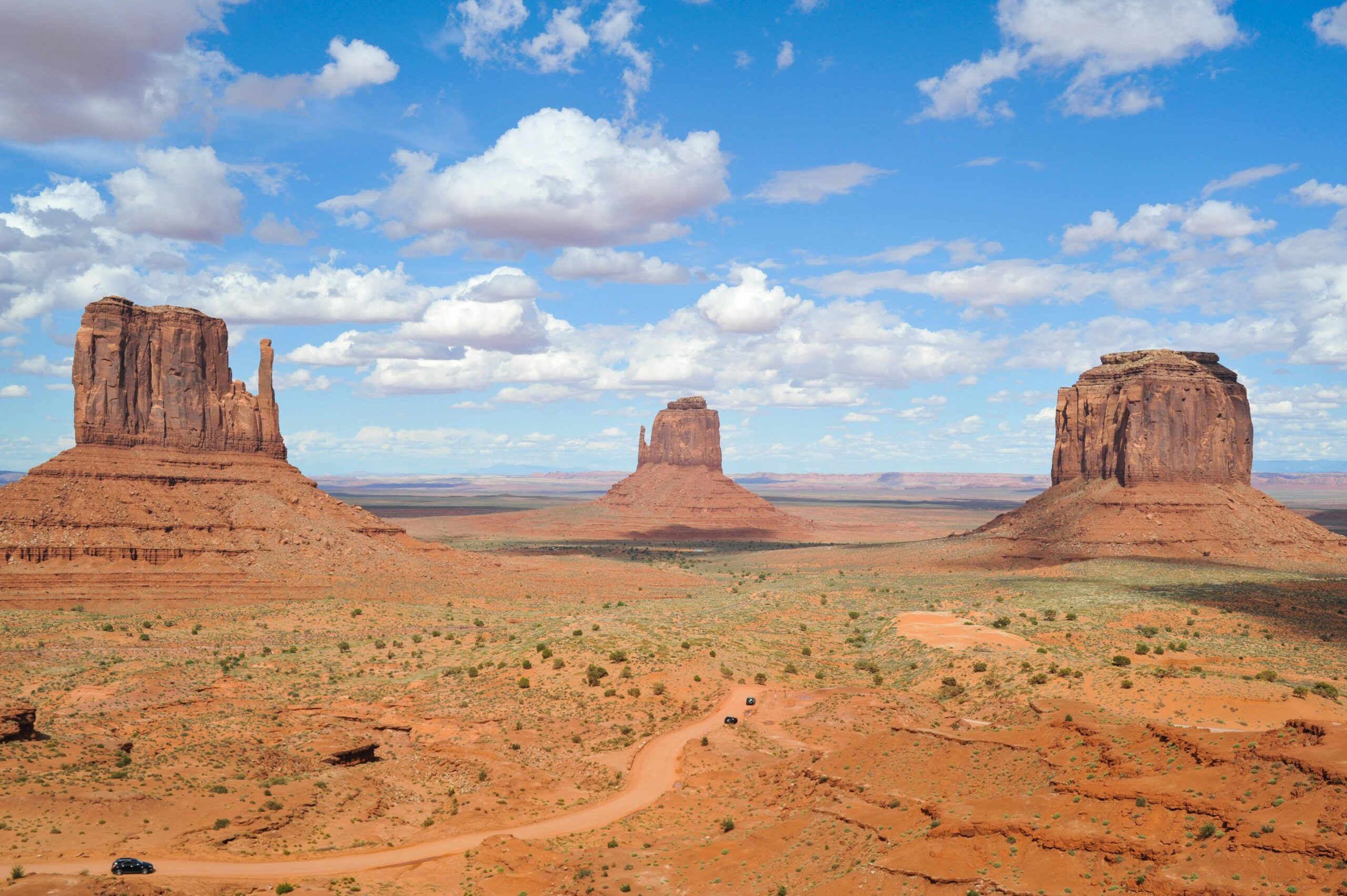
Monument Valley—one of the most recognizable landscapes on Earth—has long symbolized the American West. Towering sandstone buttes, cobalt skies, crimson mesas, and vast silent deserts have appeared in films, art, photography, and travel brochures for nearly a century. Yet despite global fame, many Navajo-run tours are operating at only partial capacity, even during peak travel months.
This contradiction—iconic scenery and low visitor turnout—reveals a deeper, more complicated story about tourism on Navajo Nation land. Factors include new visitor expectations, economic shifts, tribal sovereignty, infrastructure challenges, and the long-term effects of pandemic-era closures. The story is not simply about “fewer tourists.” It is about cultural preservation, community-led tourism, and a changing relationship between visitors and Indigenous lands.
Below is a more complete picture beyond the initial reporting, including the broader context, unseen impacts, and future trajectory for Navajo tourism.
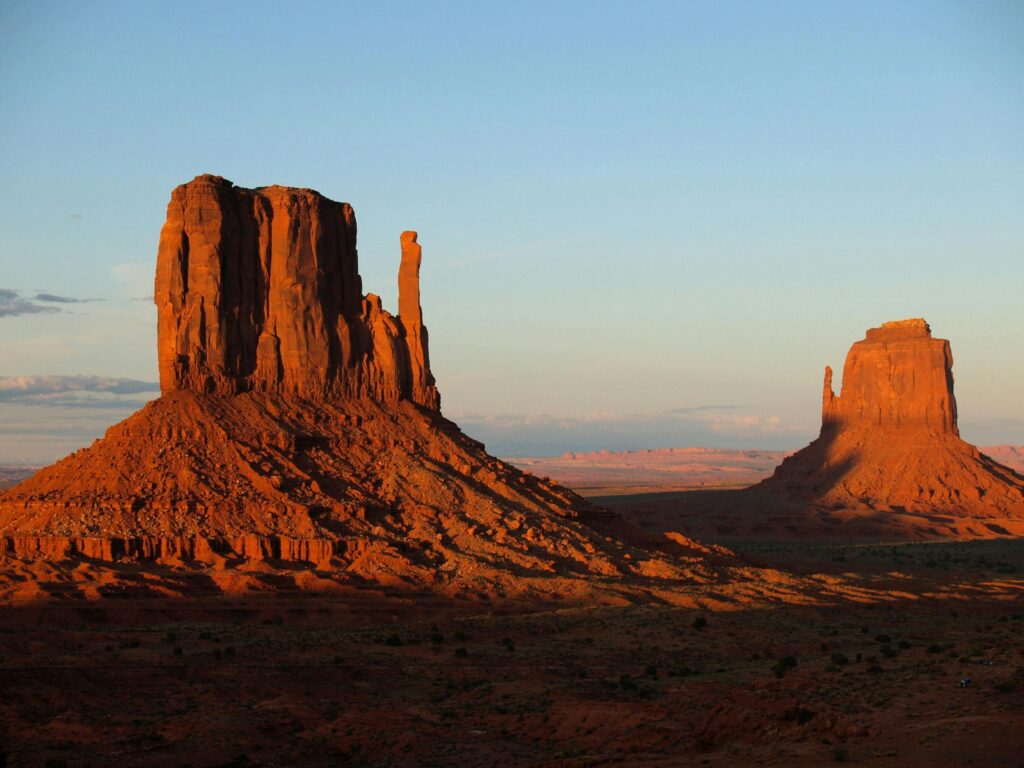
1. Why Monument Valley Tours Are Half-Empty
Even with strong interest in road trips, national parks, and outdoor travel, Navajo tour operators report reduced bookings. Several key factors are driving the decline.
A. Tourist Habits Have Shifted
Many travelers now:
- prefer self-guided experiences
- rely on Google Maps rather than local tour guides
- prioritize social media “photo stops” instead of longer cultural tours
This shift directly hurts Navajo-owned tour companies, who rely on guided fees for income.
B. Pandemic Closures Changed Visitor Patterns
Navajo Nation had some of the strictest pandemic restrictions in the U.S.
Monument Valley was closed far longer than many nearby parks. When it finally reopened, visitor momentum did not immediately return.
C. The Rise of Short-Term, Drive-Through Tourism
Visitors increasingly spend 30–60 minutes taking photos from overlooks, rather than investing in half-day or full-day excursions that support local families.
D. Competition With Other Destinations
Utah’s “Mighty Five” national parks—Arches, Canyonlands, Zion, Bryce, Capitol Reef—have been aggressively marketed. Monument Valley is often tacked on as an optional add-on rather than a main destination.
E. Limited Lodging and Infrastructure
The surrounding area has:
- minimal hotels
- limited restaurants
- few evening activities
- long driving distances
Without amenities, many tourists do not stay long enough to book multiple experiences.
2. Why Monument Valley Matters: More Than Just Scenery
Monument Valley is part of the Navajo Nation—not a U.S. national park. This distinction shapes everything about how the land is managed.
A. It Is a Living Homeland
Unlike national parks, Navajo residents live, herd livestock, raise families, and conduct ceremonies throughout the valley.
B. Tourism Revenue Supports Local Families
Guides are often small, family-run operations. Every tour directly supports:
- elders
- artisans
- ranchers
- young people seeking work close to home
C. Cultural Interpretation Matters
Guided tours offer:
- Diné (Navajo) creation stories
- historical context
- explanation of landscapes considered sacred
- cultural protocol visitors cannot learn on their own
This cultural richness is often invisible to visitors who only stop for photos.
3. What Most Reports Didn’t Mention
To create a fuller understanding, here are additional dimensions that often go unreported.
A. Guides Aren’t Just Tour Leaders—they Are Cultural Protectors
Guides ensure visitors don’t:
- trespass on restricted areas
- photograph sacred sites
- disturb grazing animals
- damage fragile desert surfaces
Their presence protects the land as much as it informs visitors.
B. Infrastructure Funding Is Limited
Since Monument Valley is not federally controlled:
- improvements rely on tribal budgets
- federal funds do not automatically flow
- road paving, visitor centers, and restrooms are costly
- broadband and cell coverage remain inconsistent
Lack of infrastructure restricts tourism growth.
C. Younger Navajo Are Choosing Other Jobs
Tour guiding is seasonal and unstable. Younger residents often choose:
- construction
- energy sector work
- hospitality jobs in nearby towns
- remote digital work if internet permits
This leads to fewer available guides and less cultural continuity.
D. Climate Change Is Intensifying Conditions
Record heat, dust storms, and unpredictable rains affect:
- trail access
- road quality
- livestock
- comfort levels for tourists
- safety for guides
Extreme weather has already forced several temporary closures.
E. Cultural Fatigue and Community Impact
Some families living near tourist hotspots experience:
- noise
- dust
- traffic
- unpermitted visitors near homes
- drone intrusions
Communities seek tourism that respects cultural space, not overwhelms it.
4. The Future of Monument Valley Tourism
1. Sustainable Tourism Models
Navajo leaders are exploring:
- capped visitor numbers
- environmentally friendly shuttle systems
- new interpretive centers
- expanded artisan markets
- cultural tourism training programs
2. Technology Integration
Potential tools include:
- mobile apps for Navajo language phrases
- AR-guided storytelling
- dynamic visitor day passes
- online booking systems for all tours
3. Higher-Value, Smaller-Group Tourism
Instead of mass tourism, a shift toward:
- premium cultural experiences
- photography workshops
- stargazing tours
- Navajo cooking or craft sessions
- storytelling nights with local elders
4. Stronger Collaboration With Outside Agencies
Partnerships with:
- the National Park Service
- film industry organizations
- tourism boards
- universities
could support training, funding, and shared oversight.
Frequently Asked Questions
Q1: Why are tours at Monument Valley less crowded now?
Visitor habits have shifted toward short, self-guided photography stops rather than guided cultural tours. The pandemic also changed long-term tourism patterns.
Q2: Why do visitors need a Navajo guide?
Guides provide cultural knowledge, protect sacred areas, and offer access to parts of the valley closed to unaccompanied visitors.
Q3: Is Monument Valley a national park?
No. It is a tribally managed park within the Navajo Nation, with its own rules, fees, and governance.
Q4: Do tour fees support local communities?
Yes. Most tour companies are family-run, and revenue goes directly to Navajo households.
Q5: How long do visitors typically spend in Monument Valley?
Many stay only 1–2 hours. Guided tours encourage longer visits that support local economies.
Q6: What is the biggest challenge for Navajo tourism?
Infrastructure limitations, climate pressures, staffing shortages, and heavy reliance on seasonal visitors.
Q7: Are visitors allowed to explore on their own?
Some viewpoints are accessible without guides, but most inner-valley routes require Navajo-guided tours.
Q8: Is the area safe to visit?
Yes. But conditions can be rough—dust, heat, and unpaved roads require caution.
Q9: What improves the experience the most?
Booking a Navajo-guided tour. It provides cultural depth and access to restricted areas visitors cannot see on their own.
Final Thoughts
Monument Valley remains one of the world’s great landscapes—but the story behind its half-empty tours reveals a deeper truth. Tourism here is not only about sightseeing; it is about respecting a living culture, supporting family livelihoods, and ensuring that sacred land remains protected for future generations.
The future of this place depends on thoughtful, culturally grounded tourism—one that honors both the land and the people who have called it home since time immemorial.
Sources The New York Times

