
U.S. national parks are preparing to implement steep new fee increases for international tourists, marking one of the most controversial policy shifts in the park system’s recent history. Marketed as an “America-first” measure designed to protect domestic families and boost park funding, the policy introduces a two-tier pricing system that charges foreign visitors significantly more than U.S. citizens.
While the announcement has sparked immediate global reaction, the full impact of this decision reaches far deeper than entrance fees. It touches international diplomacy, rural economies, conservation funding, and the long-term identity of the National Park Service (NPS).
This expanded analysis examines the motivations behind the policy, what early reporting hasn’t covered, and the long-term implications for tourism, conservation, and America’s global reputation.
1. What the New Policy Does
The new fee structure creates separate pricing categories for:
- Domestic visitors
- Foreign tourists
- Annual passes for non-citizens
- Premium parks and high-demand attractions
While exact numbers vary by park, many analysts expect foreign visitor fees to rise 30% to 100%, especially at high-profile destinations like:
- Grand Canyon
- Yosemite
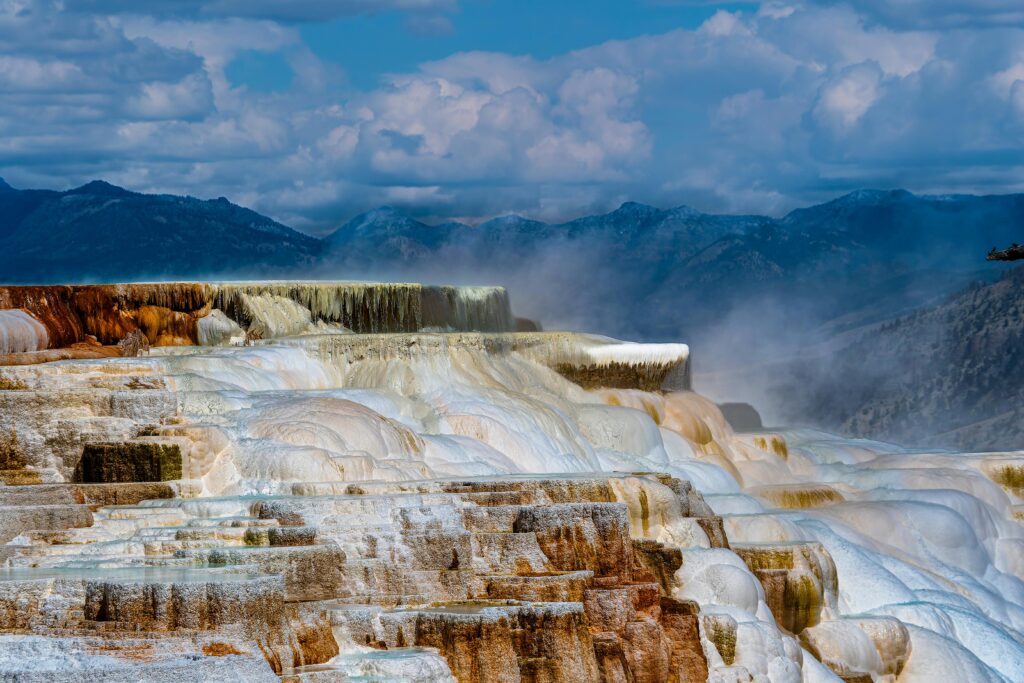
- Yellowstone
- Zion
- Glacier
- Acadia
In some parks, the increase may apply year-round; in others, it may be tied to peak seasons.
2. The Administration’s Justification
Officials promote the fee increases under several talking points:
A. Protecting American Families
By keeping domestic rates stable, the government claims it is making parks more affordable for citizens.
B. Revenue for Conservation
The NPS faces billions in deferred maintenance — broken campgrounds, deteriorating trails, outdated wastewater systems, and road damage.
C. Surging Visitor Numbers
Crowds have strained fragile ecosystems and staff resources. International tourism has grown sharply post-pandemic.
D. Global Norms
Many countries charge foreigners higher rates at natural attractions — sometimes dramatically higher.
But the reality is more complex.
3. What’s Actually Driving the Policy
Behind the political messaging lies a mix of financial, strategic, and ideological motivations:
1. Budget Pressures
Congressional funding has not kept pace with NPS needs. Fee revenue helps fill critical gaps.
2. “America-first” political branding
Differential pricing is an easy political win that impacts non-voters.
3. Record International Tourism
The U.S. is recovering its position as a global tourism magnet; parks are top of the list.
4. Push for “User Pays” Systems
The government wants visitors — not taxpayers — to fund infrastructure improvements.
5. Influence from International Tourism Models
Countries like Costa Rica, Thailand, Kenya, and Egypt have long used multi-tier pricing.
4. What the Initial News Reports Did NOT Fully Cover
A. Local Economies Could See Real Harm
Gateway communities — small towns surrounding national parks — rely heavily on international tourism.
A reduction of even 5–10% in foreign visitors could significantly impact:
- restaurants
- hotels
- tour operators
- transport services
- outfitters & outdoor stores
These communities don’t have the economic cushion of big cities.
B. The Policy Risks Retaliatory Pricing Abroad
Other nations could raise entry fees for American visitors, sparking a global fee escalation.
C. National Parks Are a Key Soft-Power Tool
Foreign visitors leave with emotional, lasting impressions of the U.S.
Higher fees may reduce the number of people experiencing America’s natural heritage firsthand.
D. Implementation Could Be Messy
Determining citizenship at:
- entrance booths
- online ticket systems
- reservation portals
raises legal, logistical, and privacy questions.
E. The Price Hike Might Not Address Overcrowding
Most international visitors spend thousands on flights and hotels.
An extra $20–50 is unlikely to reduce demand at top parks.
Crowding is expected to remain a problem or even worsen if domestic tourism continues rising.
F. Equity Concerns for Immigrants and Mixed-Status Families
Families with non-citizen parents or visiting relatives could face complicated or unfair price structures.
G. Climate Change Stress Is Driving Costs Up
Wildfire damage, flooding, trail erosion, and heat waves require more staff and disaster response — another factor pushing fee increases.
5. Potential Benefits of the Policy
Despite concerns, there are genuine advantages:
1. More Money for Park Maintenance
Even modest increases in revenue can fund trail improvements, ranger staffing, wildlife monitoring, and better visitor services.
2. Improved Visitor Experience
Cleaner facilities, safer roads, and more educational programming benefit everyone.
3. Incentivizing Off-Peak Travel
Higher peak-season fees could reduce strain during busy months.
6. Potential Downsides and Long-Term Risks
1. Reduced Global Goodwill
Foreign visitors contribute to America’s global image. Pricing them out sends an exclusionary message.
2. Damage to Rural Economies
International travelers often spend more than domestic tourists — losing them would hurt towns already struggling with seasonal volatility.
3. Administrative Complexity
Differential pricing introduces paperwork, verification, and enforcement challenges.
4. Future revenue dependency
Once the park system relies heavily on foreign fees, pressure to continuously raise them could accelerate.
5. Segmentation of Public Lands
This move could open the door to further fee stratification — even for Americans someday.
7. What This Means for the Future of U.S. National Parks
This policy represents a turning point.
National parks have historically been democratic spaces: open to everyone, regardless of origin or wealth.
The introduction of a pricing divide signals a shift toward a more commercial, international-tourism-driven model — one that raises questions about the identity and mission of the park system.
The challenge ahead will be finding a balance between:
- financial sustainability
- environmental protection
- economic fairness
- global openness
America’s parks are universal wonders. Ensuring they remain accessible while protecting them for future generations will require more than price hikes — it will require thoughtful, long-term policy planning.
Frequently Asked Questions
Q1: Why are fees increasing for foreign visitors?
To raise revenue for maintenance while keeping costs stable for U.S. citizens — framed as an “America-first” policy.
Q2: How much more will foreign tourists pay?
Estimates range from 30% to 100% increases, depending on the park and season.
Q3: Will domestic visitors be affected?
Not significantly in the short term. Domestic rates may rise slowly, but the biggest increases target foreigners.
Q4: Does this help with overcrowding?
Experts say no — most international trips are pre-planned and high-budget, so higher fees don’t deter demand.
Q5: Will gateway towns lose business?
Possibly. These communities rely on international tourists, who spend more on food, lodging, and tours.
Q6: Do other countries charge foreigners more?
Yes — dozens do, but the U.S. has historically maintained equal access as a value-based policy.
Q7: Could this impact international relations?
Yes. Some countries might introduce reciprocal pricing for American tourists.
Q8: When will the new fees go into effect?
Implementation will likely be phased in over the next year.
Q9: Where will the extra money go?
To park maintenance, infrastructure upgrades, staffing, and conservation efforts.
Final Thoughts
The fee hikes for foreign visitors reflect a major shift in how America funds and manages its natural treasures. While the policy may bring much-needed revenue, it also risks undermining the spirit of openness and global connection that national parks represent.
Preserving these landscapes requires investment — but also vision. How the U.S. balances those priorities will define the next era of its national park system.
Sources CNN

