
San Diego has long been one of California’s most reliable tourism engines, drawing millions each year with its beaches, mild climate, vibrant neighborhoods, theme parks, craft beer scene, and world-class cultural attractions. But for the first time in years, the city’s hotel sector is reporting a noticeable downturn: occupancy is falling, bookings are softening, and key tourism indicators are flashing warning signs.
While the original reporting highlights the slowdown in visitor numbers and the concerns among hotel operators, the full picture is more complex. A combination of economic pressures, shifting traveler behavior, global competition, and local policy dynamics is reshaping San Diego’s tourism landscape — and the ripple effects could be felt for years.
This expanded article explores the deeper causes behind the decline, the stakes for the city, and strategies San Diego may need to adopt to stay competitive in an evolving travel economy.

1. The Slowdown: What Hotels Are Seeing
Hotel managers across San Diego report:
- lower occupancy rates, even during months traditionally considered busy
- reduced advance bookings, suggesting weakened long-term demand
- shorter stays among domestic travelers
- a drop in international visitors compared with pre-pandemic averages
- higher cancellation rates tied to economic uncertainty
- softness in convention and corporate travel
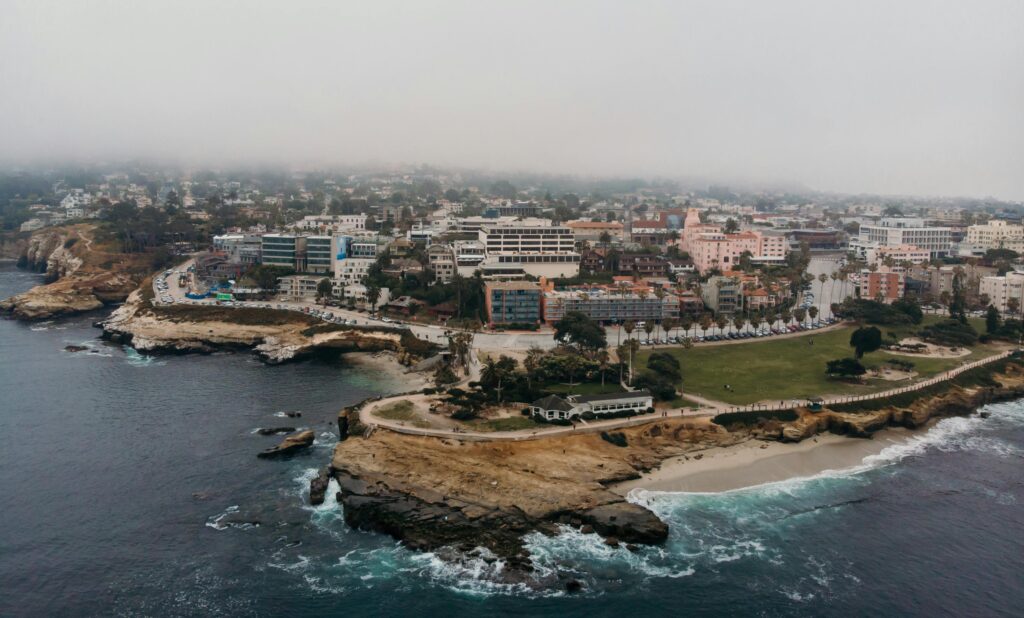
Even popular coastal neighborhoods — Mission Bay, La Jolla, Pacific Beach — are seeing modest dips, which is unusual for a region with year-round tourism demand.
2. What’s Causing San Diego’s Tourism Decline?
San Diego’s slowdown isn’t due to a single factor. Instead, it’s a convergence of challenges that are reshaping travel across the U.S.
A. Higher Travel Costs Are Making Visitors More Selective
Airfare, rental cars, resort fees, and dining costs have risen sharply in the last two years. San Diego, already considered a relatively expensive destination, is now losing price-sensitive travelers to:
- Las Vegas
- Phoenix
- Mexico’s Pacific Coast
- Florida beach cities
- Low-cost international destinations
Families in particular are cutting back or choosing cheaper alternatives.
B. Fewer International Visitors
Several factors are impacting global tourism:
- long visa wait times
- strong U.S. dollar
- competition from more affordable destinations
- reduced long-haul travel from Asia
- slower recovery in European outbound travel
San Diego relies more on international travel than many assume — especially from Canada, Mexico, the UK, and Japan.
C. Shifts in Traveler Preferences
Today’s travelers are:
- taking more short regional road trips instead of week-long vacations
- favoring rural and nature-focused escapes over city stays
- choosing Airbnbs or vacation rentals over hotels
- seeking “experiences-first” destinations with lower price barriers
San Diego competes directly with cheaper coastal and desert destinations that satisfy these preferences.
D. Convention & Business Travel Has Not Recovered Fully
San Diego’s convention center is vital to its tourism economy. But:
- corporate travel budgets remain tight
- hybrid conferences reduce hotel demand
- major conventions have not yet returned to pre-pandemic levels
- business travelers are staying fewer nights
This impacts downtown hotels the most.
E. Local Policies and Rising Operating Costs
Hotels face rising costs from:
- labor agreements
- insurance rate increases
- property taxes
- energy expenses
- staffing shortages
Some operators argue this limits their ability to competitively price rooms.
F. Increased Domestic Competition
Cities like Nashville, Austin, Denver, and Portland have aggressively expanded their tourism branding, nightlife offerings, and event calendars. Regions like Orange County and Los Angeles also compete heavily for Southern California travel dollars.
San Diego’s offerings remain strong — but less distinctive than before.

3. A Quiet but Important Factor: Perception Gaps
While San Diego remains one of America’s safest major cities, some visitors perceive:
- rising homelessness
- public safety concerns downtown
- reduced cleanliness in tourist zones
These issues can affect traveler decisions — even if the concerns don’t reflect the overall visitor experience.
4. The Ripple Effects on the Local Economy
Tourism is one of San Diego’s largest industries. A sustained downturn could impact:
- hotel workers
- restaurants
- attractions (SeaWorld, San Diego Zoo, Balboa Park museums)
- transportation companies
- retail stores in visitor hubs
- convention center jobs
- tax revenue for city services
Tourism dollars ripple through nearly every sector of the region’s economy.
5. What the Original Reporting Didn’t Fully Cover
To give a more complete picture, here are additional elements crucial to understanding the slowdown.
A. The Tijuana–San Diego Cross-Border Relationship
San Diego’s tourism is closely linked to cross-border travel and economic activity. Changes in U.S.–Mexico travel rules, exchange rates, and border wait times can greatly influence visitor numbers.
B. Climate & Seasonal Shifts
Extreme weather in other parts of the U.S. has historically boosted San Diego winter tourism. But with climate anomalies now unpredictable, the region can’t rely on seasonal surges as strongly.
C. Local Tourism Branding Needs Updating
San Diego has not conducted a major global brand refresh in over a decade. Competing cities invest heavily in modern-style marketing, influencer strategy, and content creation — areas where San Diego is trailing.
D. Hotel Room Supply Has Increased
New hotel openings downtown and along the waterfront have increased room supply, making occupancy percentages appear weaker even if absolute visitor numbers remain stable.
E. The Cruise Industry Factor
San Diego is growing as a West Coast cruise hub. However:
- cruise passengers often don’t book hotels
- they contribute less per-visit than overnight tourists
- they compress occupancy data, making downturns appear more dramatic
6. What San Diego Needs to Do Next
Experts suggest several strategies to reverse the trend:
1. Reinvest aggressively in tourism marketing
Especially internationally and in high-value markets like Europe, Japan, and Canada.
2. Expand major cultural events and festivals
New anchor events could draw national attention and overnight stays.
3. Improve downtown experience
Cleanliness, walkability, nightlife, and safety perception are critical for visitors.
4. Strengthen regional transportation
Better connectivity to attractions beyond the urban core.
5. Promote off-peak and niche travel segments
Eco-tourism, food tourism, sports tourism, LGBTQ+ tourism, and wellness travel.
6. Support the hospitality workforce
Better staffing ensures high visitor satisfaction, which drives repeat tourism.
Frequently Asked Questions
Q1: Why is tourism slowing down in San Diego?
A mix of high travel costs, shifts in visitor behavior, fewer international travelers, and increased competition.
Q2: Are hotels the only ones affected?
No. Restaurants, attractions, local shops, transportation services, and the convention economy also feel the impact.
Q3: Is San Diego becoming too expensive for travelers?
For some segments — yes. Costs for lodging, dining, and attractions have risen significantly.
Q4: What about international tourism?
It remains below pre-pandemic levels, especially from Asia and Europe, contributing to softer occupancy rates.
Q5: Are safety or homelessness concerns driving the decline?
Perception plays a role, especially for downtown hotels, though it’s not the sole driver.
Q6: Will this downturn last?
It’s unclear. Some analysts believe it’s temporary; others see a longer-term shift in how travelers choose destinations.
Q7: What can San Diego do to bounce back?
Invest in branding, improve visitor experience, diversify tourism offerings, and strengthen international outreach.
Final Thoughts
San Diego remains one of America’s most appealing destinations — but tourism is changing, and the region must evolve with it.
The slowdown in hotel occupancy is not just a warning sign; it is a call to action.
With smart strategy, investment, and community engagement, San Diego can reinvent its tourism identity and emerge stronger.
But ignoring the signs could lead to long-term challenges for one of the city’s most important economic pillars.
Sources The San Diego Union-Tribune

