
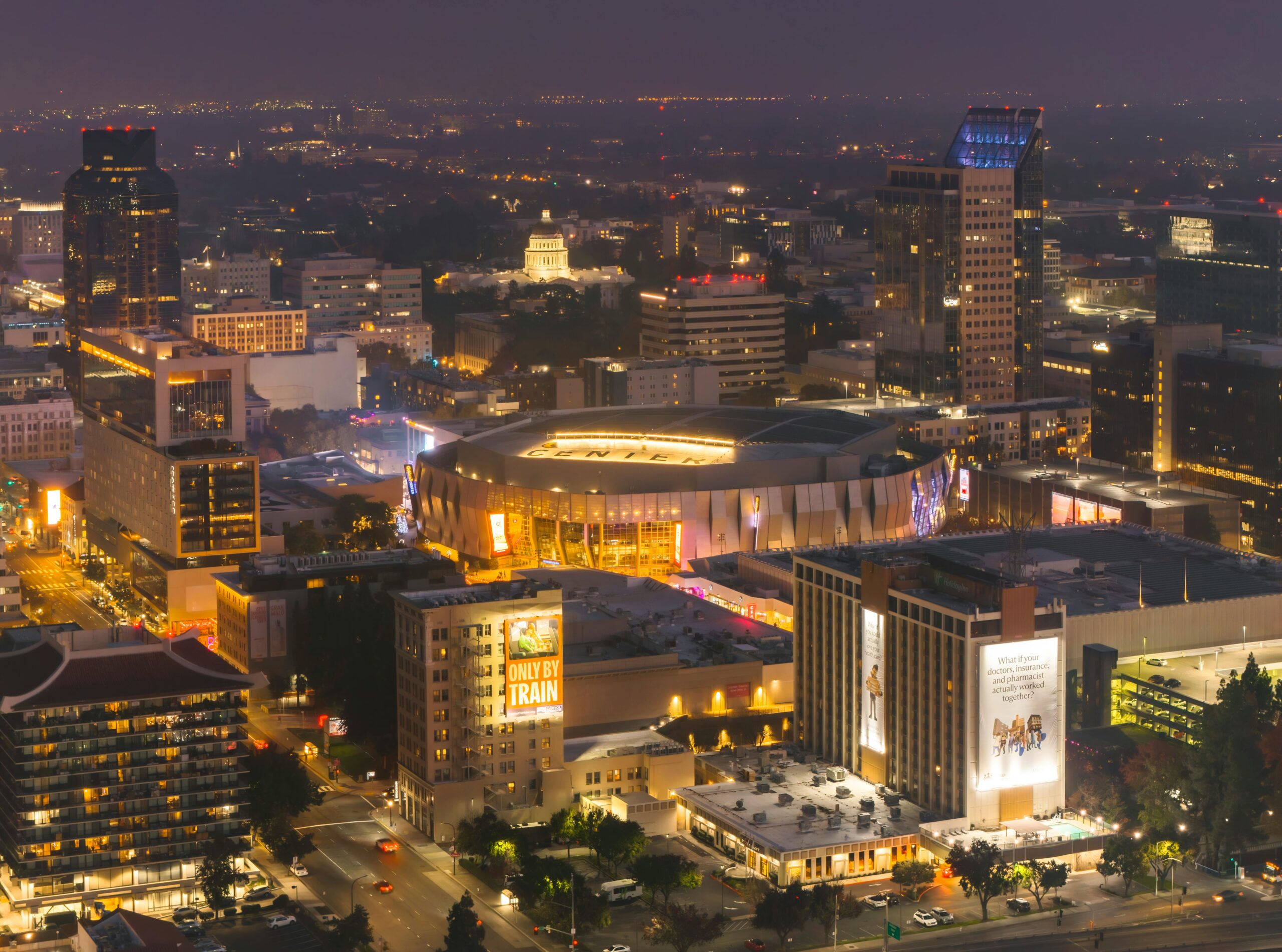
A new wave of hotels is set to open across the United States in 2026, and industry insiders are calling it one of the most exciting lineups in years. From ultra-luxury resorts to eco-retreats, adaptive-reuse urban landmarks, and next-gen experience-driven stays, the 2026 roster reflects seismic shifts in how Americans travel — and what modern guests expect from hospitality brands.
While the original list highlights ten standout properties, the full story goes deeper. These openings aren’t just new places to sleep; they represent broader trends shaping design, sustainability, technology, wellness, and the evolving role of hotels as cultural and social anchors.
This expanded guide features not only the anticipated hotels themselves but also the context, innovations, and travel trends behind them — offering a richer, more detailed look at what’s coming in 2026.
1. The 2026 U.S. Hotel Scene: A Snapshot of What’s Coming
Here’s an expanded look at some of the most anticipated openings, including added context on design, technology, and travel trends the original article did not fully explain.
1. The Wynn Al Mar, Las Vegas, Nevada
A next-generation luxury tower blending lavish design with wellness infrastructure, featuring AI-enhanced guest services, immersive spa experiences, and sustainability improvements that respond to Vegas’s water-usage concerns.
2. The Aman Beverly Hills, Los Angeles, California
Aman’s first West Coast urban property combines Californian indoor–outdoor architecture with ultraprivate suites, a holistic wellness clinic, and a members-only social club — a model reshaping luxury hospitality worldwide.
3. Rosewood The Laguna, Orange County, California
Set on the Southern California coast, this resort blends modern luxury with beach-town atmosphere, offering curated culinary programs, family-friendly amenities, and a design ethos inspired by Laguna’s artistic roots.
4. Four Seasons New Orleans River District, Louisiana
Expanding New Orleans’ skyline, this ultra-luxury property will fuse Crescent-City heritage with modern design, featuring riverfront dining, jazz-inspired lounges, and cultural programming developed with local artists.
5. The Standard, Miami Wynwood
Located in Miami’s trend-setting arts district, this hotel embraces bold, youthful design, social-club energy, DJ programming, and co-working spaces — reflecting how hotels now double as lifestyle hubs.
6. Enchantment Resort Sedona Expansion, Arizona
A dramatic new wellness wing carved into Sedona’s iconic red-rock landscape, offering desert immersion, stargazing decks, and next-level spa rituals blending Indigenous traditions with modern holistic practices.
7. Montage Big Sky, Montana
A mountain-luxury property providing high-end skiing, wildlife excursions, and summer alpine adventure — tapping into the boom in nature-driven domestic travel.
8. The Archer Nashville Expansion, Tennessee
A boutique hotel rooted in Nashville’s storytelling culture, offering live performances, local-chef partnerships, and design inspired by Tennessee’s musical heritage.
9. The Conrad Seattle Waterfront, Washington
Overlooking Elliott Bay, this hotel blends Pacific Northwest minimalism with maritime themes, plus eco-conscious operations that reflect Seattle’s sustainability standards.
10. Virgin Hotels Austin, Texas
A playful, tech-forward property geared toward digital-native travelers, featuring app-controlled rooms, modular furniture, and dynamic nightlife programs.
2. Major Travel Trends These Hotels Reflect
A. Experience-First Hospitality
Hotels are no longer just accommodations — they’re destinations, entertainment hubs, and wellness sanctuaries.
B. Sustainability as a Differentiator
Guests are rewarding hotels that prioritize:
- renewable energy
- water reduction
- carbon transparency
- sustainable construction
Eco-retreats and green-certified hotels are on the rise.
C. Tech-Integrated Stays
From mobile check-in to AI concierges and smart-room personalization, hotels are adopting technology at unprecedented speed.
D. Wellness Tourism Continues to Explode
Salt therapies, sound baths, cryotherapy, and even onsite medical diagnostics are becoming standard in luxury hotels.
E. The Rise of “Urban Resorts”
Cities are adopting resort-like amenities — rooftop pools, spa floors, curated cultural programs — as travelers expect leisure even on business trips.
F. The Return of Adaptive Reuse
Historic hospitals, factories, and office buildings are being converted into boutique hotels, preserving culture while reducing environmental impact.
3. What the Original Reporting Missed: Deeper Industry Dynamics
1. Growth in Domestic Leisure Travel
Americans are taking more regional trips and long weekends, boosting demand for boutique hotels outside traditional hotspots.
2. Labor Market Transformation
Hotels opening in 2026 will confront ongoing labor shortages, driving automation and higher wages.
3. Strong Demand for Mission-Driven Brands
Guests increasingly choose hotels that align with their values — sustainability, local engagement, or cultural preservation.
4. New Revenue Models Are Emerging
Membership clubs, co-working subscriptions, branded residences, and day-use wellness passes are becoming core revenue sources.
5. The Revival of All-Inclusive Luxury
Brands like Marriott, Hyatt, and Hilton are investing heavily in upscale all-inclusive resorts, a major shift for U.S. travelers.
Frequently Asked Questions
Q1: Why are so many luxury hotels opening in 2026?
Because travel demand has rebounded strongly since the pandemic, and investors are pushing into high-margin hospitality segments.
Q2: Are these hotels only for luxury travelers?
Not necessarily. Many properties now offer tiered pricing, local access passes, and non-guest experiences like dining and spa packages.
Q3: What trends influence hotel design today?
Biophilic design, local cultural elements, sustainability materials, wellness integration, and flexible social spaces.
Q4: How will these new openings impact U.S. tourism?
They will strengthen key travel markets, create jobs, attract international visitors, and raise the bar for domestic hospitality.
Q5: Are hotels becoming more tech-heavy?
Yes. Expect app-based room control, AI-powered concierge systems, seamless check-in, and smart sustainability features.
Q6: Why is wellness such a big focus now?
Post-pandemic travelers prioritize restorative experiences — sleep therapy, meditation, nature immersion, and clean food programs.
Q7: Will these hotels be affordable?
Many are luxury, but boutique and soft-brand properties offer mid-range rates. Additionally, non-stay experiences make them accessible to locals.
Q8: Are these openings environmentally friendly?
Most new builds emphasize sustainability due to regulatory pressure and consumer demand, though results vary by brand.
Q9: Is 2026 a good year to travel in the U.S.?
Yes — new openings, improved infrastructure, and stable demand make it an exciting year for domestic and international travelers.
Final Thoughts
The hotel landscape of 2026 reflects a U.S. travel industry in full evolution — more experiential, more wellness-driven, more sustainable, more technologically advanced, and more culturally rooted than ever before.
Whether you’re dreaming of mountain tranquility, desert wellness, music-filled city nights, or coastal luxury, the next wave of openings promises something for every traveler.
The future of American hospitality isn’t just bright — it’s beautifully diverse, thoughtfully designed, and ready to be explored.
Sources The Independent

