
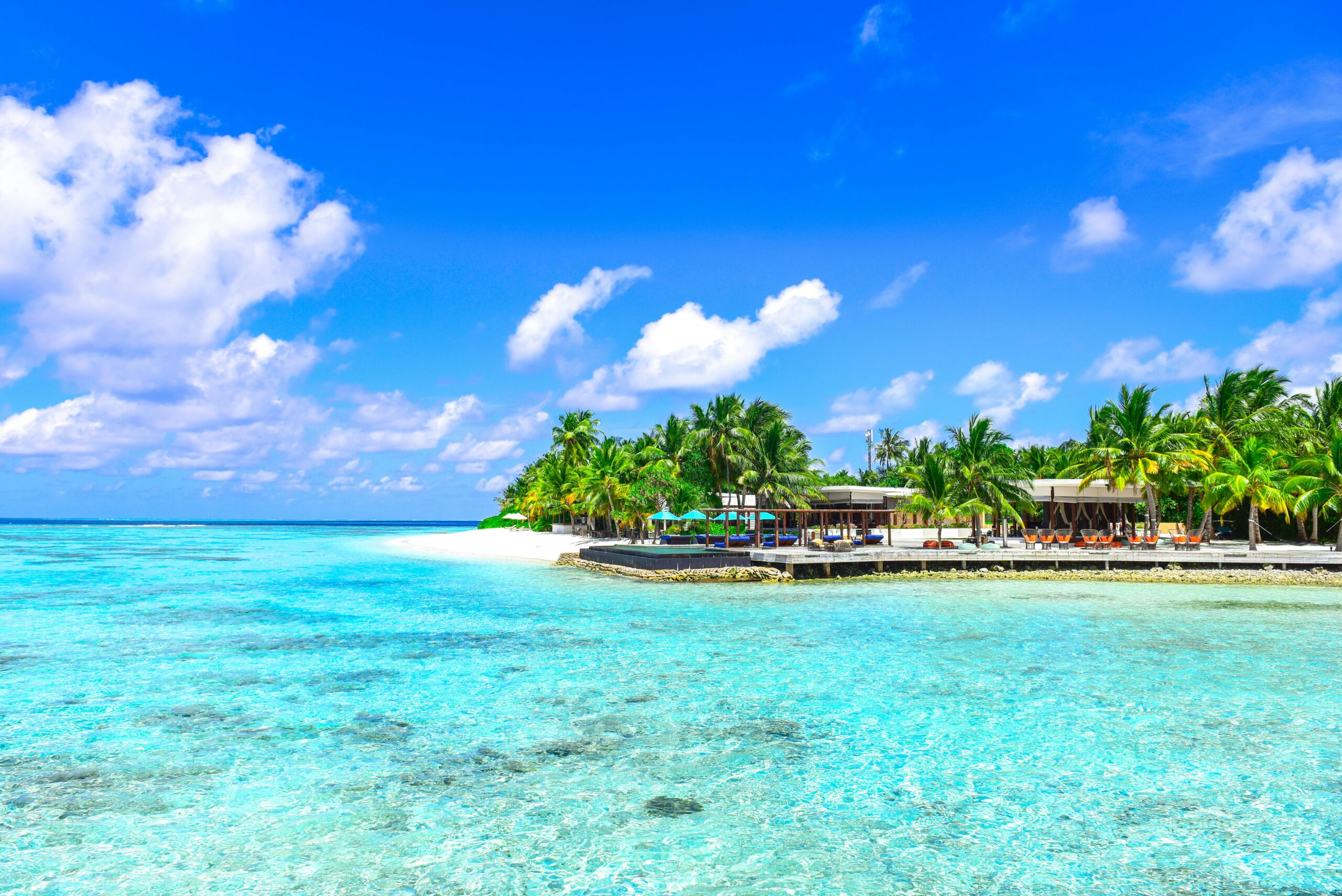
For decades, the Maldives held an almost mythic place in the global travel imagination — a fantasy of overwater villas, turquoise lagoons, private islands, and luxury stays costing thousands per night. It was a destination many admired from afar but dismissed as unattainable.
But that picture is changing fast.
Today, the Maldives is undergoing one of the most dramatic transformations in global tourism: the shift from ultra-exclusive luxury to a layered, accessible, and surprisingly affordable destination where budget travelers, backpackers, mid-range couples, and families can experience island life without breaking the bank.
The referenced article captures this shift, but the full story is even bigger. The Maldives’ newfound accessibility is driven by economic restructuring, regulatory changes, transportation expansion, local entrepreneurship, and growing demand for culturally grounded experiences.
This expanded article breaks down not just how the Maldives became affordable — but why, for whom, and what the future of this island nation looks like as mass tourism grows.
1. From Ultra-Luxury to Multi-Tier Tourism: A Massive Shift in the Maldives
The Maldives used to operate a strict “one island, one resort” model — isolating tourists from local populations and ensuring exclusivity. It was profitable but narrow, benefiting only large resort operators and wealthy travelers.
Everything shifted when the government changed tourism rules and allowed:
- guesthouses on local islands
- flexible transportation routes
- local businesses to host travelers
This democratized tourism, creating a multi-tier system:
| Traveler Type | Typical Price | Experience |
|---|---|---|
| Budget backpackers | $30–$80/night | Local island guesthouses, ferry transfers |
| Mid-range travelers | $100–$250/night | Boutique beachfront stays, speedboats |
| Affordable luxury | $250–$800/night | 4-star island resorts, packages |
| High-end luxury | $1,000–$5,000+/night | Overwater villas, private butlers |
This new tourism spectrum opened the Maldives to millions more visitors.
2. Why the Maldives Suddenly Became Affordable
Several structural forces contributed to the transformation.
A. Legalisation of Local Island Guesthouses (Game-Changer #1)
Before 2009, tourists were required to stay in resorts. Once guesthouses were allowed, prices dropped dramatically.
Local entrepreneurs converted homes into:
- beachfront guesthouses
- family-run inns
- small boutique hotels
This created competition, pushing down prices even in resorts.
B. Public Ferry Expansion & Cheaper Transportation
The old system relied heavily on:
- private speedboats
- luxury seaplanes
- resort-owned transfers
which often cost more than flights.
The new public ferry network allows travelers to reach islands for $1–$5, making island-hopping accessible to everyone.
C. Rising Local Entrepreneurship
Maldivians previously had limited access to tourism ownership. Now, local businesses run:
- dive centers
- cafés
- boat tours
- homestays
- guesthouses
- transport services
This keeps money in local communities and lowers travel costs.
D. Travel Demand Shifts After the Pandemic
Travelers increasingly search for:
- open-air destinations
- less crowded beaches
- nature-focused escapes
- authentic cultural experiences
- value-for-money islands
The Maldives — with 1,000+ islands — fits perfectly.
E. Hyper-Competition in the Resort Market
New resorts are opening at record pace. With more than 160 resort islands now operating, competition forces:
- seasonal discounts
- bundled deals
- reduced transfer fees
- all-inclusive affordable packages
Resorts now court mid-range travelers, not just elites.
F. Airline Price War & Route Expansion
More airlines now fly directly to Malé from:
- Europe
- Southeast Asia
- the Middle East
- India
- China
Low-cost carriers introduced cheaper fares, making the Maldives accessible from more major cities.
3. Beyond Price: The Cultural Shift Visitors Are Experiencing
For the first time, travelers can experience Maldivian life, not just curated resort experiences.
On local islands, visitors will find:
- traditional meals
- fishing culture
- Islamic customs
- vibrant community life
- colorful markets
- locally run cafés and burger joints
- diverse coral reefs near inhabited islands
This creates a deeper, more meaningful type of tourism — something the old model never allowed.
4. What the Original Coverage Didn’t Fully Explain
A. Guesthouse Islands Are Transforming the Local Economy
Tourism money now flows directly into:
- family incomes
- village infrastructure
- local shops and restaurants
- community projects
This reduces reliance on resort monopolies.
B. Environmental Concerns Are Growing
More tourists mean:
- coral stress
- waste-management pressure
- rising demand for fresh water
- increased boat traffic
Many islands now struggle with sustainability challenges.
C. Cultural Sensitivity on Local Islands
Unlike resort islands:
- alcohol is limited to designated “floating bars”
- dress codes apply in public areas
- certain religious customs shape daily life
New visitors sometimes misunderstand or ignore local norms.
D. The Resort Industry Is Adapting (Not Declining)
Resorts are not losing business — instead, they are:
- repositioning with mid-range offerings
- adopting hybrid models
- using more flexible pricing
- targeting honeymooners and families seeking value
The market is expanding, not shrinking.
E. Climate Change Looms Over Everything
Rising sea levels, coral bleaching, and seasonal flooding threaten both guesthouses and five-star resorts. Affordability doesn’t fix the long-term existential crisis.
5. The Future of Affordable Maldives Tourism
Experts expect:
- more local islands opening guesthouses
- sustainability regulations tightening
- improved ferry systems
- digitally savvy tourism marketing
- new budget-friendly boutique hotels
- greater variety of experiences (wellness, adventure, culture)
The Maldives may eventually resemble Bali or Phuket — still beautiful, but much more open, dynamic, and accessible.
Frequently Asked Questions
Q1: Are the Maldives really affordable now?
Yes — depending on where you stay.
Guesthouses on local islands can be cheaper than hotels in Europe or Hawaii.
Q2: What’s the difference between a resort island and a local island?
- Resort island: private, alcohol allowed, expensive, curated luxury.
- Local island: real Maldivian communities, cheaper stays, cultural norms apply.
Q3: How cheap can a Maldives trip be?
Backpackers can spend as little as $40–$60/day including accommodation and food.
Q4: Is it safe to stay on local islands?
Yes. Local islands are extremely safe, family-friendly, and welcoming to tourists.
Q5: How do you get between islands affordably?
Use the public ferry system — the cheapest option — or low-cost speedboats.
Q6: Are beaches accessible on local islands?
Many islands have designated bikini beaches for tourists.
Q7: Is alcohol available outside resorts?
No — only in special licensed “floating bars.”
Q8: Are local island guesthouses good quality?
Many are excellent, modern, clean, and beachfront — but quality varies.
Q9: Is climate change affecting tourism?
Yes. Rising sea levels and coral bleaching are big concerns for the future.
Final Thoughts
The Maldives has undergone one of the most striking transformations in global tourism: from an ultra-luxury fantasy to a multi-tier destination where budget travelers and backpackers can enjoy the same turquoise waters as honeymooners staying in overwater villas.
The paradise is still there — but now, it’s accessible to far more people. The challenge for the future will be balancing affordability, sustainability, and cultural respect as the Maldives welcomes a new generation of travelers.
Sources BBC

